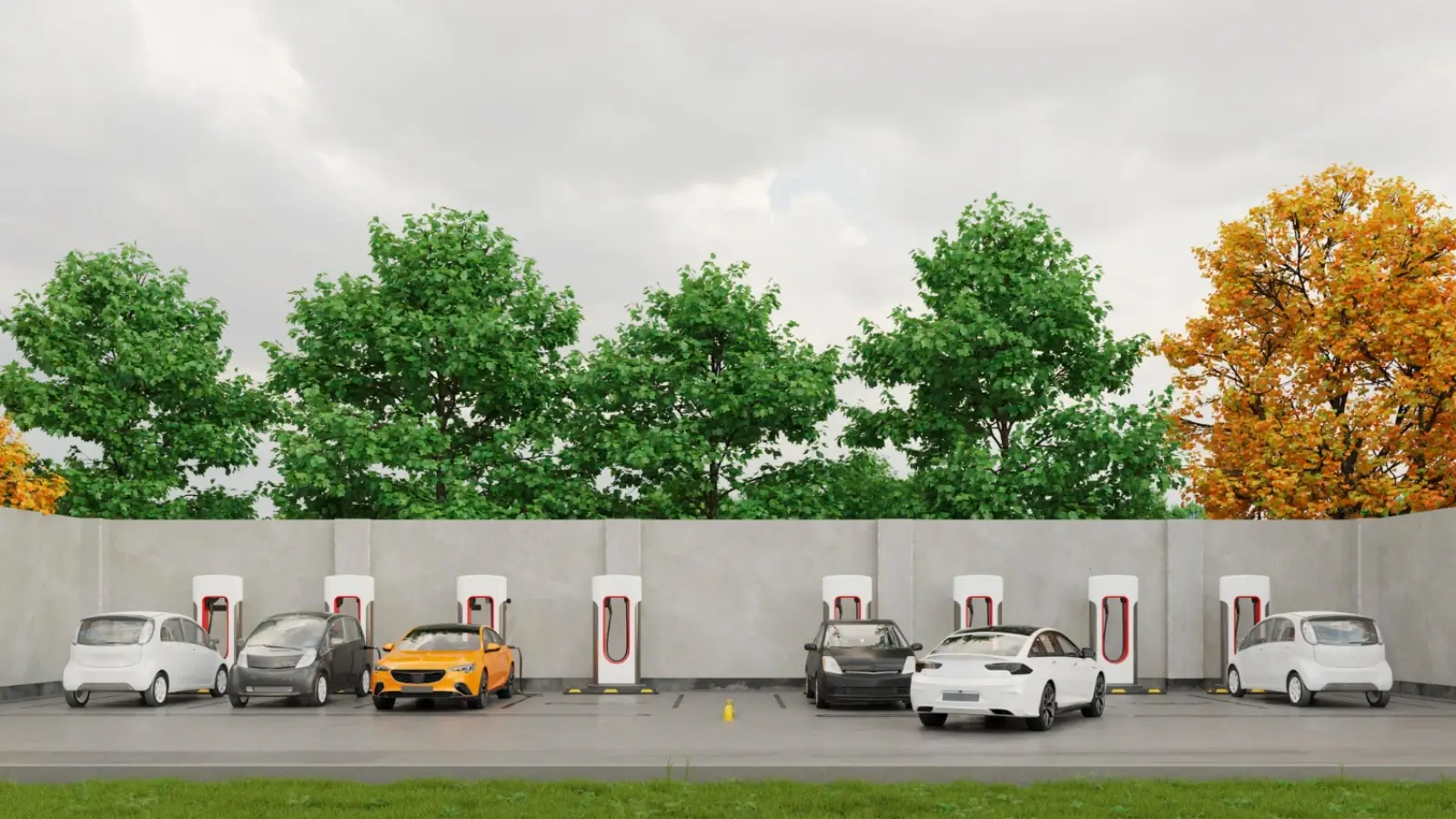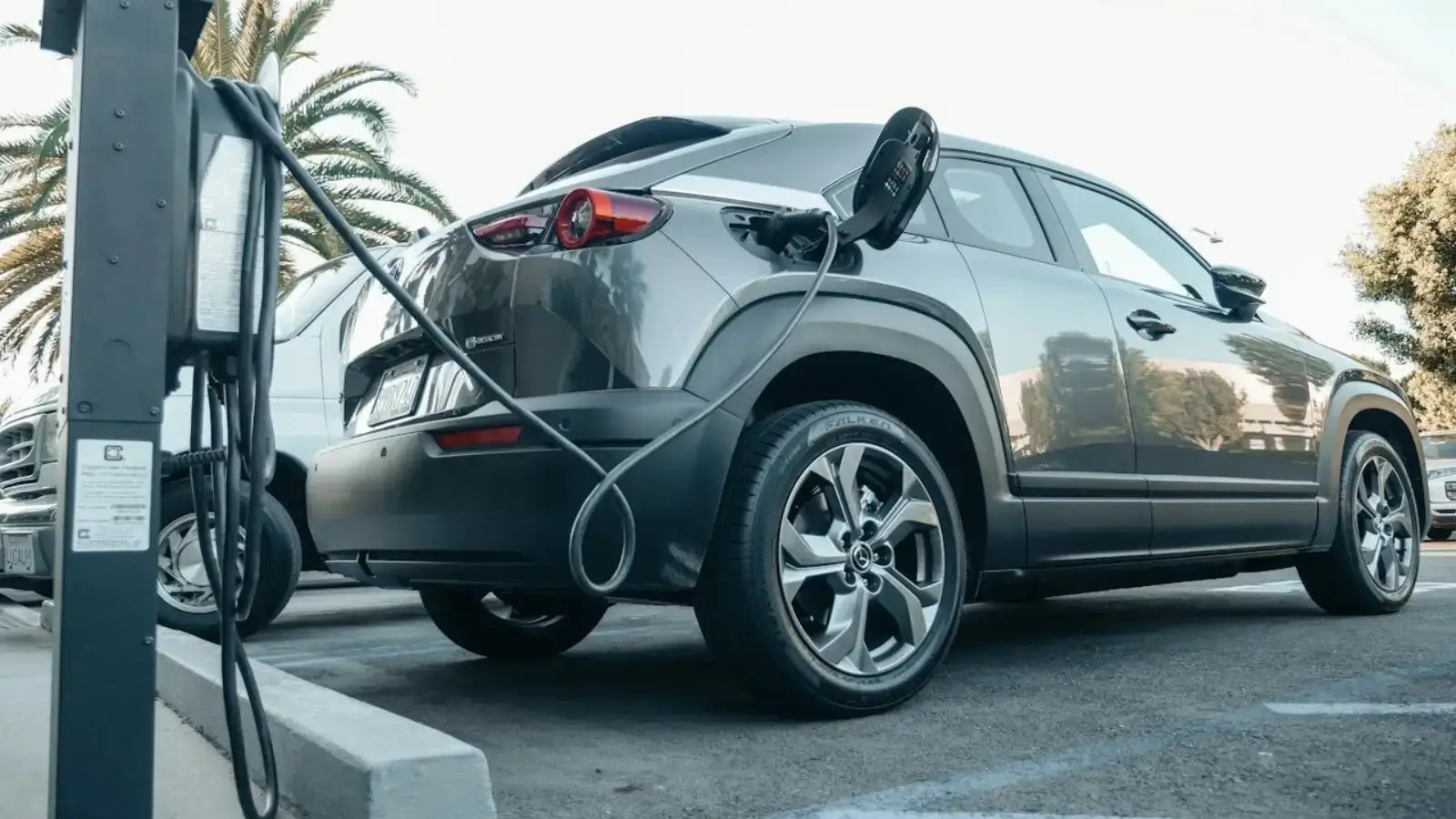
With the growing focus on reducing emissions and meeting sustainability targets, many countries are actively encouraging the adoption of electric vehicles (EVs), not just among private motorists but also within the business sector. Governments across the world are even rolling out supportive measures to encourage this shift. In places like Singapore, for example, businesses can benefit from incentives that make low-emission transport more financially accessible, including support for installing charging points and transitioning to greener fleets. These initiatives are helping to lower the barriers to entry, allowing even smaller enterprises to consider electrification as part of their operations.
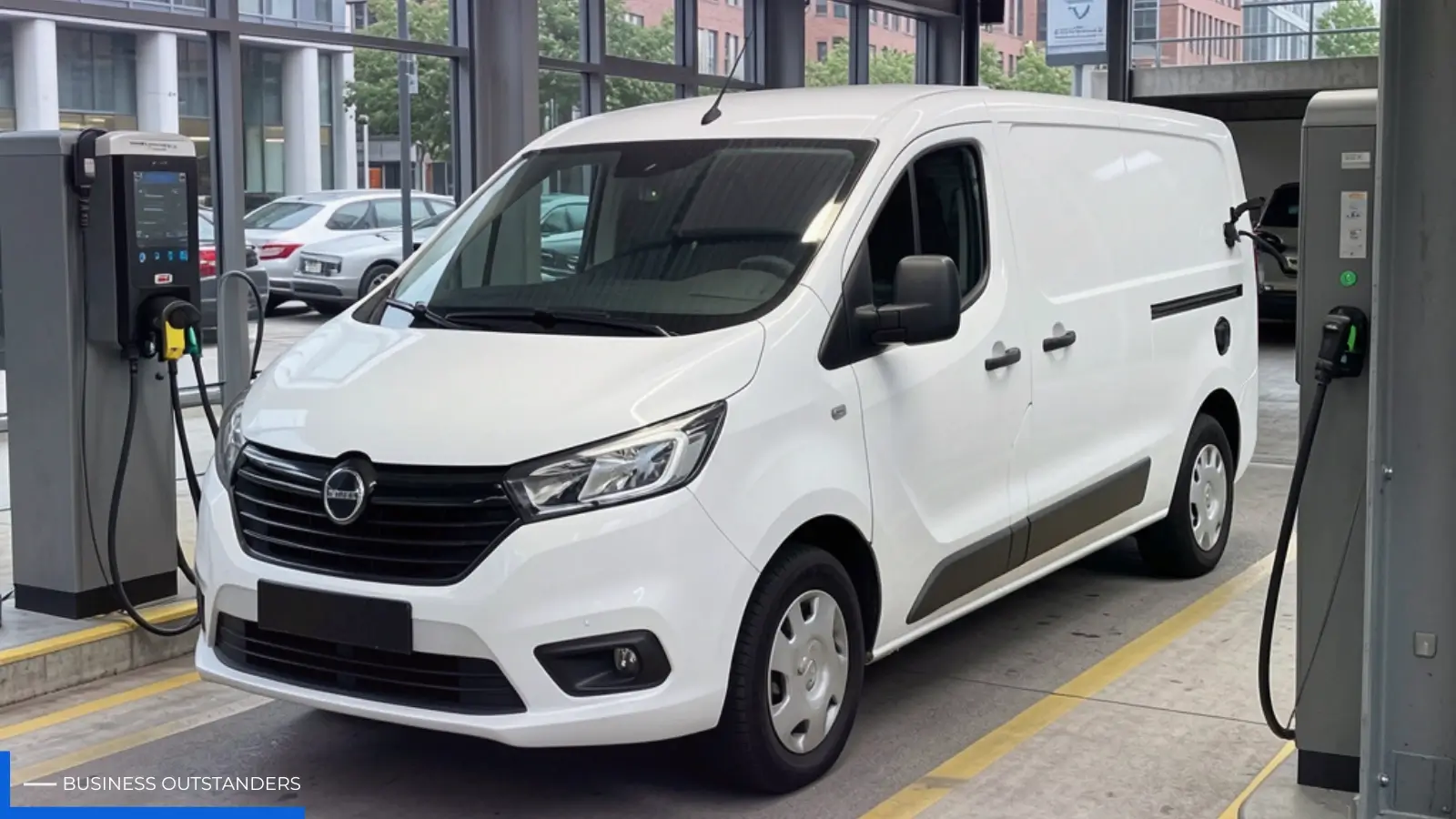
However, despite this support, not every business is in a position to invest in a fully electric fleet outright. High upfront costs and infrastructure requirements can make ownership a challenging commitment, especially for companies still testing operational fit. This is where electric van rentals present a practical alternative, offering businesses the flexibility to access EV benefits without long-term financial or operational lock-in. The key question, then, is not whether to switch, but when it makes the most sense to do so.
Here are some situations in which transitioning to electric van rentals becomes a strategically sound decision for businesses:
1) When Testing Electric Vehicles for Operational Fit
For many businesses, the transition to electric fleets is still an unknown rather than a confirmed strategy. In these cases, electric van rentals offer a practical way to test real-world performance before making long-term commitments. This includes evaluating how vehicles handle actual delivery loads, daily mileage requirements, and driver behaviour patterns. Businesses can also assess charging routines as well as whether existing workflows need to be adjusted.
By renting instead of purchasing, companies gain hands-on operational insight without the financial pressure of ownership. This is particularly useful for fleet managers who need evidence-based results before proposing a wider transition. It reduces risk while building confidence in whether electric vans can realistically replace diesel vehicles within current operational constraints.
2) When Operating Predictable, Urban-Based Routes
Electric vans are most efficient in environments where routes are short, consistent, and easy to plan. Businesses that operate within fixed urban zones, such as last-mile delivery services or scheduled service technicians, are often ideal candidates. In these scenarios, energy consumption becomes more predictable, and charging can be planned around depot returns or overnight breaks.
Electric van rentals work especially well here because they allow businesses to match vehicle availability to route demand without long-term commitment. Over time, this can lead to improved cost control, as electric vehicles typically have lower energy and maintenance costs compared to diesel fleets in stop-start urban conditions.
3) When Meeting Sustainability or Compliance Deadlines
Many organisations are now under increasing pressure to demonstrate measurable progress towards sustainability goals. This may come from government regulations, corporate environmental, social, and governance (ESG) reporting, or client procurement requirements. In such cases, timing becomes critical, especially when emissions reductions must be shown within a specific reporting cycle.
Electric van rentals provide an immediate way to reduce tailpipe emissions without waiting for fleet procurement processes or infrastructure upgrades. This makes them particularly useful for businesses that need short-term compliance solutions while working towards longer-term electrification plans. It also allows companies to demonstrate action quickly, rather than delaying progress due to capital or operational constraints.
4) When Avoiding Upfront Capital Investment Is a Priority
Purchasing electric vans involves a significant financial commitment, not only for the vehicles themselves but also for supporting infrastructure such as charging stations. For many small and medium-sized enterprises, this level of upfront investment can place strain on cash flow or divert funds away from core business operations.
Electric van rentals remove this barrier by converting fleet costs into predictable operational expenses. This allows businesses to access electric mobility without locking capital into long-term assets. It’s particularly beneficial for startups or organisations that prefer financial flexibility while still moving towards lower-emission transport solutions.
5) When Reducing Maintenance Downtime Is Critical
Operational continuity is essential for businesses that rely heavily on transport, such as courier services, healthcare logistics, or field service providers. In these sectors, vehicle downtime directly affects service quality and revenue. Electric vans generally have fewer mechanical components than diesel vehicles, which can result in reduced maintenance frequency and fewer unexpected breakdowns.
Through rentals, businesses can immediately benefit from this lower-maintenance profile without committing to ownership. This is especially valuable when fleet reliability is a priority, as it allows companies to improve uptime while evaluating whether a full transition to electric vehicles is viable in the long run.
6) When Trialling New Markets or Service Areas
Expansion into new geographical areas or launching new services often involves uncertainty around demand and route efficiency. Committing to a permanent fleet in these situations can be risky, particularly if market response is still untested. Electric van rentals provide a flexible way to support expansion without long-term asset commitment.
Electric van rentals allow businesses to deploy vehicles temporarily, gather performance data, and adjust logistics strategies based on real-world conditions. If the new market proves successful, companies can then scale up with greater confidence. If not, they can exit without the financial burden of underused assets, making rentals a more agile and lower-risk approach to expansion.
Choosing the Right Fleet Strategy
At the end of the day, choosing between electric van rentals and diesel fleets comes down to timing, operational fit, and business priorities rather than a one-size-fits-all decision. Electric van rentals offer a flexible, lower-risk way to explore electrification while still meeting practical delivery and service needs. As a result, businesses can turn to this option to transition more confidently and avoid costly mismatches between fleet strategy and real-world demand.
Business Outstanders brings you sharp insights on tech, business, entrepreneurship, law, crypto, and more. We uncover what’s next. Stay updated, sign up for our newsletter and be part of the future!