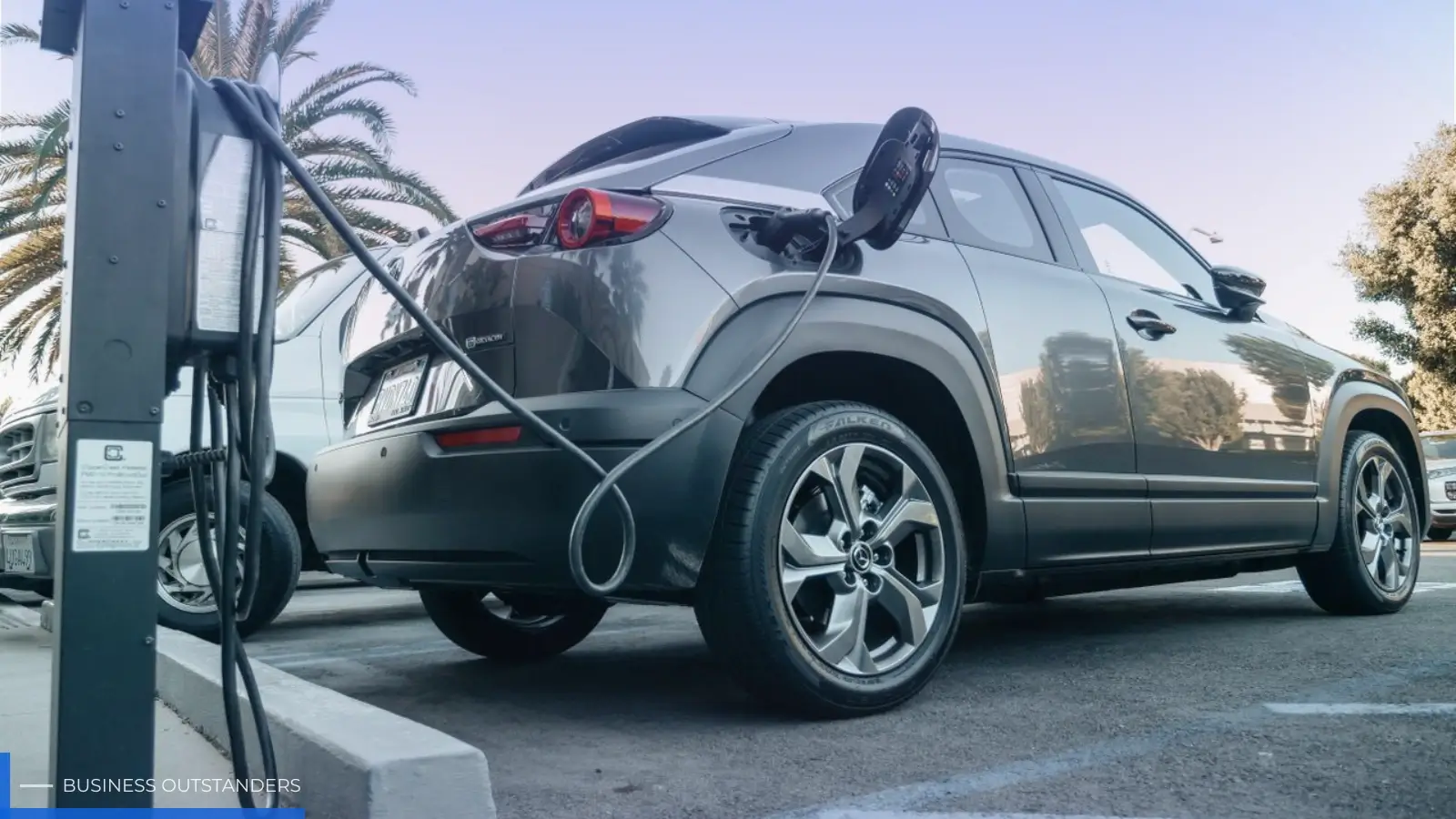
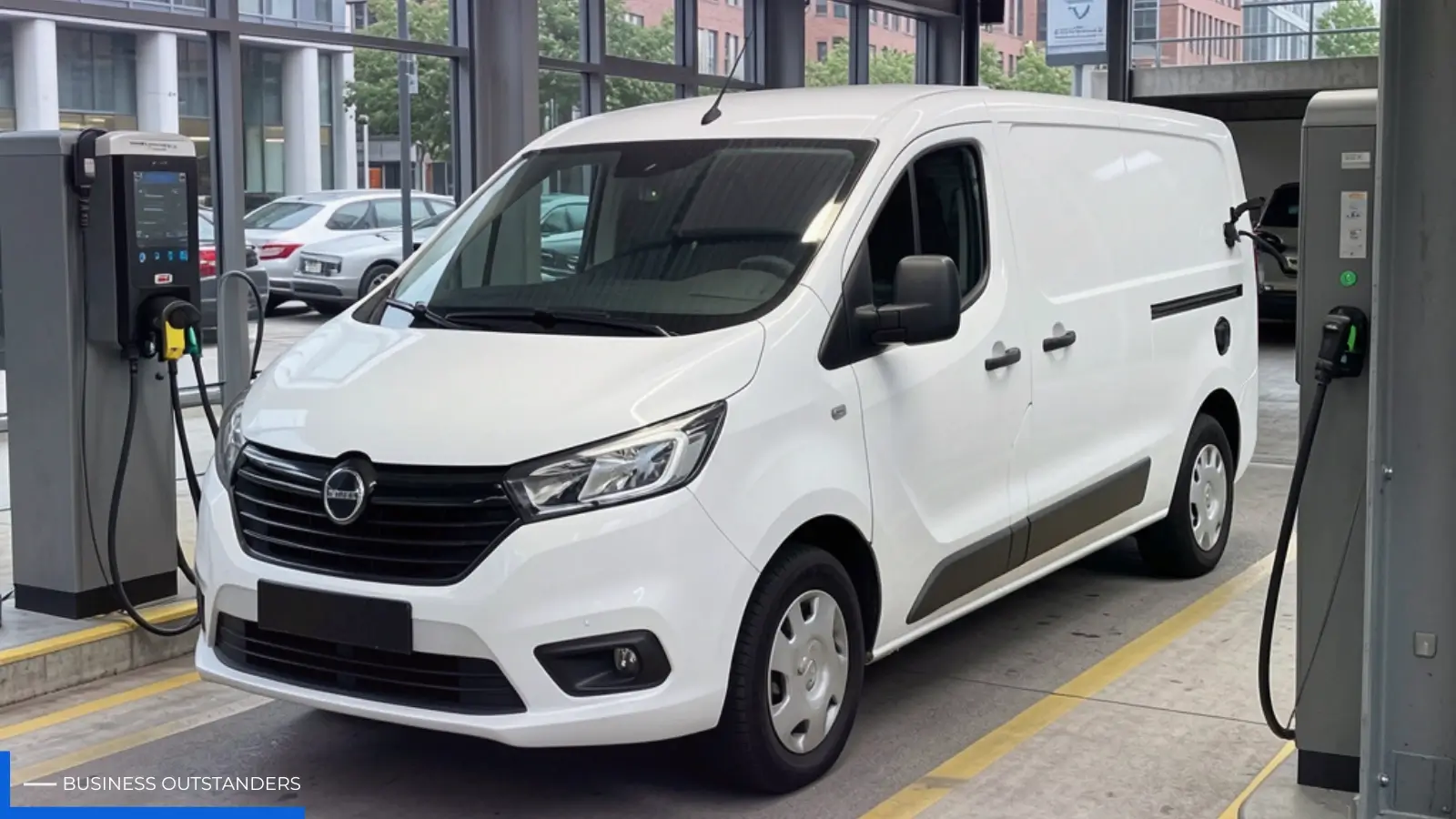
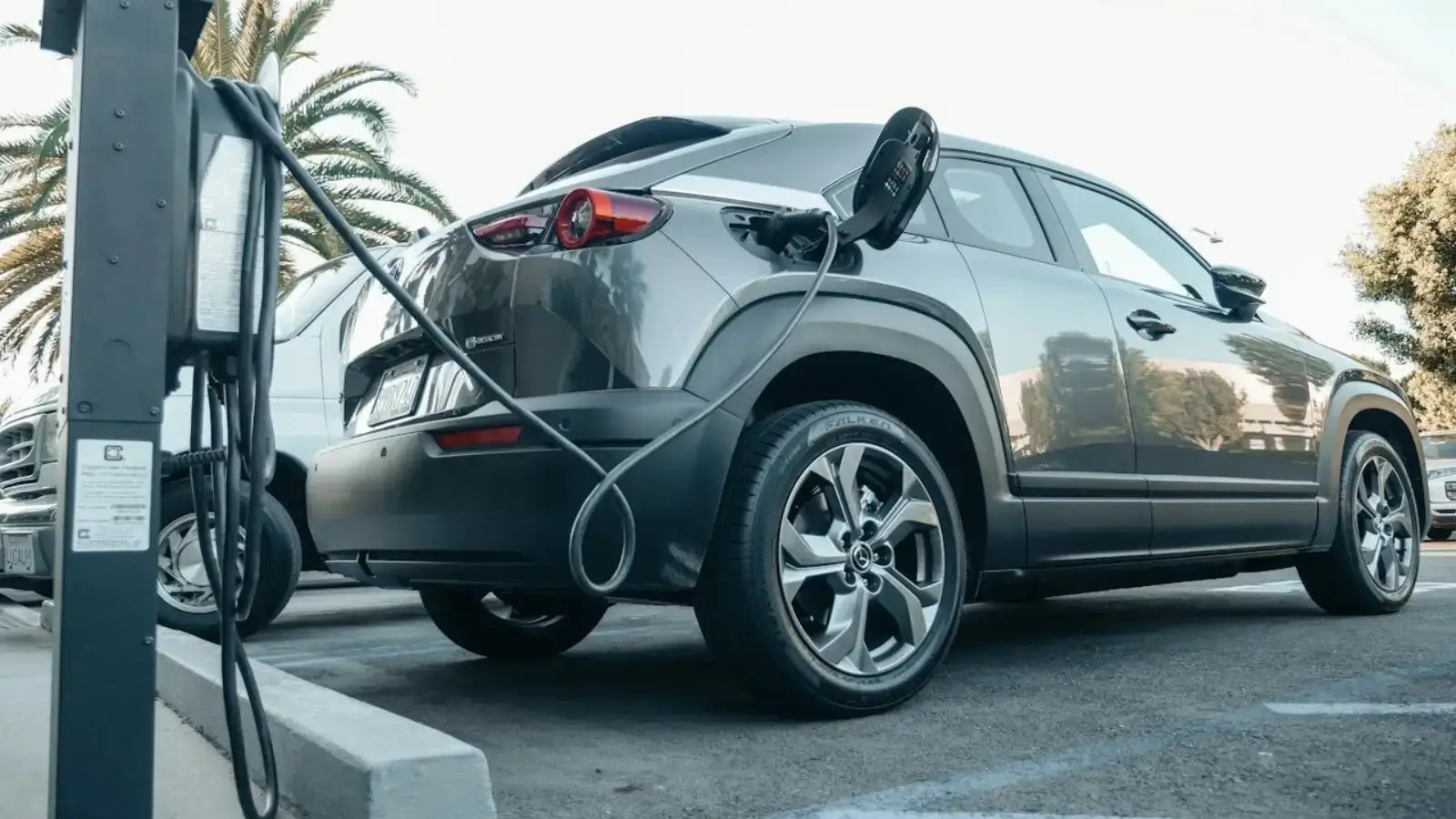
Running a premium transport fleet in Greater Boston is a challenging operation, demanding a quiet, comfortable, and reliable passenger experience while controlling for high fuel and maintenance costs. The convergence of targeted state incentives, a significant federal business credit, and robust charging infrastructure support has fundamentally shifted this economic equation. With reliable charging now available at and around Logan International Airport (BOS), electrified three-row SUVs are transforming from a future-looking experiment into a proven, present-day advantage for luxury airport transfers and executive travel.
Three Main Factors Changing Fleet Economics in Boston
The positive business case for electrification is not built on a single factor, but a strategic stacking of economic benefits. These forces are working together to lower both the upfront cost and the long-term cost of ownership (TCO) for fleet operators:
-
Stacked Upfront Incentives: Massachusetts offers a purchase rebate that is designed to be combined with an available federal commercial tax credit, significantly reducing the initial capital investment.
-
Lower Operating Costs: Electricity costs per mile consistently undercut premium gasoline prices. Furthermore, maintenance costs are structurally lower due to fewer wear-prone systems, increasing vehicle uptime.
-
Funded Charging Infrastructure: State and utility programs substantially offset the expense of installing necessary chargers at depots and workplaces, removing one of the largest financial barriers for high-mileage private transportation.
Stacking Purchase Incentives: Rules and the Timeline
1. Massachusetts MOR-EV Program
The Massachusetts Offers Rebates for Electric Vehicles (MOR-EV) program offers $3,500 for the purchase of a new Battery Electric Vehicle (BEV). This program is open to corporations, businesses, and nonprofits registered in the state.
-
Critical Eligibility Detail: The primary constraint is the price cap: the "Total MSRP" must be $55,000. This figure is determined by the final price on the Monroney window sticker, including the manufacturer’s destination charge and all options, but excluding sales tax and registration/documentation fees. The airport car service provider must carefully select vehicle trims and options to remain below this state ceiling.
2. Federal Commercial Clean Vehicle Credit (§45W)
The federal Commercial Clean Vehicle Credit (§45W) provides a tax credit of up to $7,500 for light-duty vehicles (under 14,000 lb GVWR).
-
Key Advantage for Fleets: Unlike the retail clean-vehicle credit, §45W does not impose an MSRP cap, allowing fleets to acquire higher-trim, luxury models. The vehicle must be used for business and placed in service (not purchased for resale).
-
Timeline: For a vehicle to be eligible for the credit, it must be placed in service by the federal deadline of September 30, 2025.
3. Practical Upfront Relief
For a qualifying BEV SUV with a Total MSRP $55,000, the private limo service in boston can achieve a combined upfront relief of up to $11,000 ($3,500 from MOR-EV plus up to $7,500 from §45W), provided the federal credit window remains open and the vehicle is placed in service by the deadline.
Operating Costs: Electricity vs. Gasoline in Boston
Current energy prices demonstrate a clear and immediate cost advantage for electric vehicles in commercial operation.
|
Energy Source |
Cost Basis |
Rate |
|
Gasoline (AAA, Nov 4, 2025) |
Regular |
~$2.98/gal |
|
Premium |
~$3.99/gal |
|
|
MA Commercial Electricity (EIA, Aug 2025) |
Average Commercial Rate |
~$0.2328/kWh |
Per-Mile Fuel/Energy Cost Comparison
|
Vehicle Type |
Efficiency |
Regular Fuel Cost/Mi |
Premium Fuel Cost/Mi |
Electric Cost/Mi |
|
Cadillac Escalade (Reference) |
~16 mpg |
~$0.186 |
~$0.249 |
N/A |
|
Kia EV9 (Reference) |
~0.40 kWh/mi |
N/A |
N/A |
~$0.093 |
|
Rivian R1S (Reference) |
~0.43 kWh/mi |
N/A |
N/A |
~$0.100 |
The electric advantage ranges from roughly 9 to 15 cents per mile over gasoline, a gap that is most pronounced against the premium fuel often required by luxury SUVs.
-
Annual Savings Potential: Over a typical executive and airport transfer duty cycle of 40,000 miles, this differential translates to estimated energy savings of $3,720 to $6,000+ per vehicle annually, with savings increasing when fleets utilize off-peak or managed charging tariffs.
Why EVs Offer More Uptime and Less Maintenance
1. Maintenance and Uptime
EVs are documented to require approximately 50% less maintenance and repair across their ownership lifecycle compared to comparable gasoline models. For fleets, this means:
-
Fewer Service Interruptions: Elimination of oil changes and related fluid services.
-
Reduced Wear: Regenerative braking drastically extends the life of brake pads and rotors.
-
Increased Revenue Hours: Less time spent in the shop directly translates to more vehicle availability, which is particularly valuable for companies such as Blue Nile Livery, where schedule reliability and on-time airport meets are core to the client experience..
2. Funded Charger Installation
Massachusetts offers some of the strongest infrastructure support in the nation, effectively converting a major capital expense into a managed project:
-
Utility Programs (National Grid & Eversource): Utilities will fund up to 100% of the "make-ready" infrastructure (utility-side electrical upgrades, trenching, conduit) for eligible workplace and public-access sites, often paired with equipment rebates.
-
MassEVIP (State Program): The state's Electric Vehicle Incentive Program can cover 60–100% of charger hardware and installation costs, depending on the project type.
When the costs for major site work like panel upgrades and trenching are heavily subsidized, the deployment of depot charging becomes a practical reality rather than a long-term capital hurdle.
Charging Infrastructure at Logan Airport and Greater Boston
Massport has facilitated fleet adoption by installing Level 2 and DC fast chargers at Logan and other properties. This on-site airport charging minimizes diversions and deadhead miles, greatly simplifying dispatch and operational flexibility for back-to-back executive reservations.
A Realistic Path to Quicker Payback
By aggregating the available benefits, the Return on Investment (ROI) for electrifying a luxury fleet in Boston is compelling:
-
Upfront Capital Reduction: Up to $11,000 in stackable rebates and credits.
-
Per-Mile Cost Advantage: A substantial and immediate 9–15¢ per mile savings on energy.
-
TCO Benefit: A long-term trend toward 50% lower maintenance costs.
-
Infrastructure De-risked: Major charging installation costs are significantly subsidized by state and utility programs.
-
Fleet-Friendly Tax Policy: Massachusetts currently imposes no separate annual registration surcharge for electric vehicles.
For Boston's limousine service providers, the transition to electric three-row SUVs delivers the quiet luxury and smooth performance demanded by executive clients while simultaneously driving down the unit economics of operation. With substantial, stackable financial support available until September 30, 2025 federal deadline, the window for accelerating payback is exceptionally favorable.
Business Outstanders brings you sharp insights on tech, business, entrepreneurship, law, crypto, and more. We uncover what’s next. Stay updated, sign up for our newsletter and be part of the future!