Power Up: Smart Charging and Operational Efficiency
— Smart charging systems turn EV fleet management into a cost-saving, scalable, and sustainable operation.
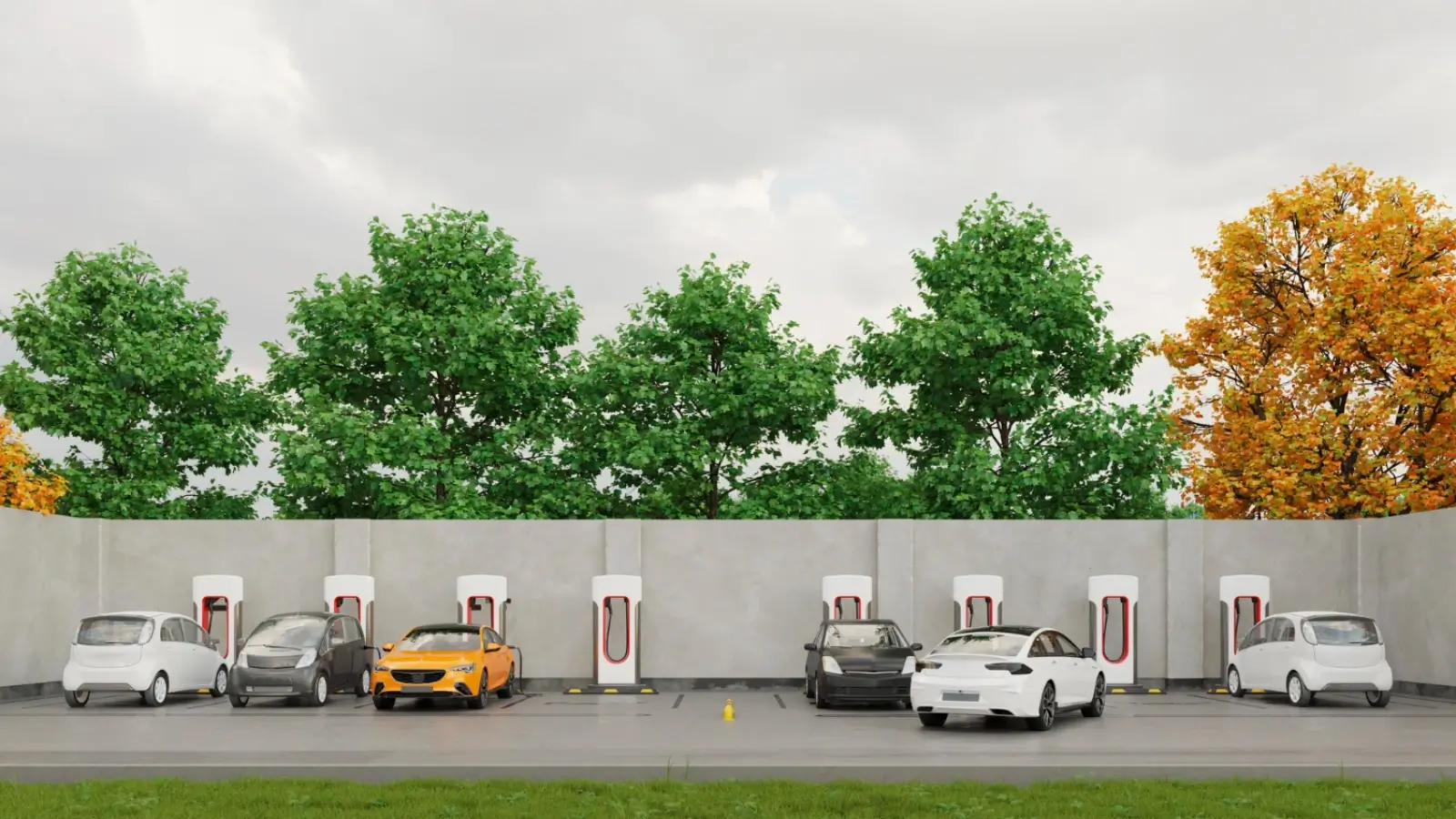
The transition to electric vehicles (EVs) is a present-day reality reshaping industries. For businesses managing vehicle fleets, this shift presents both a significant opportunity and a logistical puzzle. How can you power a fleet of EVs without overloading your power grid, incurring massive energy bills, or disrupting daily operations? The answer lies in smart charging systems.
Integrating smart charging is about more than just plugging in vehicles. It represents a strategic move towards greater operational efficiency, cost savings, and a sustainable business model. By intelligently managing how and when your fleet charges, you can transform a potential logistical headache into a powerful competitive advantage. This guide will explore how smart charging systems work and the tangible benefits they can bring to your organisation.
What Are Smart Charging Systems?
At its core, smart charging is an intelligent system that controls the flow of electricity to an EV. Unlike a standard charger that delivers power at a fixed rate whenever a vehicle is plugged in, a smart charger communicates with the vehicle, the charging operator, and the power grid. This two-way communication allows the system to adjust the charging speed and schedule in real-time.
This intelligence enables a process known as "load balancing." Instead of allowing all vehicles to charge at maximum power simultaneously—which could easily overload your electrical infrastructure and lead to costly demand charges—the system distributes the available power. It prioritises vehicles that need to be ready sooner, slows down charging for others, and schedules charging sessions during off-peak hours when electricity is cheaper. It’s a dynamic, automated process designed to meet your operational needs while minimising energy costs and grid impact.
The Key Benefits of Smart Charging Integration
Adopting smart charging technology moves your EV fleet management from a reactive to a proactive model. Instead of dealing with power constraints and high costs as they arise, you can strategically manage your energy consumption. This unlocks several key benefits that directly impact your bottom line and operational resilience.
Reduced Energy Costs
One of the most immediate and compelling benefits of smart charging is the significant reduction in energy costs. Traditional charging can lead to massive spikes in electricity demand, especially when multiple vehicles are plugged in at the same time. These spikes often result in hefty "demand charges" from utility providers, which are based on the highest peak power usage during a billing cycle.
Smart charging systems mitigate this by:
-
Avoiding Peak Demand: The system staggers charging sessions, ensuring that not all vehicles draw maximum power simultaneously. This flattens the energy demand curve and avoids triggering high demand charges.
-
Leveraging Off-Peak Rates: Smart chargers can be programmed to automatically charge vehicles when electricity rates are lowest, typically overnight. This simple shift in timing can lead to substantial savings on your utility bills without affecting vehicle availability for the next day's operations.
Enhanced Operational Efficiency
A well-managed fleet is an efficient one. Smart charging ensures that your vehicles are always ready when you need them, without manual intervention. You can set schedules based on driver routes and operational requirements, and the system handles the rest.
This leads to:
-
Guaranteed Vehicle Availability: By inputting departure times, you can ensure every vehicle in your fleet is sufficiently charged and ready for its scheduled route. This eliminates the risk of delays caused by unexpectedly uncharged vehicles.
-
Automated Management: Fleet managers can monitor and control the entire charging process from a central dashboard. This reduces the administrative burden of manually scheduling and overseeing charging, freeing up valuable time for other critical tasks. An advanced electric vehicle charging hub powered by smart technology can practically run itself.
Improved Grid Stability and Sustainability
Integrating a large EV fleet can place considerable strain on the local power grid. Smart charging helps to alleviate this pressure by intelligently managing the energy load. This not only benefits your organisation but also contributes to a more stable and reliable community grid.
By optimising charging times and avoiding peaks, your business becomes a responsible energy consumer. This strengthens your company's sustainability credentials, which is increasingly important for brand reputation and attracting environmentally conscious customers and employees. You're not just running an electric fleet; you're actively participating in the creation of a smarter, greener energy ecosystem.
Scalability for Future Growth
As your EV fleet expands, your charging needs will grow with it. A key advantage of smart charging infrastructure is its inherent scalability. The system is designed to accommodate additional vehicles without requiring a complete overhaul of your existing electrical setup.
When a new vehicle is added, the smart system simply incorporates it into the load-balancing algorithm, redistributing the available power to charge all vehicles efficiently. This allows you to expand your fleet confidently, knowing that your charging infrastructure can grow with you, making it a future-proof investment.
Moving Forward with Smart Charging
The transition to an electric fleet is a marathon, not a sprint. Integrating smart charging systems is a crucial step in ensuring that this transition is smooth, cost-effective, and operationally sound. By taking control of your energy consumption, you can unlock significant savings, boost efficiency, and build a more resilient and sustainable operation. The technology is here, and the benefits are clear. Now is the time to power up your business for the future.