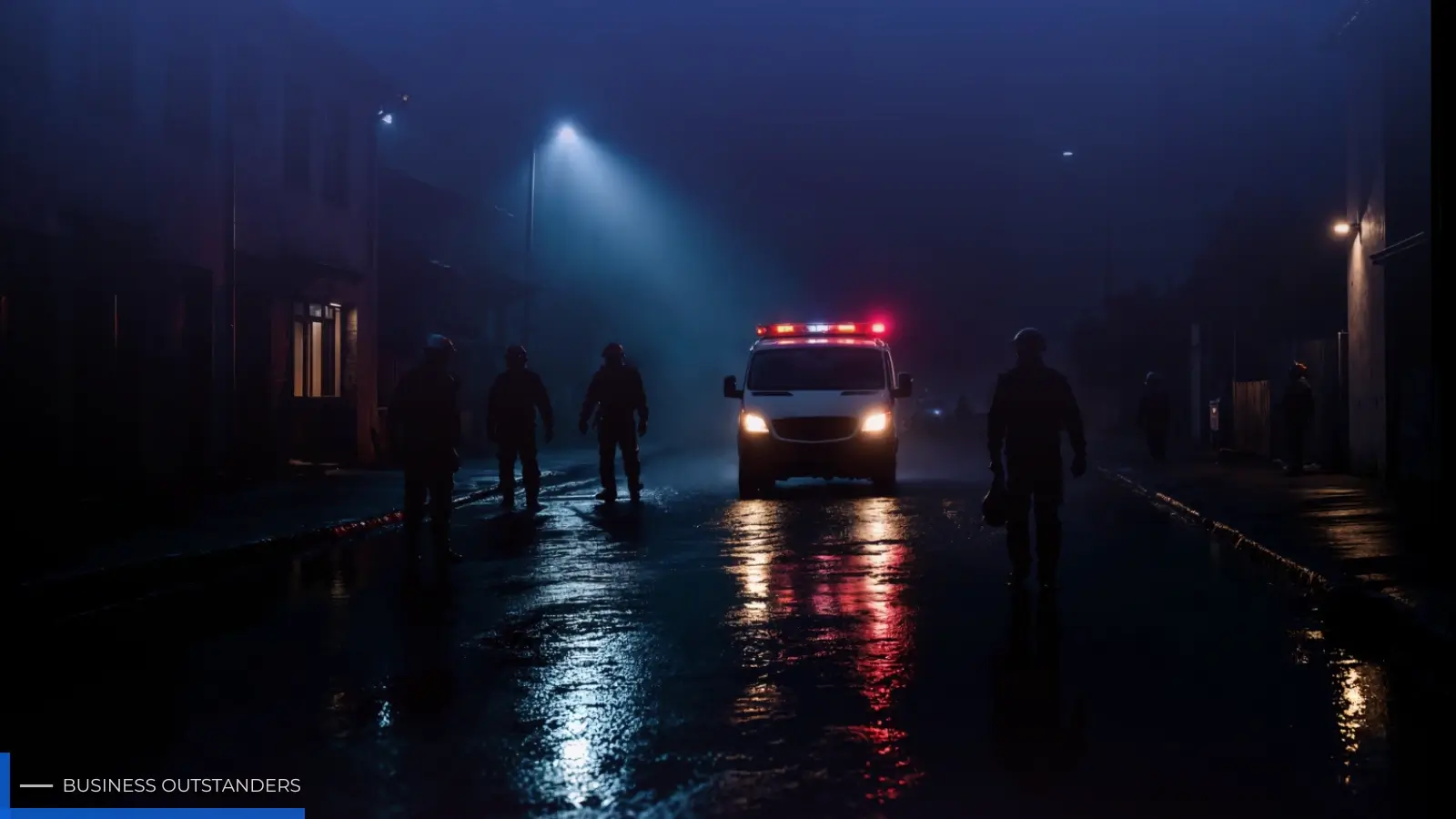
Roadside work can be dangerous, especially when vehicles are moving nearby at high speeds. Emergency responders, tow operators, utility crews, construction workers, and maintenance teams often perform important tasks close to active traffic. Poor visibility, distracted driving, bad weather, and darkness can make these situations even more hazardous. Emergency vehicle lights help protect both drivers and workers by making service vehicles easier to notice. Bright flashing lights warn approaching motorists that something unusual is happening ahead. This gives drivers more time to slow down, change lanes, and prepare for possible road hazards. Emergency lighting cannot remove every roadside risk, but it creates an important visual warning that supports safer decisions. Clear signals help everyone understand that extra caution is needed.
Helping Motorists Notice Hazards Earlier
Drivers usually have only a few seconds to respond when they see a stopped vehicle, blocked lane, or work crew near the road. During heavy traffic or poor weather, that reaction time may become even shorter. Flashing emergency lights attract attention more effectively than standard headlights or hazard lights alone. Their brightness and movement make them easier to notice from a distance. When motorists see these lights, they can begin reducing their speed before reaching the work area. Early warning is especially important on highways, sharp curves, hills, and dark rural roads. A driver who notices a service vehicle too late may brake suddenly or make an unsafe lane change. Visible lighting provides additional time to respond in a controlled way.
Protecting Workers Outside Their Vehicles
Many roadside professionals must leave their vehicles to complete their jobs. Tow operators may need to connect a disabled vehicle, utility workers may inspect damaged equipment, and emergency crews may assist injured motorists. These workers may be standing only a few feet away from moving traffic. LED emergency lighting helps make the work vehicle and surrounding area more noticeable. It tells approaching drivers that people may be walking around the vehicle or working close to the road. Workers should still wear reflective clothing, use traffic cones, and remain aware of approaching vehicles. However, emergency lighting adds another layer of protection by drawing attention to the entire scene. Multiple safety measures working together can make the area easier for motorists to recognize.
Making Stopped Vehicles More Visible at Night
A large truck or emergency vehicle may seem easy to see during the day, but nighttime conditions can make even large vehicles difficult to notice. Dark roads, limited street lighting, and glare from headlights can hide a stopped vehicle until a motorist gets dangerously close. Emergency vehicle lights improve visibility from the front, rear, and sides, depending on how the lighting system is installed. Wide-angle visibility is important because traffic may approach from several directions, especially near intersections or busy work zones. Warning light bars mounted in a visible position can help define the location and size of the vehicle. This allows motorists to recognize the roadside scene earlier and maintain a safer distance.
Supporting Safety During Rain, Fog, and Snow
Bad weather can quickly reduce visibility for both drivers and roadside workers. Heavy rain may blur windshields and create glare on wet pavement. Fog can hide vehicles, workers, and lane markings. Snow may cover road edges and make it difficult to judge distance. Bright emergency lighting helps vehicles remain noticeable in these difficult conditions. Flash patterns can attract attention even when the outline of the vehicle is partly hidden by rain or snow. Proper light placement is important because overly bright or poorly aimed lighting may reflect off fog or wet roads. Lights should provide a clear warning without creating unnecessary glare. A well-planned system supports visibility while helping drivers remain focused on the road.
Helping Direct Traffic Around a Work Area
Some emergency lighting systems can do more than warn drivers. Directional lights may help show motorists where they should move when a lane is closed or partially blocked. For example, an arrow-style pattern may signal drivers to merge left or right. Other patterns may indicate that traffic should slow down and proceed carefully. These visual instructions are useful when workers need to create temporary space around an accident, disabled vehicle, or repair area. Roadside safety lights can also support cones, signs, barriers, and worker hand signals. Clear and consistent warnings reduce confusion as motorists approach the scene.
Reducing Risks Near Accident Scenes
Accident scenes can be unpredictable. Damaged vehicles may block lanes, debris may be scattered across the road, and people may be standing in unsafe areas. Emergency responders need enough room to assist those involved while protecting themselves from passing traffic. Vehicle strobe lights help mark the location of the incident and warn drivers that normal traffic conditions have changed. Motorists may need to slow down, stop, or follow directions from workers. Lighting also helps arriving emergency crews locate the scene more quickly at night or during poor weather. Once the area is visible, responders can position their vehicles more effectively and create a safer working space.
Improving Safety for Slow-Moving Vehicles
Emergency and service vehicles do not always remain parked. Some may travel slowly while inspecting roads, removing debris, clearing snow, or completing maintenance work. Slow-moving vehicles can be dangerous when other drivers approach them at normal highway speeds. Bright warning lights help motorists recognize that the vehicle ahead is moving more slowly than regular traffic. This early signal gives drivers time to reduce speed and change lanes safely. It also helps prevent sudden braking when motorists realize too late that they are approaching a work vehicle.
Choosing the Right Emergency Lighting
The right lighting setup depends on the vehicle’s purpose, size, and normal working conditions. A small roadside service vehicle may need a different system than a large utility or emergency truck. Drivers and fleet managers should consider brightness, flash patterns, viewing angles, mounting position, weather resistance, and power use. Lighting should be visible without being blocked by equipment, cargo, or other parts of the vehicle. The system should also be suitable for the environment in which it will be used. Vehicles that operate in rain, snow, dust, or rough conditions need durable housings and secure mounting hardware.
Regular Maintenance Keeps Lights Dependable
Emergency lighting must work correctly whenever it is needed. Dirt, road salt, mud, snow, and debris can cover lenses and reduce brightness. Damaged wiring or loose mounts can also cause lights to fail. Drivers should inspect the lighting system before starting work. They should confirm that all lights turn on, flash properly, and remain securely mounted. Cleaning the lenses regularly helps maintain clear visibility. Electrical connections should also be checked for corrosion, moisture, or wear. Small problems should be repaired early so the system does not fail during an emergency.
Responsible Use Prevents Distraction
Emergency lights are designed to attract attention, but they must be used responsibly. Extremely bright lights, fast flash patterns, or poor positioning may distract or temporarily blind approaching drivers. Operators should select patterns that are appropriate for the situation. They should also avoid using emergency lighting when it is not necessary. Local rules may limit which colors, patterns, and lighting systems can be used on public roads. Responsible operation ensures that the lights remain a clear safety warning. Proper use protects workers without creating additional danger for other motorists.
Emergency Lighting Is an Important Safety Tool
Roadside professionals face risks every time they work near moving traffic. Emergency vehicle lights help reduce these risks by improving visibility, warning approaching motorists, and identifying active work areas. Reliable lighting protects workers while they assist drivers, manage traffic, repair equipment, or respond to accidents. It also helps motorists notice hazards sooner and make safer decisions before reaching the scene. Emergency lighting works best when combined with reflective clothing, traffic cones, warning signs, careful vehicle placement, and proper training. Together, these tools create a safer and more organized roadside environment for everyone.
Business Outstanders brings you sharp insights on tech, business, entrepreneurship, law, crypto, and more. We uncover what’s next. Stay updated, sign up for our newsletter and be part of the future!