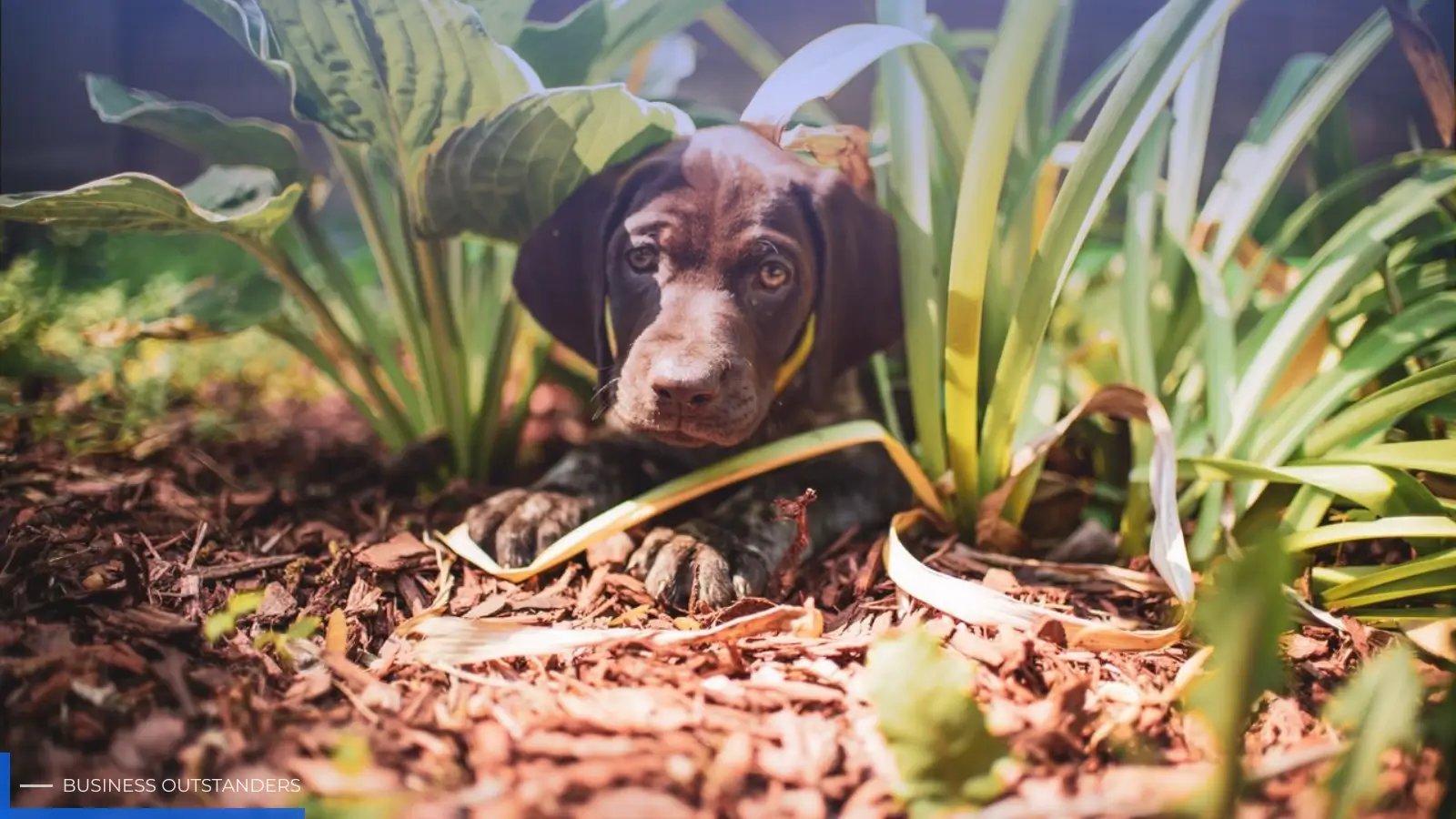
For our pets, the backyard is paradise. It is where they chase tennis balls, sunbathe on the deck, and sniff out the neighborhood gossip. Because we love seeing them run free, we often assume that once we close the garden gate, they are completely out of harm's way.
But a closer look reveals that some of the most common outdoor features can be highly dangerous to our four-legged companions. Safeguarding your yard requires looking at the landscape from a dog or cat's perspective.
Here are the five most common outdoor pet hazards hiding in plain sight and how you can eliminate them to keep your yard safe.
1. Toxic Flora and Wild Mushrooms
Many homeowners are surprised to learn that some of the most popular garden plants are highly toxic to dogs and cats. If you have an curious pet who loves to chew on leaves, plants like sago palms, azaleas, oleanders, and autumn crocuses can cause severe organ damage or even death.
Beyond ornamental plants, wild mushrooms present a massive risk. While some mushrooms are harmless, others—like the notorious death cap (Amanita phalloides)—can grow in your lawn overnight and cause acute liver failure if ingested.
The Fix: Transition your yard toward pet-safe landscaping by choosing marigolds, snapdragons, or sunflowers. Make it a daily habit to do a quick "mushroom sweep" of your lawn, especially after wet, humid weather, and pluck any wild fungi before letting your pets out.
2. Cocoa Mulch and Lawn Chemicals
We all want a lush, weed-free lawn, but the products used to achieve it are often highly toxic to pets.
Many gardeners love cocoa mulch because of its rich color and sweet aroma. However, cocoa mulch is made from cacao bean shells. It contains theobromine and caffeine—the very same compounds that make chocolate toxic to dogs. A dog attracted to the sweet smell may ingest the mulch, leading to hyperactivity, seizures, or worse.
Similarly, chemical fertilizers, herbicides, and insecticides pose immediate contact and ingestion risks. Pets can easily absorb these chemicals through their paw pads or lick them off their fur after a walk across the grass.
The Fix: Opt for pet-safe organic mulches, such as shredded pine or cedar. If you do treat your lawn with fertilizers, keep your pets off the grass for at least 24 to 48 hours, or until the product has been thoroughly watered in and dried.
3. Falling Tree Debris and Rotten Fruit
Overhead hazards are frequently overlooked when pet-proofing. Mature trees provide vital shade, but they can drop organic debris that presents major safety risks.
- Oak Trees: Fallen acorns contain tannins, which can cause severe upset stomachs, kidney damage, or create physical intestinal blockages in smaller dogs.
- Fruit Trees: Dropped apples, peaches, or plums will quickly rot and ferment on the ground. Eating fermented fruit can lead to alcohol poisoning, while the pits inside contain trace amounts of cyanide and present choking hazards.
- Deadwood: Weak, damaged, or decaying tree limbs can snap unexpectedly during storms or high winds, threatening pets playing below.
To prevent these hazards, keep your tree canopy healthy and clear. Regular pruning from a professional tree service in Salt Lake City helps eliminate dead weight, cuts back toxic seed-bearing limbs, and keeps your yard free from falling debris.
4. Unsecured Fences and Escapology Points
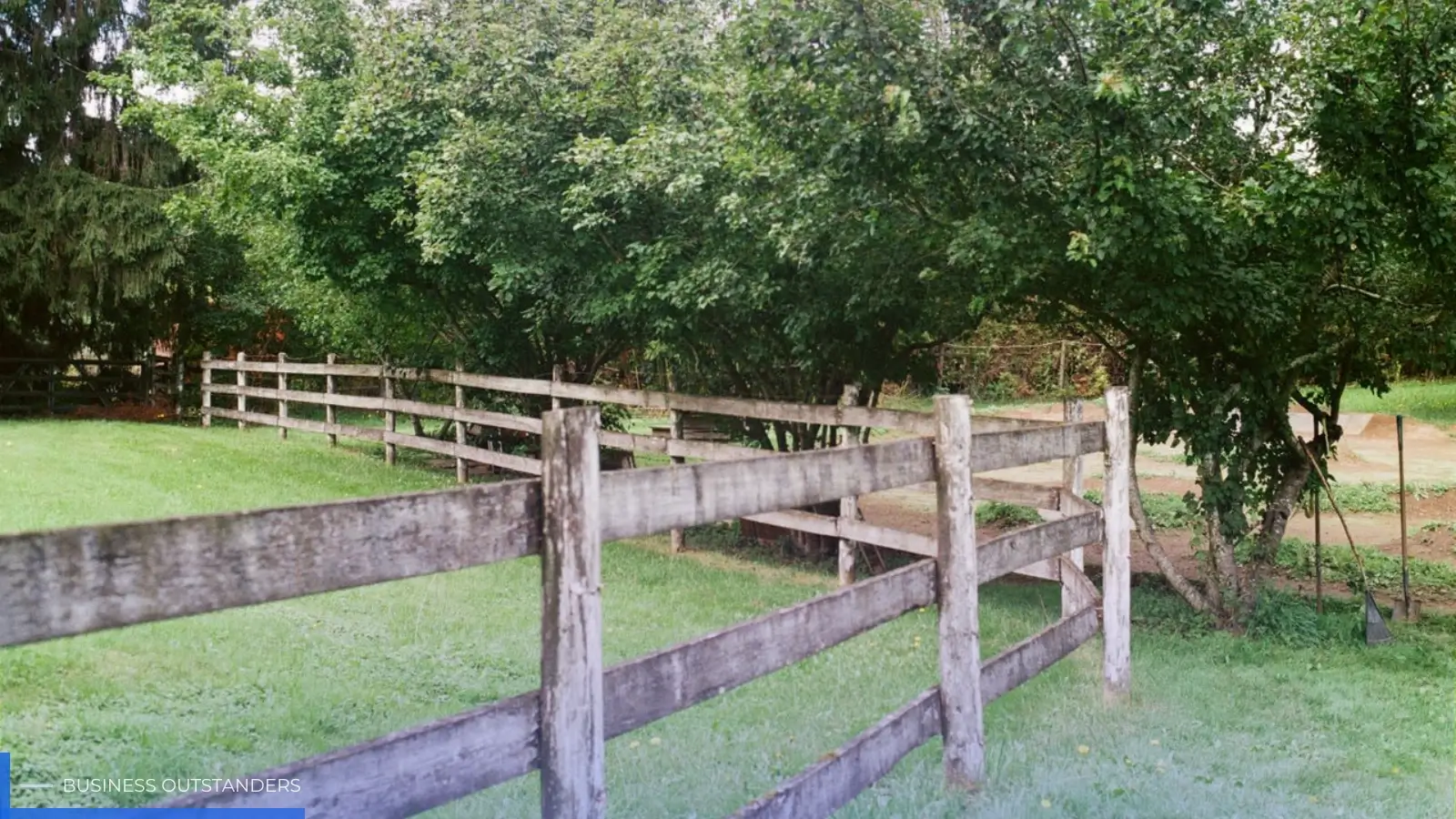
A physical fence is the gold standard for pet safety, but it only works if it is structurally sound. Dogs are incredibly resourceful when they spot a squirrel or experience separation anxiety.
Common fencing hazards include:
- Dig zones: Gaps under the fence line where small dogs can squeeze through.
- Rotting wood or rusty wire: Sharp edges or splintering wood that can cause deep cuts.
- Horizontal rails on the inside: Some dogs can use horizontal support rails as a ladder to climb right over the top.
The Fix: Walk your fence line weekly. If you have a digger, consider burying chicken wire or placing heavy paving stones along the base of the fence to block escape routes.
5. Standing Water and Hidden Pests
A beautiful water feature adds peace to a yard, but stagnant water is a breeding ground for trouble. Puddles, neglected birdbaths, and slow-draining spots can harbor Leptospira—a spiral-shaped bacteria spread through wildlife urine that causes severe kidney and liver damage in dogs. Standing water also breeds mosquitoes, which transmit heartworm.
Additionally, tall, unmanaged brush and thick ground cover provide the perfect habitat for ticks and fleas, which carry Lyme disease and other harmful pathogens directly to your pet's coat.
The Fix: Ensure all water features have running, aerated water, and empty dog bowls or kiddie pools when not in use. Keep your grass mowed short and trim back thick brush piles to minimize tick habitats.
Myth vs. Fact: Common Pet Yard Misconceptions
Understanding the truth behind common yard myths can save a life:
- Myth: If a plant or berry is toxic, my pet’s instincts will naturally tell them to avoid eating it.
- Fact: Domesticated pets do not possess the same survival instincts as wild animals. Many dogs—especially puppies—explore the world with their mouths and will happily chew on toxic backyard plants simply out of curiosity or boredom.
- Myth: Natural organic fertilizers are completely safe for pets to eat.
- Fact: Many organic fertilizers contain blood meal, bone meal, or fish emulsion. While these are natural, their strong, meaty scent makes them incredibly appetizing to dogs. If eaten in large quantities, bone and blood meal can form a cement-like ball in the stomach, leading to severe gastrointestinal blockages that require surgery.
Quick Backyard Safety Checklist
Before letting your pet out to play, run through this quick checklist to ensure the environment is secure:
- Mushroom Check: No wild fungi sprouting in the damp shady corners.
- Fruit and Seed Sweep: All fallen acorns, pinecones, and rotting fruit are cleared.
- Water Sources: Birdbaths are clean and there are no standing mud puddles.
- Fence Integrity: No loose boards, digging holes, or exposed nails.
- Shade and Fresh Water: A clean bowl of fresh water and a shady spot are available under a healthy, pruned tree canopy.
Conclusion
Keeping your backyard safe for your pets does not mean you have to pave over your grass or sacrifice a beautiful garden. It simply means choosing your plants wisely, keeping your lawn clear of chemical residue, and ensuring that overhead trees are professionally maintained to avoid falling debris. With a few mindful adjustments, your yard can remain a worry-free haven for your entire family.
Also Read: Pet Hygiene Tips & F10 Veterinary Disinfectant
Business Outstanders brings you sharp insights on tech, business, entrepreneurship, law, crypto, and more. We uncover what’s next. Stay updated, sign up for our newsletter and be part of the future!