Gardeners in Central Jersey face unique challenges when it comes to maintaining lush, healthy landscapes. One of the most pressing issues is deer intrusion, which can wreak havoc on gardens and disrupt local biodiversity. By understanding and implementing effective strategies for deer control, gardeners can significantly enhance the health of their gardens. This article will explore proven techniques for managing deer, the ecological impact of deer on gardens, and how community collaboration can lead to sustainable solutions.
Effective Deer Control Techniques in Central Jersey
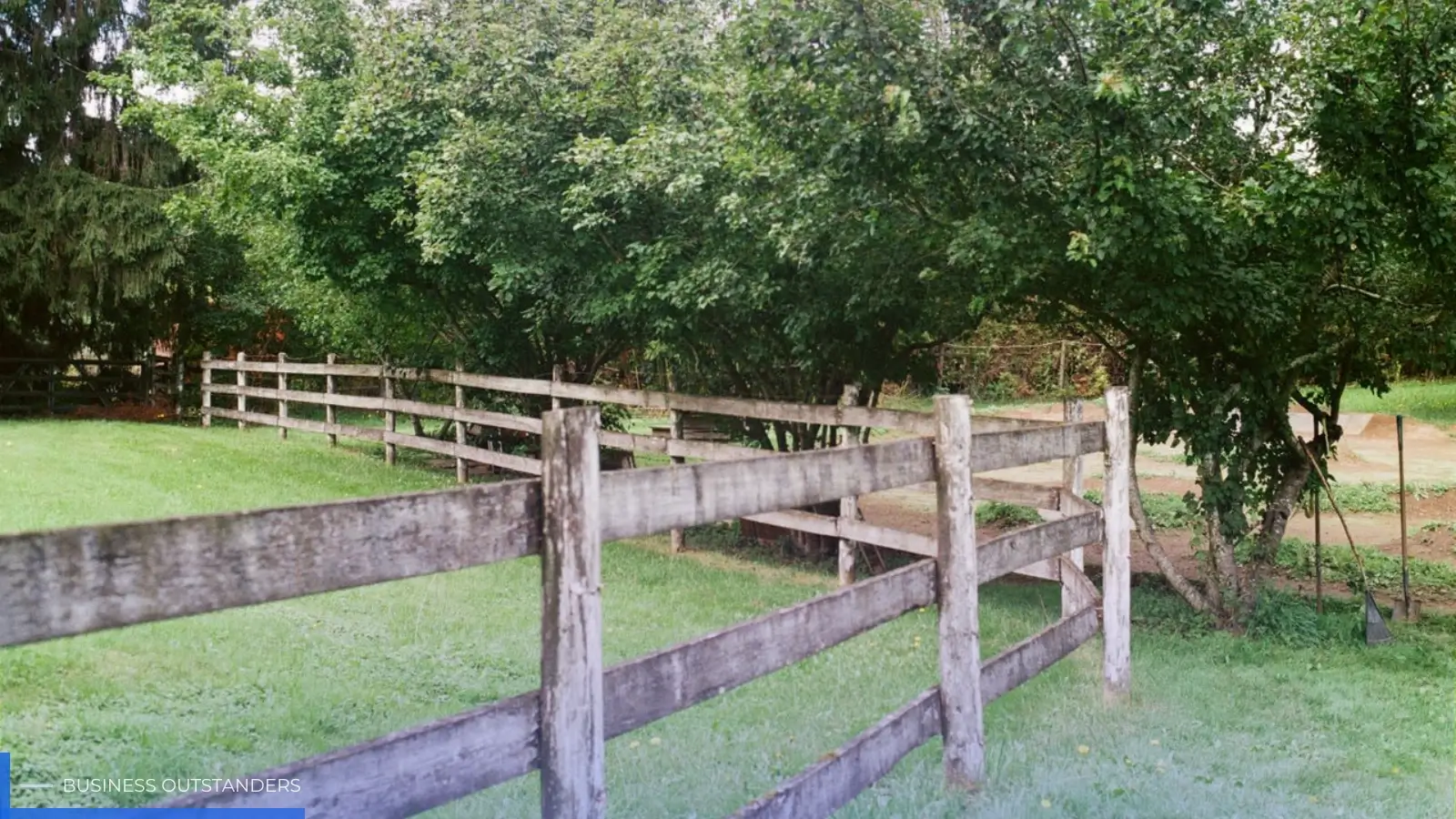
Central Jersey's gardeners often rely on a mix of strategies to deter deer, which are known for their adaptability and persistence. One popular method is the use of landscape fabric, which helps protect young plants by covering the soil and limiting deer access. Additionally, the installation of physical barriers such as fences can be highly effective. Deer fencing should be at least eight feet tall to prevent deer from jumping over them. Another option is using natural deterrents like mycorrhizal inoculant, which enhances plant health and makes them less appealing to deer. For those seeking a more environmentally friendly approach, Integrated Pest Management (IPM) offers a comprehensive solution by combining various tactics to manage deer populations without relying on harsh chemicals. This method can include the strategic use of companion planting, where certain plants are used to repel deer naturally. Recent studies from Nature suggest that IPM not only protects gardens but also supports local wildlife by promoting ecological balance. Furthermore, Deer Control Central Jersey initiatives can greatly enhance these strategies.
Deer can have a significant impact on both garden health and local biodiversity in Central Jersey. Their feeding habits often lead to overgrazing, which can result in the loss of plant species and the disruption of the natural habitat. This is particularly concerning in areas where native plants are essential for the survival of local wildlife. Furthermore, deer can introduce invasive plant species into gardens, further threatening native biodiversity.
Understanding the plant hardiness zone in your area can help gardeners select species that are less susceptible to deer damage. For instance, plants that are hardy to deer-prone zones may have natural defenses, such as thorns or strong scents, that deter deer from feeding on them. A guide from Iowa State University Extension provides valuable insights into choosing the right plants for your zone.
Integrating Deer Deterrents for Maximum Garden Protection
Combining multiple deer deterrents can maximize garden protection and ensure long-term health. For instance, using pruning shears to maintain plants at a height that is less appealing to deer can reduce browsing. Xeriscaping, which involves designing landscapes to reduce water use, can also discourage deer as these plants are often less palatable. Additionally, the strategic placement of a soil pH meter can help monitor and maintain optimal soil conditions, making plants less attractive to deer.
Incorporating aquaponics systems, which combine fish farming with plant cultivation, is another innovative strategy. The system not only deters deer due to its unique setup but also enriches the garden environment. Moreover, the use of compost tea can boost plant resilience, further protecting against deer damage.
Community Collaboration for Sustainable Deer Management
A community-based approach is essential for addressing deer management sustainably. By engaging local gardeners, homeowners, and environmental groups, communities can develop a shared understanding of deer-related issues and implement cohesive strategies. Community workshops led by arborists can educate members on effective deterrent techniques and the ecological importance of maintaining balanced ecosystems.
Furthermore, initiatives like Deer Control Central Jersey can play a pivotal role in fostering collaboration and sharing resources. By working together, communities can effectively reduce deer populations and improve garden health, ensuring a win-win scenario for both humans and wildlife.
Conclusion
Implementing effective deer control strategies in Central Jersey is crucial for maintaining healthy gardens and supporting local biodiversity. By integrating a mix of physical, natural, and community-based approaches, gardeners can protect their landscapes from deer damage. For those in Central Jersey, resources like Deer Control Central Jersey provide invaluable support in achieving sustainable garden management goals.
Business Outstanders brings you sharp insights on tech, business, entrepreneurship, law, crypto, and more. We uncover what’s next. Stay updated, sign up for our newsletter and be part of the future!