Remote work not only changes calendars, meetings, and office leases. It changed living rooms. It changed spare bedrooms. It changed the odd corner near the window that used to hold a plant, a lamp, and maybe a pile of books nobody had touched in months.
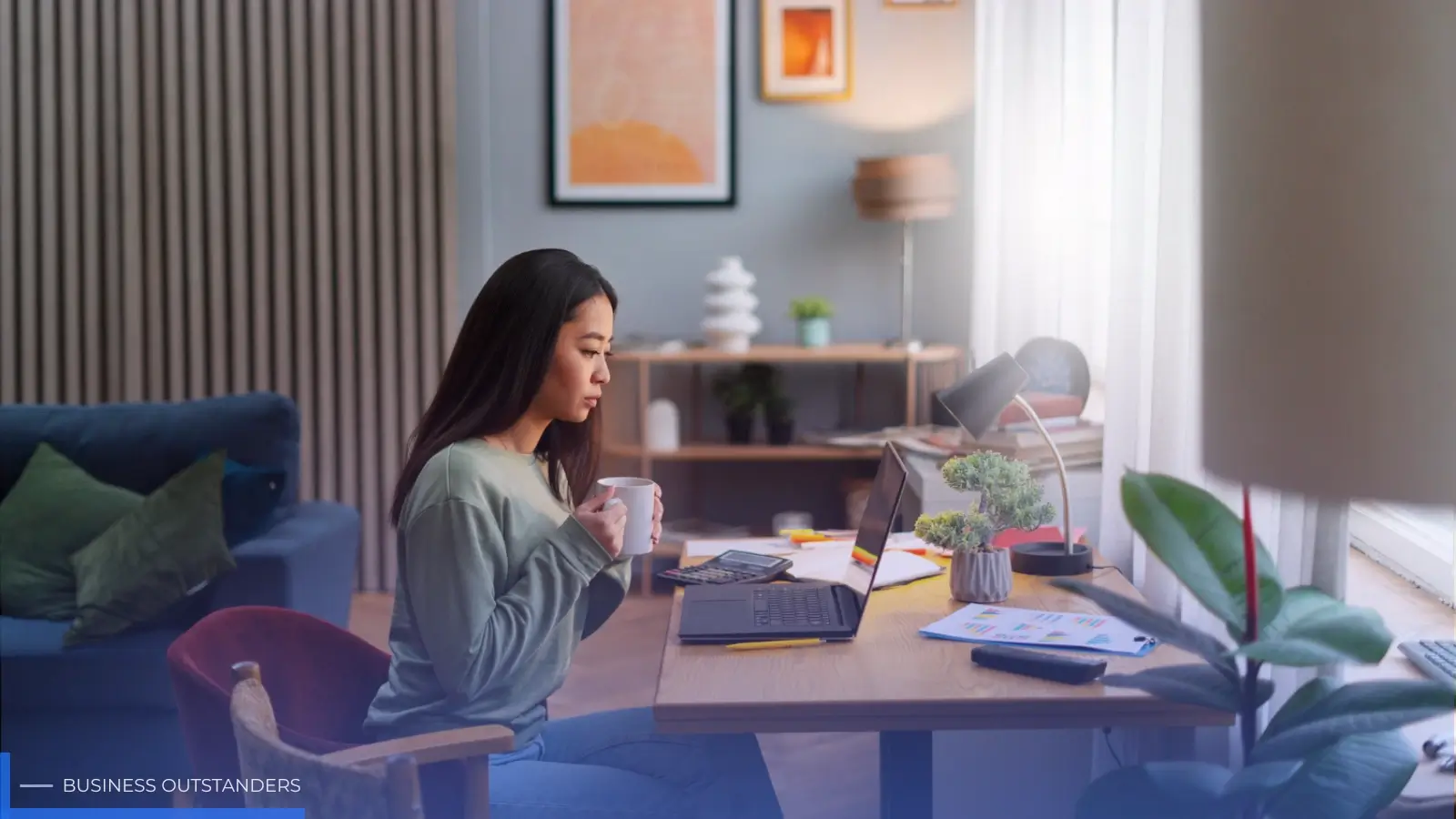
When millions of people started working from home, furniture stopped being background. A chair was no longer just a chair. A sofa was no longer just where you watched television. The kitchen table became a desk. The guest room became a video call room. The bedroom, for better or worse, became a place where emails were answered before breakfast.
At first, many people treated remote work as temporary. They dragged a dining chair to a laptop and made do. Honestly, most people were not thinking about furniture strategy. They were thinking about Wi-Fi, school schedules, noise, and whether the dog would bark during a meeting.
But temporary habits became lasting routines. Hybrid work settled in. Remote teams became normal. And little by little, the furniture market shifted.
The Home Became a Workplace, But Not Like an Office
Traditional office furniture has a clear job. It supports focus, meetings, storage, and long hours at a desk. Home furniture has a different job. It has to support real life. That means work, rest, family, guests, pets, hobbies, and the occasional laundry pile that somehow lives on a chair for three days.
That mixed-use changed what buyers wanted.
People did not always want their homes to look like corporate offices. A big gray task chair in the corner of a cozy living room can feel a bit strange. So homeowners started looking for pieces that blended in. They wanted desks that looked like consoles, shelves that hid clutter, and chairs that were comfortable enough for calls but attractive enough for the room.
This is where the market got interesting. The demand was not only for office furniture. It was for home furniture that could handle office behavior.
A side table needed space for coffee and a laptop. A sofa needed better back support. A reading chair needed to work for deep thinking, phone calls, and late-night streaming. Even lighting became part of the furniture conversation because nobody wants to look tired and shadowy on a video call at 10 a.m.
For business owners watching consumer behavior, this shift matters. It shows how work culture changes spending habits in quiet, practical ways.
Comfort Started Carrying More Business Weight
Here’s the thing. When people worked in offices, their discomfort was often hidden inside a larger system. The company bought the chair. The facility team chose the desk. The employee adjusted, complained a little, and kept going.
At home, discomfort feels personal. You notice it faster. Your back hurts. Your neck gets stiff. Your wrists ache. Then you start thinking, “Maybe this chair is the problem.”
That one thought helped push furniture spending in a new direction.
People began buying pieces for comfort, not just style. But comfort did not mean sloppy. It meant supportive. It meant flexible. It meant furniture that helped the body move between work and rest without making the room feel like a clinic.
This is why lounge seating gained new attention. A person might work at a desk for focused tasks, then move to a recliner to read reports, review documents, join a casual call, or take a real break. The old idea that productivity only happens at a desk feels less true now.
That does not mean every sofa is a workstation. It means buyers are asking better questions. Can this chair support my back? Can I sit here for an hour without sinking into it? Does it fit the look of my room? Does it help me reset after staring at a screen?
For people creating a work-friendly home without making it feel stiff, seating choices became more thoughtful. Some shoppers now look to buy stressless recliners because they want seating that works for quiet breaks, reading, calls, and after-hours recovery without turning the living room into a boardroom.
That is a major change. Furniture is no longer only about filling space. It is about supporting the rhythm of the day.
Flexible Rooms Became More Valuable Than Perfect Rooms
Before remote work grew, many homes had rooms with fixed labels. Living room. Dining room. Guest room. Office, if there was enough space.
Now those labels bend.
A dining room becomes a proposal-writing room by day and a family dinner space by night. A media room becomes a place for training sessions, gaming, and Sunday movies. A spare bedroom works as a guest space twice a year and a full-time work zone the rest of the time.
This pushed demand for furniture that moves, folds, hides, or serves more than one purpose.
Think nesting tables, wall-mounted desks, storage benches, sleeper sofas, modular sectionals, rolling carts, and cabinets that hide printers. These are not flashy products. They are practical products. And practical is powerful when homes are doing more than they used to.
The furniture market also saw more interest in pieces that create boundaries. A bookshelf can divide a room. A screen can hide a work corner. A compact desk can signal, “This is where work starts and stops.”
That matters because remote work created a strange emotional problem. Work got closer. Too close, sometimes. When your laptop is always in sight, it can feel like the workday never fully ends. Furniture became one way to create separation.
A simple cabinet door can hide the office. A chair can mark a reading corner. A rug can tell your brain, “This area has a different purpose.”
You know what? That kind of design is not fancy. It is survival with better lighting.
Home Spending Became Tied to Work Identity
Remote work also changed how people saw themselves at home. If you spend most of your working week in your house, the house starts to reflect your professional identity.
People cared more about backgrounds. Not in a vain way, though there was some of that too. A clean, calm video call background helped people feel prepared. Bookshelves, art, plants, lamps, and accent chairs became part of a new kind of work presentation.
The furniture market responded with items that looked polished without feeling formal. Warm wood desks. Soft office chairs. Slim shelves. Better cable management. Smaller tables for apartments. Bigger sectionals for households where everyone seemed to be home at once.
This shift also affected price tolerance. A person who once delayed buying a better chair suddenly saw it as a work expense. A couple renovating a spare room saw it as an investment in daily function. Small business owners and freelancers treated home design as part of their operating setup.
And yes, budgets still mattered. Not everyone built a dream office. Many people bought one good chair, one better lamp, or one storage piece to calm the mess. That is still market movement. Small purchases across millions of homes add up.
Retailers that understood this did better than those that only pushed “home office” as a narrow category. The winners saw the whole home changing.
Retailers Had to Sell a Feeling, Not Just a Product
Furniture retailers also had to adjust how they talked to customers. The old sales pitch often leaned on size, material, color, and room type. Those details still matter. But remote work added new buying motives.
Customers wanted to know how a piece would feel at 3 p.m. after five calls. They wanted to know whether a desk would fit in a bedroom without making the room feel cramped. They wanted to know if a chair looked good on camera and still felt good while reading a report.
So the buying journey became more personal.
Online furniture shopping grew because people were already living online for work. But furniture is still physical. You sit on it. You touch it. You move around it. That made reviews, videos, room photos, measurements, and return policies more important.
Business owners can learn from this. When a market changes, the product may stay almost the same, but the reason people buy it changes. A chair is still a chair. But now it is also posture support, work-life separation, personal branding, and a small defense against burnout.
That is a lot for four legs and a cushion.
The Design Shift Is Bigger Than the Home
Near the bottom of this change sits a wider trend: people now expect spaces to do more. They expect comfort, function, and atmosphere in the same room. That does not stop at home offices or media rooms.
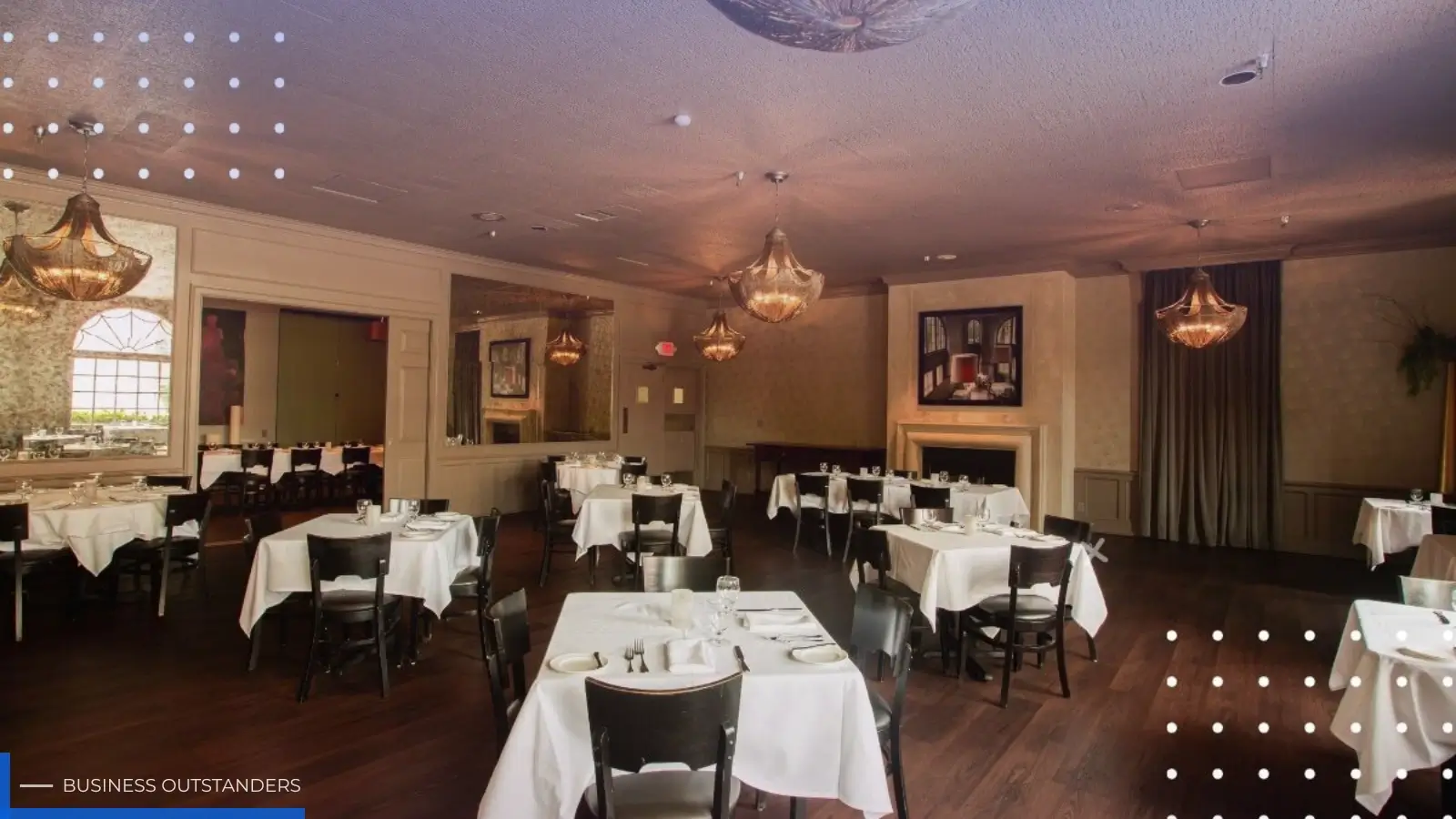
You can see a similar expectation in event spaces, too. Guests want places that feel warm, useful, and easy to move through. Couples comparing wedding venues in kingwood tx are not only looking at scenery. They are also thinking about flow, seating, comfort, photos, and how the space feels for a full day.
This is related to the furniture story, even if it sounds like a small side road. Design expectations travel. When people get used to flexible, comfortable homes, they carry those standards into offices, hotels, restaurants, and event venues.
That is why searches for new mexico wedding venues often come with a quiet design checklist. People notice the seating, the gathering areas, the views, the indoor-outdoor feel, and whether guests can relax without feeling packed into a stiff room.
The same thinking applies in wine country, ranch settings, and destination properties. When couples look at placerville wedding venues, they are also reading the space like a home for the day. Is it beautiful? yes. But is it comfortable? Does it support movement, conversation, meals, photos, and rest? Those questions sound familiar because remote work taught people to judge spaces by how they actually live in them.
What This Means for the Furniture Market Next
Remote work did not create the need for comfort. People always wanted comfortable homes. What changed is the pressure placed on the home.
The living room now carries work stress. The spare room carries business goals. The reading corner carries recovery time. Furniture has to keep up.
For the furniture market, that means the strongest products are not only stylish. They are useful across different moments of the day. They support posture, storage, focus, rest, and a sense of calm. They also fit into real homes, not showroom fantasies.
For business owners, the lesson is simple. When daily habits change, markets change with them. Sometimes the shift is loud, like a new app or a major technology. Sometimes it is quiet, like someone replacing a wobbly chair because their back hurts after another video call.
Remote work quietly changed the furniture market because it quietly changed the home. And once people experience a home that supports work and rest, they do not want to go backward.
Business Outstanders brings you sharp insights on tech, business, entrepreneurship, law, crypto, and more. We uncover what’s next. Stay updated, sign up for our newsletter and be part of the future!