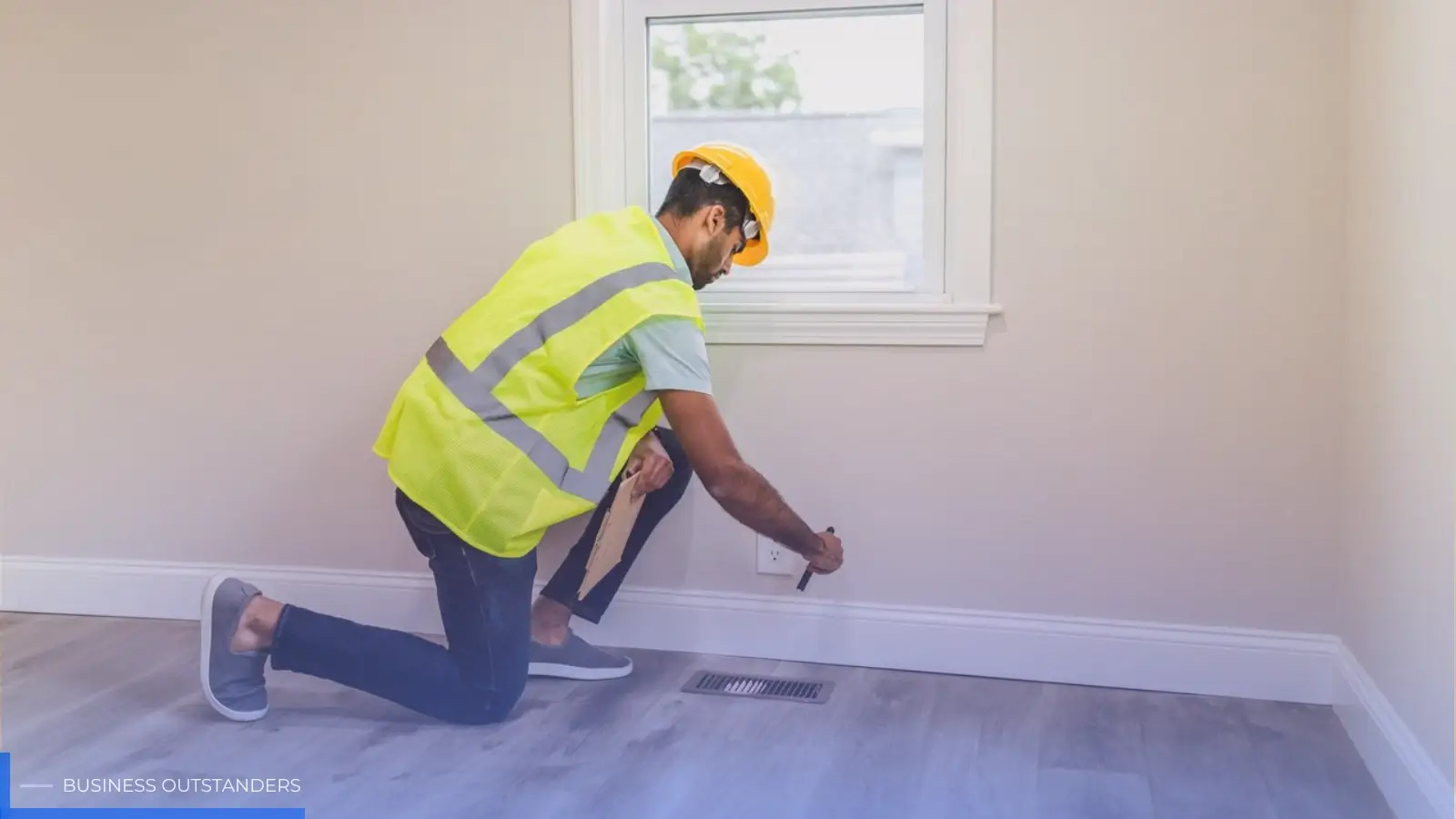
Buying your first property feels big. It should. Whether you bought a small rental, a fixer-upper, a family home, or a starter investment, you’re now holding something that can grow in value over time. That’s exciting, but it also comes with one not-so-glamorous truth: the parts you can’t see often matter more than the parts you can.
New cabinets look great. Fresh paint changes the mood fast. New floors can make an old room feel alive again. But if termites are chewing through the bones of the property, those upgrades are like putting a sharp suit on a cracked frame. It looks good for a while, then the real bill shows up.
That’s why first-time property owners need to think about termites before renovation starts, not after.
Don’t Let Pretty Plans Distract You From The Bones
Renovation planning usually starts with the fun stuff. Kitchen colors. Bathroom tile. Light fixtures. Maybe a new deck. Maybe a wall comes down to open the space. You can almost smell the fresh lumber and paint.
But here’s the thing. Termites do not care about your Pinterest board.
They work quietly. They often hide behind walls, under floors, near crawl spaces, around damp wood, or close to foundation areas. By the time damage becomes visible, the problem has often been active for a while. For a first-time owner, that can turn a simple remodel into a financial gut punch. Understanding how termite control works can help property owners identify risks early and reduce the chances of costly structural damage.
Before you invest in cosmetic upgrades, inspect the structure. Look at baseboards, window frames, door frames, joists, subfloors, beams, decks, porches, and any wood that touches or sits close to soil. If the property has a crawl space, check it. If there’s a basement, check it. If there’s old moisture damage, check harder.
Renovation is not just about making a place look better. It’s about protecting what you already bought.
Termites Are A Business Risk, Not Just A Home Problem
Business Outstanders readers often think in terms of assets, costs, returns, and risk. That’s the right mindset here.
A termite issue is not just a pest issue. It affects property value, rental income, renovation budgets, resale timelines, insurance conversations, and tenant satisfaction. If you’re a small landlord, termite damage can delay move-in dates. If you’re flipping a property, it can eat into profit. If you’re turning a home into a long-term rental, hidden wood damage can become a repair call at the worst possible time.
And honestly, no one wants to explain to a tenant why the floor feels soft near the back door.
What You Should Check Before Spending Big
Before you approve major renovation work, walk the property with a clear checklist. You don’t need to become a termite expert, but you do need to know what deserves attention.
Watch for:
- Mud tubes on walls, foundations, or crawl space supports
- Hollow-sounding wood
- Bubbling or uneven paint
- Soft floors near bathrooms, kitchens, doors, or laundry areas
- Discarded wings near windows or doors
- Wood that looks blistered, layered, or crumbling
- Moisture around exterior walls or under sinks
If you see these signs, pause the renovation plan. Get the issue reviewed before adding new finishes over damaged areas. This is where professional help matters. For example, property owners looking at wood structure risks can review services like Modern Pest termite treatment as part of a responsible property care plan before making larger upgrade decisions.
That’s not the exciting part of ownership, sure. But it’s the part that saves money.
Moisture Is Usually Part Of The Story
Termites and moisture often travel in the same circle. Damp wood attracts trouble. Poor drainage, leaking pipes, clogged gutters, cracked exterior seals, and bad ventilation can make a property more inviting to pests.
So if your renovation plan includes flooring, drywall, cabinets, or built-ins, ask one simple question first: where is the water going?
Water should move away from the property. Gutters should drain cleanly. Crawl spaces should stay dry. Bathrooms and kitchens should have good ventilation. Wood should not sit directly against soil. Landscaping should not trap moisture against siding.
This sounds basic because it is basic. But basic things protect expensive things.
A first-time owner sometimes focuses on visible upgrades because those are easier to understand. A new countertop has a clear price. A termite inspection feels less tangible. But hidden moisture and pest issues can cost far more than the pretty upgrades you planned.
Renovation Timing Can Make Or Break Your Budget
The order of work matters. If you install new floors before checking the subfloor, you risk paying twice. If you add custom cabinets before checking wall damage, you risk removing them later. If you build a deck without checking for termite activity near the foundation, you can extend the problem instead of improving the property.
A smart renovation timeline starts with inspection, repair, prevention, and then design.
That order is not flashy. It also works.
First, inspect the property for termites, water damage, foundation-adjacent issues, and wood rot. Next, fix the source of the problem. After that, repair or replace damaged materials. Then move into cosmetic work.
You know what? This is where patience pays. Many new owners feel pressure to renovate fast, especially if they plan to rent or resell. But rushing past the structural phase is like skipping the engine check before painting a car. It may look better, but it won’t perform better.
Think Like A Landlord, Even If You Live There
Even if this is your personal home, think like a landlord for a moment. A good landlord protects the asset before decorating it. That mindset helps you make calmer decisions.
Ask yourself:
- Will this upgrade still matter if there’s hidden damage behind it?
- Does this repair protect the property long term?
- Am I improving value or just improving appearance?
- What problem will become worse if I ignore it for six months?
These questions keep your budget grounded. They also help you avoid emotional spending. First-time owners often want the property to feel “done” fast. That’s natural. You want it to feel like yours. But real ownership means dealing with the boring stuff, too.
And sometimes the boring stuff is where the real money is.
Renovated Spaces Often Become Social Spaces
Once the heavy repairs are handled and the renovation comes together, the property starts to serve a bigger role. Homes host birthday dinners, holiday visits, small backyard parties, tenant move-ins, family weekends, and sometimes even business-related gatherings. A well-kept property becomes part of people’s lives, not just a line on a spreadsheet.
That’s why structural care matters before the fun begins. The same thinking applies when people choose larger event spaces. A couple searching for a wedding venue central texas will usually notice the beauty first, but comfort, upkeep, and reliability help shape the full experience.
Property owners can learn from that. Pretty matters, yes. But people remember when a space feels solid, clean, safe, and easy to enjoy.
In the same way, someone planning a nashville wedding often looks beyond photos. They care about flow, weather plans, guest comfort, parking, lighting, and the general feeling that the place has been cared for. Your renovated property works the same way, just on a smaller scale.
And if you’ve ever seen a rustic venue like the barn on new river, you know charm depends on maintenance. Wood can be beautiful. Old beams can give a space warmth and character. But wood also needs protection, inspection, and care. That’s the quiet lesson for homeowners, too.
The Smartest Upgrade Is The One That Protects The Property
First-time property owners don’t need to fear termites. They just need to respect the risk.
Before you renovate, look deeper. Check the wood. Check the moisture. Check the foundation areas. Bring in the right professionals when warning signs appear. Then build your renovation plan on a property that can support it.
Fresh paint is nice. New floors are nice. A modern kitchen is nice.
But a sound structure is better.
When you protect the bones of the property first, every upgrade after that has more value. Your money works harder. Your risk drops. And your renovation becomes more than a visual improvement. It becomes a smarter investment.
Business Outstanders brings you sharp insights on tech, business, entrepreneurship, law, crypto, and more. We uncover what’s next. Stay updated, sign up for our newsletter and be part of the future!