For years, personalization often arrived toward the end of a project through furniture selections, finishes, décor choices, and styling decisions. Today, homeowners are pushing those conversations much earlier. They’re no longer asking how to personalize a completed house. They’re asking how the house itself can be shaped around their routines, priorities, and long-term plans before construction even begins.
This change is particularly visible in places like the Hamptons, where architecture is often expected to deliver both visual sophistication and highly functional living. Homeowners are spending more time discussing how they entertain, work, relax, host guests, store belongings, and navigate everyday life before floor plans are finalized. And all of this results in a more intentional approach to residential construction, one where personalization influences structural decisions, spatial relationships, and design direction from the earliest stages of the project rather than being layered on afterward.
Turning Ideas into Reality
Design inspiration is easier to find than ever. Homeowners can save hundreds of images, explore virtual tours, and collect ideas from architecture platforms within a matter of hours. The challenge often lies in transforming inspiration into a home that functions effectively on a specific property while supporting real-world living needs.
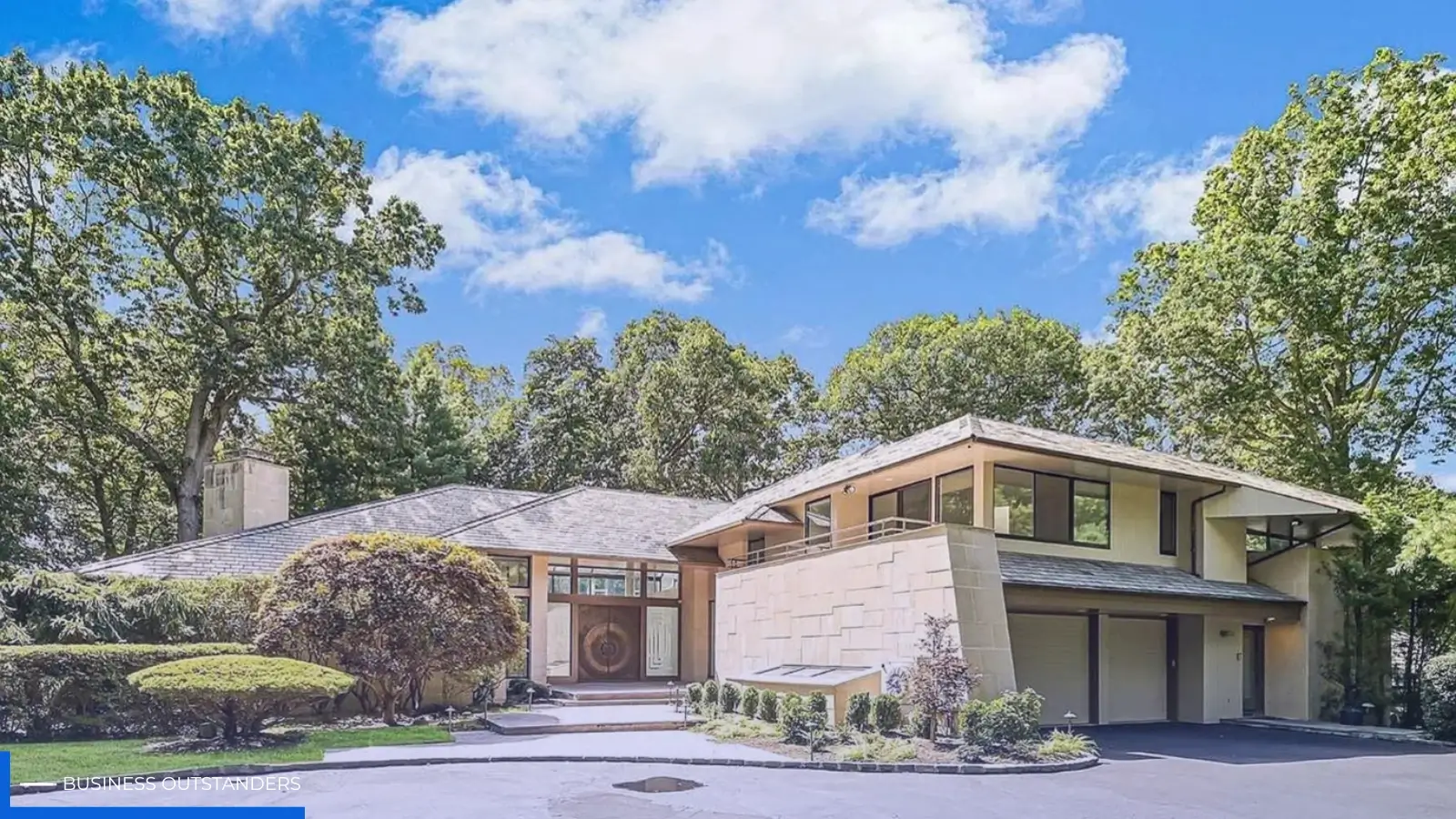
And this is why professional guidance becomes particularly valuable, especially when pursuing Hamptons modern home design concepts. The style often combines coastal influences, contemporary detailing, generous natural light, indoor-outdoor connectivity, and carefully balanced proportions. Translating those visual qualities into a practical construction plan requires more than selecting appealing images. Designers, architects, and construction professionals help evaluate site conditions, orientation, circulation patterns, structural requirements, and lifestyle priorities to create a home that feels cohesive from every angle. The most successful projects often emerge when design ambition and construction expertise begin working together early rather than independently.
Designing Around the Way People Live
One of the most noticeable changes in residential construction is the growing influence of lifestyle planning on structural design. Homeowners are increasingly discussing how spaces will function before conversations move toward finishes or decorative details.
A family that regularly hosts extended gatherings may prioritize larger entertaining zones and stronger connections between indoor and outdoor spaces. Someone working remotely several days each week may require dedicated work areas integrated naturally into the floor plan. Fitness routines, hobbies, wellness practices, and multi-generational living arrangements are all influencing how homes are configured. These priorities are affecting foundational decisions such as room placement, circulation paths, ceiling heights, window positioning, and structural layouts.
Making Big Decisions Earlier
Traditionally, many layout adjustments occurred after initial plans were developed. That process often created revisions, delays, and additional complexity as homeowners refined their vision during later stages of the project. Today's clients are approaching the process differently.
Many homeowners now want clarity around room relationships, traffic flow, privacy needs, storage expectations, and future flexibility before construction documentation is finalized. Digital visualization tools, advanced rendering technology, and collaborative planning sessions allow people to evaluate how spaces may function long before ground is broken.
Collaboration Before Construction
Construction projects are becoming increasingly collaborative during the planning phase. Early design workshops have gained popularity because they create opportunities for homeowners, architects, interior designers, and builders to discuss priorities together before critical decisions are locked in.
Discussions may focus on entertaining habits, storage challenges, family routines, future life stages, wellness goals, technology integration, and long-term flexibility. The purpose is to develop a more complete understanding of how the home will be used over time. This collaborative approach often reduces disconnects between design aspirations and construction realities because key stakeholders are contributing perspectives earlier in the process.
Function First
Storage, organization, and functionality are moving higher on the list of construction priorities because homeowners are increasingly interested in how their homes support daily living behind the scenes. Beautiful spaces remain important, but attention is moving toward the systems that make those spaces work effectively.
Walk-in pantries, dedicated storage zones, integrated mudrooms, concealed organizational solutions, equipment storage areas, and specialized utility spaces are being considered much earlier than they once were. Homeowners are recognizing that convenience often originates from thoughtful planning rather than square footage alone.
Lifestyle Before Finishes
An interesting shift in residential planning is the order in which decisions are being made. In previous years, conversations often centered on countertops, flooring, cabinetry, and color palettes relatively early in the process. Today's homeowners are spending more time defining how they want to live before discussing the visual details of the home.
Questions about morning routines, entertaining habits, work schedules, wellness priorities, guest accommodations, and family interactions are helping guide the planning process. A homeowner who enjoys cooking may prioritize kitchen workflow and storage before selecting materials. Someone who values privacy may focus on spatial separation and circulation patterns first.
Technology Starts Early
Technology is no longer something added near the end of construction. It’s increasingly influencing decisions made at the earliest stages of planning. Homeowners are thinking about connectivity, automation, security systems, lighting controls, entertainment infrastructure, and energy management long before construction begins.
Modern homeowners often expect seamless integration rather than visible technology layered into completed rooms. Construction teams are responding by incorporating technological requirements into the framework of the home itself. The goal is to create environments where technology supports everyday living without dominating the design experience.
Entertaining Shapes Architecture
Entertaining has become a major influence on residential architecture, particularly among homeowners who view their homes as gathering places for family and friends. Rather than treating entertaining spaces as secondary features, many projects now place them at the center of design conversations.
This influence can be seen in the growing emphasis on connected living areas, expansive outdoor spaces, flexible dining environments, secondary preparation kitchens, and seamless transitions between indoor and outdoor settings. Homeowners are describing experiences they want to create rather than simply listing rooms they need. Architecture is responding by supporting social interaction, movement, comfort, and hospitality in ways that feel integrated into the overall design rather than separated from it.
Stronger Results Through Early Alignment
One of the most significant advantages of early personalization is the level of alignment it creates across the entire project team. Architects, consultants, and homeowners can work toward a shared vision when priorities are clearly established from the beginning.
This alignment often contributes to smoother decision-making throughout the construction process. Design choices, structural solutions, technology integration, and material selections can all be evaluated against the same set of goals. Rather than revisiting fundamental questions later in the project, teams can focus on refining and executing the vision already established.
Personalization is becoming one of the earliest and most influential parts of the planning process. Homeowners are defining how they want to live before discussing finishes, shaping floor plans around routines, integrating technology from the outset, and collaborating more closely with project teams during the design phase.
Business Outstanders brings you sharp insights on tech, business, entrepreneurship, law, crypto, and more. We uncover what’s next. Stay updated, sign up for our newsletter and be part of the future!