In the competitive landscape of commercial real estate, property management is no longer just about fixing what breaks. It has evolved into a strategic discipline where visual appeal and operational efficiency directly impact asset valuation. For Australian business leaders and facility managers in 2026, treating exterior upkeep as a sunk overhead cost is a financial misstep. Instead, proactive infrastructure investments can transition maintenance into a powerful driver of long-term value creation. In today's economic climate, where property valuations are closely scrutinised and tenant expectations are at an all-time high, maintaining pristine grounds is a foundational requirement for sustained commercial success.
Mechanisation and the Labour Shortage Equation
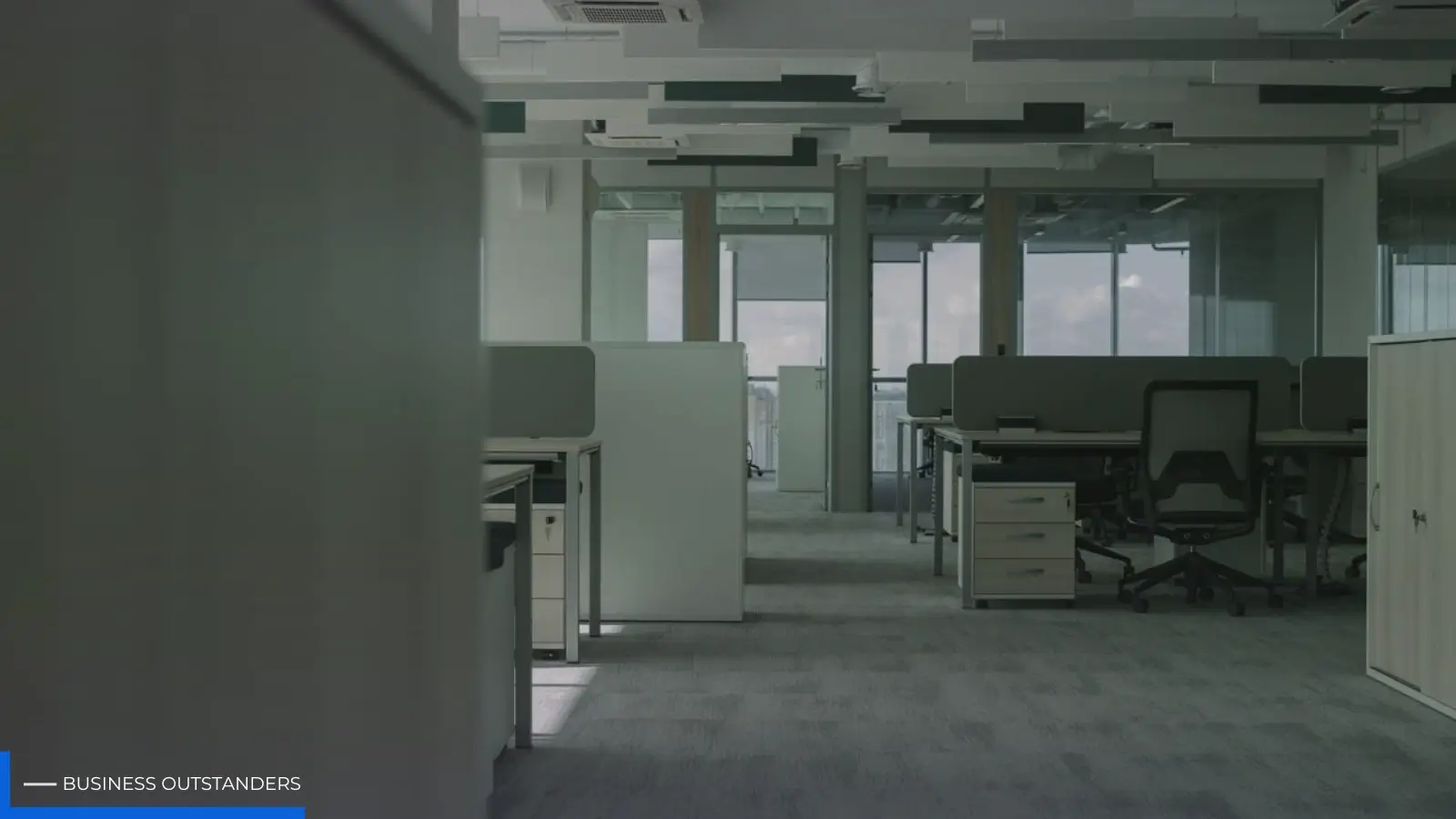
The commercial facility sector is currently navigating significant workforce challenges. Recent 2026 industry reports highlight that 72 percent of facility managers are experiencing moderate to severe operational impacts due to persistent labour shortages. With hourly worker replacement costs averaging thousands of dollars per employee, relying on manual sweeping and mopping is becoming economically unviable. The mounting pressure to maintain high standards with fewer personnel means facility leaders must completely rethink their operational frameworks. Relying on outdated manual processes not only drains financial resources but also places an unsustainable physical burden on the remaining workforce.
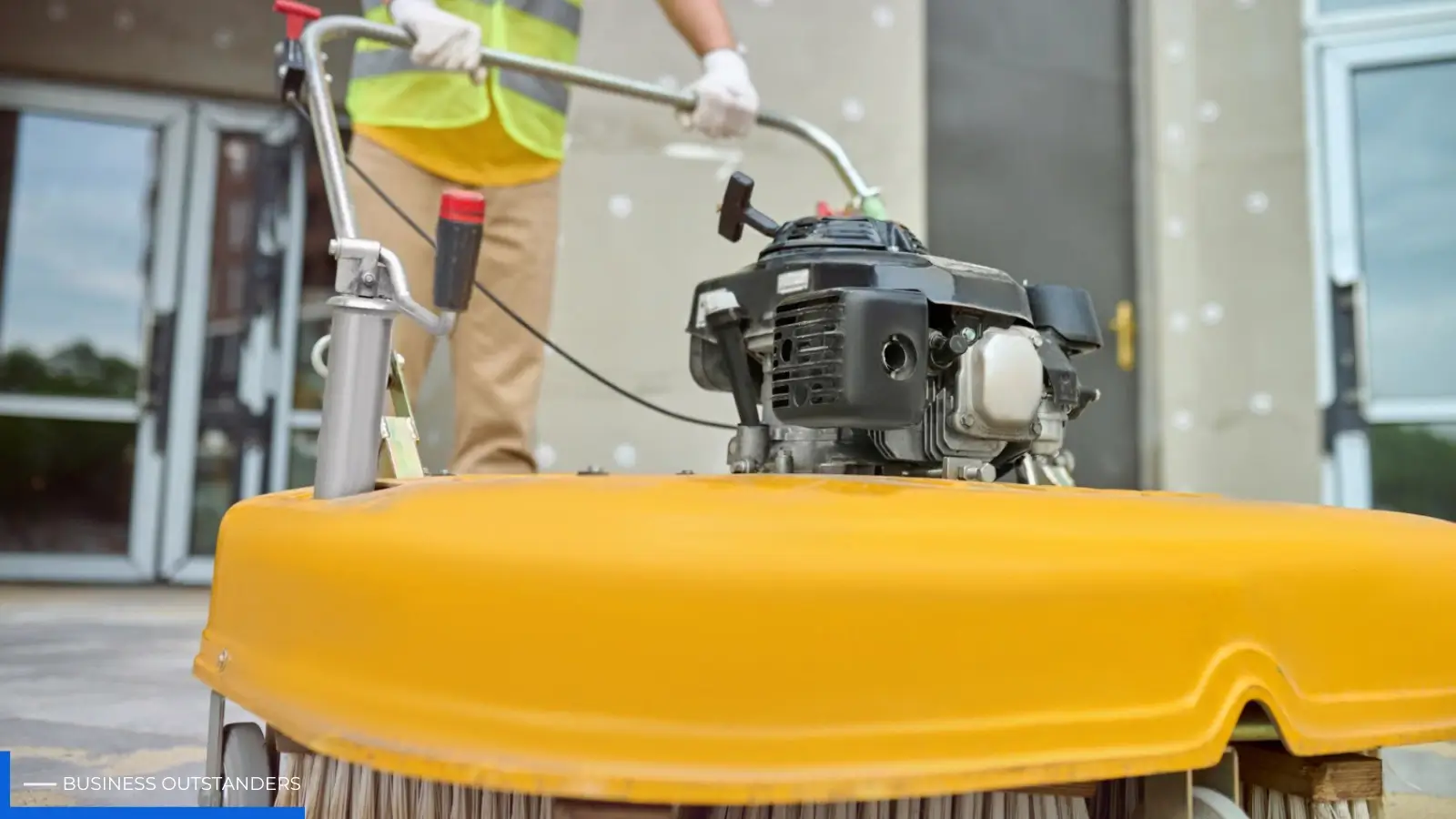
Upgrading from manual tools to modern, industrial outdoor cleaning equipment provides an immediate solution to these staffing constraints. Mechanising the maintenance process fundamentally changes the economics of facility management. Redirecting an employee away from just a few hours of daily manual sweeping can recapture approximately $15,600 in annual direct labour costs per worker. Furthermore, this reallocation of human resources allows facility managers to deploy staff toward higher-value tasks, such as detailed interior sanitation or tenant relations, which directly improve the overall user experience within the building.
Integrating automated or ride-on solutions offers several measurable operational advantages:
- Reduced Labour Hours: Moving from manual brooms to industrial ride-on sweepers typically cuts commercial cleaning time by 60 to 80 percent.
- Increased Output: A single industrial floor scrubber can efficiently complete the workload of three to five manual cleaners in the identical timeframe.
- Enhanced Safety: Eliminating manual mopping reduces the time surfaces remain wet, substantially lowering the risk of slip-and-fall liability claims.
- Lower Operating Costs: Modern lithium-powered units can decrease energy and operational expenses by up to 70 percent compared to older machinery.
Shifting from Reactive Repairs to Predictive Upkeep
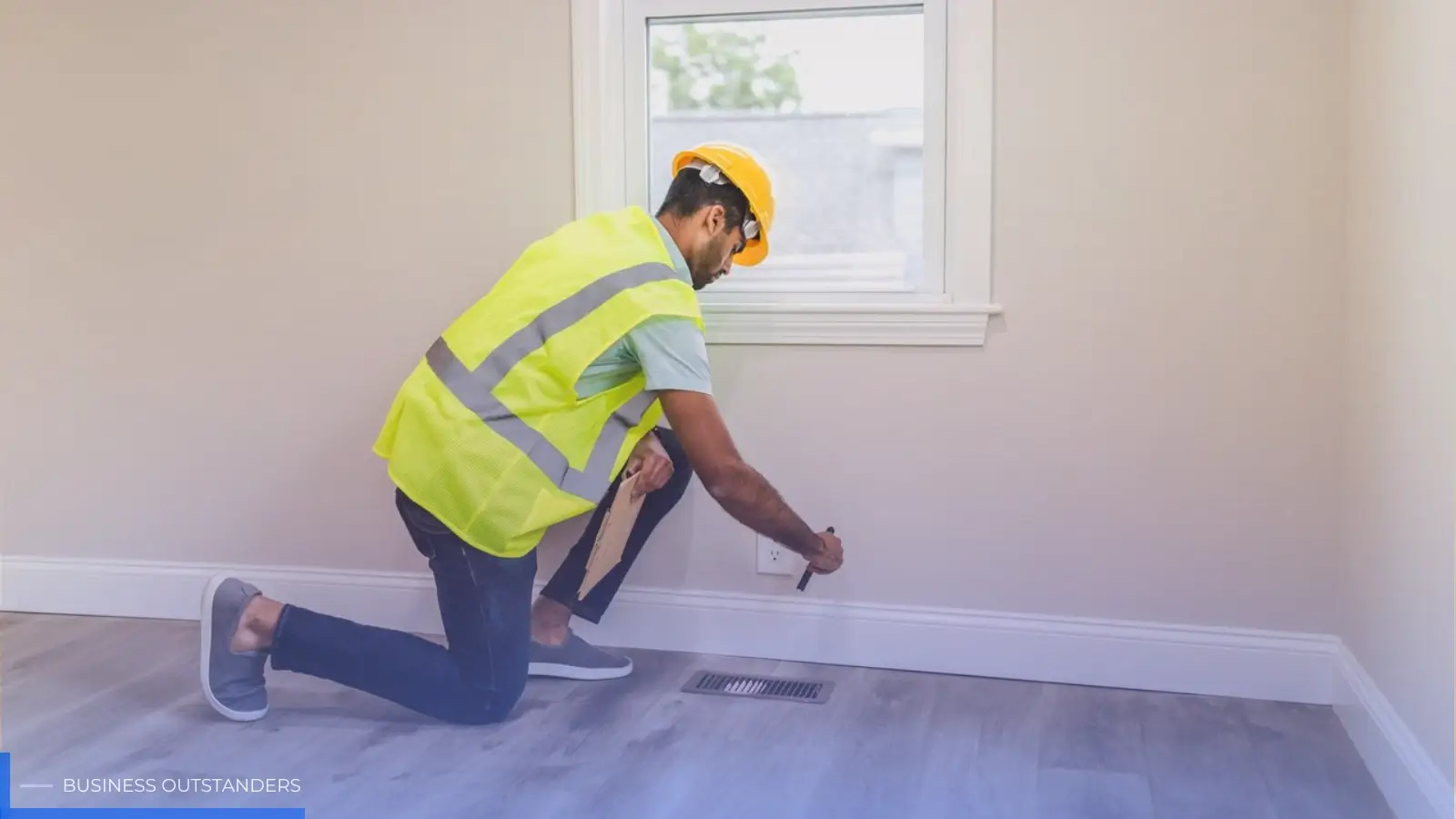
Transitioning a facility maintenance strategy from reactive repairs to predictive, scheduled upkeep is essential for preserving structural integrity. Hardscapes, concrete, and commercial pavements are highly susceptible to abrasive debris like sand and grit. Over time, allowing these materials to accumulate accelerates surface degradation, leading to expensive resurfacing projects. Preventative care measures, such as regular removal of corrosive elements, act as a vital buffer against premature wear and tear. Understanding property upkeep costs can help commercial real estate owners make more informed long-term maintenance decisions. When commercial real estate owners neglect these underlying maintenance needs, the compound effect of environmental damage can rapidly depreciate a building's overall market standing.
Financial data consistently proves that for every single dollar invested in routine preventative maintenance, commercial properties save an estimated $5 to $10 in emergency repairs and premature asset replacement. Implementing smarter asset tracking and scheduled cleaning routines acts as an insurance policy for your infrastructure. Adopting these proactive operational strategies is a critical component of long-term business sustainability, ensuring that commercial sites remain functional, safe, and cost-effective over their entire lifecycle.
The Tangible Returns on Exterior Aesthetics
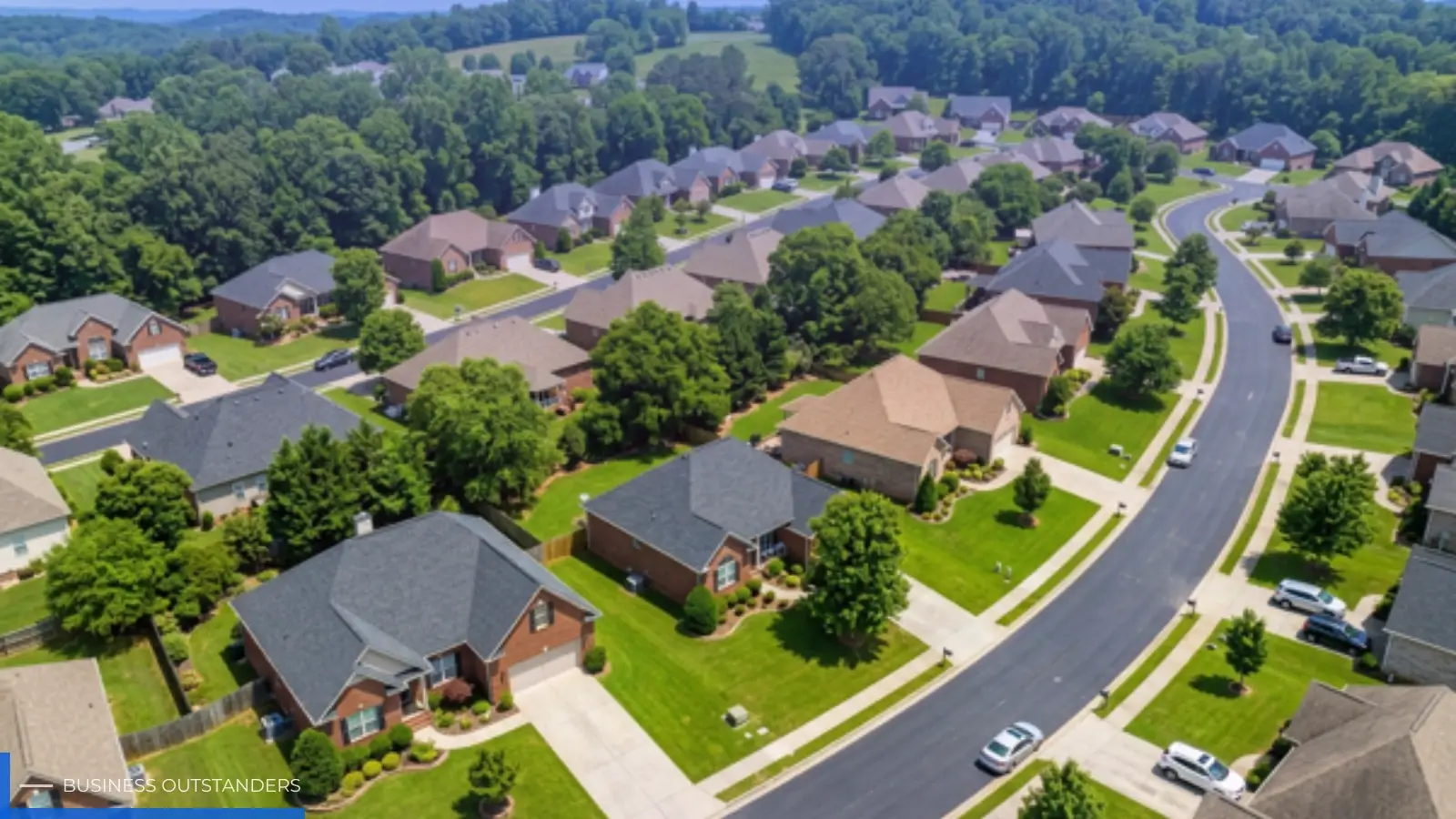
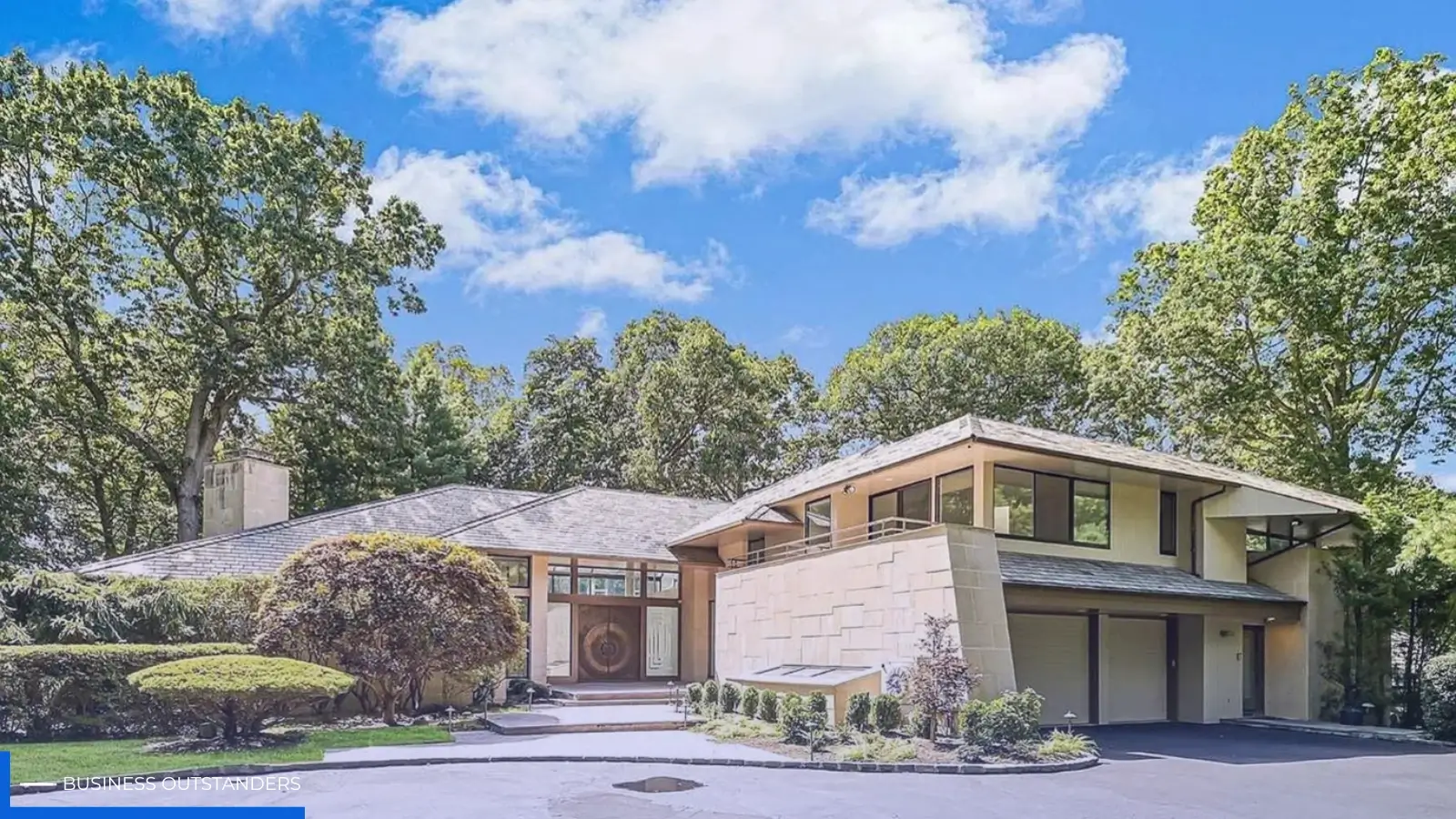
Beyond operational savings, premium exterior upkeep directly influences consumer behaviour and property valuation. High-quality landscape maintenance and exceptionally clean commercial environments can consistently boost overall property valuations by 15 to 20 percent. Furthermore, retail and commercial spaces that prioritise cleanliness often see a 14 percent increase in visitor foot traffic, with consumers willing to spend up to 12 percent more for goods and services due to the elevated brand perception. Clean, well-maintained surroundings signal professionalism and safety to visitors, subconsciously reassuring them of the property's overall quality and management standards. For retail precincts, this directly translates into longer dwell times and higher tenant sales performance.
Conversely, cutting corners on physical facility maintenance carries significant financial risks. According to an analysis of property operational data by CBRE, reduced expenditures in maintenance departments contributed to a noticeable decline in guest satisfaction regarding facility quality. This drop in perceived quality threatens a property's ability to command premium leasing rates and retain high-value commercial tenants.
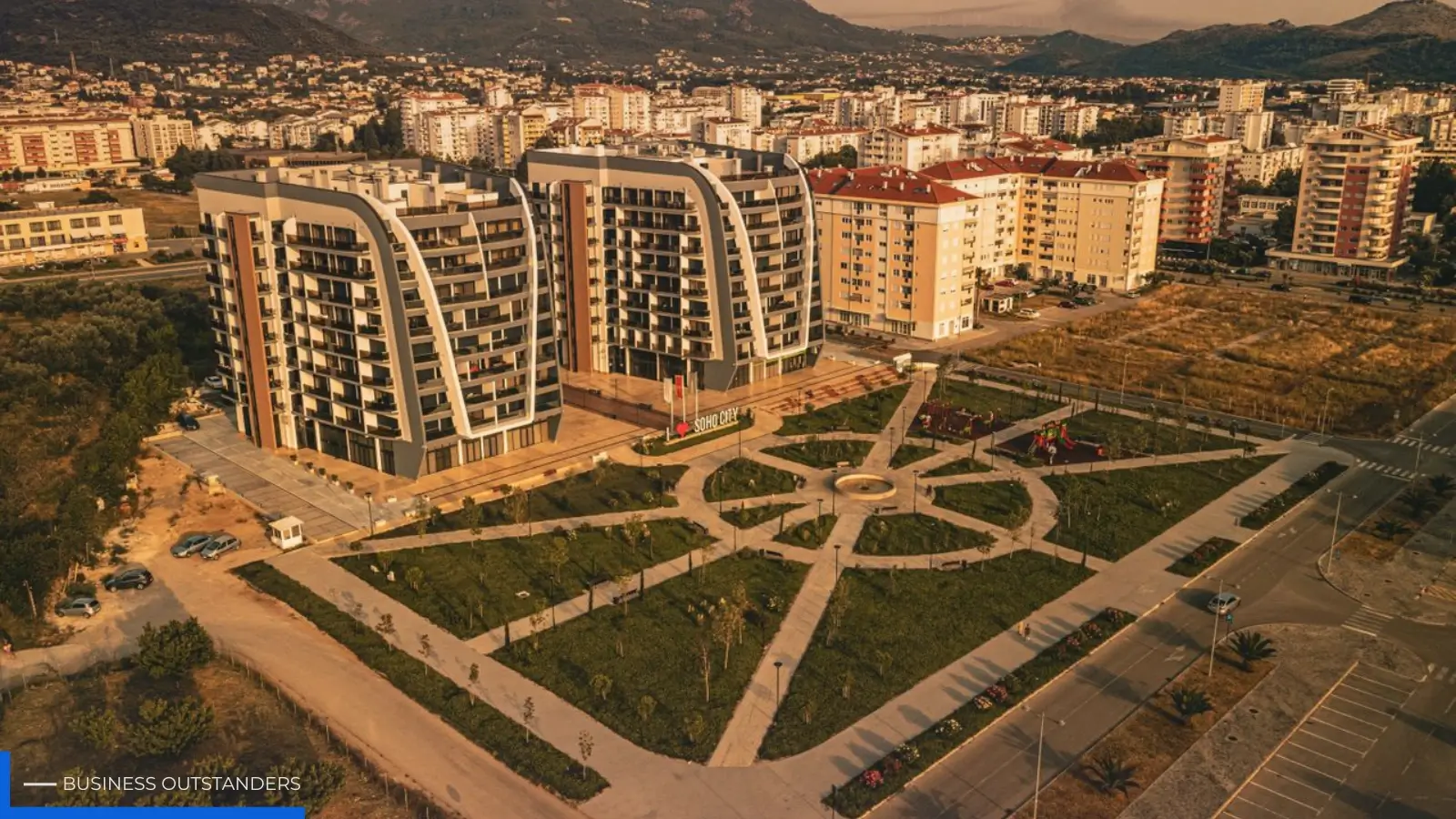
The Facility Management Association of Australia notes that the operational management of the built environment contributes over $32 billion to the national economy annually. Within this massive sector, the most profitable businesses are those that view exterior maintenance as an investment rather than a chore. By mechanising labour-intensive tasks, prioritising preventative care, and maintaining pristine curb appeal, commercial property leaders can protect their assets, optimise their operational budgets, and secure higher long-term financial returns. As the commercial real estate landscape continues to evolve, those who embrace modern mechanisation and proactive infrastructure care will undoubtedly lead the market in both asset longevity and sustained profitability.
Business Outstanders brings you sharp insights on tech, business, entrepreneurship, law, crypto, and more. We uncover what’s next. Stay updated, sign up for our newsletter and be part of the future!