Commercial properties are valuable assets that require ongoing attention to remain functional, attractive, and profitable. Most property owners and facility managers budget for obvious expenses such as utilities, cleaning services, and routine repairs.
However, many underestimate the hidden costs that gradually impact operating budgets. These expenses manifest as deferred maintenance, inefficient systems, landscaping needs, and more.
Over time, seemingly minor issues can compound into significant financial burdens. For instance, using artificial grass for landscaping or interior use is a growing trend. But instead of blindly following the trend, it is also important to ask how long can artificial grass last. Asking such questions can help you find the right product to install in a commercial building.
If you focus solely on visible maintenance expenses, you find yourself facing rising operational costs without understanding the underlying causes. Recognizing these hidden expenses and implementing effective management strategies can help you protect your investments while improving long-term financial performance.
Where Confusion Costs Money
One of the most misunderstood areas of commercial property expenses is common area maintenance, commonly called CAM. In commercial leases, operating expenses generally cover the costs associated with the daily operation, maintenance, and repair of the property.
Along with base rent, landlords frequently charge tenants CAM fees as an additional rental expense. This arrangement can create disputes regarding which costs qualify for inclusion.
Tenants often push back on CAM charges because the scope of what's included can vary significantly from one lease to the next. Common charges typically included in CAM are:
- Real estate taxes
- Property insurance
- Utilities for common areas
- Maintenance and repairs
- Janitorial services
- Security
- Property management fees
- Administrative charges
However, the specifics of what falls into each category are often negotiable and frequently disputed.
The risk here is that property owners who don't carefully define these terms in their leases may end up absorbing costs. Landlords and tenants should carefully review the operating expense clauses in their commercial leases.
Landscaping Charges Can Keep Growing
Outdoor spaces are treated as an afterthought in commercial property budgets. In reality, landscaping is one of the more dynamic cost centers a property manager has to deal with. It is subject to labor market pressures, material costs, and rising client expectations.
Some property owners are beginning to explore alternative ground cover solutions, like artificial grass, to reduce ongoing maintenance demands. According to Indy Artificial Turf, quality installations can remain functional for 15 to 20 years with minimal upkeep. This makes the upfront cost easier to justify against years of reduced labor and water expenses.
A recent industry report gathered feedback and perspectives from over 800 landscaping contractors operating throughout the United States and Canada. The findings indicate that the landscaping sector continues to perform strongly even as businesses contend with increasing expenses and workforce challenges.
Industry forecasts suggest that the U.S. landscaping market could generate nearly $200 billion in revenue by 2026. This growth is being driven by sustained customer interest and increased spending on thoughtfully designed outdoor environments.
Labor costs for landscaping construction typically fall between $50 and $120 per hour. At the same time, professional design services often command rates of $75 to $150 per hour or higher.
The Hidden Cost of Deferred Maintenance
Reactive maintenance is one of the most expensive habits in commercial property management. It feels like a cost-saving approach because nothing is being spent in the short term. But it's almost always more expensive over time.
Emergency repairs typically cost three times as much as planned work. A small problem that could have been addressed for a few hundred dollars can spiral into thousands.
A consistent preventive maintenance program is the most effective way to control these costs. This means scheduled HVAC servicing, regular roof inspections, plumbing checks, and exterior assessments.
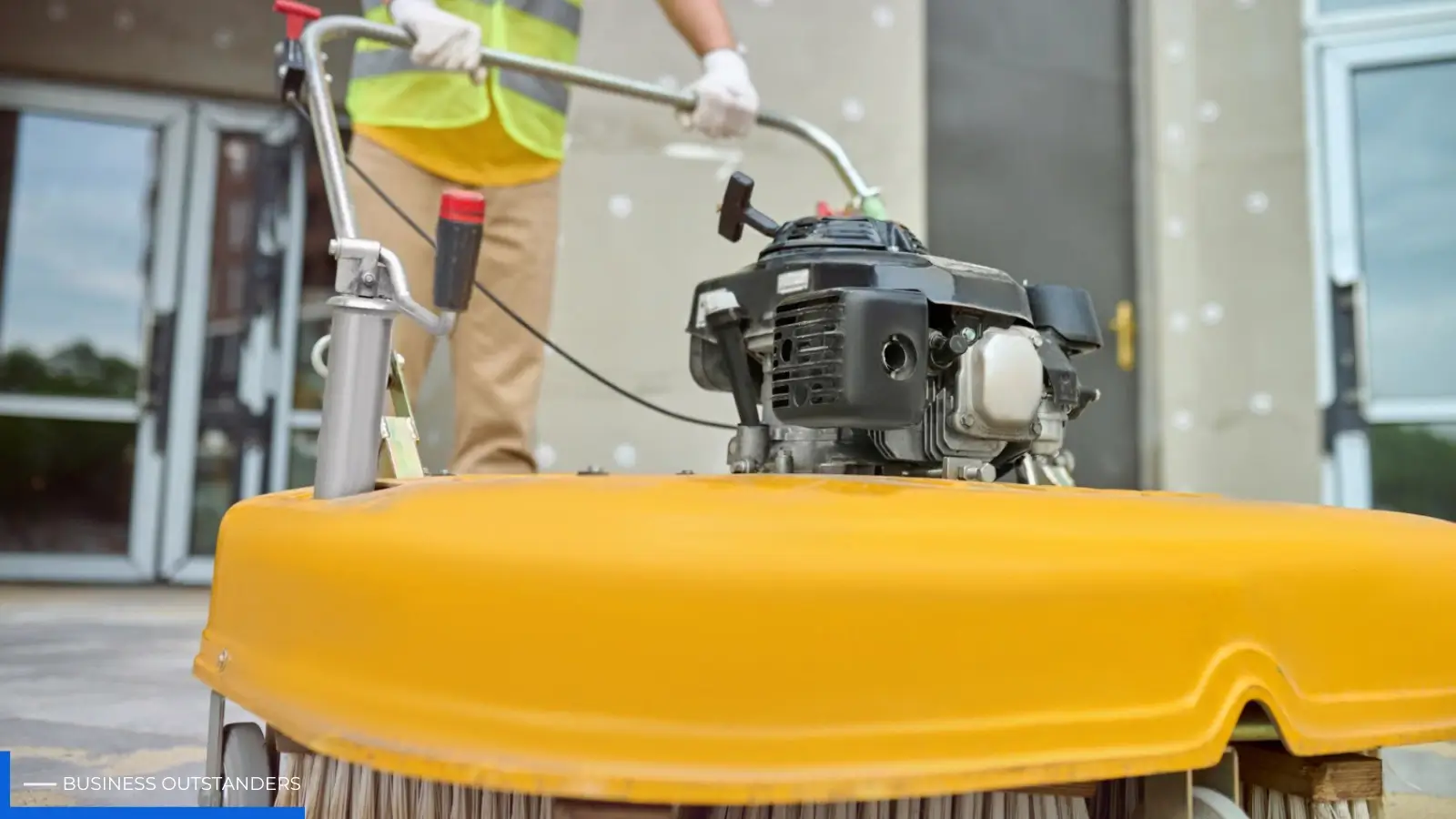
Technology is making this easier for commercial property managers. For example, drone technology helps reduce water consumption when washing a building’s exteriors. It also prevents damage to building surfaces and allows inspections to be carried out quickly and safely.
For exterior inspections, facades, and hard-to-reach surfaces, drone technology is becoming more popular for business and facility operations. It is helping improve efficiency, reduce costs, and enhance the overall management of physical spaces. What once required scaffolding or rope access can now be completed faster, more safely, and at a lower cost using aerial systems.
Climate Resilience and Rising Maintenance Costs
It's not just day-to-day wear that property managers need to budget for. Climate-related risks are adding a new layer of financial pressure. Floods, wildfires, extreme heat, and severe storms are damaging properties at increasing rates. The cost of retrofitting buildings to handle those stresses falls primarily on private owners.
Residential and commercial buildings together account for roughly 30% of greenhouse gas emissions. Both acute and chronic climate stresses can increase operating expenses for both owner-occupied and investor-owned real estate. Rising insurance premiums and declining availability of policies in certain states are examples of this.
Adaptation investments, such as elevating flood-prone structures, using fire-resistant materials, and reinforcing roofs, require upfront costs. But the alternative, absorbing the costs of repeated damage and insurance claims, is almost always more expensive.
The prospects for climate investments in commercial properties depend heavily on property owners' resources. Partnering with experienced contractors and staying informed about available tax credits and incentives for energy-efficiency improvements can help bridge that gap.
Not Upkeeping Commercial Properties Leads to Vacancies
Commercial properties don't just lose revenue when they sit vacant; they continue to accumulate costs. Utilities still run, security is still needed, and routine maintenance doesn't pause because a unit is unoccupied.
The U.S. office market is experiencing its highest vacancy rate in more than four decades. In 2024, it reached levels not seen since 1979. This trend is resulting in billions of dollars in unrealized rental revenue each year across key commercial real estate markets.
Vacant office properties are costing New York City an estimated $7.6 billion in rental income annually. Los Angeles, San Francisco, and San Jose rank next, each recording annual rental revenue losses exceeding $2 billion.
“The commercial real estate (CRE) industry has faced a myriad of uncertainties in recent years, primarily brought on by elevated interest rates and high inflation, shifts in how—and where—tenants occupy commercial space, the impacts of climate change on buildings, and the emergence of technologies like generative AI,” wrote Jeff Smith, US real estate leader at Deloitte.
Some owners are exploring adaptive reuse of underperforming commercial space as a longer-term solution. However, this process is difficult due to restrictive zoning, budget constraints, and building designs with limited natural daylight.
Frequently Asked Questions
How does inflation affect commercial property maintenance costs?
Inflation influences nearly every aspect of commercial property upkeep, including labor, construction materials, equipment, and contractor services. Even when a property requires the same level of maintenance year after year, rising prices can significantly increase operating expenses. Property owners who regularly review vendor contracts and update maintenance budgets are often better prepared to manage these ongoing cost increases.
Why is vendor management important for controlling property expenses?
Effective vendor management helps property owners maintain service quality while controlling costs. Long-term relationships with reliable contractors can lead to more predictable pricing, faster response times, and improved accountability. Regularly evaluating vendor performance and comparing service agreements can also help identify opportunities to improve efficiency without sacrificing maintenance standards.
What role does tenant feedback play in property maintenance planning?
Tenant feedback can provide valuable insights into maintenance concerns that may not be immediately visible during routine inspections. Occupants often notice comfort issues, lighting problems, noise concerns, or minor facility defects before they become larger problems. Maintaining open communication channels helps property manager address concerns early and improve tenant satisfaction.
Commercial Property Upkeep: Key Numbers at a Glance
|
Artificial grass lifespan |
15 to 20 years |
|
Projected U.S. landscaping market revenue (2026) |
Nearly $200 billion |
|
Cost of emergency repairs vs. planned maintenance |
Up to 3x higher |
|
Share of greenhouse gas emissions from residential and commercial buildings |
Approximately 30% |
|
U.S. office vacancy rate |
Highest since 1979 in 2024 |
|
Annual rental income loss from vacant offices in New York City |
$7.6 billion |
Hidden expenses in commercial property management are only hidden if you're not looking for them. Once you understand the patterns, they become predictable and, more importantly, manageable.
The property owners who control costs best are those who take a proactive stance. They audit regularly, invest in preventive maintenance, and make informed decisions about where to spend and where to save. With the right approach, what once felt like endless hidden bills can become a well-managed part of commercial property management.
Business Outstanders brings you sharp insights on tech, business, entrepreneurship, law, crypto, and more. We uncover what’s next. Stay updated, sign up for our newsletter and be part of the future!