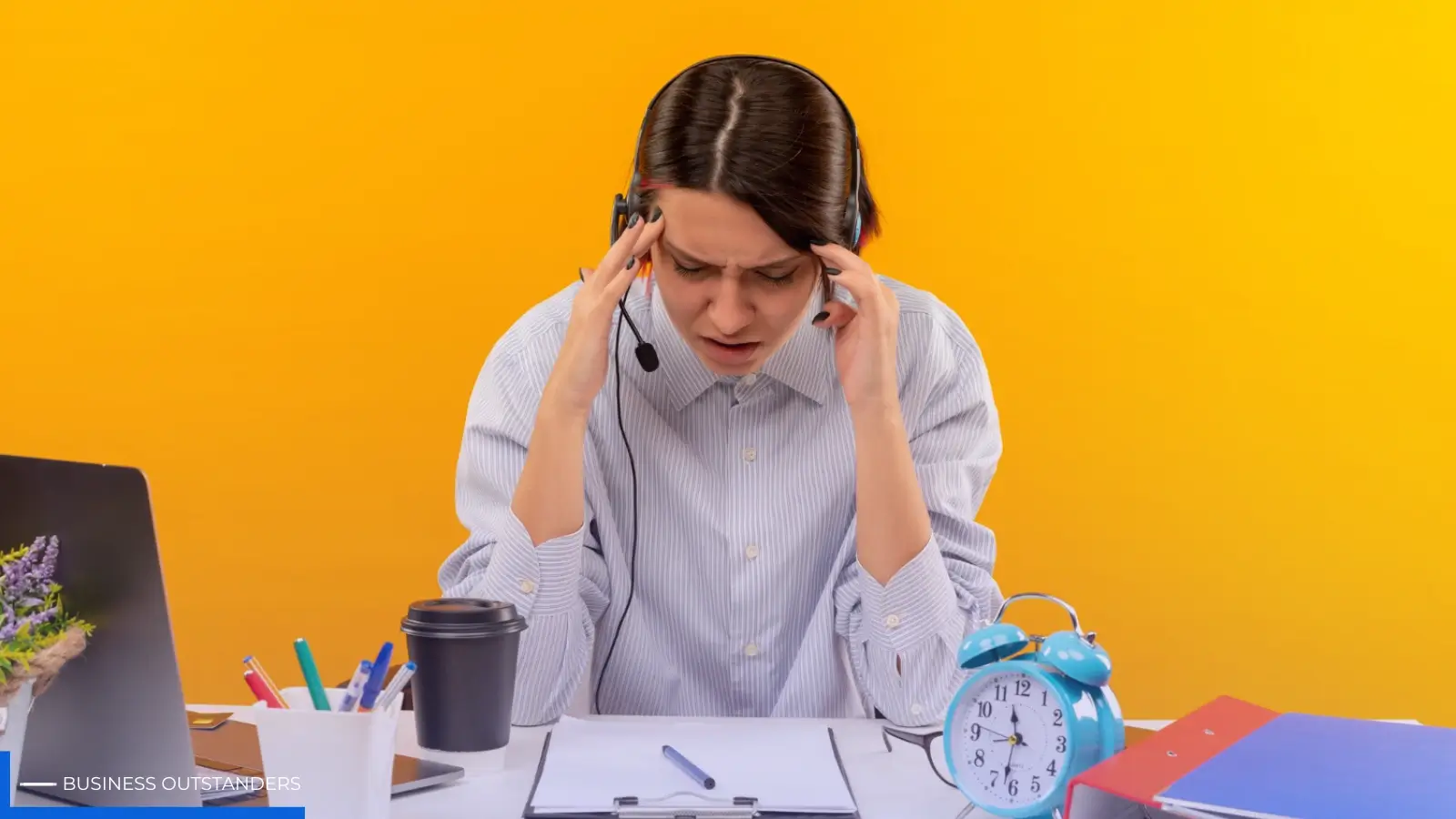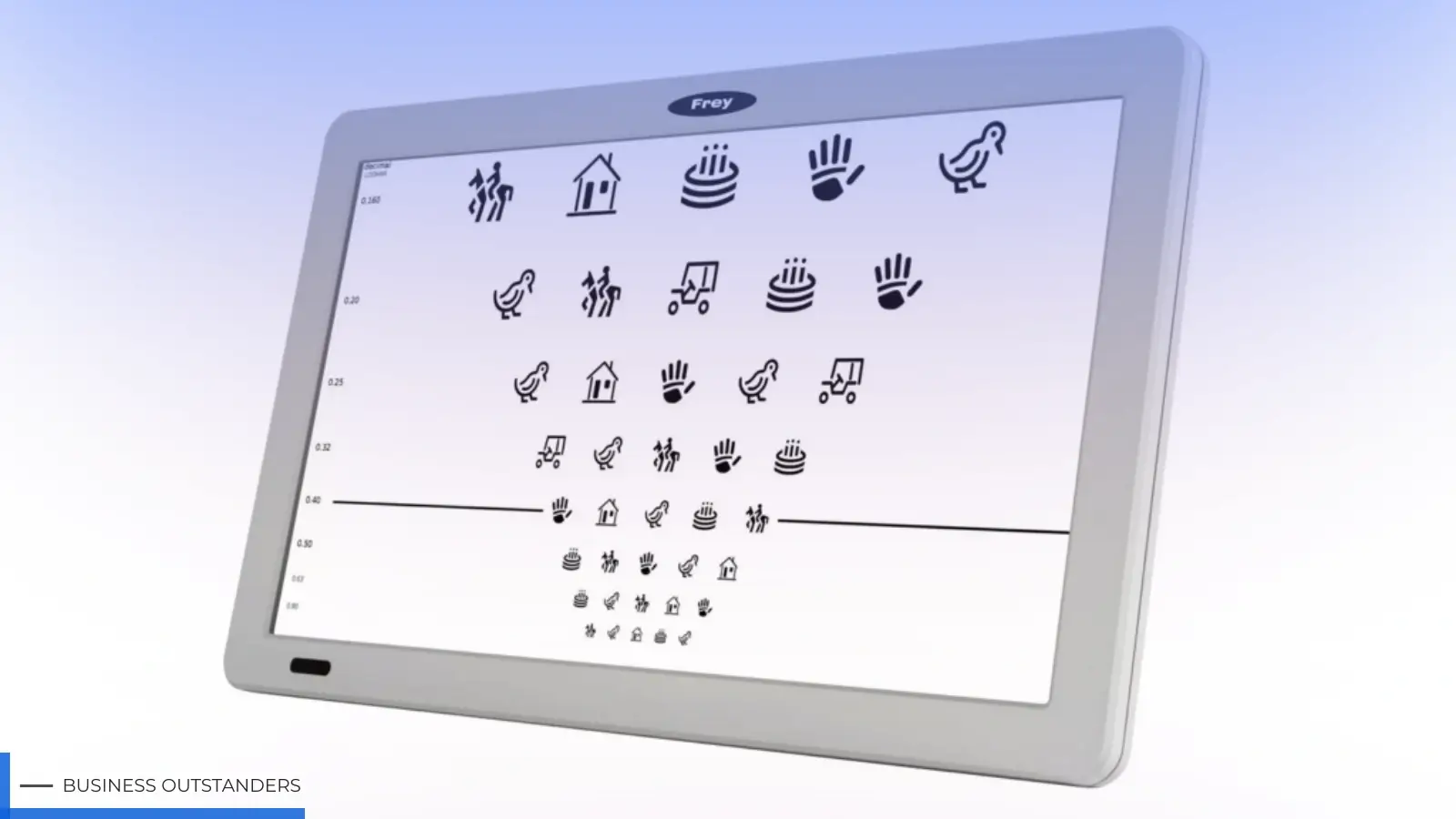
Eye fatigue has become increasingly common as more people spend their days working on computers, using smartphones, watching digital screens, and performing close-up tasks. While occasional tired eyes may seem like a minor inconvenience, ongoing eye fatigue can affect comfort, productivity, and overall wellbeing. People searching for eye strain treatment tips from Zoom Optics Sydney often discover that small changes to their daily routines can make a noticeable difference in reducing discomfort and supporting long-term eye health.
Modern lifestyles place significant demands on our eyes. Whether working in an office, studying, gaming, or scrolling through mobile devices, extended visual concentration can leave eyes feeling tired and strained. Fortunately, a few simple habits can help minimise eye fatigue and improve visual comfort throughout the day.
Understand What Causes Eye Fatigue
Eye fatigue, sometimes referred to as digital eye strain, occurs when the eyes become tired after prolonged periods of focused visual activity. While it is usually not a serious condition, it can be uncomfortable and affect daily performance. Common causes include extended screen use, poor lighting, glare, uncorrected vision problems, and insufficient visual breaks. When the eyes are required to focus continuously without rest, the muscles responsible for focusing can become fatigued.
Symptoms may include:
- Tired or sore eyes
- Blurred vision
- Headaches
- Dry eyes
- Difficulty concentrating
Understanding these causes is often the first step towards reducing eye discomfort.
Follow the 20-20-20 Rule
One of the most widely recommended strategies for reducing eye fatigue is the 20-20-20 rule. This simple habit encourages regular breaks from close-up visual tasks throughout the day. The rule involves looking at an object approximately 20 feet away for at least 20 seconds every 20 minutes. This allows the eye muscles to relax and reduces the strain associated with continuous near focusing.
Regular visual breaks can help improve comfort during long periods of computer use. Many people find that setting reminders or using break timer applications helps them establish this habit consistently. Small interruptions throughout the day can provide meaningful relief for tired eyes.
Remember to Blink More Often
Blinking plays an important role in maintaining eye comfort. Each blink helps spread tears across the eye's surface, keeping it lubricated and protected. Research has shown that people often blink less frequently when using digital devices. Reduced blinking can contribute to dryness, irritation, and increased eye fatigue, particularly during extended screen sessions.
Simple strategies to encourage healthy blinking include:
- Taking regular screen breaks
- Consciously blinking more often
- Looking away from screens periodically
- Maintaining adequate hydration
- Using lubricating eye drops when recommended
Supporting natural tear production helps maintain comfortable and more clearer vision.
Optimise Your Screen Environment
The way a workspace is set up can significantly influence visual comfort. Poor screen positioning, excessive brightness, and glare may all contribute to eye fatigue over time. Screens should generally be positioned at a comfortable viewing distance and slightly below eye level. Brightness settings should match the surrounding environment to reduce visual stress.
Good lighting also plays an important role. Excessively bright or dim environments may force the eyes to work harder than necessary. Creating a balanced visual environment helps reduce strain during prolonged tasks. Making small adjustments to a workspace can often improve comfort throughout the day.
Take Regular Breaks From Digital Devices
While many people focus on their screens for hours at a time, extended uninterrupted use can place considerable demands on the visual system. Taking short breaks allows both the eyes and the mind an opportunity to recover. Stepping away from screens periodically can reduce visual fatigue while also supporting posture, concentration, and overall wellbeing. Even brief breaks can provide meaningful benefits.
Ideas for screen breaks include:
- Going for a short walk
- Stretching
- Looking outside
- Performing non-screen activities
- Drinking water
These simple activities help reduce continuous visual demands and encourage healthier work habits.
Ensure Your Vision Prescription Is Up to Date
In some cases, eye fatigue may be linked to vision issues rather than screen use alone. Wearing an outdated prescription can force the eyes to work harder to maintain clear focus. Regular eye examinations help ensure that vision correction remains appropriate for current needs. Updated prescriptions can improve visual clarity and reduce unnecessary strain during reading, computer work, and other close-up tasks.
An eye examination may also identify other factors contributing to discomfort, allowing appropriate recommendations to be made. Maintaining accurate vision correction supports both comfort and long-term eye health. Clear vision often reduces the effort required during daily visual activities.
Support Overall Eye Health Through Healthy Habits
General health and lifestyle habits can also influence how comfortable the eyes feel throughout the day. Adequate sleep, hydration, nutrition, and physical activity all contribute to overall wellbeing, including eye health. When the body is tired, dehydrated, or under stress, symptoms of eye fatigue may become more noticeable. Maintaining healthy routines supports the body's ability to function efficiently and recover from daily demands.
A balanced approach to health can help support:
- Comfortable vision
- Tear production
- Visual endurance
- Concentration
- Overall wellbeing
Looking after general health often benefits the eyes as well.
Conclusion
Eye fatigue has become a common challenge in today's digital world, but simple daily habits can help reduce discomfort and support healthier vision. Strategies such as following the 20-20-20 rule, blinking more often, improving screen setup, and taking regular breaks can make a significant difference over time.
Regular eye examinations and healthy lifestyle choices also play important roles in maintaining visual comfort and reducing strain. By making small adjustments to daily routines, individuals can better manage the demands placed on their eyes and enjoy improved comfort throughout the day. As screen use continues to be a major part of modern life, adopting practical habits to support eye health remains one of the most effective ways to reduce eye fatigue and maintain long-term visual wellbeing.
Business Outstanders brings you sharp insights on tech, business, entrepreneurship, law, crypto, and more. We uncover what’s next. Stay updated, sign up for our newsletter and be part of the future!