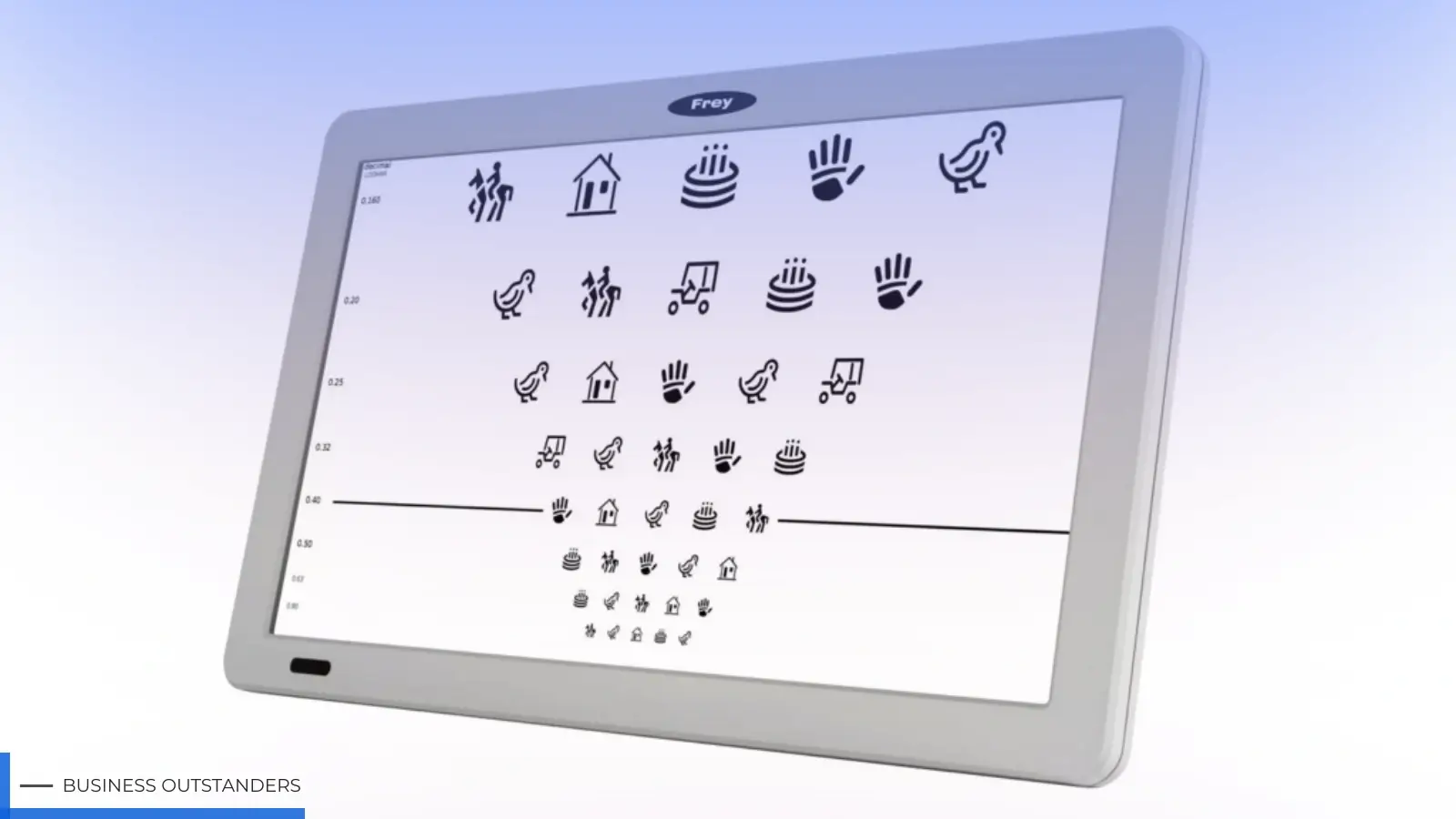
Vision plays a major role in everyday activities including reading, driving, learning, working, and overall quality of life. Because many eye conditions develop gradually, routine vision assessments remain one of the most important tools for identifying potential problems before they begin significantly affecting daily function. Eye care professionals using visual acuity charts Australia by BOC Instruments rely on accurate and standardised testing methods to help assess visual clarity and support early detection of vision-related concerns during comprehensive eye examinations.
Visual acuity testing is often one of the first assessments performed during an eye examination. While the process may appear simple, these evaluations provide important clinical information about how clearly a person can see at specific distances. Combined with other diagnostic assessments, visual acuity testing helps practitioners identify changes in vision that may require further investigation or treatment.
Visual Acuity Testing Measures Clarity of Vision
Visual acuity assessments are designed to measure how clearly a person can identify letters, symbols, or characters at a standardised distance. These tests help determine the sharpness and clarity of central vision under controlled conditions. Reduced visual acuity can indicate a range of potential vision issues, including refractive errors, eye diseases, or changes affecting the visual system. Because vision changes often occur gradually, many people may not immediately recognise that their eyesight has deteriorated over time.
Visual acuity testing commonly helps identify issues related to:
-
Nearsightedness and farsightedness
-
Astigmatism
-
Age-related vision changes
-
Reduced visual sharpness
-
Potential underlying eye conditions
These assessments provide an important baseline for monitoring visual performance and detecting changes during future examinations.
Early Detection Helps Prevent Further Vision Problems
One of the biggest advantages of regular vision assessments is the opportunity to detect problems early before they progress further. Some eye conditions may initially cause only subtle changes in vision that are difficult for patients to notice on their own. Routine testing allows eye care professionals to compare results over time and identify gradual declines in visual performance that may indicate underlying concerns requiring further evaluation.
Conditions such as cataracts, glaucoma, macular degeneration, and diabetic eye disease can sometimes affect visual acuity during earlier stages. Early identification often improves the ability to monitor and manage these conditions more effectively. BOC Instruments Visual Acuity Charts provides visual acuity testing equipment designed to support accurate and standardised vision assessments for eye care professionals across Australia. Consistent testing methods also help improve reliability when tracking changes in patient vision over time.
Standardised Testing Improves Accuracy and Consistency
Standardisation is extremely important in visual acuity testing because it helps ensure results remain reliable and comparable between examinations. Modern visual acuity charts are designed according to specific clinical standards relating to letter size, spacing, illumination, and testing distances. Using properly calibrated charts and standardised testing procedures helps practitioners obtain more accurate assessments of visual performance. Consistency is particularly important when monitoring progressive conditions or evaluating treatment outcomes over time.
Modern visual acuity systems may include illuminated chart displays, digital testing formats, LogMAR systems, and specialised paediatric testing options. These tools help improve examination efficiency while supporting more reliable and repeatable clinical measurements.
Vision Changes Can Affect Daily Life Significantly
Even relatively small changes in visual acuity can affect many aspects of daily life. Difficulty reading signs, eye strain during screen use, blurred distance vision, or reduced night vision may gradually impact comfort, productivity, and overall safety. Children may experience learning difficulties if vision problems are not detected early, while adults may struggle with driving, occupational tasks, or prolonged visual activities without realising vision changes are contributing factors.
Common symptoms associated with reduced visual acuity may include:
-
Blurred vision
-
Difficulty focusing
-
Headaches or eye strain
-
Squinting during reading or driving
-
Trouble seeing clearly at night
Regular eye examinations help identify these issues before they begin causing more noticeable disruptions to daily activities, supporting clearer vision and overall visual comfort.
Visual Acuity Testing Supports Broader Eye Examinations
While visual acuity testing is important, it represents only one part of a comprehensive eye examination. Eye care professionals combine acuity assessments with additional diagnostic tests to evaluate overall eye health and visual system function.
Other assessments may include refraction testing, eye pressure measurement, retinal examination, binocular vision evaluation, and ocular health screening. Visual acuity results often help guide which additional assessments may be required during the examination process. Changes in acuity can sometimes indicate the need for prescription updates, additional imaging, specialist referrals, or closer monitoring of eye health conditions. This broader clinical context helps practitioners provide more comprehensive and individualised patient care.
Technology Continues Improving Vision Assessments
Modern eye care technology has improved how visual acuity testing is performed within clinical settings. Digital systems, illuminated displays, and advanced testing software now help practitioners conduct assessments more efficiently and consistently. Electronic visual acuity charts allow practices to adjust testing formats quickly while maintaining standardised presentation conditions. Some systems also support randomised optotype presentation to reduce memorisation during repeated testing.
Technology-assisted testing may help improve examination efficiency, patient engagement, workflow consistency, and the accuracy of visual measurements. As eye care technology continues evolving, visual acuity testing remains a foundational component of modern vision assessment and patient care.
Children Benefit From Early Vision Screening
Vision assessments are particularly important for children because many visual problems can affect learning and development if not identified early. Children may not always recognise or communicate that they are experiencing vision difficulties, making routine screening especially valuable.
Reduced visual acuity may influence reading ability, classroom participation, concentration, and overall educational performance. Early screening allows practitioners to identify issues that may require corrective lenses or additional management. Paediatric vision testing often uses specialised charts and age-appropriate assessment methods designed to support accurate evaluation in younger patients. Early identification and intervention may help improve long-term visual development and learning outcomes for children with undiagnosed vision concerns.
Conclusion
Visual acuity assessments play a critical role in supporting early detection of vision problems and monitoring long-term visual health. Although the testing process may appear simple, these evaluations provide important clinical information that helps practitioners identify changes in visual clarity and determine when further assessment may be necessary.
From detecting refractive errors and monitoring progressive eye conditions to supporting paediatric vision screening and ongoing patient management, visual acuity testing remains one of the most important foundations of modern eye care. As technology continues improving clinical assessment tools and examination efficiency, standardised visual acuity testing will remain essential for helping eye care professionals deliver accurate, reliable, and preventative vision care for patients across all age groups.
Business Outstanders brings you sharp insights on tech, business, entrepreneurship, law, crypto, and more. We uncover what’s next. Stay updated, sign up for our newsletter and be part of the future!