Running a team spread across multiple continents sounds impressive during investor pitches. The daily reality involves a chaotic mix of overlapping calendars, misaligned expectations, and dropped video calls.
Tools designed for local offices often crack under the pressure of distance and differing internet speeds. Keeping everyone on the same page requires smarter infrastructure rather than longer stand-up meetings.
Why Legacy Communication Setup Fails Distributed Workforces
Traditional phone systems tie workers to physical desks and specific geographic regions. This setup restricts flexibility and creates artificial barriers between departments that need to collaborate instantly.
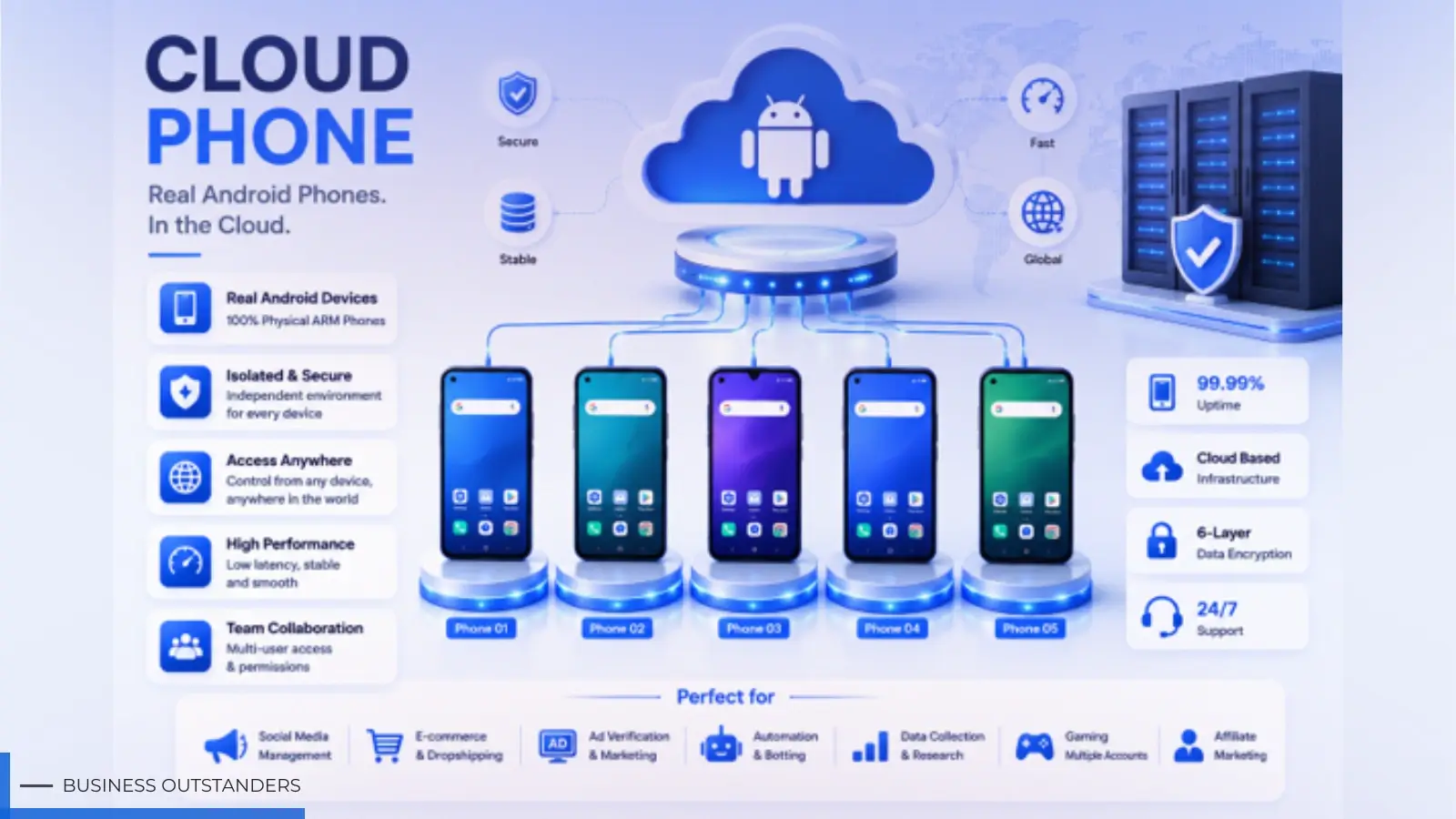
Switching to reliable cloud calling helps unite these fragmented networks into a singular, cohesive infrastructure. Teams can make and receive calls from any device without worrying about international hardware dependencies.
This shift simplifies IT management while lowering the overhead costs of maintaining outdated office hardware. Legacy systems require expensive maintenance and local technicians to update configurations. Modern virtual networks allow administrators to change permissions and add users across three continents in minutes.
The Push for Minimalist Software Ecosystems
Modern workers are overwhelmed by the sheer volume of single-purpose applications on their desktops. A market analysis found that teams are tired of software offering endless buttons but still requiring three tools, four tabs, and a prayer to finish a single task.
Switching tabs constantly fractures focus and drains daily productivity. Streamlining your communication stack keeps employees focused on their actual work.
Consolidating voice, video, and messaging into one interface reduces software fatigue across the organization. It also lowers subscription costs and shortens the onboarding time for new hires. When staff only need to learn one platform, they become proficient much faster.
Meeting the New Standard for Real-Time Media
Text messaging alone cannot carry the weight of complex corporate projects anymore. Consumer preferences have shifted heavily toward visual content, with data showing that 89% of people want to see more video content from brands.
This expectation has moved directly into internal corporate operations. Distributed teams need high-quality video conferencing that works instantly without requiring bulky software downloads.
Video interaction helps bridge the cultural gaps that text-based messages accidentally create. Seeing facial expressions and hearing tone of voice reduces misunderstandings during critical project reviews. Clear visual communication builds stronger relationships between remote colleagues who have never met in person.
Frictionless Decision Making Across Time Zones
Waiting hours for an email response kills the momentum of fast-moving projects. An industry report emphasized that organizations must connect with both internal and external audiences in an agile, transparent way that leans heavily on tech components.
Cloud-based communication networks allow asynchronous collaboration so work continues around the clock.
- Teams can leave detailed video voice notes for colleagues sleeping in other time zones.
- Shared project spaces keep historical context visible for late arrivals.
- Centralized document storage prevents version control confusion during handoffs.
Removing these daily friction points allows decisions to happen based on data rather than scheduling luck. Teams no longer need to wait for synchronous meetings to move a project to the next stage.
Centralized Systems Reduce Workflow Friction
When communication tools do not talk to each other, critical data gets trapped in silos. The main trends in workplace collaboration center on AI-assisted workflows, unified communication platforms, and connected systems that reduce decision-making friction. Automation can handle routine tasks like transcribing calls or updating client records.
This integration ensures that customer-facing agents always have the latest context during live conversations.
Intelligent systems remove the administrative burden so teams can focus on strategic execution. Employees spend less time hunting for information and more time solving complex problems.
Upgrading Infrastructure for Better Connectivity
Software is only as good as the network routing it across the globe. Many enterprises are shifting their backend infrastructure to support these heavy data demands.
A global technology forecast noted that the international SD-WAN market is projected to hit $1.5 billion to ensure stable connections. Better bandwidth management prevents dropped client calls and glitchy video meetings.
Prioritizing voice and video traffic keeps international conversations clear even on weaker residential connections. Organizations must invest in network stability to get the full value from their software tools. High-speed routing prevents the annoying lag that disrupts natural conversation flow.
The Future of Everyday Channels
Multi-channel communication is shifting from a premium luxury to a basic operational requirement. Standard business interactions now default to two-way messaging across tools like WhatsApp, RCS, and voice channels.
Global customers and employees expect to reach out via their preferred apps seamlessly.
- Centralized dashboards route various text channels into a single queue for agents.
- Unified profiles track conversations across SMS, email, and phone history.
- Automated routing sends inquiries to the right regional expert instantly.
Adopting these flexible touchpoints helps brands stay accessible without overwhelming their support staff. It creates a unified experience for external clients who value quick responses.
Achieving seamless global communication requires moving away from fragmented legacy tools. Investing in unified platforms allows businesses to erase geographic borders for their workers.
This approach builds a resilient operation capable of scaling smoothly into new international markets. When distance no longer dictates productivity, your talent pool becomes truly global.
Business Outstanders brings you sharp insights on tech, business, entrepreneurship, law, crypto, and more. We uncover what’s next. Stay updated, sign up for our newsletter and be part of the future!