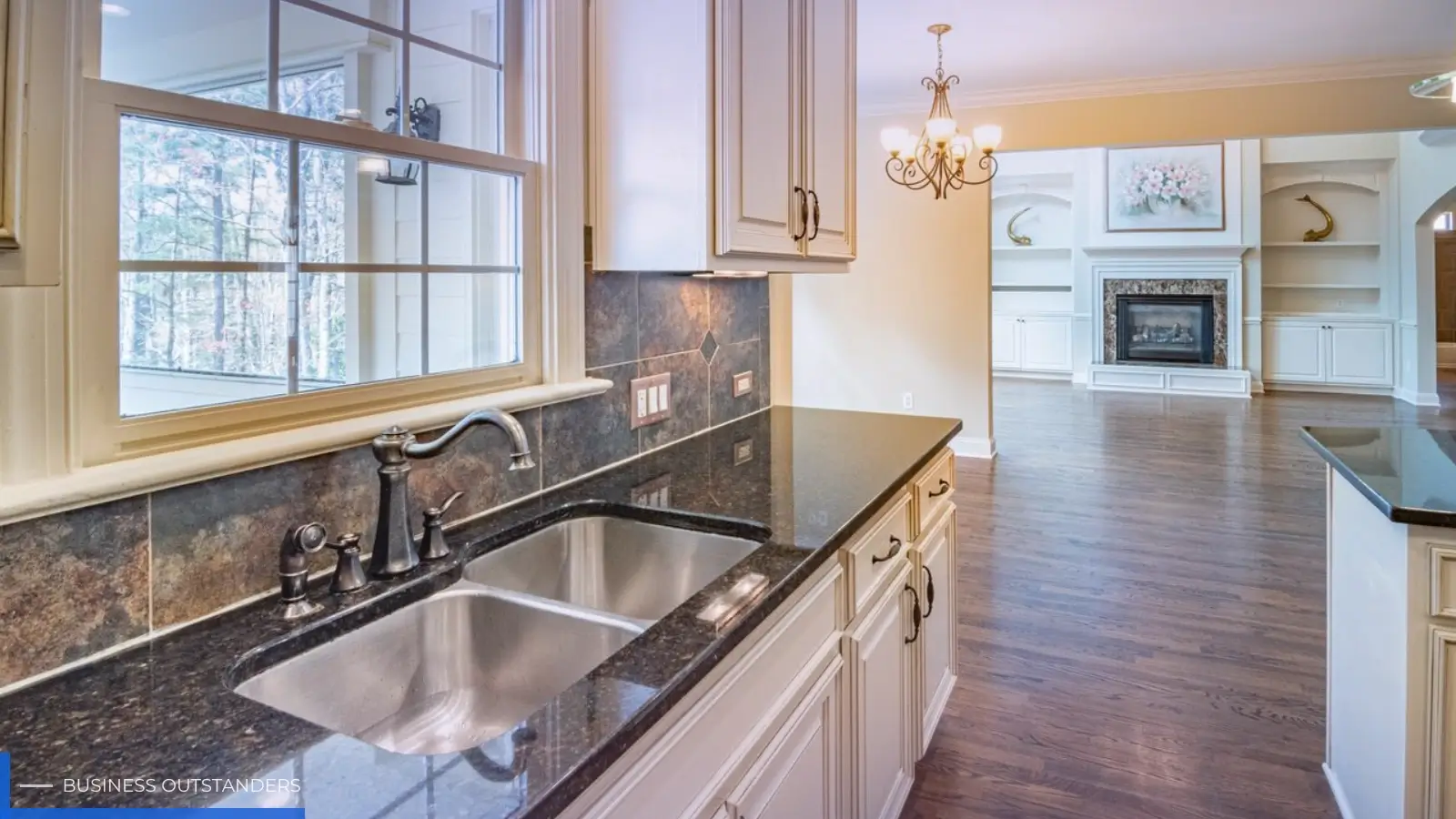
Cabinets shape both the look of a kitchen and how well it works day to day. That is why a smart renovation starts with function, not paint colour. When the storage plan is clear, the right finishes are easier to choose.
This guide walks through cabinet decisions in a practical order: storage, cabinet category, construction, materials, style, sizing, upgrades, and budget. Where trend data appears, most of it comes from U.S. studies and may not apply exactly to an Australian project.
Start With Storage, Not Style
Before you look at door samples, audit how you use the room. Walk through four zones: prep, cook, clean, and store. Then list the bulky items that never seem to have a home, such as stockpots, baking trays, small appliances, and pantry goods.
Use this simple check to decide where drawers beat doors:
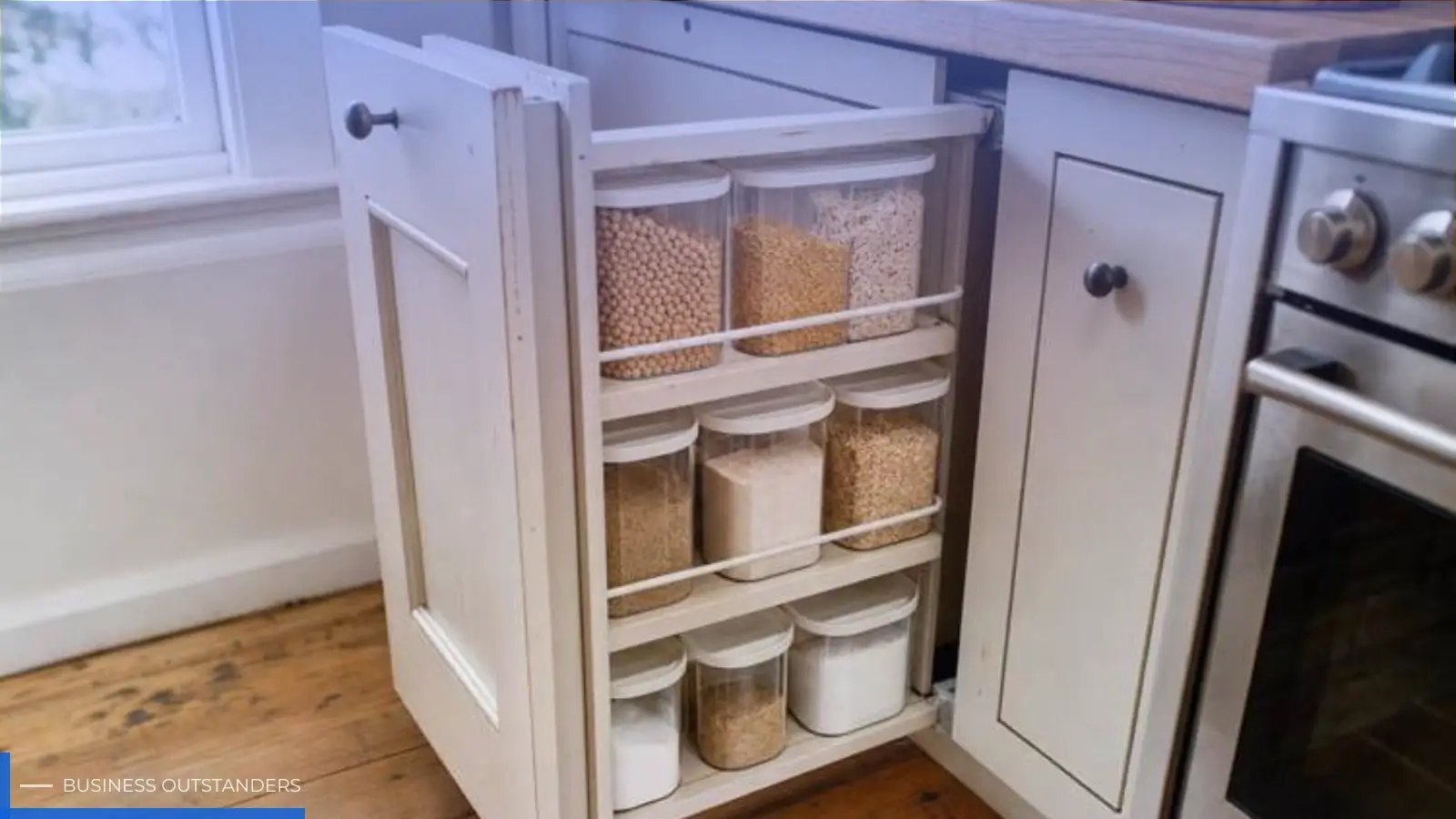
- If you reach for it daily and it lives low, choose a drawer.
- If items stack or nest and you often dig for the bottom one, choose a drawer.
- If the contents are tall or used less often, a door with adjustable shelves is usually fine.
Choose Your Cabinet Category
Cabinets generally fall into three categories. Stock cabinets come in fixed sizes and finishes, which keeps lead times shorter. Semi-custom cabinets offer more size and finish options with moderate flexibility. Custom cabinets are built to your exact dimensions and design, giving you the most control but usually requiring more time and budget.
Match the category to your priorities. A tight timeline and firm budget often point toward stock. A layout with awkward corners, unusual dimensions, or a very specific look may justify semi-custom or custom work.
Construction That Affects Daily Use
Cabinet boxes come in two main styles: framed and frameless. Framed cabinets have a face frame around the box opening, which adds rigidity and supports a more traditional look. Frameless cabinets, often called full-access cabinets, skip the frame so the opening is wider.
For a busy household, the easier access of frameless construction can be a daily benefit. If your style leans traditional, framed construction still delivers the reveals and detailing you may prefer.
Box and Door Materials
Materials affect how cabinets wear, how they handle moisture, and how well they take a finish. Plywood is a strong option for boxes and shelves in high-wear zones near the sink and cooktop. MDF is dense and smooth, which makes it well suited to paint-grade doors. Particleboard is often the most budget-friendly core, but it is more sensitive to moisture.
Door Styles and Finishes That Age Well
Two decisions shape the look: overlay and profile. Overlay describes how much of the frame the door covers, such as partial overlay, full overlay, or inset. Profile refers to the door face, most commonly a Shaker-style recessed panel or a flat slab.
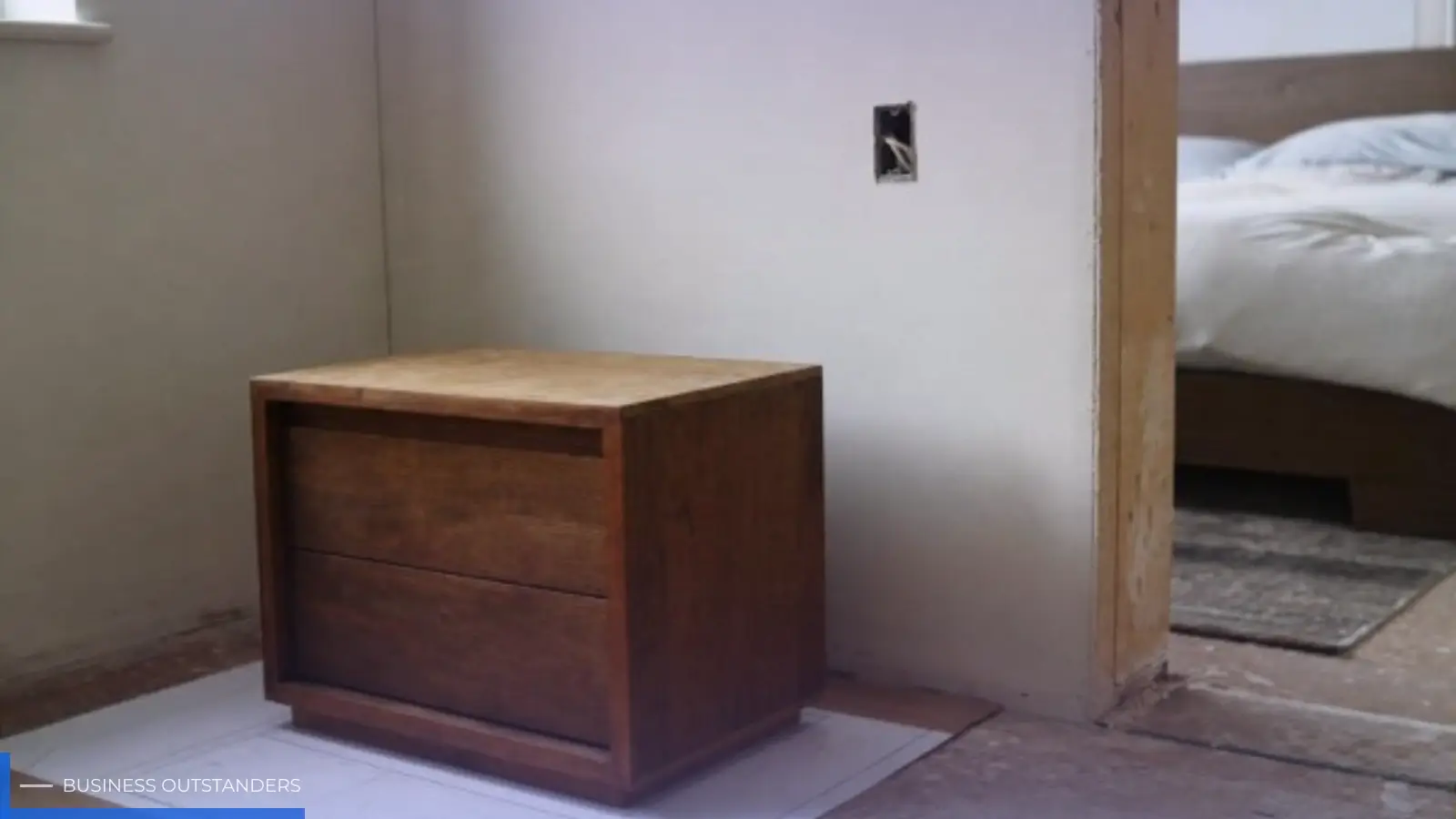
Wood is gaining attention again. In the 2026 U.S. Houzz study, wood cabinets at 29% slightly overtook white cabinets at 28% as the most-selected cabinet colour among renovating homeowners. NKBA's 2026 U.S. report also notes that wood grain is gaining over painted finishes, with white oak the most popular wood cited by respondents at 51%.
A practical rule is to pair warm wood tones with durable, repairable finishes instead of choosing a finish only because it is fashionable. A finish that can be touched up quietly helps extend the life of the kitchen.
Sizing Smartly
Using U.S. norms as a planning reference, base cabinets are commonly 34.5 inches high, or about 36 inches with the countertop, and roughly 24 inches deep. Wall cabinets come in heights such as 12, 15, 18, 30, 36, and 42 inches, with depths typically from 12 to 18 inches. Pantry cabinets can reach up to about 8 feet tall.
Think about reach as well as capacity. Very tall wall cabinets add storage but put the top shelves out of easy reach. When shelves are deep, drawers or pull-outs usually work better than fixed shelving because you can see and access the back.
Lighting and Interior Upgrades
Small interior fittings often deliver more day-to-day value than a finish upgrade. Lighting is a common cabinet-related improvement. NKBA's 2026 U.S. report highlights under-cabinet lighting at 82%, interior cabinet lighting at 72%, and pendants at 63%. Plan lighting around your kitchen storage zones so drawers, shelves, and work areas are easy to see.
Useful interior upgrades include:
- Tray and vertical divider inserts for baking sheets and boards.
- A spice pull-out beside the cooktop.
- A pull-out recycling and waste centre in a base cabinet.
- Corner solutions that make deep dead space usable.
- Soft-close, full-extension drawer slides.
Budgeting the Cabinet Line
Scope and size affect cabinet costs more than any single finish. In the 2026 U.S. Houzz study, reported median spending was $55,000 for a major kitchen remodel and $20,000 for a minor one, with major remodels running a median of $75,000 for larger kitchens versus $46,000 for smaller ones. These are U.S. figures, but they show how much scope and kitchen size can influence the total.
A useful budget habit is to fund storage upgrades first, then finishes. Deeper drawers and a good pantry solution pay off every day, while a premium door profile is easier to trim if the budget tightens.
Where to research options in Melbourne
Local factors such as showroom access, lead times, and coordination with installers are worth checking early. If you are renovating in Melbourne and want a local reference while comparing materials, door styles, and storage layouts, you can explore kitchen cabinets as part of a broader renovation workflow. Treat it as one starting point among several as you gather ideas.
A Simple Planning Checklist
Bring the decisions together in order:
- Start with a storage list based on your four zones and bulky items.
- Pick a category: stock, semi-custom, or custom.
- Decide between framed and frameless construction based on access and style.
- Match materials to daily use and moisture exposure.
- Confirm sizes, lighting, and interior fittings before ordering.
FAQ
What matters most when choosing cabinets?
Start with storage layout, then match construction, materials, and finishes to daily use.
Are custom cabinets always necessary?
No. Stock or semi-custom can suit standard layouts, while custom helps with unusual dimensions.
Business Outstanders brings you sharp insights on tech, business, entrepreneurship, law, crypto, and more. We uncover what’s next. Stay updated, sign up for our newsletter and be part of the future!