If a school in your area says it 'accepts ESA funds,' verify that claim yourself before you enroll or pay. ESA verification is part of sound family planning. In most states, confirming whether education savings account money can be used for a specific school takes only a few minutes on an official portal.
A quick note on terms: in this guide, education savings accounts mean state-funded K-12 programs that place public dollars into an account families use for approved education costs. That is different from a Coverdell ESA or a 529 college savings plan, which are federal tax-advantaged accounts for education expenses. This article is about the K-12, state-run version.
How K-12 ESAs Actually Work
A state ESA gives eligible families an account of public funds they can spend on approved education costs. What counts as approved varies by state; some programs are broad, while others are limited to certain students, schools, or services.
Allowable expenses are tied to a specific program. Iowa funds students at accredited nonpublic schools and bases the award on the public per-pupil amount. Texas participating private school students are set to receive $10,474 in 2026-27, described as 85 percent of statewide average public funding. Those figures do not apply everywhere.
What "Approved" Really Means
States handle school approval in a few different ways. Knowing which model your state uses tells you where to look first.
Approved School Directories
Many states publish lists of participating schools that can receive ESA payments. North Carolina identifies Direct Payment Schools, West Virginia lists Hope Scholarship schools, and Arkansas maintains a current Education Freedom Accounts school list.
Vendor Marketplaces
Other states route spending through an online marketplace where schools and providers register as vendors. Arizona uses ClassWallet for direct payments, while Utah Fits All information runs through its administrator, Odyssey.
Accreditation or Recognition Rules
Some programs approve schools based on accreditation or eligibility rules rather than a single directory. Iowa ties funding to accredited nonpublic schools. Indiana's ESA is a statewide program limited to students with disabilities and their siblings. Always confirm before committing.
How to Verify a School in Your State
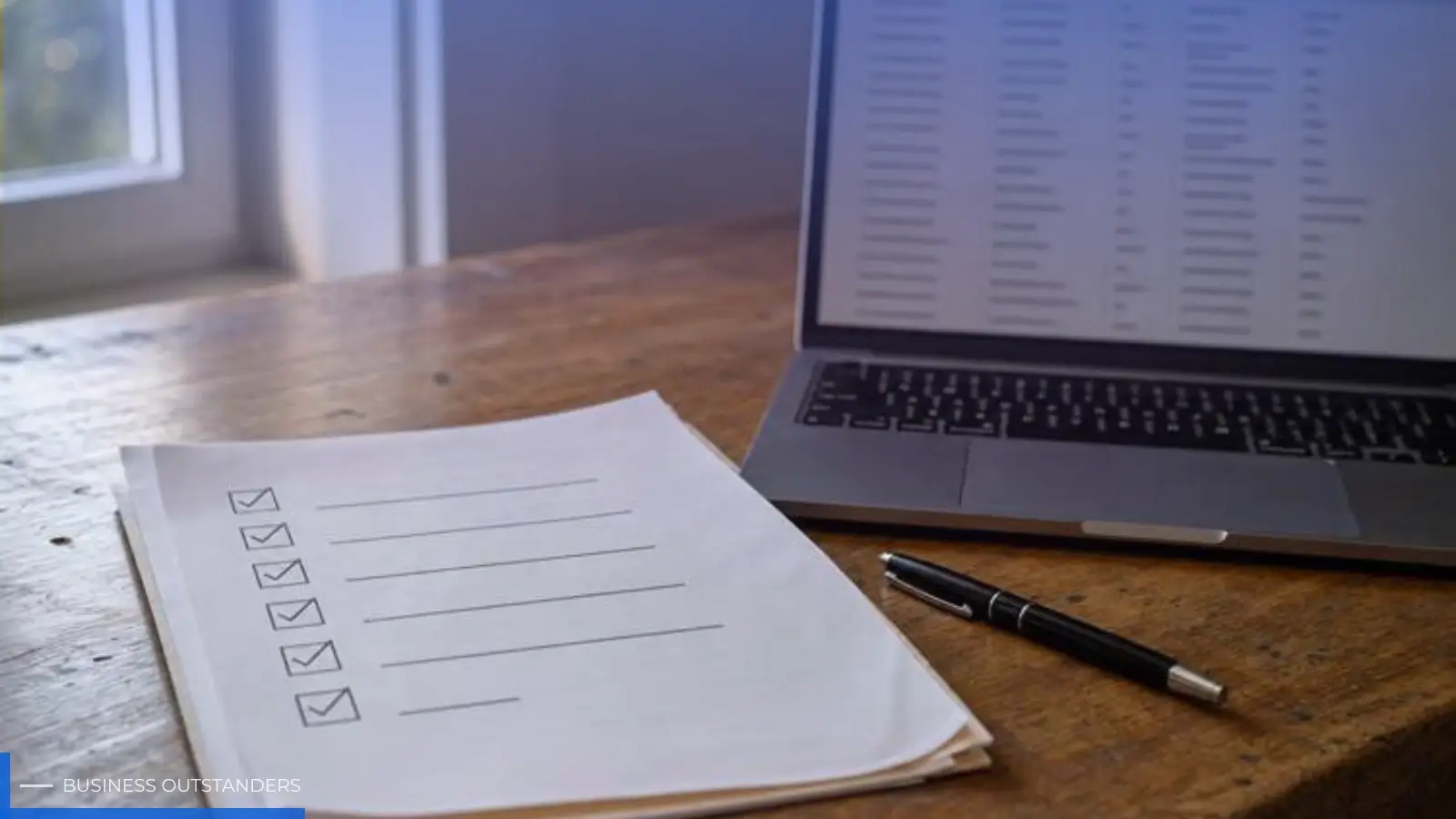
Use this checklist to confirm a school before you enroll or send money.
- Find your state's official ESA portal, usually a department of education, treasurer, or comptroller page.
- Check whether your target school appears on the approved, participating, or Direct Payment School list.
- If your state uses a marketplace, confirm the school or provider is a registered vendor.
- Ask the school which scholarship IDs or vendor IDs it uses for payments.
- Confirm testing, reporting, or co-enrollment rules that apply to your program.
- Save screenshots and emails in case you need them for a payment or reimbursement issue.
Watch for state-specific cautions. Florida will not reimburse payments made to non-approved private schools, so the school must be approved first. Arizona's Department of Education administers the ESA but will not advise families about specific schools or providers.
For a parent-friendly orientation before you check official sources, Fusion Academy's overview of ESA approved schools can help you understand where ESAs exist and what costs are commonly allowed. Fusion is one private option families compare, but participation varies by state and location, so confirm on your state's site rather than assuming it is approved everywhere.
Selected State Snapshots: Where to Check
- Arizona: Check ADE ESA pages; ESA uses a marketplace, and the state does not recommend schools.
- Arkansas: Check the current Education Freedom Accounts school list and handbook.
- Florida: Use the DOE directory and Step Up handbooks; tuition requires a DOE-approved participating private school.
- Iowa: ESA funds apply at accredited nonpublic schools, with awards tied to the public per-pupil amount.
- Indiana: Limited to students with disabilities and siblings as of July 1, 2024; see the Indiana Department of Education.
- Louisiana: LA GATOR is a universal ESA created by Act 1 of 2024 and began enrolling for 2025-26.
- North Carolina: NCSEAA lists Direct Payment Schools for the Opportunity Scholarship and ESA+.
- Texas: Education Freedom Accounts launched for 2026-27, with participating private school students set to receive $10,474.
- Utah: Utah Fits All runs through Odyssey; check the official state site.
- West Virginia: Hope Scholarship lists participating schools and approved marketplace providers.
- Wyoming: ESA is phasing in; the Wyoming Department of Education will publish certified providers.
Remote, Online, and Microschools
Many families ask whether ESA funds can cover online courses, tutoring, or a microschool. The answer depends on your program's rules and how the provider is set up.
In marketplace states like Arizona, an online course provider or tutor generally needs to be a registered vendor. Families comparing a campus-based program such as Fusion Academy with remote courses or microschools should verify the exact campus, program, or provider listing because approval may not carry across formats or locations.
Common Gotchas and Practical Tips
A few recurring issues trip up families. Keeping these in mind can save time and money.
- No retroactive reimbursement for non-approved schools. Florida will not reimburse payments made to schools that are not DOE-approved, so verify approval before paying.
- You usually cannot stack scholarships. In Florida, a student cannot hold multiple K-12 scholarships at the same time.
- Testing and reporting may apply. Some programs, such as Florida's, include testing expectations in family handbooks.
- Co-enrollment has limits. North Carolina's ESA+ and Opportunity rules spell out how enrollment must work before families combine options.
- Marketplace states put the research on you. Arizona's administrator will not recommend providers, so confirm vendor status yourself.
FAQ
Can I use ESA funds at any private school?
No. Each state sets its own approval process. Check the state portal or payment administrator for the school, campus, and program before you enroll or pay.
Are online classes, tutoring, or microschools covered?
Sometimes. Look for the provider in your state's marketplace or directory, and confirm whether that category is allowed under your program's current handbook.
How often should I recheck approval?
Recheck before enrollment, before payment, and again at renewal. State lists, vendor status, and reimbursement rules can change during the year.
Before You Enroll
Before submitting your ESA application, ensure you understand both the program rules and your family's financial situation. This means reviewing state eligibility requirements, confirming school participation status, and honestly assessing your family's education funding capacity. Building financial literacy around education choices helps you maximize ESA benefits and avoid costly mistakes. For a comprehensive framework on evaluating financial decisions strategically, review these essential tips for boosting financial literacy; they apply equally to understanding ESA tradeoffs and long-term education funding.
Business Outstanders brings you sharp insights on tech, business, entrepreneurship, law, crypto, and more. We uncover what’s next. Stay updated, sign up for our newsletter and be part of the future!