Singapore is one of Asia's most desirable destinations for expatriate families, and selecting the right primary school is often the most critical decision parents face. The city-state offers an exceptional range of educational options, from world-renowned international schools to hybrid programs blending global curricula with local excellence.
Schools here serve families from over 70 countries, offering curricula ranging from the International Baccalaureate (IB) to British, American, and bilingual frameworks. This diversity reflects Singapore's position as a global financial hub where educational excellence is paramount.
Why Singapore's International Schools Stand Out
Singapore's education system consistently ranks in the top tier globally, and its international schools maintain that standard of excellence. The city-state's strategic location, multilingual population, and commitment to educational innovation create an environment where schools thrive. Unlike some international schools globally, those in Singapore benefit from rigorous government oversight, stable political infrastructure, and families who prioritize education.
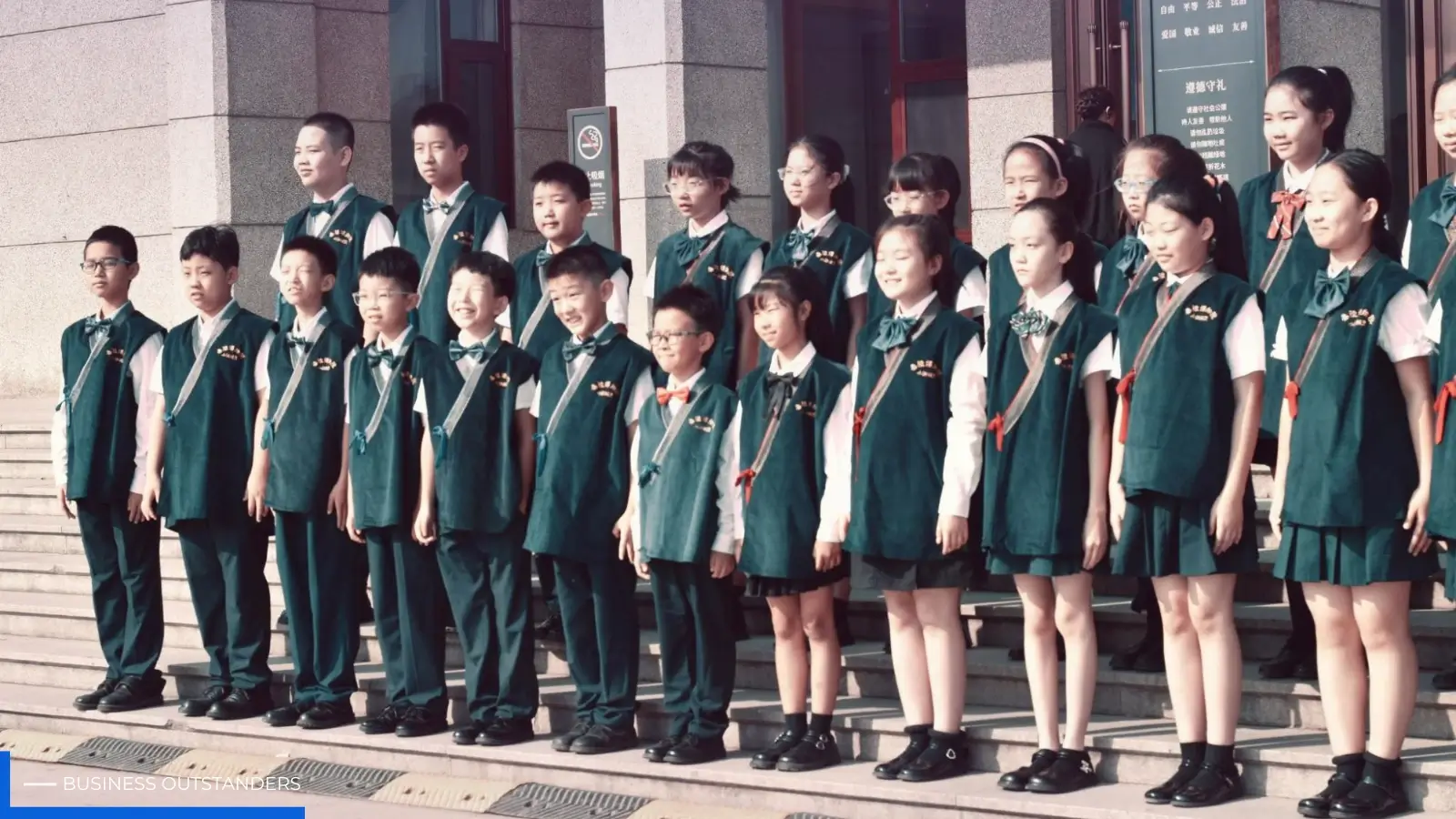
International schools here serve a genuinely international student body. A typical classroom includes children from UK, US, Australia, Canada, and Asia-Pacific nations, creating authentic multicultural learning environments. This diversity develops cultural competence and global citizenship naturally, not as an abstract curriculum objective.
The competitive nature of Singapore's education market also drives quality. Schools must maintain high standards to retain enrollments, resulting in strong accountability mechanisms and continuous improvement cultures.
Understanding Curriculum Options
International Baccalaureate (IB) Programme
The IB Primary Years Programme (PYP) emphasizes inquiry-based learning and develops independent thinkers. Schools using this framework focus on conceptual understanding over rote memorization. Primary students explore themes like "Sharing the Planet" or "How We Organize Ourselves" across integrated subject areas.
British National Curriculum
Many schools follow the English National Curriculum through Year 6 (age 11), then transition to IGCSE and A-Levels. This pathway appeals to families planning UK university entry or those seeking a traditional, structured academic approach.
American Curriculum Standards
Schools following American frameworks emphasize critical thinking, discussion-based learning, and creative problem-solving. These programs culminate in the American High School Diploma and prepare students for US university admissions.
Hybrid and Bilingual Programs
Some schools develop proprietary curricula combining international best practices with Singaporean excellence standards. Bilingual programs, particularly Mandarin-English tracks, remain popular for families valuing linguistic advantages in Asia-Pacific markets.
Key Factors in School Selection
Academic Performance and Value-Added Measures
Examine how much schools develop individual students, not just exam results. Request data on university placement rates and student progress tracking.
Teacher Quality and Stability
Ask about teacher credentials, professional development investment, and staff retention rates. High staff retention correlates with stronger program coherence.
Admissions Process and Timeline
Competitive schools often accept applications only in specific windows and conduct rigorous assessments. Plan applications 12-18 months before your target entry date.
Facilities and Learning Environment
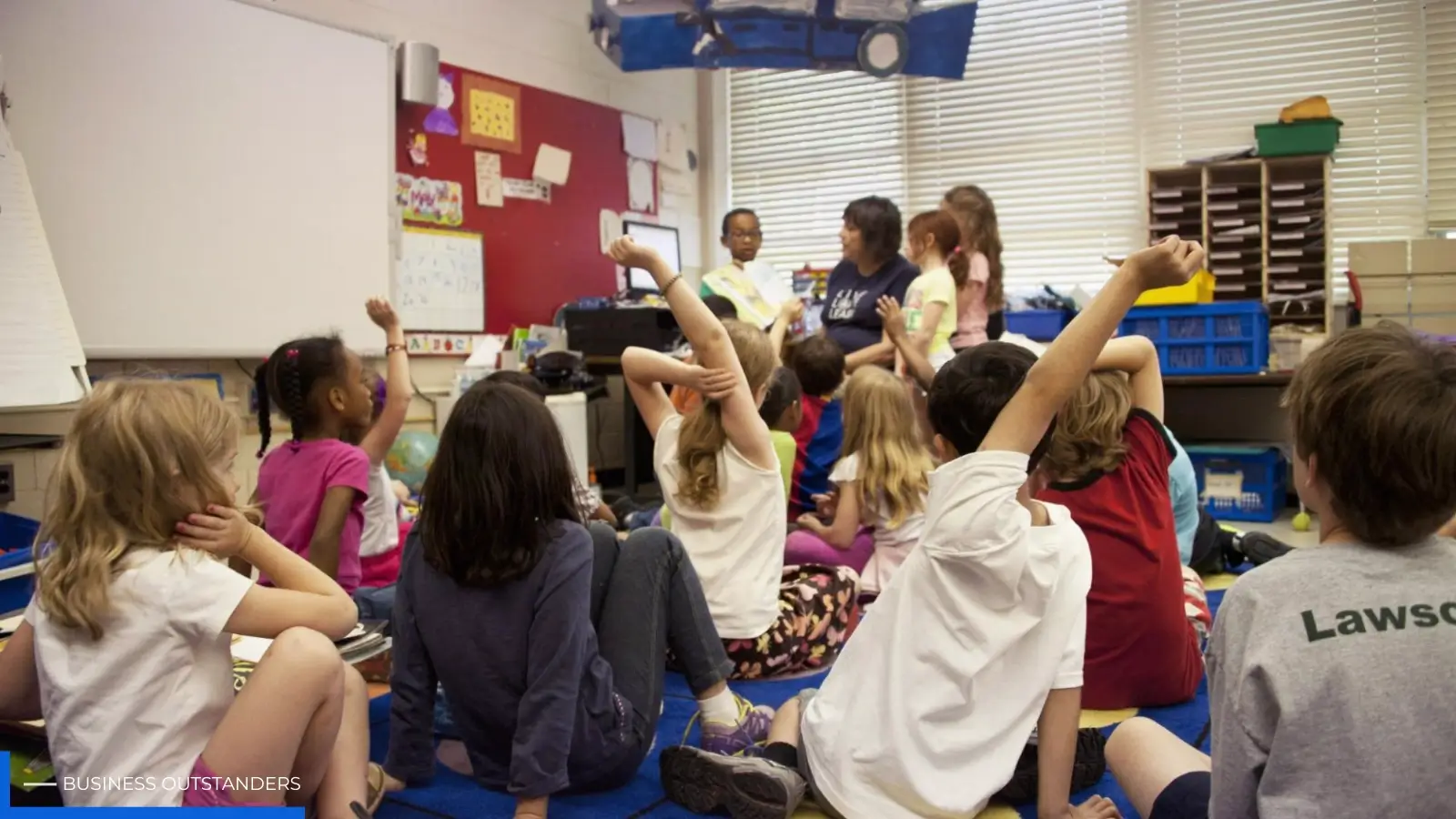
Observe classrooms during school visits. Are they organized, well-resourced, and child-centered? Do outdoor spaces encourage exploration and physical activity?
Pastoral Care and Student Wellbeing
Strong pastoral systems identify struggling students early. Ask about counselor-to-student ratios, mental health programming, and how schools address social-emotional challenges.
The Admissions Landscape
Singapore's popular international schools operate with significant demand. International primary schools singapore programs at top-tier institutions often have waiting lists and acceptance rates under 30%. This competition reflects genuine educational quality and strong community reputation.
Timing is critical. Most schools admit students in September and January. The application window for September intake typically closes in the previous November. Families relocating need to begin school searches and applications immediately upon confirmation of transfer.
Testing and assessment processes vary. Many schools employ cognitive ability assessments to ensure academic readiness, while others use English language proficiency tests for non-native English speakers. Some conduct personal interviews, viewing them as valuable for assessing curiosity, resilience, and family alignment with school values.
Financial planning requires attention. Annual fees for international primary schools in Singapore range from SGD $25,000 to SGD $50,000 depending on curriculum and reputation. Budget for registration fees, uniforms, technology, school outings, and activity charges beyond published tuition.
Location and Logistics
School location significantly impacts daily life. Singapore is compact, but commutes during peak hours can extend considerably. Many international schools operate bus services, reducing logistics burden.
Location also influences community. Schools in specific neighborhoods tend to attract particular expatriate populations. Consider proximity to your residence and whether school community aligns with your family's cultural preferences.
Building Academic and Social Integration
The transition to a new school and country can challenge young children. Schools with robust transition programs ease this process through buddy systems, orientation programs, and trained teachers supporting international students.
Language acquisition matters. Non-English speakers benefit from schools offering dedicated English language support rather than expecting mainstream classroom immersion. Social integration happens naturally in well-structured international school communities where shared experience of being new accelerates friendship formation, particularly among younger primary students.
Looking Beyond Primary School
International school selection should consider progression pathways. If you plan extended Singapore residence, understanding secondary and upper school options matters. Some primary schools feed naturally into secondary programs within the same institution, providing continuity.
Research school networks too. If relocation seems likely, schools with campus in multiple cities offer transition advantages. Some families value this flexibility when assignments rotate.
Learning from Other Markets
When researching Singapore options, insights from other major education hubs prove valuable. For comparison, examining how families navigate school selection in markets like Sydney offers perspective on what distinguishes excellent schools globally. If you want comprehensive school comparison frameworks, examining how families in highly competitive education markets evaluate options can inform your Singapore research.
Frequently Asked Questions
Q: What is the typical student-to-teacher ratio in Singapore's international primary schools?
A: Most maintain ratios of 1:12 to 1:15 in primary years, though some premium schools offer 1:10 or lower ratios.
Q: Do international schools in Singapore follow term calendars aligned with home countries?
A: Most follow international calendars (typically August or September start) rather than local dates, though some hybrid schools coordinate with Singaporean terms.
Q: How important is fluency in Mandarin for school success in Singapore?
A: Not essential, though bilingual exposure provides advantage. English-medium schools operate entirely in English; Mandarin is taught as a subject.
Q: What transition support do schools provide to newly relocating families?
A: Most international schools offer orientation programs, buddy systems, and counselor support. New-student families appreciate schools offering parent workshops on relocation adjustment and local integration.
Making Your Decision
Choosing a primary school in Singapore requires balancing academic quality, curriculum alignment with your goals, financial constraints, logistics, and family culture fit. Few schools excel equally across all dimensions. Identify your non-negotiables versus preferences, then evaluate options systematically.
Visit schools in person when possible. Speak with current families, not just school staff. Observe classrooms during regular instruction to see actual learning environments, not showroom versions. Request contact information for parents willing to share perspectives.
Trust your instincts alongside objective data. A school with exceptional test scores but culture misalignment with your family values may underperform for your child. Conversely, a warm, community-focused school delivering solid academics often outperforms a prestigious institution where your child feels disconnected.
Singapore's international schools genuinely offer world-class education in a safe, multicultural environment. Taking time to make an intentional choice reflects investment in your child's future and your family's quality of life during expatriate assignment.
Business Outstanders brings you sharp insights on tech, business, entrepreneurship, law, crypto, and more. We uncover what’s next. Stay updated, sign up for our newsletter and be part of the future!