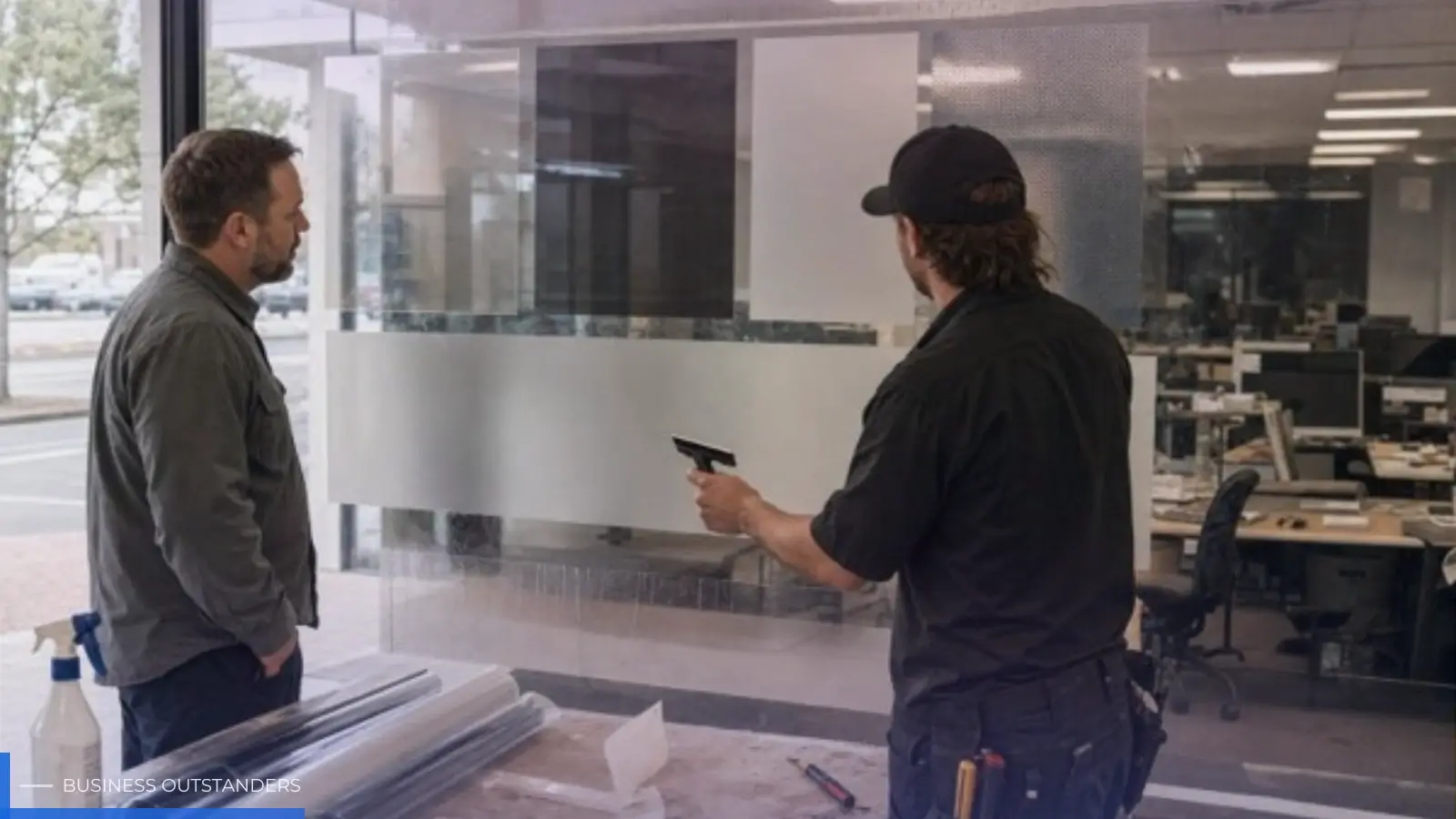
Window film sits at the intersection of comfort, energy use, branding, security, and law. For a business, the right film can cut glare, reduce fading, add privacy, or create a consistent look for a vehicle fleet. The wrong choice can create thermal stress on glass or put a fleet vehicle out of legal compliance.
This guide is for small and midsize business owners, operations managers, and facilities teams. It explains how films work, which types fit common use cases, the standards worth knowing, state legal constraints, realistic cost ranges, and how to vet an installer.
At a Glance
- Films can reduce glare, manage heat, add privacy, and support branding across offices, storefronts, homes, and vehicles.
- Major architectural film lines block up to 99% of UV rays, a key driver of fading and some skin damage risks.
- Vehicle tint laws vary by state. Verify current local rules before buying, because glass plus film transmission is what gets measured.
How Window Films Work
Sunlight reaches glass as visible light, ultraviolet (UV) radiation, and infrared (IR) energy. Films manage each part differently: visible light affects glare, UV contributes to fading and skin exposure, and IR carries heat.
Visible Light Transmission (VLT) describes how much visible light passes through glass and film together. Total Solar Energy Rejected (TSER) describes how much total solar energy the film blocks. Spectrally selective ceramic films reduce heat while keeping glass relatively clear, and low-emissivity (low-e) films can help in mixed climates.
On the UV side, major architectural film lines report blocking up to 99% of UV rays. The Skin Cancer Foundation includes UV window film and automotive tint in its Seal of Recommendation program and suggests UV window film for homes and cars as part of a broader sun protection plan.
Business Use Cases and Film Types
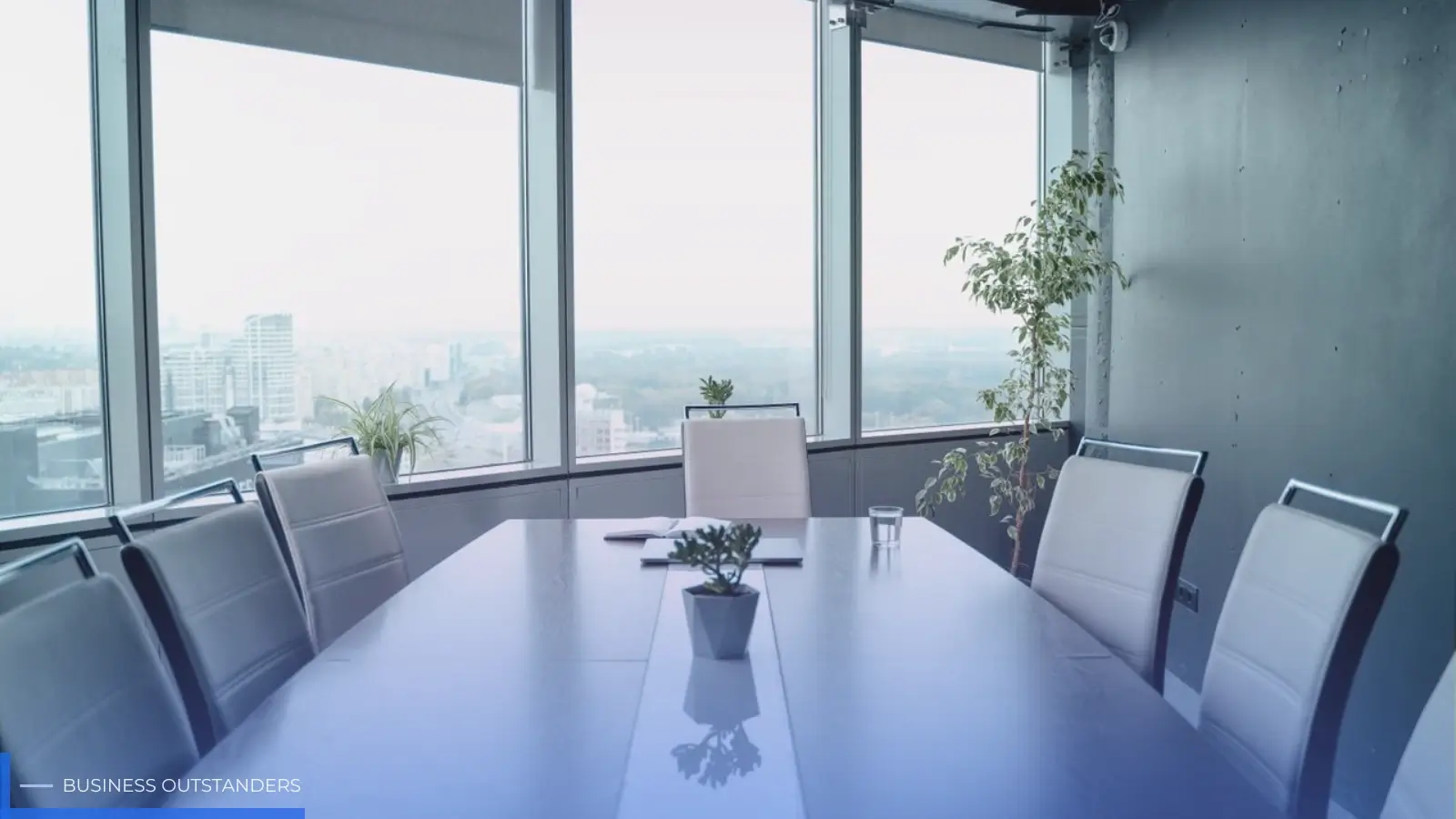
Offices. Spectrally selective and ceramic films help control heat and glare at workstations without heavily darkening the space. Low-e films can help in buildings that both heat and cool across seasons.
Storefronts. Dual reflective films manage glare and heat while keeping some daytime privacy. Perforated graphics place branding on glass while retaining outward visibility from inside.
Specialty and privacy. Frosted and decorative films add privacy to meeting rooms and glass partitions. Anti-graffiti films protect exposed glass surfaces.
Safety and security. These films help hold fragments together when glass breaks. They are not bulletproof and not intruder-proof. Some are tested to safety glazing standards including ANSI Z97.1 and CPSC 16 CFR 1201. Treat them as one layer within a broader security plan, often paired with an attachment system that anchors film to the frame.
Standards and Labels to Know
Third-party verification helps you compare products on more than marketing language.
- AERC. The Attachments Energy Rating Council recognizes window film as a window attachment category. The U.S. Department of Energy advises consumers to look for the AERC Energy Improvement rating.
- NFRC. The National Fenestration Rating Council runs a residential certification program covering windows, doors, skylights, and window films.
- Safety glazing. ANSI Z97.1 and CPSC 16 CFR 1201 are safety glazing standards. A tested glass-and-film assembly met a fragment-retention benchmark, not proof that the glass is unbreakable.
AERC and NFRC speak to energy and comfort performance, while safety glazing standards speak to breakage behavior. Do not treat one as a substitute for another.
Costs and Return on Investment
Costs vary by film type, glass condition, and access. As a current U.S. residential benchmark, professional window tinting typically runs $5 to $20 per square foot installed, according to Angi. Applied film material alone sits lower, and DOE attachment data reflects material costs as context, not an installed price.
Compared with full glazing replacement, film is usually the lower-cost path to better comfort and reduced fading. When you request quotes, ask installers to put quoted performance in writing, including VLT, Solar Heat Gain Coefficient (SHGC), and U-factor where relevant. Also ask whether the warranty covers thermal breakage or seal failure.
How to Pick an Installer
A careful installer prevents most avoidable problems. Manufacturers publish film-to-glass guidelines because shadowing and certain glass types can raise thermal stress risks if a film is mismatched to the glass. Ask for the following before signing.
- A film-to-glass compatibility evaluation and thermal-stress check for your specific windows.
- AERC or NFRC documentation for recommended products, plus any safety test standards for security films.
- Clear warranty terms covering film, labor, glass breakage, and seal failure where applicable.
- Sample panels and, for large jobs, a small pilot install near your worst glare or heat area.
Provider Selection Checklist
It helps to see how an established shop organizes offerings before you write your own scope. As a reference point, the Mastertint window tinting overview groups vehicle, residential, and commercial services with quote workflows, useful when comparing scopes region by region in Australia. Treat it as a structure example rather than a pricing or performance benchmark.
Legal and Compliance
Vehicle tint rules are set at the state level, so a fleet that crosses state lines needs a plan. What gets measured is the combined VLT of glass and film, not the film alone.
- New York requires front side windows to transmit at least 70% of light, and tint is checked during annual inspections.
- California restricts aftermarket tint on the windshield and front side windows, with a narrow exception for clear, colorless UV-reduction film.
- Texas eliminated most vehicle safety inspections on January 1, 2025, under HB 3297. The underlying limits still apply.
- Louisiana, effective August 1, 2025, allows front side window tint at a minimum of 25% VLT, with rear side windows at 25% and rearmost windows at 12%.
For multi-state fleets, standardize on the strictest jurisdiction you operate in, then verify each state's current rules against official sources. On buildings, code compliance depends on tested assemblies and proper systems, not film alone.
Storefront Branding and Fleet Notes
Perforated one-way graphics display branding outside the glass while keeping some interior visibility by day. Frosted and privacy films block sightlines but do not carry imagery. Ask which application orientation suits your climate and exposure.
Alternatives and When to Escalate
Film is not the only path. AERC-rated interior shades can address glare and privacy. Dynamic or electrochromic glazing suits new construction or major retrofits. Exterior films can help when interior application is not advised. Teams comparing ceramic film options should still document when film is no longer the right tool.
FAQ
Does security film make glass intruder-proof?
No. It can help hold fragments together in tested assemblies, but it is not bulletproof or intruder-proof.
What should a fleet check first?
Verify current state VLT rules before purchase, because enforcement measures combined glass-plus-film transmission.
Business Outstanders brings you sharp insights on tech, business, entrepreneurship, law, crypto, and more. We uncover what’s next. Stay updated, sign up for our newsletter and be part of the future!