Understanding B2B Services in the Home Services Sector
In today's business world, no company operates in a vacuum. To thrive, organizations increasingly depend on specialized external partners. These are known as business-to-business (B2B) services. They provide critical support, allowing companies to focus on their core mission.
We understand that choosing the right B2B services is vital. These partnerships drive efficiency, innovation, and sustainable growth. For instance, enhancing online visibility through expert strategies, such as B2B roofing city landing page SEO, can be a game-changer for specialized sectors.
In this extensive guide, we will explore the essential B2B services. We will focus on key areas, including marketing and IT solutions. We aim to show how these services can transform operations, support digital transformation, and help businesses achieve their full potential.
B2B services encompass a vast array of support functions that one business provides to another. Unlike business-to-consumer (B2C) services, which cater directly to individual end-users, B2B services are designed to address the specific needs, challenges, and operational requirements of other companies. For businesses in the home services sector, such as roofing, HVAC, and general contracting, understanding and leveraging B2B services is crucial for sustained growth and competitive advantage.
The fundamental difference between B2B and B2C lies in the transaction and the customer. B2B transactions often involve longer sales cycles, multiple stakeholders, and a focus on long-term, strategic partnerships. For example, a roofing contractor purchasing specialized equipment from a supplier is a B2B transaction. This contrasts with a homeowner hiring that same roofing contractor, which is a B2C interaction. In the B2B context, decisions are typically rational, research-intensive, and driven by ROI, operational efficiency, and scalability, rather than immediate emotional appeal.
These services play a pivotal role in supporting a company's supply chain and overall business operations. For a home services company, this could mean relying on B2B partners for everything from material procurement and equipment maintenance to financial auditing and human resources management. These partnerships ensure the core business functions smoothly, efficiently, and in compliance. For instance, managing business registrations and adhering to state guidelines, such as those outlined by the Tennessee Secretary of State, is often streamlined with the help of B2B legal or administrative services.
The customer lifetime value (CLV) also differs significantly. B2B relationships tend to yield a higher CLV due to repeat purchases, larger transaction volumes, and the strategic nature of the partnership. This means B2B service providers often invest heavily in building trust and authority, rather than the memorability often prioritized in B2C marketing. For contractors looking to expand their reach, understanding how to apply B2B marketing principles to target other businesses or even hyper-local markets is key. This is where specialized strategies, such as local B2B SEO, become invaluable, helping contractors attract commercial clients within their service areas.
To illustrate these differences, consider the following comparison:
Feature B2B Service Model (e.g., Contractor acquiring software) B2C Service Model (e.g., Homeowner hiring a contractor) Customer Another business (e.g., roofing company) Individual consumer (e.g., homeowner) Decision-Making Multiple stakeholders, rational, ROI-driven Individual, often emotional, immediate need Sales Cycle Longer (3-6 months average), complex contracts Shorter, transactional Relationship Duration Long-term, strategic partnership Often project-based, shorter duration Volume/Value Bulk orders, higher transaction value Smaller, individual transactions Marketing Focus Trust, authority, value proposition, problem-solving Brand awareness, emotional connection, convenience Content Type Technical, in-depth guides, case studies Entertaining, aspirational, user-friendly Payment Terms Net 30/60, credit lines Upfront, installment, direct payment Core Categories of B2B Services Supporting Contractor Growth.
For home services businesses, particularly those in contracting, the range of B2B services available is extensive and constantly evolving. These services are designed to alleviate operational burdens, enhance specialized capabilities, and drive growth. The benefits of outsourcing these functions are manifold, including significant cost reduction, improved efficiency, access to specialized expertise, and the ability to scale operations without the overhead of expanding internal teams. This allows contractors to concentrate on their core competencies—delivering high-quality service and craftsmanship.
Consider a roofing company aiming to expand its market presence. Instead of hiring a full-time IT specialist, a marketing team, and an HR department, it can leverage B2B services to handle these functions. This approach not only reduces fixed costs but also provides access to best-in-class solutions and talent. For instance, managing complex IT infrastructure, from cloud-based estimating software to project management platforms, can be efficiently handled by a B2B IT service provider. These providers often offer Unified B2B Solutions that integrate various systems, ensuring seamless data flow and operational synergy.
Beyond IT, other critical B2B service categories include:
- Financial Management: Services like accounting, payroll processing, tax preparation, and financial consulting help contractors maintain fiscal health and compliance.
- Human Resources (HR): From recruitment and onboarding to benefits administration and compliance, B2B HR services help contractors attract and retain top talent while navigating complex labor laws. Companies like Siemens Global Business Services exemplify how large organizations can centralize and deliver these services internally and, potentially, externally, showcasing the efficiency gains possible.
- Legal Services: Ensuring contracts are sound, compliance is met, and disputes are handled professionally is vital for any contractor.
- Logistics and Supply Chain: Managing the flow of materials, equipment, and resources efficiently is a complex task often optimized through B2B logistics partners.
By strategically outsourcing these functions, contractors can significantly reduce operational costs, streamline workflows, and enhance their overall competitive posture. This frees up valuable internal resources to focus on core activities, such as project execution and customer satisfaction, ultimately leading to business scaling and increased profitability. Moreover, for specialized needs like boosting online visibility, engaging with providers offering expert B2B SEO strategies can deliver a strong return on investment by attracting more qualified leads.
Digital Marketing as a Key B2B Services Pillar
In the digital landscape of May 2026, robust digital marketing is no longer optional for contractors; it's a necessity. B2B digital marketing services are specifically tailored to help businesses generate qualified leads, build brand authority, and ultimately drive sales. The B2B buyer journey is distinct, characterized by extensive research and content consumption. Statistics show that B2B buyers now consume an average of 4.5 pieces of content before even considering speaking to a salesperson. This highlights the critical need for comprehensive content strategies.
Key components of B2B digital marketing services include:
- Search Engine Optimization (SEO): Essential for improving organic search rankings and visibility. For contractors, this means ranking for terms like "roofing contractor near me" or "commercial HVAC services." B2B SEO drives a significant portion of website traffic, with 76% of all B2B website traffic coming from search, and delivers an average ROI of 748% when executed correctly.
- Pay-Per-Click (PPC) Advertising: Targeted ad campaigns that place businesses at the top of search results for specific keywords, driving immediate traffic and leads.
- Content Marketing: Creating valuable, informative content (blogs, guides, case studies) that addresses buyer pain points and establishes expertise. Businesses that consistently publish intent-matched content generate 67% more monthly leads.
- Social Media Marketing: Engaging with industry professionals and potential clients on platforms like LinkedIn, showcasing expertise and building community.
- Email Marketing: Nurturing leads and maintaining customer relationships. A remarkable 77% of B2B buyers prefer to be contacted by email first.
The B2B purchase process is complex, often involving 6–10 stakeholders and taking 3–6 months to close. This necessitates a marketing approach that focuses on building trust and providing in-depth information throughout the entire sales funnel. For a roofing company, this means not just attracting initial interest but also providing content that addresses concerns about materials, warranties, project management, and long-term value. Services focused on roofing leads generation are designed to navigate this complexity, delivering highly qualified prospects ready for sales engagement. When seeking external help, resources like the Semrush directory of top B2B lead-generation companies can serve as a starting point for identifying reputable partners.
IT Infrastructure and Modern B2B Services Integration
The backbone of any modern contracting business is its IT infrastructure. B2B IT services are critical for managing this complex ecosystem, ensuring operational continuity, data security, and compliance with industry regulations. For contractors, this includes everything from robust network solutions and cloud computing to specialized software implementation and cybersecurity measures.
- Data Security and Privacy: With increasing cyber threats, protecting sensitive client data, project specifications, and financial information is paramount. B2B IT providers implement advanced security protocols, encryption, and regular audits to safeguard data. Compliance with regulations such as GDPR, HIPAA, and SOC 2 (where applicable) is often built into these services, mitigating legal and reputational risks.
- Cloud Platforms and Software-as-a-Service (SaaS): Moving to cloud-based solutions for project management, CRM, accounting, and communication offers flexibility, scalability, and remote access. B2B services facilitate this transition, managing cloud infrastructure and integrating various SaaS tools.
- CRM Integration: Customer Relationship Management (CRM) systems are vital for tracking leads, managing client interactions, and streamlining sales processes. B2B IT services ensure seamless integration of CRM with other business tools, providing a unified view of customer data.
- Compliance and Industry Regulations: The construction and home services industries are subject to various regulations. B2B IT services help ensure that all digital operations, data storage, and communication methods comply with relevant standards, preventing costly penalties and legal issues.
- Website Optimization and Maintenance: A contractor's website is often the first point of contact for potential clients. B2B services ensure websites are not only visually appealing but also secure, fast, and optimized for lead conversion. This includes specialized services for roofing website optimization, ensuring they perform optimally across all devices and search engines.
By entrusting these critical IT functions to specialized B2B providers, contractors can enhance their operational resilience, reduce the burden of managing complex technologies, and ensure their digital presence is secure, compliant, and highly effective.
Leveraging Technology and Innovative Service Models to Scale
The landscape of B2B services is being reshaped by rapid technological advancements, particularly in artificial intelligence (AI) and automation. These innovations are not just optimizing existing processes but also giving rise to entirely new service models that empower businesses to scale more effectively, reduce costs, and even enter new markets.
Digital transformation is at the heart of this evolution. Companies are moving away from manual, labor-intensive processes towards integrated, automated workflows. For a home services company, this could mean using AI-powered scheduling software to optimize technician routes, automate customer communications, or predict equipment maintenance needs.
New service models are emerging that offer flexible, scalable solutions:
- Revenue-as-a-Service (RaaS): This model, exemplified by providers like Teleperformance, offers outsourced sales and growth partnerships. Instead of building an internal sales team from scratch, businesses can leverage an external team that uses data, talent, and technology orchestration to drive predictable revenue. RaaS providers often integrate AI to identify leads, personalize outreach, and optimize sales processes, transforming unpredictable revenue into consistent growth. Case studies show significant improvements, including a 27% increase in order value and an 11% increase in ticket volume for clients.
- Marketing-as-a-Service (MaaS): Similar to RaaS, MaaS provides flexible, on-demand marketing expertise. Companies like 2X B2B Marketing-as-a-Service solutions allow businesses to scale their marketing efforts without the fixed costs of an in-house team. This model is particularly beneficial for contractors looking to expand their marketing capabilities across channels, from content creation to MarTech stack integration, enabling them to achieve more with less.
- "X-as-a-Service" Models for Global Expansion: For businesses considering global growth, models like LakeB2B India-as-a-Service framework demonstrate how companies can build and operate high-performance teams in strategic locations without the overhead of establishing a physical entity. India, for example, is no longer just a low-cost outsourcing destination but a hub for talent in tech, data, marketing, and operations, enabling companies to launch teams in weeks and operate at 30-50% of global costs.
Agentic Commerce and AI's Role: The rise of "agentic commerce" marks a new era in which AI-driven systems can autonomously handle complex B2B transactions, reducing reliance on manual work and "hero sales profiles." This involves AI platforms that adapt to business interactions, using machine learning to simulate optimal pricing, personalize customer experiences, and even generate proposals. The goal is to create autonomous B2B operations that scale sales and reduce manual dependency, leading to outcomes such as reducing delivery mistakes from 20% to 2% in some procurement platforms.
By embracing these technological advancements and innovative service models, contractors can achieve unprecedented levels of efficiency, scalability, and market reach. They can reduce costs by optimizing processes, enter new markets with less risk, and scale their operations dynamically to meet demand, all while maintaining a lean internal structure.
Overcoming Sales Cycle Challenges and Measuring ROI
One of the most significant challenges in the B2B landscape, especially for service providers, is navigating complex sales cycles and acquiring new customers effectively. As noted, B2B sales cycles are typically longer, involve multiple stakeholders, and require a sustained effort to build trust and demonstrate value. For service providers, client concentration risk (overreliance on a few large clients) can also be a concern, making broad customer-acquisition strategies vital.
B2B service providers must implement robust strategies to overcome these challenges:
- Targeted Lead Generation: Focusing on qualified leads through data-driven marketing and sales efforts. This involves identifying Ideal Customer Profiles (ICPs) and tailoring outreach to them.
- Relationship Building: Nurturing leads through consistent, valuable communication, often over several months.
- Value Proposition Clarity: Clearly articulating how their services solve specific business problems and deliver measurable ROI.
- Stakeholder Engagement: Developing content and sales materials that resonate with different decision-makers (e.g., finance, operations, procurement).
Measuring success and demonstrating Return on Investment (ROI) for clients is paramount for B2B service providers. Unlike B2C, where sales are often immediate, B2B results can take time to materialize. Therefore, providers must establish clear Key Performance Indicators (KPIs) and reporting mechanisms from the outset.
Common metrics for measuring success and ROI include:
- Lead Quality and Quantity: Tracking the number of qualified leads generated and their conversion rates.
- Customer Acquisition Cost (CAC): Analyzing the cost associated with acquiring a new client.
- Customer Lifetime Value (CLV): Projecting the total revenue a client will generate over their relationship with the provider.
- Operational Efficiency Gains: Quantifying time saved or processes streamlined for the client.
- Cost Savings: Documenting direct cost reductions achieved through the B2B service.
- Revenue Growth: Directly attributing client revenue increases to the services provided.
- Brand Authority and Visibility: Measuring improvements in search rankings, website traffic, and industry recognition.
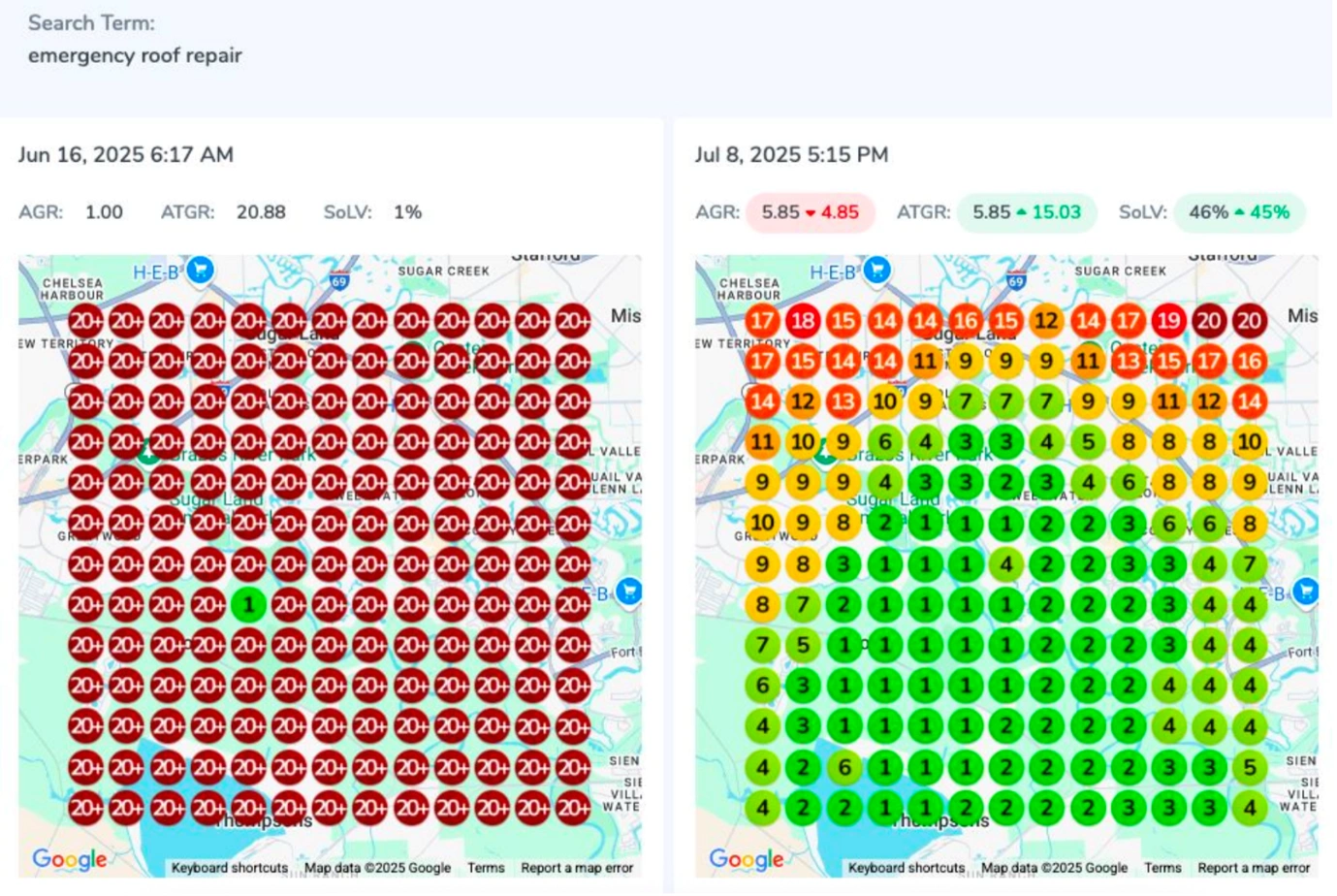
For contractors, proving the effectiveness of digital marketing services, for example, involves transparent reporting on website traffic, lead conversions, and ultimately, booked jobs. Providers specializing in Google Maps local SEO for roofers will show improvements in local search rankings, Google Business Profile engagement, and direct calls or form submissions. The ultimate goal is to provide tangible evidence of value, translating marketing efforts into increased profitability for the client. Documenting proven local SEO results through case studies and performance reports builds client confidence and fosters long-term partnerships.
Frequently Asked Questions About B2B Services
We often encounter common questions from businesses exploring B2B services. Here, we address some of the most pertinent ones, particularly through the lens of the home services industry.
What are the primary differences between B2B and B2C services for contractors?
The primary differences between B2B and B2C services for contractors revolve around the nature of the customer, the sales process, and the relationship dynamics.
- Customer & Transaction Volume: B2B customers are other businesses (e.g., property managers, general contractors, commercial developers), leading to larger, more complex projects and higher transaction volumes. B2C customers are individual homeowners, typically resulting in smaller, more frequent, and often one-off projects.
- Decision-Making: B2B decisions involve multiple stakeholders (e.g., facility managers, procurement, finance, legal) and are driven by rational factors like ROI, operational efficiency, compliance, and long-term value. B2C decisions are often made by one or two individuals, influenced by immediate needs, aesthetics, personal preferences, and emotional appeal.
- Relationship Duration & Contract Negotiation: B2B relationships are typically long-term, strategic partnerships built on trust and ongoing service agreements. Contract negotiations are intricate, involving Service Level Agreements (SLAs), detailed scopes of work, and formal procurement processes. B2C interactions are usually shorter-term, project-based, and involve simpler contracts or estimates.
- Sales Cycle: B2B sales cycles are significantly longer (3-6 months on average in May 2026), requiring sustained engagement and multiple touchpoints. B2C sales cycles are generally much shorter, often converting within days or weeks.
How do modern B2B services address data security and compliance?
Modern B2B services place a strong emphasis on data security and compliance, recognizing them as non-negotiable requirements for today's businesses. They address these critical areas through a multi-faceted approach:
- Robust Security Infrastructure: Implementing advanced cybersecurity measures, including firewalls, intrusion detection systems, encryption protocols (both in transit and at rest), and secure data centers.
- Regular Audits and Certifications: Undergoing third-party security audits (e.g., SOC 2, ISO 27001) and maintaining relevant certifications to demonstrate adherence to international security standards.
- Compliance Expertise: Employing legal and compliance specialists who stay abreast of evolving data protection regulations (e.g., GDPR, CCPA, HIPAA, industry-specific standards). They ensure that all service delivery, data handling, and storage practices meet these legal requirements.
- Secure Portals and Access Controls: Providing clients with secure, password-protected portals for sharing sensitive information, coupled with granular access controls to ensure only authorized personnel can view or modify data.
- Risk Mitigation Strategies: Developing comprehensive disaster recovery plans, data backup protocols, and incident response procedures to minimize the impact of potential security breaches or data loss.
- Employee Training: Ensuring all personnel handling client data are rigorously trained in data security best practices and compliance protocols.
Why should a roofing contractor outsource their digital marketing?
Outsourcing digital marketing offers significant advantages for roofing contractors, allowing them to compete effectively in an increasingly digital marketplace:
- Access to Specialized Expertise: Digital marketing is a complex, rapidly evolving field. Outsourcing provides access to teams of specialists (SEO experts, content creators, PPC managers, web developers) who possess deep knowledge and experience across various channels, which would be prohibitively expensive to hire in-house.
- Cost Efficiency: Hiring and retaining an in-house marketing team involves salaries, benefits, training, and software costs. Outsourcing converts these fixed costs into a more flexible operational expense, often at a lower overall price point, while providing access to a broader skill set.
- Focus on Core Business: By delegating marketing efforts, contractors can free up their valuable time and resources to focus on their core competencies: managing projects, training crews, and delivering high-quality roofing services.
- Competitive Advantage: Professional digital marketing agencies can implement sophisticated strategies (e.g., advanced SEO, targeted PPC, compelling content) that give contractors a significant edge over competitors who may rely on outdated or inconsistent marketing methods.
- Measurable ROI and Transparency: Reputable agencies provide transparent reporting on KPIs, demonstrating the tangible impact of their efforts on lead generation, website traffic, and ultimately, booked jobs. This allows contractors to see the return on their marketing investment clearly.
- Scalability and Flexibility: Outsourced teams can quickly scale marketing efforts up or down based on business needs, seasonal demands, or market changes, without the challenges of hiring or laying off full-time staff.
Conclusion
The modern business landscape, particularly for dynamic sectors like home services, is characterized by complexity and rapid change. In this environment, B2B services are not merely supplementary; they are foundational to success. From robust IT infrastructure and sophisticated digital marketing to strategic financial management and innovative operational models, these external partnerships empower businesses to achieve efficiency, foster innovation, and drive sustainable growth.
By strategically leveraging B2B services, contractors can overcome operational challenges, streamline workflows, and gain a significant competitive edge. The digital transformation, fueled by AI and automation, continues to unlock new possibilities, allowing businesses to scale, reduce costs, and enter new markets with unprecedented agility. The ability to measure success and demonstrate clear ROI further solidifies the value of these essential collaborations.
The journey to becoming a truly modern business involves forging strategic partnerships that extend beyond internal capabilities. It’s about recognizing where external expertise can amplify your strengths and propel you toward your goals. We invite you to explore how tailored B2B solutions can transform your operations and elevate your business.
Ready to unlock your full potential? Discover how specialized B2B services can drive your growth. Contact CinchLocal today to discuss your unique needs and explore customized solutions for your business.
Business Outstanders brings you sharp insights on tech, business, entrepreneurship, law, crypto, and more. We uncover what’s next. Stay updated, sign up for our newsletter and be part of the future!