Most businesses are still optimising for a version of the internet that's quietly shifting beneath their feet. Google rankings, keyword density, backlink profiles — all still relevant, but the way people actually find information is changing faster than most digital strategies are keeping up with. And the gap between where brands are putting their effort and where their potential customers are actually looking is getting wider.
Large language models — ChatGPT, Google's Gemini, Perplexity, and others like them — are now answering questions directly. Not sending users to a list of blue links, but synthesising an answer, often with a handful of named sources, sometimes with none at all. If your brand isn't showing up in those answers, you're not just missing clicks. You're missing the conversation entirely.
The Search Behaviour Nobody Warned You About
Think about how you searched for something last month. Maybe you typed a question into ChatGPT instead of Google. Maybe you asked Siri or Alexa something and got a spoken answer back. Even Google's own interface has changed substantially, with AI-generated overviews now appearing before any organic results on a huge range of queries. People are getting answers without necessarily visiting websites at all.
This isn't a fringe behaviour anymore. Younger audiences in particular have largely normalised using AI tools as their first port of call for research, product comparisons, service recommendations — the full range of things that used to drive traffic through traditional search. And for businesses that have spent years building SEO performance on the assumption that 'ranking' means 'being found', this is genuinely worth paying attention to.
The frustrating bit is there's no single dashboard you can log into to check your LLM visibility. It's not like checking your position on page one; you have to think about it differently, which is part of why so many companies haven't started yet.
What Actually Makes a Brand Show Up in AI Answers
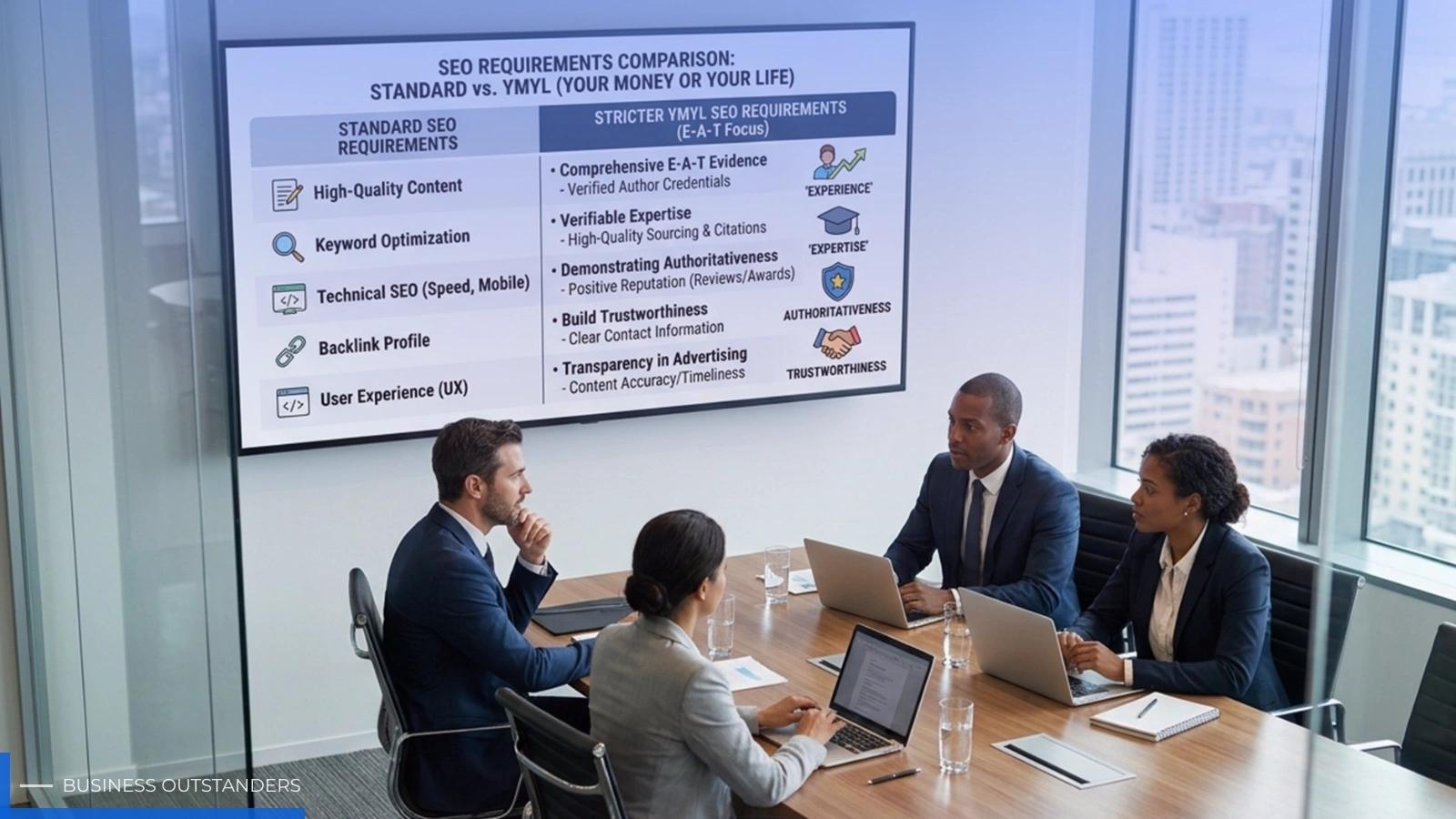
Language models don't pull from a live crawl of the web the way Google does. They're drawing on training data, real-time retrieval in some cases, and a combination of signals that tell them which sources are authoritative, trustworthy, and worth quoting. That means the rules of visibility are overlapping with traditional SEO in some ways, but diverging in others.
Structured, clear content that directly answers specific questions tends to perform well. So does content from sources that are consistently cited elsewhere on the web — not just linked to, but actually referenced and discussed. Brand mentions that appear in editorial contexts, reviews, industry publications, even forums, all feed into how a language model "understands" who you are and whether you're worth mentioning. This is why PR and content strategy are becoming less separable from technical SEO than they used to be.
There's a breakdown of why LLM visibility should be part of your digital strategy in 2026 from the team at Click Consult, which gets into the specifics of how this changes the way brands should be thinking about their content and authority signals. Worth reading if you're responsible for a digital strategy that needs to hold up over the next couple of years.
This Isn't About Abandoning SEO
Nobody sensible is suggesting you bin your keyword research and ignore Google. Organic search still drives enormous volumes of traffic and that's not going to evaporate overnight. But treating LLM visibility as something to think about later is a bit like having ignored mobile optimisation in 2013. The window where it's optional is shorter than it looks.
The businesses that'll feel this most acutely are the ones operating in competitive, high-consideration categories — financial services, healthcare, B2B software, legal, travel. Anywhere the customer journey involves research and comparison, AI tools are increasingly the place where that research starts. If a competitor is being recommended by ChatGPT and you aren't, that's not a minor ranking gap. That's a positioning problem.
Adapting to this doesn't require tearing everything up. It mostly means broadening the question from "are we visible on Google?" to "are we visible to the tools people are using to make decisions?" The answer to that second question is worth knowing, even if it's uncomfortable.
Business Outstanders brings you sharp insights on tech, business, entrepreneurship, law, crypto, and more. We uncover what’s next. Stay updated, sign up for our newsletter and be part of the future!