Introduction
The way we shop and do business has changed forever. E-commerce and digital marketing are at the heart of this change. They are transforming how companies connect with customers worldwide.
By 2026, spending on digital marketing for online stores is set to reach an astounding $786.2 billion. The entire e-commerce market, valued at $6.8 trillion today, is projected to grow past $8 trillion by 2027. Some experts even believe that by 2040, nearly all purchases will happen online. This immense growth shows that digital strategies are no longer optional. They are vital for any business landscape.
In this extensive guide, we will explore the essential strategies for success in this dynamic landscape. We will define digital marketing and e-commerce and explain how they differ from older methods. We will dive into key areas like search engine optimization (SEO), social media, and email marketing. We will also cover how to measure performance and adapt to new technologies, such as artificial intelligence (AI). Finally, we will look at how beginners can start exciting careers in this booming field.
Core Components of Digital Marketing and E-commerce
At its heart, digital marketing is about connecting with people and brands online. It uses various digital channels such as social media, display advertising, email, and search engines to attract and engage customers. E-commerce, on the other hand, specifically refers to the trading of goods and services over the internet. While traditional marketing relies on channels like print ads, television, and radio, digital marketing leverages the vast reach and measurable nature of the internet. This allows for more precise targeting, real-time adjustments, and a deeper understanding of customer behavior.
A successful digital marketing strategy for e-commerce is built on several core pillars. It begins with understanding the entire customer journey, from initial awareness to post-purchase loyalty. This journey often involves navigating a marketing funnel, guiding potential customers through various stages. Brand awareness is crucial at the top of this funnel, drawing new eyes to your offerings. As customers move down, the focus shifts to engagement, consideration, and ultimately, conversion. Effective strategies also prioritize customer loyalty and retention, recognizing that repeat business is often more cost-effective than constant acquisition. A multi-channel approach that integrates various digital tactics is essential to cover all touchpoints. For those looking to deepen their understanding of these interconnected fields, exploring resources on Digital marketing and e-commerce expertise can provide a solid foundation.
Understanding these components is key to developing a comprehensive strategy. The goal is not just to drive traffic, but to convert that traffic into sales and foster lasting customer relationships. This requires continuous optimization and adaptation, as outlined in comprehensive guides like the E-Commerce Marketing Strategy: The Complete Guide for 2026.
SEO and SEM in Digital Marketing and E-commerce
Search Engine Optimization (SEO) and Search Engine Marketing (SEM) are two powerful forces that drive traffic and sales for online stores. They are distinct yet complementary strategies focused on visibility in search engine results.
SEO is about optimizing your website to rank higher in organic (unpaid) search results. This involves a mix of technical improvements, on-page content optimization, and building authority through external links. Over 53% of total traffic to business websites comes from organic searches, highlighting its critical role. In e-commerce, SEO focuses not just on blog content but also heavily on product and category pages. This includes meticulous keyword research to understand customer search intent, optimizing product titles, descriptions, and URLs, and ensuring the site's technical health (e.g., page speed, mobile-friendliness, schema markup). While SEO typically takes 3-6 months to show significant results, its benefits compound over time, providing sustained, cost-effective traffic.
SEM, which includes Pay-Per-Click (PPC) advertising, offers immediate visibility. Platforms like Google Ads allow businesses to bid on keywords and display ads to users actively searching for products or services. This can include text ads, display ads, and highly effective Google Shopping campaigns, which showcase product images, prices, and store names directly in search results. While PPC provides instant traffic, it requires continuous investment and optimization to maintain performance.
Here's a brief comparison of their benefits:
Feature SEO (Organic Search) SEM (Paid Search/PPC) Cost Free (requires time/resource investment) Paid per click, impression, or conversion Speed of Results Slower (months to see significant impact) Immediate (ads appear as soon as campaigns launch) Sustainability Long-term, compounding traffic, builds authority Stops when budget runs out Credibility Often perceived as more trustworthy by users Clearly marked as advertisements Control Less direct control over ranking factors Full control over ad copy, targeting, and budget ROI High long-term ROI once established (e.g., 8x) Can be high short-term ROI, but needs continuous spend Both SEO and SEM are crucial for maximizing an online store's visibility. A balanced approach, as detailed in comprehensive guides like the Ecommerce Digital Marketing Strategies: 2026 Practical Guide, often yields the best results, using SEM for immediate impact and SEO for sustainable, long-term growth.
Social Media and Email Retention
Social media marketing and email marketing are indispensable tools for building brand awareness, fostering customer engagement, and driving retention in the e-commerce landscape.
Social media platforms serve as powerful channels for connecting with audiences, telling brand stories, and cultivating communities. Beyond direct sales, social media excels at building brand awareness and trust. User-generated content (UGC) plays a significant role here, with approximately 85% of consumers finding UGC more influential than brand-produced photos or videos. This authenticity can significantly boost engagement and conversion rates. Strategies often involve organic content creation, influencer partnerships, and targeted paid advertising. Social commerce, where products can be discovered and purchased directly within social platforms, is also rapidly expanding, particularly with younger demographics.
Email marketing, conversely, is a direct, highly effective channel for customer retention and lead nurturing. It boasts an impressive average ROI of $36 for every $1 spent, making it one of the most efficient marketing tactics. Automation is key to its success, allowing businesses to send timely, personalized messages based on customer behavior.
Essential email flows for e-commerce include:
- Welcome Series: Introduces new subscribers to the brand, offers incentives, and sets expectations.
- Abandoned Cart Reminders: Recovers lost sales by reminding customers about items left in their carts. These flows can recover 8-15% of abandoned carts.
- Post-Purchase Sequences: Thanks customers, provides order updates, offers related products, and solicits reviews.
- Win-Back Campaigns: Re-engages inactive customers with special offers or reminders of new arrivals.
- Browse Abandonment Flows: Targets visitors who viewed products but didn't add them to their cart.
- Loyalty & VIP Programs: Reward frequent buyers and encourage continued engagement.
By segmenting email lists based on purchase history, browsing behavior, and interests, businesses can deliver highly relevant content, turning one-time buyers into loyal, repeat customers. This integrated approach, combining the broad reach of social media with the targeted precision of email, is fundamental to sustained growth, as highlighted in robust resources such as Digital Commerce Marketing Strategies That Actually Work in 2026.
Analytics and Performance Optimization
Measuring and optimizing marketing performance is critical for any e-commerce business seeking sustainable growth. Without robust analytics, marketing efforts are essentially shots in the dark. Key Performance Indicators (KPIs) provide the necessary insights to understand what's working, what isn't, and where to allocate resources effectively.
Tools like Google Analytics 4 (GA4) are indispensable for tracking website traffic, user behavior, conversion paths, and overall e-commerce performance. By analyzing this data, businesses can make informed, data-driven decisions. A/B testing is another powerful technique that allows marketers to compare two versions of a webpage, email, or ad to determine which performs better. This iterative process of testing, analyzing, and optimizing is central to improving conversion rates and maximizing Return on Investment (ROI).
Key performance metrics to track in e-commerce include:
- Conversion Rate: The percentage of visitors who complete a desired action (e.g., make a purchase).
- Average Order Value (AOV): The average amount spent per customer transaction.
- Customer Acquisition Cost (CAC): The cost of acquiring a new customer.
- Customer Lifetime Value (CLTV): The total revenue a business can expect from a single customer account over their relationship.
- Return on Ad Spend (ROAS): The revenue generated for every dollar spent on advertising.
- Cart Abandonment Rate: The percentage of shoppers who add items to their cart but do not complete the purchase.
- Website Traffic: Total visitors, unique visitors, and traffic sources.
- Engagement Metrics: Bounce rate, time on page, pages per session.
Attribution models help determine which marketing touchpoints drive conversions, enabling more accurate budget allocation. For instance, if analytics reveal that a particular social media campaign consistently drives initial awareness that later converts via email, resources can be adjusted accordingly. The continuous cycle of setting goals, identifying friction points, running structured tests, and refining strategies is what makes existing traffic more valuable. It boosts overall conversion rates, a concept thoroughly explored in guides like Digital Marketing Strategy for Ecommerce Website to Boost Conversions.
Future Trends and Career Pathways
The world of digital marketing and e-commerce is in constant evolution, driven by technological advancements and shifting consumer behaviors. Looking ahead to 2026 and beyond, several key trends are shaping the future, offering both challenges and exciting opportunities for businesses and professionals alike.
Artificial Intelligence (AI) integration is perhaps the most transformative trend. The global market revenue for AI in marketing is forecast to reach $107 billion by 2028, underscoring its growing importance. AI powers hyper-personalization, intelligent chatbots, predictive analytics, and automated content generation, making marketing efforts more efficient and effective. Mobile commerce continues to dominate, with seamless, intuitive mobile experiences non-negotiable for online retailers. Personalization, fueled by AI and first-party data, is moving beyond basic recommendations to truly bespoke customer journeys.
Other significant trends include expanding into new global markets, increasing focus on sustainability in e-commerce practices, innovations in payment methods (e.g., crypto, buy now, pay later), and the rise of voice search optimization. Cross-border trade is also experiencing significant growth, outpacing domestic markets in many regions, presenting vast opportunities for businesses to reach diverse consumer bases worldwide.
Emerging Technologies in Digital Marketing and E-commerce
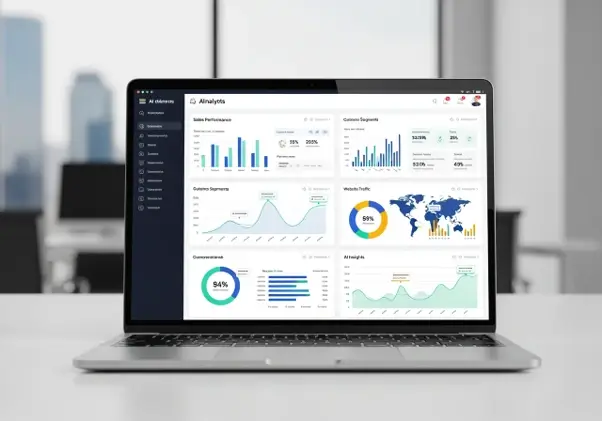
Emerging technologies are not just buzzwords; they are becoming integral to crafting superior customer experiences and driving sales. AI-driven analytics dashboards provide real-time insights into customer behavior, allowing for dynamic adjustments to marketing campaigns. Personalization, powered by machine learning, enables businesses to deliver highly relevant product recommendations, content, and offers, making each customer feel uniquely understood.
Chatbots, often enhanced by AI, are transforming customer service and lead generation. They can provide 24/7 support, answer common queries, and guide customers through the sales funnel. In fact, 36% of companies use chatbots to improve lead generation, and business leaders claim they can increase sales by 67%. Augmented Reality (AR) visualization tools are also gaining traction, particularly in sectors like furniture and beauty, allowing customers to virtually "try on" products or see how they would look in their own environment. This reduces purchase uncertainty and can significantly boost conversion rates.
The strategic use of first-party data has become a primary competitive advantage. By 2026, 72% of top direct-to-consumer (DTC) brands cite first-party data as their main edge in paid acquisition. This data enables precise targeting and personalized experiences across platforms. For businesses dealing with high-value items, such as those involved in the Trusted online AP resale market, these technologies enhance security, transparency, and the overall customer journey. Digital marketplaces, as explored in articles such as How Digital Marketplaces Are Reshaping Watch Collecting in Australia, leverage AI and data analytics to authenticate items, personalize recommendations, and streamline transactions for discerning collectors.
The Luxury Sector and Direct-to-Dealer Models
The luxury sector presents unique opportunities and challenges within e-commerce and digital marketing. For high-value items, trust, authenticity, and an impeccable customer experience are paramount. Digital strategies must reflect the exclusivity and quality associated with luxury brands. This often involves sophisticated content marketing, personalized outreach, and a seamless online shopping experience that mirrors the prestige of an in-person boutique.
Direct-to-dealer (DTD) models are gaining prominence, especially in niche markets like luxury watches. These models offer benefits such as enhanced security, faster transactions, and greater control over the customer experience. Companies operating with a 95% owned inventory model can ensure authenticity and quality, which is crucial for building consumer confidence in online luxury purchases. Services such as consignment and professional polishing of modern pieces further enhance the value proposition, ensuring that items meet the highest standards.
For individuals looking to Sell Luxury Watches Online, understanding these dynamics is key. The digital marketplace for luxury goods demands absolute market transparency and secure transactions, often facilitated by advanced authentication processes. The shift towards Online Watch Shopping means that digital platforms must not only showcase products beautifully but also provide detailed provenance, high-resolution imagery, and robust customer support to address the concerns of discerning buyers.
Starting a Career in the Industry
The booming digital marketing and e-commerce industries offer a wealth of career opportunities for individuals with diverse backgrounds. The demand for skilled professionals is high, with over 116,000 open jobs in the U.S. alone, boasting a median entry-level salary of $71,000. This makes it an attractive field for career changers and recent graduates alike.
For beginners with no prior experience, getting started is more accessible than ever. Professional certificates, such as those offered by Google, provide structured learning paths that cover essential skills like SEO, social media marketing, email campaigns, and e-commerce store management. These programs often include practical, real-world use cases, allowing learners to build a portfolio of projects such as customer personas and social media calendars. 75% of certificate graduates report a positive career outcome (e.g., a new job, promotion, or raise) within 6 months of completion, demonstrating the effectiveness of these pathways.
Aspiring professionals can explore various entry-level roles, including digital marketing specialist, e-commerce coordinator, social media manager, content creator, or SEO assistant. Developing a strong understanding of the different types of digital marketing and their applications, as outlined in resources like What Is Digital Marketing? Types and Examples for Retail and Ecommerce success are crucial. Practical skills, coupled with a passion for continuous learning, are highly valued.
For those interested in specific niches, such as the luxury market, understanding the intricacies of online transactions for high-value items is paramount. Resources like Find Your Perfect Timepiece: A Complete Guide to Buying Watches Online or insights into How Online Auctions Are Changing Luxury Resale Forever can provide valuable context. The key is to develop a foundational skill set, build a practical portfolio, and actively seek opportunities for growth and specialization.
Business Outstanders brings you sharp insights on tech, business, entrepreneurship, law, crypto, and more. We uncover what’s next. Stay updated, sign up for our newsletter and be part of the future!