Seasonal demand has a funny way of telling the truth.
For most of the year, your business can look calm. Orders move at a steady pace. Inventory fits where it’s supposed to fit. Your team knows the routine. Then the holiday rush hits, summer bookings rise, a school season promo takes off, or one social media post sends customers straight to your checkout page.
Suddenly, the old system feels too small.
That’s where many business owners get stuck. They don’t always need a bigger company. They need a better logistics model for the busy season. The right setup helps you protect cash flow, keep customers happy, and avoid buying more space or hiring more people than you need all year.
Seasonal Growth Is Great Until It Gets Messy
Seasonal demand sounds like a good problem. More orders. More traffic. More chances to grow. And yes, that’s true. But growth can turn messy when your fulfillment process isn’t ready for it.
A shop that ships 80 orders a week in March can struggle with 800 orders a week in November. A food brand that handles local deliveries during slow months can fall behind when farmers' markets, pop-ups, and online sales all peak at once. Tourism businesses face the same squeeze when visitors flood in during spring break or summer.
The hard part is that seasonal demand doesn’t always build slowly. Sometimes it jumps.
That jump affects more than shipping. It touches storage, labor, packing supplies, returns, delivery speed, and customer service. When one piece breaks, the whole experience feels shaky.
You know what? Customers don’t care that your back room is full or that your team is short-staffed. They care that their order arrives on time and in good shape. That may sound harsh, but it’s how business works.
Start With the Shape of Your Demand
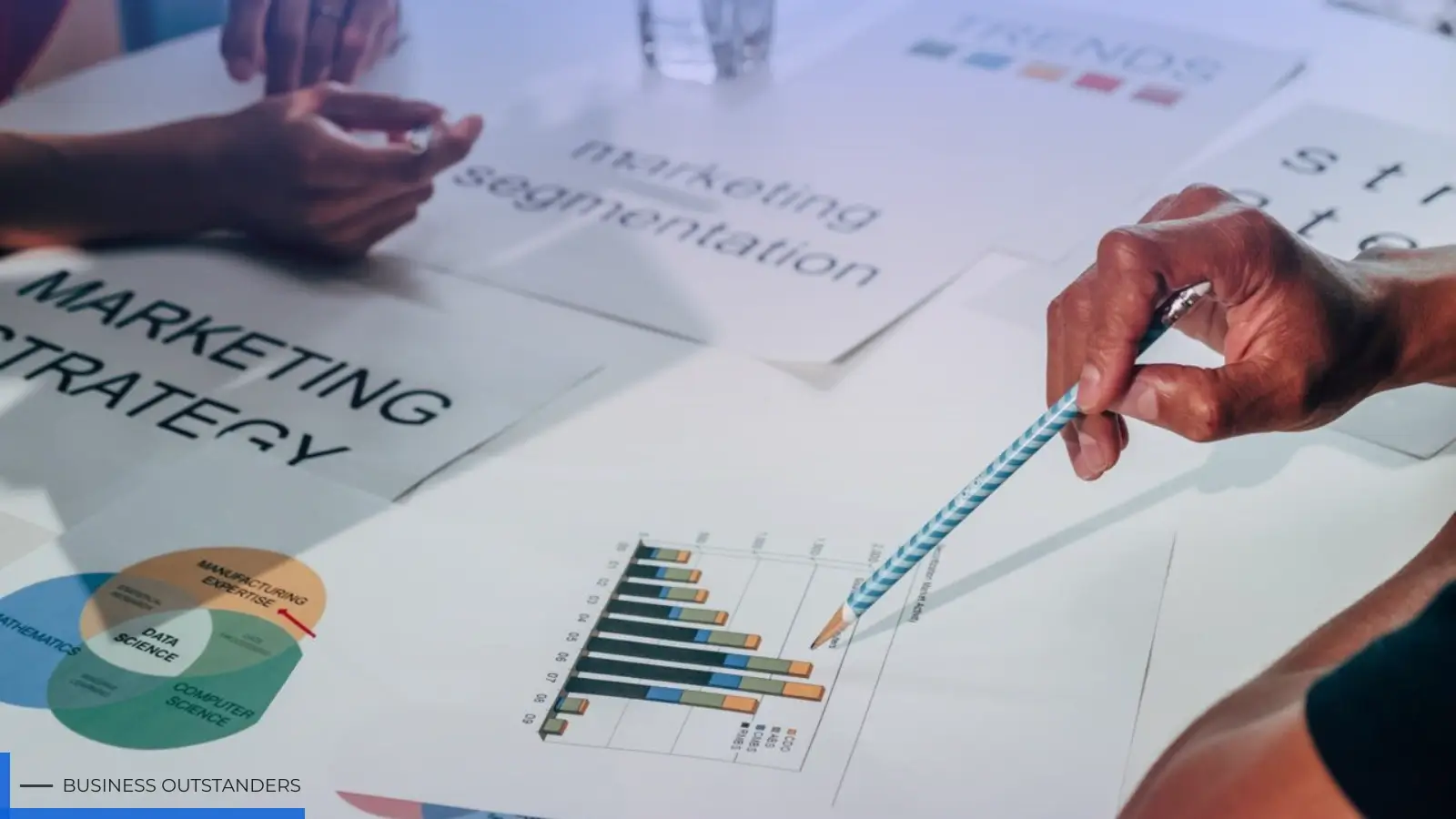
Before choosing a logistics model, look at your demand pattern. Not all busy seasons are the same.
Some businesses see predictable spikes. Think holiday gift brands, school supplies, lawn care products, summer apparel, or tax-season services. Others deal with event-driven bursts, like concert merchandise, convention orders, sports tournaments, or limited product drops.
The first type gives you time to prepare. The second type asks for more flexibility.
Ask simple questions:
- How many extra orders do you expect?
- How long does the busy period last?
- Do customers expect fast delivery?
- Do products need special storage?
- Can your current team handle returns?
- What happens if sales are higher than expected?
These questions are not just paperwork. They tell you whether your current process bends or breaks.
If your seasonal rush lasts only two weeks, a short-term fix can work. If it lasts four months, you need something sturdier. If your products are bulky, fragile, cold, or high-value, your storage and handling needs change too.
When In-House Fulfillment Still Makes Sense
Keeping fulfillment in-house feels comfortable for many business owners. You control the process. You see the inventory. You can fix issues fast. For smaller seasonal spikes, this model still works well.
In-house fulfillment is a good fit when your order volume rises but stays manageable. Maybe you hire temporary workers, add packing tables, extend warehouse hours, or use tools like Shopify, ShipStation, QuickBooks Commerce, or Square inventory tracking to keep the flow clean.
This model works best when your products are simple to pack, and your delivery promise is realistic.
But here’s the catch. In-house logistics can hide costs. Extra labor, overtime, mistakes, lost inventory, delayed orders, and cramped storage all add up. A business owner may think, “We’re saving money because we’re doing it ourselves.” Then January arrives, and the team is exhausted, customers are annoyed, and returns are stacked in a corner.
That doesn’t mean in-house is wrong. It means you need to know its limits.
Temporary Storage Can Buy You Breathing Room
Sometimes your biggest problem isn’t shipping. It’s space.
Seasonal inventory can swallow an office, garage, retail stockroom, or small warehouse fast. Boxes pile up. Staff start working around stacks of product. Packing slows down because no one can find anything. It’s like trying to cook dinner in a kitchen where every counter is covered with grocery bags.
Temporary storage helps when you need more room but don’t want a long lease.
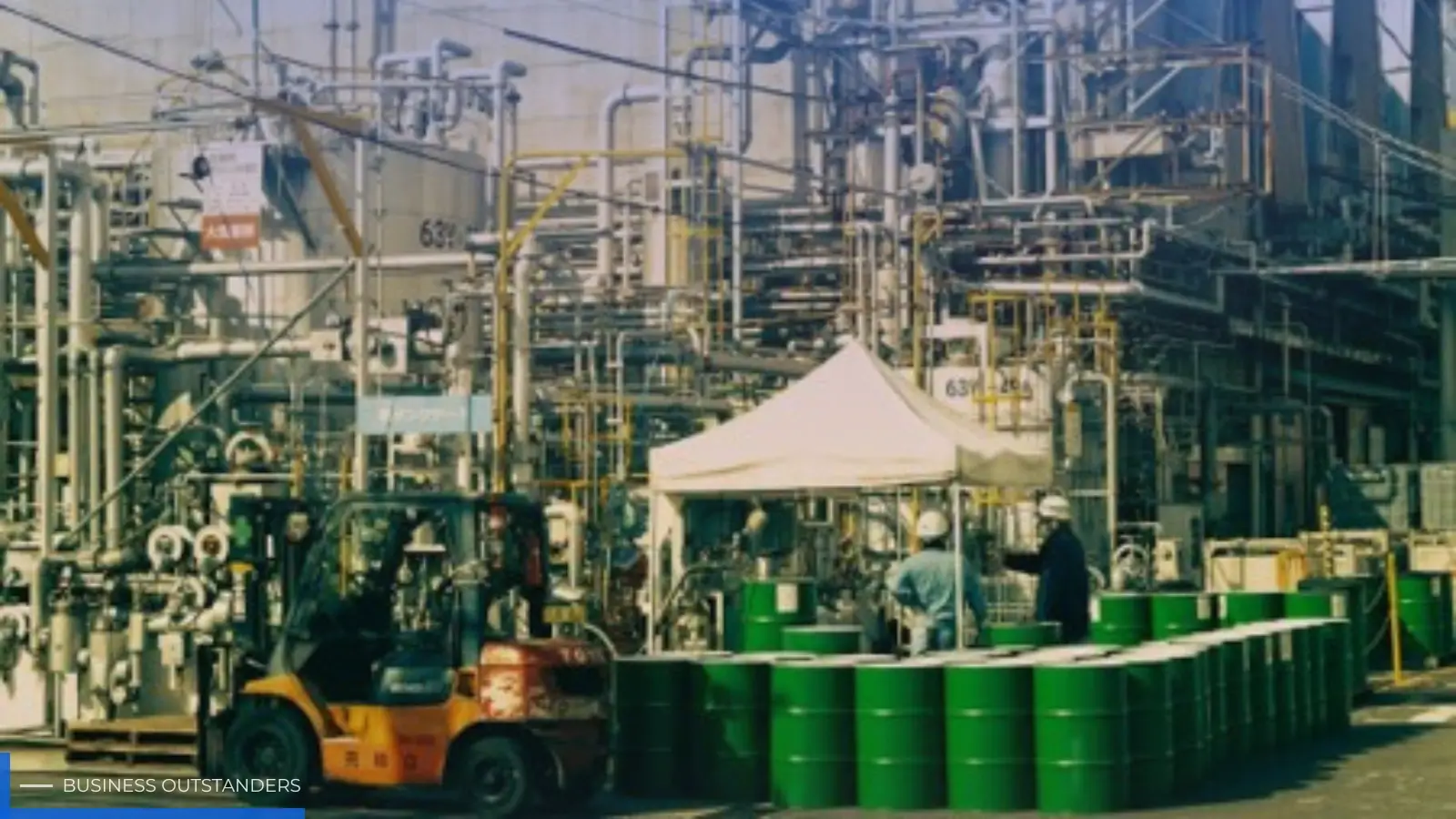
This can include short-term warehouse space, storage units, pop-up stockrooms, or flexible commercial storage near your customer base. For businesses with predictable seasonal demand, temporary storage gives you a buffer without locking you into year-round overhead.
Still, storage alone doesn’t solve everything. You need a clear system for labeling, counting, moving, and restocking inventory. Otherwise, temporary storage becomes a bigger closet with the same old problems.
Regional Warehousing Helps When Distance Becomes Expensive
Shipping from one location works until your customer base spreads out.
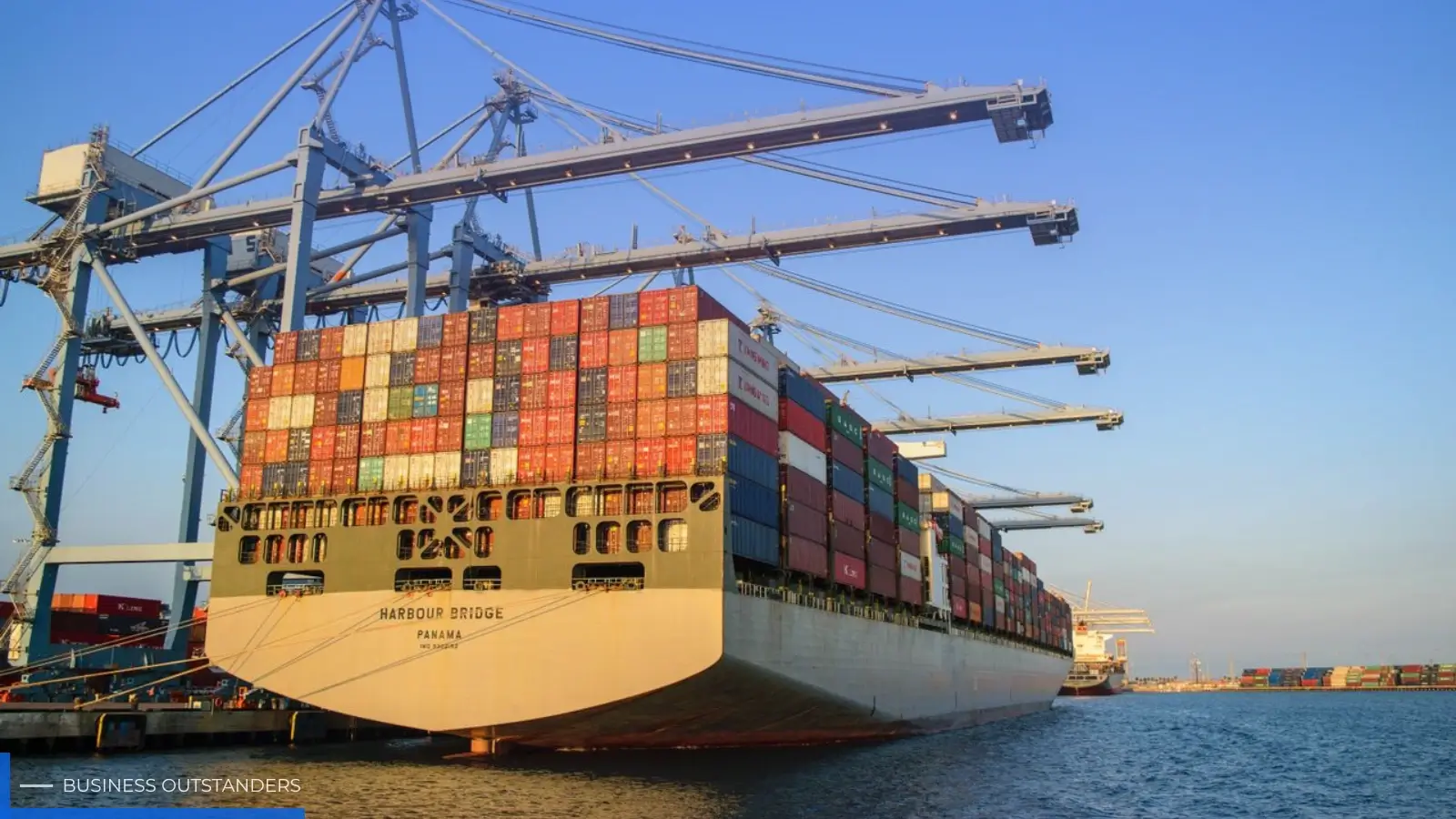
If you sell from Florida but many seasonal orders come from the Northeast, West Coast, or Midwest, delivery times and shipping costs can climb. Regional warehousing shortens that distance. It puts inventory closer to customers, which helps speed up delivery and lower shipping pressure.
This model fits businesses with strong sales data. If you know where orders come from during peak season, you can place stock in the right regions before demand rises.
But regional warehousing needs planning. You have to decide how much inventory goes where. Send too little, and you run out. Send too much, and money sits on shelves. It’s a balancing act, not a magic trick.
Regional warehousing works especially well for brands with repeat seasonal patterns. Apparel, outdoor gear, event merchandise, beauty products, and home goods often benefit from this model when demand clusters by region.
When Outside Logistics Support Becomes the Smarter Move
At some point, seasonal growth becomes too complex to handle alone. That point looks different for every business.
For one company, it’s when the team starts missing shipping cutoffs. For another, it’s when the founder spends more time printing labels than selling. For another, it’s when inventory errors create refunds, complaints, and awkward emails.
This is where outside support can make sense. Businesses that need warehousing, fulfillment, distribution help, and stronger seasonal capacity often look at third party logistics as a practical option.
The value isn’t just space. It’s a process.
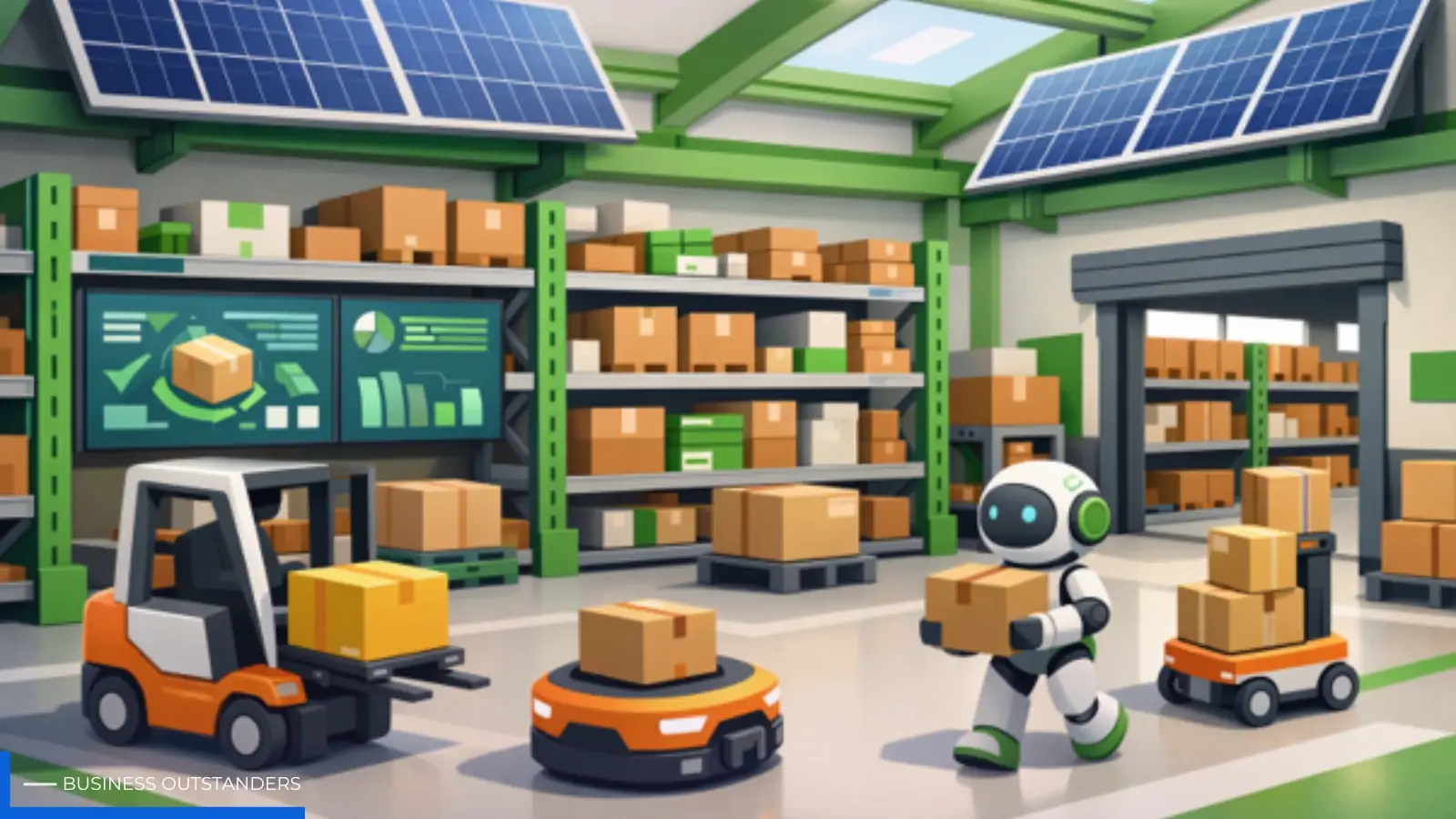
A logistics partner can receive inventory, store products, pick and pack orders, handle shipping, manage returns, and support higher volume during peak periods. That lets your internal team focus on marketing, sales, customer service, product quality, and cash flow.
Of course, outsourcing is not free. You need to understand storage fees, pick-and-pack fees, shipping rules, tech setup, service levels, and contract terms. Ask what happens during peak weeks. Ask how they handle errors. Ask how fast they ship. Ask what data you can see.
Honestly, a cheaper logistics partner that fails during your busiest month is not cheap. It’s expensive in a different costume.
The Hybrid Model Is Often the Sweet Spot
Many growing businesses don’t need one clean answer. They need a mix.
A hybrid logistics model lets you keep some fulfillment in-house and send the rest elsewhere. For example, you may handle local pickup and custom orders yourself while sending standard online orders to a fulfillment partner. Or you may store core products in your own space and use temporary storage during peak months.
This model works well because it gives you control where control matters and support where volume gets heavy.
A hybrid setup is useful for:
- Businesses testing seasonal growth
- Brands with both online and local sales
- Products that need custom packaging
- Companies with limited staff
- Owners who want help but don’t want to hand over everything
The key is clarity. Your team should know which orders go where, who handles returns, and how inventory gets updated. If the handoff is muddy, customers feel it.
Don’t Forget the Customer Promise
Logistics is not just a back-office issue. It shapes your brand.
If you promise two-day shipping during your busiest season, your logistics model must support that promise. If your product is a holiday gift, late delivery hurts more. If your customers are parents buying back-to-school items, timing matters. If tourists order local goods before heading home, speed matters too.
The customer promise should guide the model. Reliable business logistics help ensure those customer expectations can be met consistently, even during peak periods.
Some businesses can win with slower, cheaper shipping if they communicate clearly. Others need fast delivery because competitors offer it. Neither path is wrong. What’s wrong is making promises your operations can’t keep.
Think of logistics like the plumbing behind a nice hotel. Guests don’t notice it when everything works. They notice fast when it doesn’t.
Seasonal Demand Touches Other Industries Too
It’s easy to think about logistics only in terms of products, boxes, and warehouses. But seasonal demand also affects service businesses, local venues, and event-based companies. Wedding venues, for example, deal with busy inquiry seasons, tour scheduling, vendor coordination, guest expectations, and marketing pushes before peak booking months.
That’s why some venue owners look at services like SEO for wedding venues when they want steady visibility before engagement season or regional booking surges. It’s not logistics in the warehouse sense, but it’s still demand planning. The more attention a business gets, the more prepared its systems need to be.
In destination markets, searches can become very specific. Couples may compare outdoor spaces, guest capacity, photo spots, and location style long before they contact anyone. A phrase like garden wedding venues raleigh nc shows how local intent can drive seasonal interest for venues that depend on timing, weather, and event calendars.
The same applies to scenic venues in travel-heavy areas. Searches for lake pepin wedding venues are tied to place, season, and experience. That’s a useful reminder for business owners in any field. Demand is rarely random. It follows calendars, habits, weather, budgets, and life events.
Choose the Model That Fits the Season, Not Your Ego
Some owners hold on to in-house fulfillment because it feels responsible. Some outsource too early because they want to look bigger than they are. Both choices can create problems.
The better move is to choose the model that fits your numbers.
If your seasonal spike is small, improve your in-house process. If space is the issue, use temporary storage. If distance raises costs, consider regional warehousing. If volume overwhelms your team, bring in outside logistics support. If your needs are mixed, build a hybrid model.
Seasonal demand should not feel like a fire drill every year. It should become something you plan for, measure, and improve.
A strong logistics model doesn’t remove all stress. Busy seasons are still busy. But it gives your business room to breathe. Orders move. Customers stay calm. Your team doesn’t have to run on caffeine and panic.
And that’s the real goal. Not just surviving the rush, but coming out of it with more sales, better systems, and a business that’s ready for the next season.
Business Outstanders brings you sharp insights on tech, business, entrepreneurship, law, crypto, and more. We uncover what’s next. Stay updated, sign up for our newsletter and be part of the future!