That’s usually how you know things are going well. Orders go out. Deliveries arrive. Schedules hold. Customers don’t call asking where things are. Internally, there’s less scrambling. Less apologising. Less quiet panic behind the scenes.
Good logistics are invisible by design. They don’t shout for attention. They just keep the business moving. The problem is that when logistics start slipping, they don’t always fail loudly at first. They drag. They slow. They introduce friction that people feel long before they can clearly explain it.
The Small Breakdowns That Cause Big Disruptions
Most logistical issues don’t start with major disasters. They start with small things. A delivery that’s late but manageable. A route that’s inefficient but familiar. A vehicle that’s still running, technically, even though it probably shouldn’t be relied on much longer.
People adapt. They find workarounds. They build buffers into their day. Over time, those workarounds become routine, and inefficiency starts feeling normal. That’s when problems get expensive. Not all at once, but gradually.
Systems Matter More Than Speed
There’s a tendency to focus on speed in logistics. Faster deliveries. Tighter turnarounds. Shorter timelines. Speed matters, but it’s not the foundation. Consistency is.
Reliable systems reduce stress across the business. When people trust the process, they plan better. They communicate more clearly. They make fewer reactive decisions. Smooth logistics are less about moving faster and more about removing unnecessary obstacles. Clear scheduling. Realistic timelines. Well maintained assets. Simple communication loops.
Maintenance Is Part of Strategy, Not Just Operations
One of the easiest ways logistics fall apart is when maintenance gets treated as something to deal with later. Later becomes next month. Then next quarter. Then an emergency.
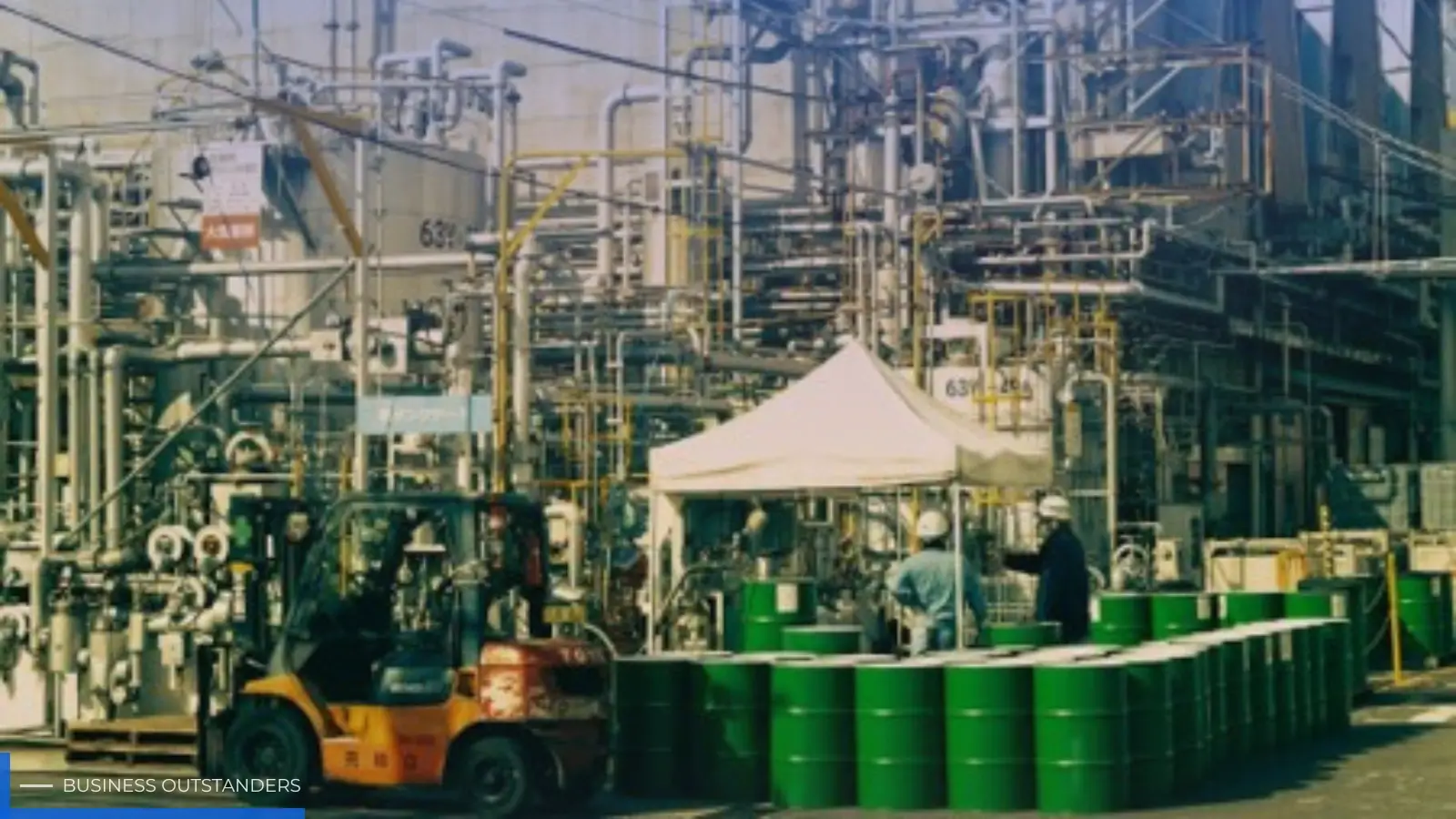
Whether it’s equipment, software, or vehicles, upkeep is what keeps momentum intact. Fleet vehicle maintenance, for example, often gets framed as a cost rather than a stabiliser. In reality, it’s what prevents missed deliveries, staff downtime, and last minute scrambling that costs far more than routine care ever would. Preventive thinking keeps logistics calm. Reactive thinking keeps them loud.
People Feel the System Before They Understand It
Your team feels logistical strain before it shows up in reports. Drivers know when routes are unrealistic. Warehouse staff know when systems are clunky. Admin teams know when information doesn’t flow properly.
Listening to those signals matters.
When people feel supported by the system, morale improves. When they constantly have to fight it, burnout creeps in quietly. Smooth logistics don’t just protect profit margins. They protect people.
Technology Helps, But Only When It’s Aligned
Tools can absolutely improve logistics. Tracking software. Scheduling platforms. Communication systems. But tools don’t fix broken processes on their own.
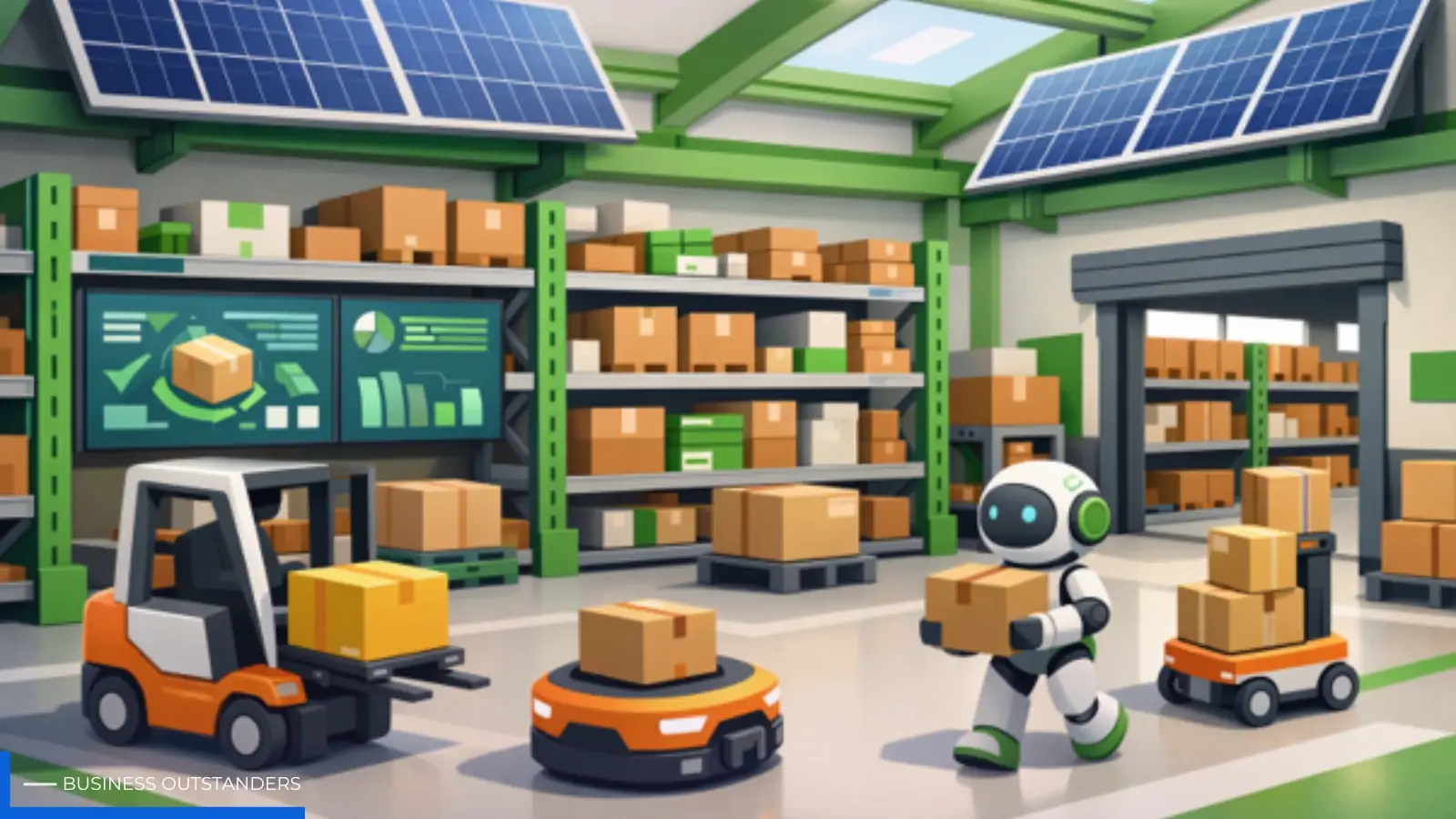
If the workflow is unclear, technology adds complexity instead of clarity. The best logistical setups use technology to reinforce simple, well understood processes rather than replace thinking. Less friction usually comes from alignment, not automation alone.
Smooth Logistics Are Built Over Time
No logistics operation is perfect. Things go wrong. Weather changes. Suppliers slip. Customers change their minds. That’s normal. What matters is how resilient the system is when that happens. Are there buffers. Clear communication paths. Backup plans that don’t feel chaotic.
Keeping logistics running smoothly is not a one time project. It’s ongoing attention. Small improvements. Regular check ins. A willingness to fix things before they break. And when it’s done well, most people won’t notice at all. Which is exactly the point.
Business Outstanders brings you sharp insights on tech, business, entrepreneurship, law, crypto, and more. We uncover what’s next. Stay updated, sign up for our newsletter and be part of the future!