Introduction: Understanding the Need for Reliable Parking Solutions
The transportation industry continues to grow at a rapid pace, driven by increased consumer demand, expanding logistics networks, and the rise of long-haul deliveries. With thousands of commercial vehicles on the road at any given moment, the need for reliable and safe parking has become more important than ever. Drivers require secure places to rest, businesses need efficient areas to support fleet operations, and logistics companies must plan carefully to maintain smooth workflows. Unlike smaller vehicles that can fit into various temporary spaces, trucks require much more room, structural strength, and specialized design considerations to ensure safety and accessibility. As a result, well-managed parking environments play a crucial role in the overall transportation ecosystem, supporting driver well-being, operational efficiency, and long-term asset protection.
Why Truck Parking Is a Central Issue in Transportation
The growing number of trucks on the road has intensified the struggle to find suitable areas for extended parking. Long-haul drivers are required to follow strict regulations that mandate adequate rest periods, which makes access to reliable parking essential. Without proper spaces, drivers may stop in unsafe areas, such as roadside shoulders or unauthorized zones, risking legal issues, safety hazards, and higher stress levels. Insufficient parking availability also creates delays, disrupts delivery timelines, and contributes to driver fatigue. Furthermore, businesses that operate fleets need organized areas where drivers can park, load, unload, or wait for dispatch. As the demand for freight movement rises, the need for secure and structured parking grows right alongside it, making this a fundamental component of modern logistics.
Key Considerations When Designing Parking for Trucks
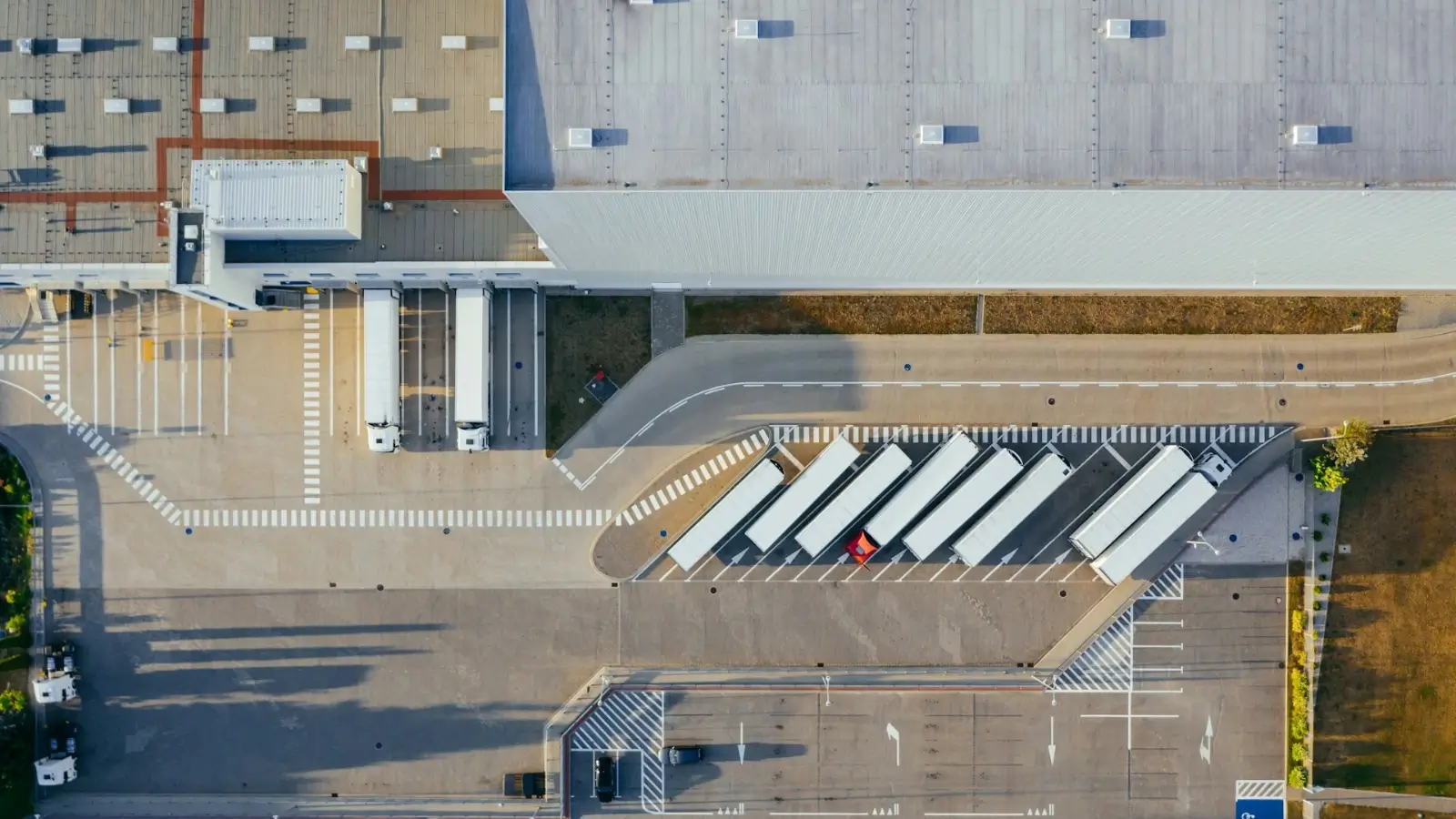
Designing effective parking solutions requires a deep understanding of truck dimensions, maneuvering needs, and operational requirements. Spaces must be wider and longer than standard parking lots to accommodate various truck sizes, including tractors, trailers, and specialty vehicles. The turning radius must be factored into layout planning, ensuring that drivers can navigate without risking collisions or damaging the vehicle. Surfaces require durable materials capable of handling heavy loads over long periods. Adequate drainage systems help prevent water accumulation that could weaken the pavement or create slippery conditions. Clear signage, lighting, directional arrows, and designated entry and exit points simplify navigation and reduce confusion during busy hours. Proper planning ensures that parking areas remain functional, safe, and easy to access.
Safety Measures That Enhance the Parking Experience
Safety is one of the top concerns for truck drivers, fleet managers, and property owners. Trucks often carry valuable cargo or expensive equipment, making them targets for theft or vandalism. High-quality lighting, surveillance cameras, secure fencing, and controlled access systems significantly reduce these risks. Alarmed gates, monitored entry points, and periodic patrols provide an extra layer of protection. Inside the parking area, safety features such as non-slip surfaces, emergency call stations, visible signage, and designated pedestrian walkways help prevent accidents. Well-designed parking lots encourage safe driving behavior and reduce the likelihood of collisions, property damage, or personal injury. When safety is prioritized, drivers feel more comfortable and confident leaving their vehicles for the night or during extended stops.
Comfort and Amenities That Support Drivers
Modern truck parking facilities increasingly include amenities that help drivers rest, recharge, and prepare for the next part of their journey. Clean restrooms, shower facilities, comfortable lounges, laundry areas, and food options significantly improve a driver’s experience. Convenient access to fuel stations, repair services, and tire shops also adds value to the parking environment. Wi-Fi access, charging stations, and private rest areas are particularly beneficial for long-haul drivers who spend long periods away from home. These amenities help reduce stress, enhance safety, and promote healthier driving habits. Creating comfortable environments supports driver satisfaction and contributes to better performance on the road.
Maintenance Requirements for High-Quality Parking Areas
Proper maintenance is essential to ensure parking areas remain functional, safe, and long-lasting. Heavy trucks exert significant pressure on pavement surfaces, causing cracks, dents, and erosion over time. Regular inspections help identify early signs of wear before they turn into costly problems. Routine cleaning prevents debris from accumulating, which could damage vehicles or create hazards. Lighting should be tested frequently to ensure visibility and safety during nighttime. Drainage systems must remain clear to prevent flooding and structural damage. Markings, signs, and lane indicators may require repainting to remain visible and effective. A proactive maintenance approach ensures that parking facilities remain dependable and appealing for drivers and operators.
Environmental Considerations in Parking Facility Design
Modern parking areas often incorporate environmentally friendly features to reduce their ecological footprint. Permeable pavement allows water to drain naturally, reducing the need for heavy drainage systems and minimizing environmental impact. Green landscaping, solar-powered lighting, and energy-efficient equipment help reduce utility costs and promote sustainability. Proper waste management systems ensure that oil, fuel, and maintenance byproducts do not contaminate soil or groundwater. Integrating electric charging stations supports the shift toward cleaner transportation. Designing parking facilities with environmental responsibility in mind benefits the community, reduces long-term costs, and aligns with modern sustainability goals.
Common Challenges Drivers Face When Searching for Parking
Despite growing awareness of the issue, drivers still face major challenges when seeking safe and reliable parking. Many rest areas overcrowd quickly, especially during peak travel hours. Urban spaces are often too narrow or heavily restricted to accommodate large vehicles. Lack of signage can lead to confusion, causing drivers to spend valuable time searching for suitable spots. Seasonal fluctuations, traffic congestion, and regulatory limitations add further obstacles. These challenges can increase stress, fuel consumption, and scheduling delays. Overcoming them requires improved infrastructure, greater investment in parking facilities, and better coordination across the transportation industry.
Technology’s Role in Improving Parking Efficiency
Technology has become a powerful tool for improving parking solutions. Real-time monitoring systems help drivers locate available spaces quickly, reducing time spent searching. Mobile applications allow users to reserve spots in advance, ensuring guaranteed availability upon arrival. Automated gates with digital access controls streamline entry and exit procedures. Surveillance cameras equipped with advanced analytics help facility managers monitor activity and respond quickly to issues. Sensor-based systems detect occupancy and improve space allocation. These innovations offer greater convenience, higher security, and improved overall efficiency for both drivers and operators.
Choosing the Right Parking Facility
Drivers and businesses must evaluate several factors when selecting a suitable parking area. Security should always be a primary consideration, as well-protected spaces reduce risks and provide peace of mind. Accessibility matters as well, as drivers need to enter and exit the facility without unnecessary detours or blind spots. The quality of amenities, cleanliness, and maintenance standards significantly influence comfort and safety. Pricing models should align with budget expectations, and reservation policies must be clear to avoid misunderstandings. Evaluating these factors ensures that vehicles remain safe, drivers stay comfortable, and operations proceed smoothly.
How Parking Supports Overall Fleet Management
Fleet operations rely heavily on structured and organized parking environments. When trucks are stored properly, it becomes easier to track vehicle locations, schedule maintenance, and prepare for dispatch. Organized parking reduces confusion, prevents bottlenecks, and keeps operations running efficiently. Digital systems that integrate parking data with fleet management tools greatly enhance oversight. Maintaining a dependable parking setup allows companies to minimize downtime, improve scheduling consistency, and enhance overall workflow. As a result, fleet managers can operate more effectively and with fewer interruptions.
Conclusion: The Long-Term Importance of Building Better Parking Solutions
Reliable truck parking plays an essential role in ensuring safety, efficiency, and comfort within the transportation industry. As the demand for freight movement grows, well-structured facilities that offer secure environments, modern amenities, and sustainable design become invaluable. Investing in reliable truck parking not only enhances driver experience but also supports businesses, improves fleet management, and strengthens the entire logistics network. With thoughtful planning, proper maintenance, and the integration of modern technology, high-quality truck parking solutions contribute to smoother operations, safer roads, and long-term industry growth. Ultimately, dedicated parking environments ensure that drivers can rest safely, vehicles remain protected, and transportation enterprises operate with greater stability and confidence.
Business Outstanders brings you sharp insights on tech, business, entrepreneurship, law, crypto, and more. We uncover what’s next. Stay updated, sign up for our newsletter and be part of the future!