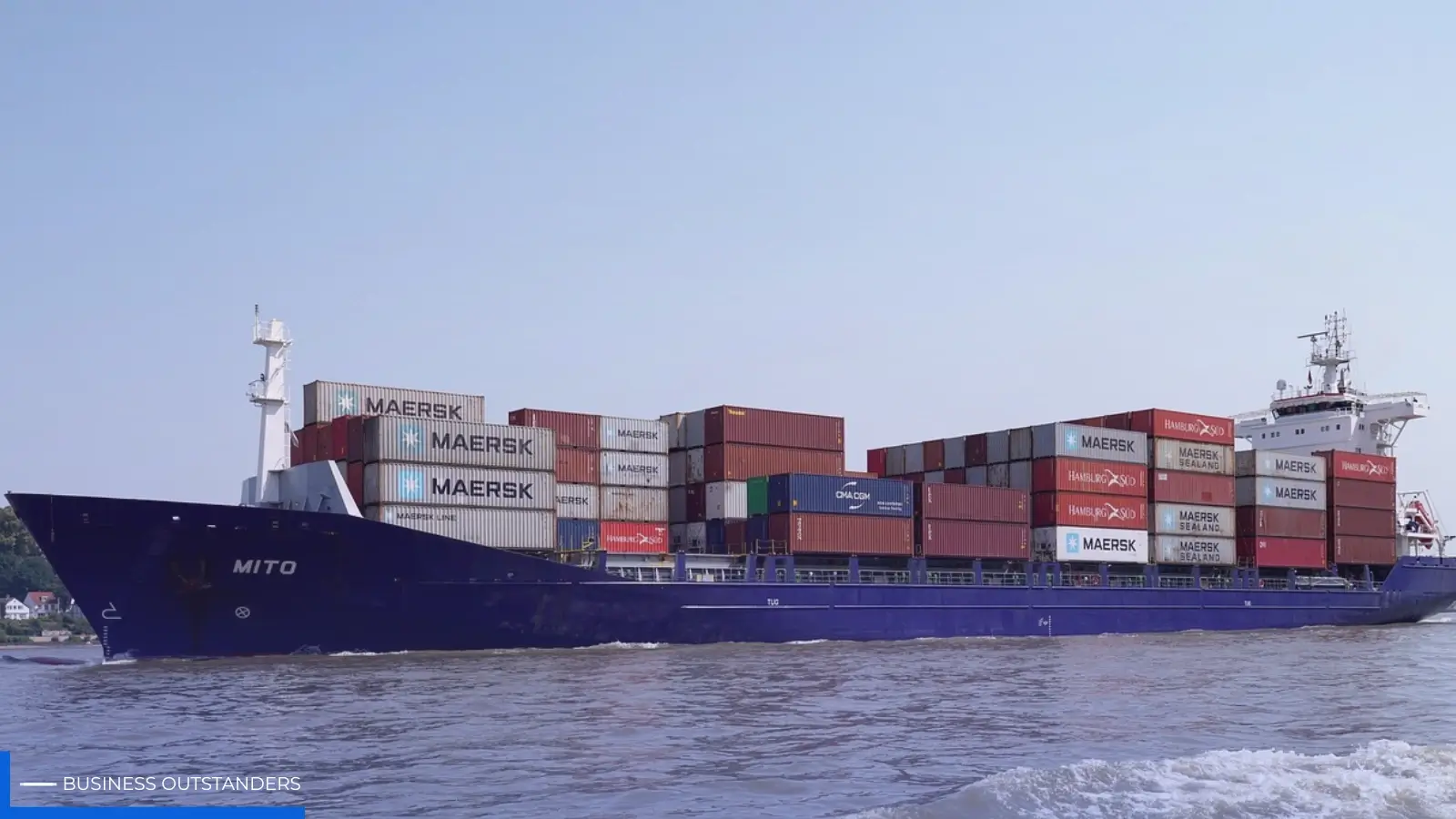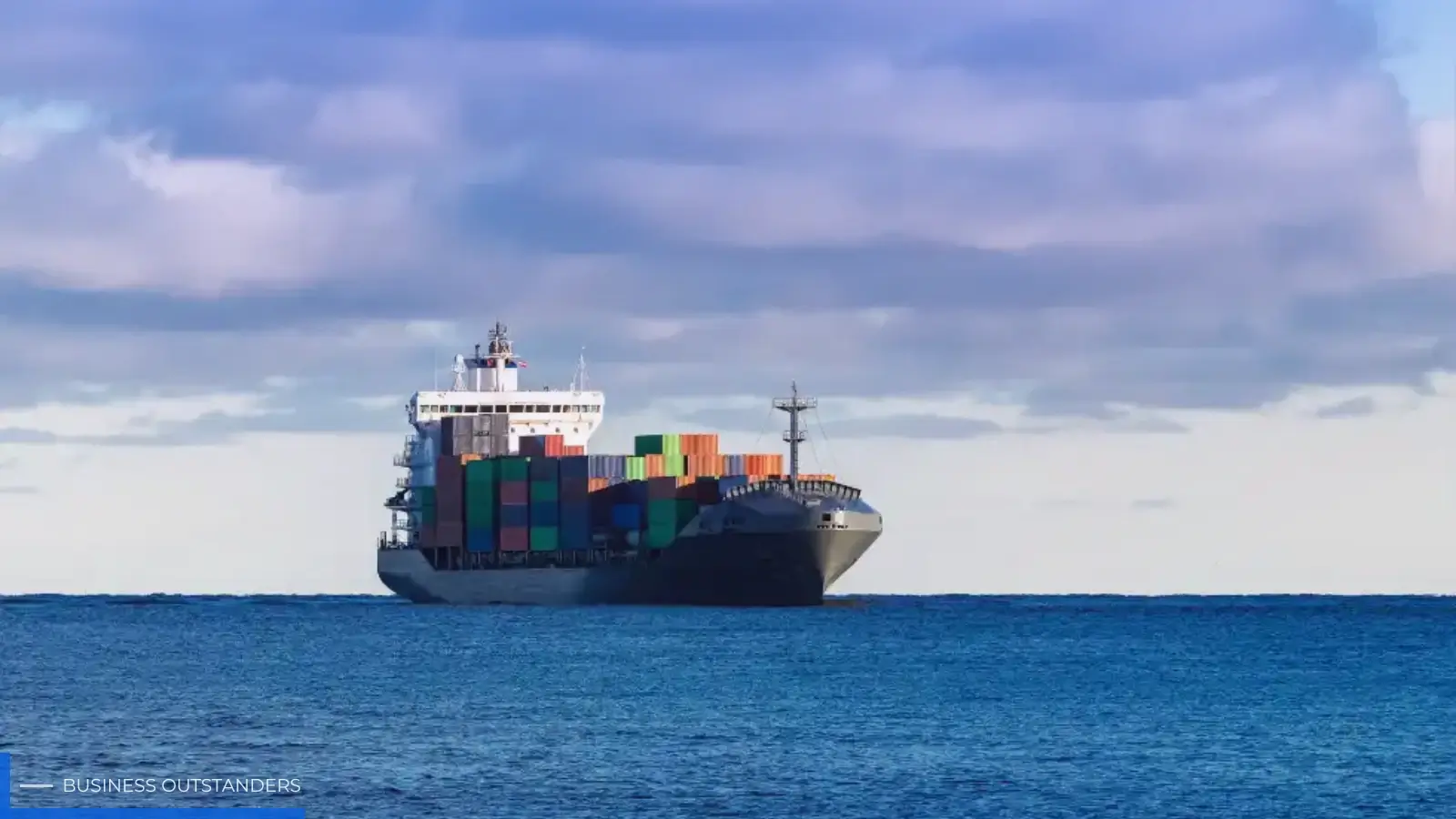
Global supply chains face high operational volatility. Geopolitical tensions, strikes, and climate anomalies frequently cause unexpected maritime vessel diversions. A capable freight forwarder helps navigate these rapid shifts and protects your international logistics network.
Ocean transits rarely offer direct paths today. Avoiding dangerous geographical chokepoints adds significant nautical miles to standard journeys. Managing this complexity requires strategic logistics partnerships rather than hunting purely for the lowest port-to-port quote.
The Reality Of Volatile Shipping Lanes
Securing ocean container space requires contracting an agile Freight Forwarder before major disruptions strike. Agility heavily influences modern supply chain survival. Companies relying strictly on rigid seasonal schedules face operational risks whenever carriers unpredictably alter their established routes.
1. Assessing Route Disruption Impacts
Sudden vessel diversions create cascading effects extending throughout your supply network structure. Understanding the probable commercial consequences of shifted ocean paths remains critical for effective logistics risk management globally.
2. Immediate Fuel Cost Pressures
When a container ship diverts around the Cape of Good Hope, the vessel travels thousands of extra nautical miles. This additional distance increases fuel consumption and can put upward pressure on freight-related costs, especially during unstable market conditions.
3. Costly Schedule Delays
Increased nautical miles generally add several days or sometimes weeks to standard transit times. Sophisticated inventory forecasting models struggle significantly when maritime journeys extend beyond their baseline duration, forcing procurement planners to quickly adjust their future container booking strategies.
4. Working Capital Squeezes
Severely extended travel times temporarily trap vital working capital in transit. Consumer brands may experience challenging stockouts on highly popular retail items, risking severe revenue drops while valuable merchandise floats across the ocean pending delivery.
Operational Capabilities To Demand
Not every freight forwarder is equipped to manage route volatility in real operating conditions. Evaluate their internal organizational infrastructure against actual global emergency scenarios before committing to long-term cargo volume contracts.
Dynamic Route Optimization
Professional global logistics operators maintain real-time visibility over shipping network capacity. They prepare rapid cargo diversion contingency plans utilizing two specific capabilities:
- Identifying alternative regional feeder vessel slots.
- Adjusting inland transportation links proactively upon vessel delays.
Extensive Network Partnerships
Navigating global schedule disruptions requires strong international operational relationships. A capable provider leverages extensive global capacity networks intelligently. This approach generally helps secure much more reliable space allocations during sudden, intense maritime market container shortages.
Alternate Modal Transport Access
Whenever standard ocean shipping lanes become heavily congested financially, extreme operational agility is immediately required. Exploring supplementary transport modes like hybrid sea-air combinations offers vital pathways for the continuous physical movement of highly critical seasonal merchandise.
Mitigating Financial And Legal Risks
Unexpected nautical miles additions trigger complex commercial disputes alongside notable operational liability concerns globally. Establishing clear accountability frameworks upfront helps shield your corporate balance sheet from otherwise unpredictable international supply logistics disruptions.
Incoterms Risk Transfer
Shifting shipping routes often blur everyday trading assumptions. Properly structured international commercial terms clearly define when physical cargo risk transfers between buyers and sellers. This helps clarify financial responsibility if cargo is damaged during major rerouting events.
Comprehensive Insurance Protections
Basic carrier liability coverage rarely provides adequate compensation during major maritime rerouting accidents. Procuring comprehensive cargo insurance policies via an experienced freight forwarder significantly mitigates your severe financial risks if physical goods sustain actual damage amidst prolonged maritime operational detours.
How to Choose the Right Freight Forwarder
Choosing the right freight forwarder means looking beyond freight rates and evaluating how they perform during disruption. Assessing potential forwarders systematically on their specific operational workflows generally builds significantly better program resilience during any unexpected maritime container capacity shortages globally.
Check How They Respond to Route Changes
Ask prospective forwarders to demonstrate their crisis management protocols clearly. Capable logistics operators typically work quickly to identify alternative regional feeder vessel slots and intelligently adjust vital inland transportation links whenever sudden global vessel diversions happen.
Review Their Communication Process
Transparent supply data sharing remains crucial when transit timelines surprisingly break down. Strong logistics partners establish processes to issue detailed digital alerts before commercial vessels alter their designated course, thereby empowering modern shippers to manage their expectant customer communications proactively.
Look Beyond Price When Comparing Providers
Hunting exclusively for the lowest port-to-port quote introduces unnecessary operational risks. Evaluate their internal organizational infrastructure, carrier relationship depth, and multi-modal transport access options carefully. Strong infrastructural capacity typically protects your supply chain significantly better than basic cheap logistics shipping rates.
Conclusion
Relentless shipping disruptions show that international trade increasingly depends on agile logistics partners. Modernizing your vendor selection criteria helps strengthen supply chain resilience in a less predictable shipping environment, especially when expanding globally and dealing with logistics and language barriers.
The right freight forwarder does more than move cargo. They help businesses respond faster, communicate better, and stay more flexible when routes, costs, and transit expectations change. Treating your provider as a strategic partner can support more stable long-term growth despite ongoing maritime headwinds.
Business Outstanders brings you sharp insights on tech, business, entrepreneurship, law, crypto, and more. We uncover what’s next. Stay updated, sign up for our newsletter and be part of the future!