Defining the Core: The Difference Between Transport and Logistics
While the terms "transport" and "logistics" are often used interchangeably, understanding their distinct roles is crucial for optimizing supply chain operations. At its heart, transport refers to the physical movement of goods from one point to another. It's the "engine" – the trucks, trains, ships, and planes that carry cargo. This involves fleet oversight, route planning, and the direct costs associated with fuel, labor, and maintenance.
Logistics, on the other hand, is the "brain" – the strategic planning, implementation, and control of the efficient, effective forward and reverse flow and storage of goods, services, and related information from point of origin to point of consumption. It encompasses a much broader scope, including inventory management, warehousing, order processing, demand forecasting, packaging, and the intricate coordination required to ensure products reach their destination efficiently and cost-effectively. Logistics professionals are tasked with engineering solutions to operational problems, requiring strong analytical skills to manage environments. The process begins not with the physical shipment, but with the initial purchase order, extending through customs clearance and final delivery.
The intersection of transport and logistics, often called "transport logistics," is where strategic planning meets physical execution. This is where warehouse loading schedules must perfectly align with transport delivery timelines, and where the choice of transport mode is dictated by a holistic understanding of cost, speed, security, capacity, flexibility, and environmental impact. Without robust logistics, transport can become disorganized, leading to costly delays and inefficiencies.
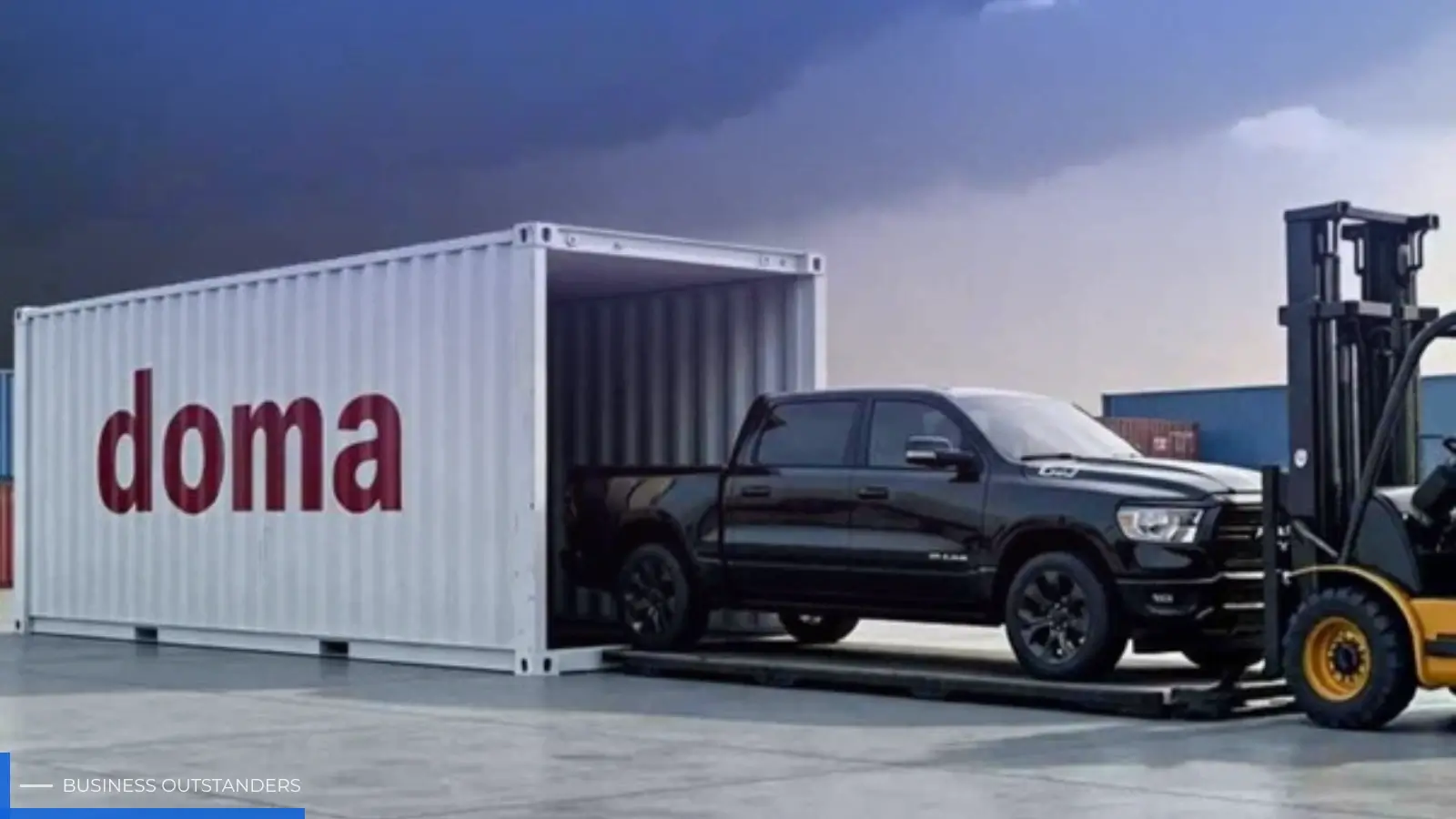
This distinction is vital for businesses seeking to streamline their operations. By clearly separating the physical movement from the overarching management and planning, we can identify specific inefficiencies and implement targeted solutions. For example, the adoption of the shipping container revolutionized ocean freight, reducing handling costs by an astounding 98.5% – a testament to how logistical innovation can transform transport efficiency.
Strategic Modes of International Movement
The global movement of goods relies on a diverse array of transportation modes, each with unique advantages and disadvantages. Understanding these allows businesses to select the most efficient and cost-effective method for their specific needs.
Ocean Vessel (Maritime Freight)
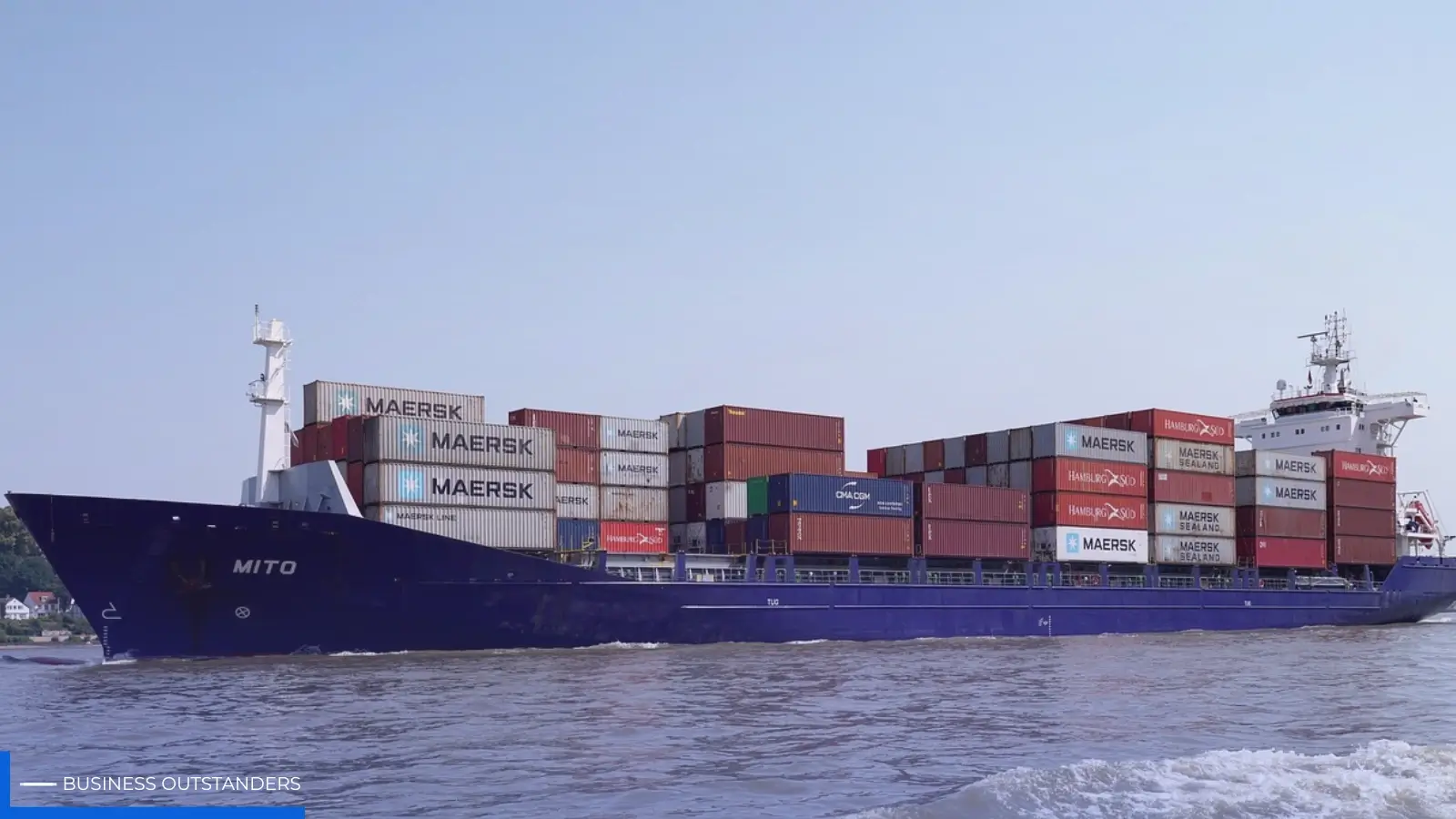
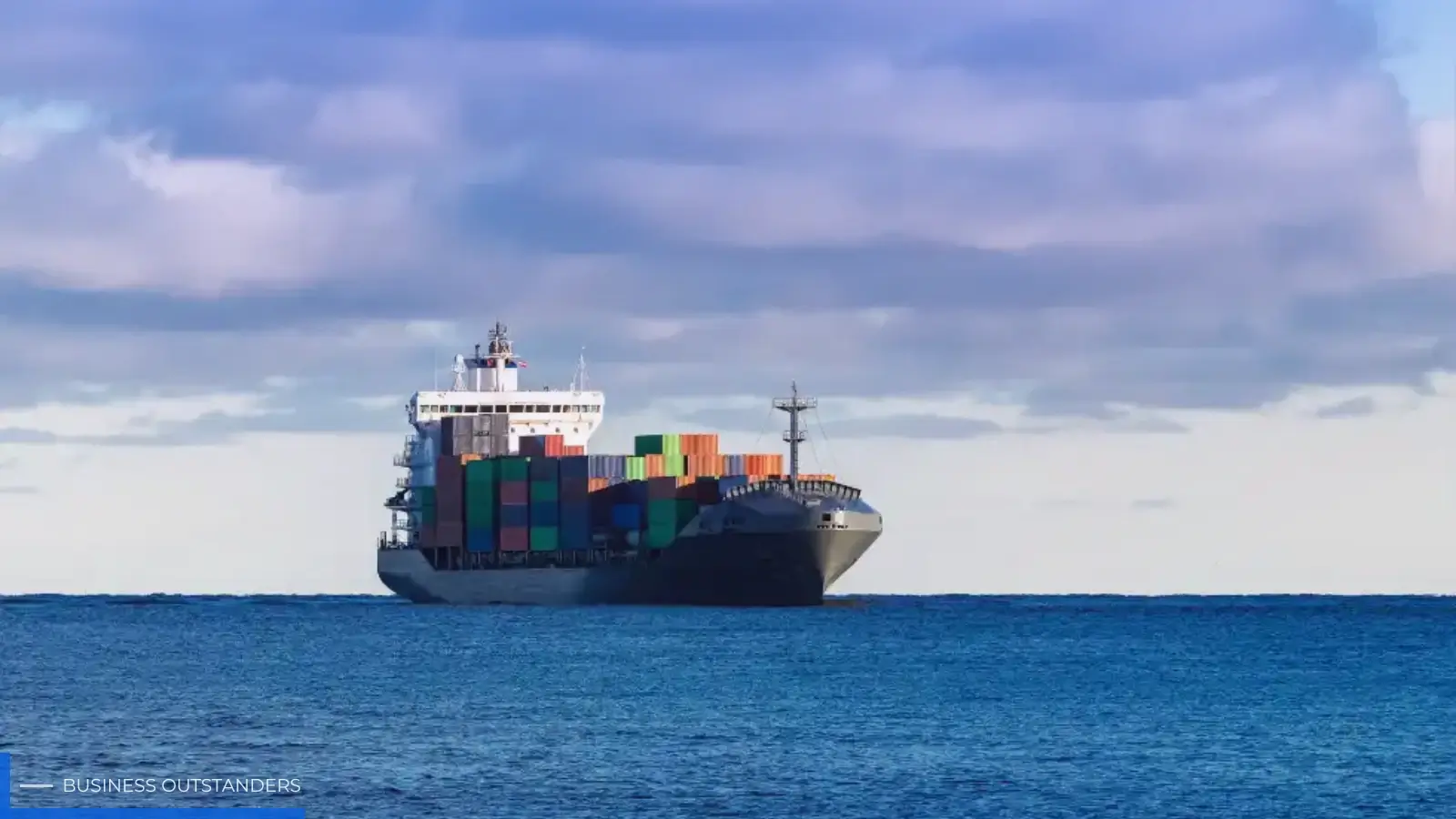
Ocean freight is the backbone of international trade, accounting for an astonishing 95% of all international cargo by volume. Its primary advantages are immense capacity and cost-effectiveness for large volumes over long distances. The innovation of containerization, championed by Malcolm McClean, significantly reduced handling costs and improved efficiency. However, ocean transport is the slowest mode, and susceptible to port congestion and geopolitical disruptions. For instance, in May 2026, major global ports continue to grapple with varying levels of congestion, a lingering effect of past supply chain shocks.
Air Cargo
Air freight is unparalleled in speed, making it ideal for high-value, low-volume, perishable, or time-sensitive goods. While significantly faster, it is also the most expensive mode and has a higher carbon footprint per ton-mile compared to sea transport. The industry experienced a dramatic shift during the COVID-19 pandemic, with a 75% reduction in international passenger flights in 2020 impacting cargo capacity and driving up prices. Air freight billing is often calculated based on the higher value between actual weight and dimensional (volume) weight, to discourage bulky, low-weight items.
Rail Infrastructure
Rail transport offers a cost-effective and environmentally friendly option for moving large volumes over long distances, particularly within continents. It's more efficient than road transport for bulk goods and can reduce carbon emissions significantly. Regions like Charlotte, NC, boast thousands of miles of railway, facilitating extensive domestic and cross-border movements. Rail often plays a crucial role in intermodal shipping, connecting ports to inland distribution hubs.
Motor Freight (Road Transport)
Road transport provides unparalleled flexibility and is the only mode that offers true door-to-door service without cargo repositioning. It's essential for last-mile delivery and connecting other transport modes. However, it's generally more expensive than rail or ocean for long distances, and contributes significantly to carbon emissions. The Charlotte region, for example, is home to hundreds of trucking firms, underscoring its importance in regional logistics.
Multimodal/Intermodal Shipping
This approach combines two or more modes of transport under a single contract (or "thru bill of lading"), leveraging the strengths of each. For example, goods might travel by ocean, then rail, and finally by truck to their destination. This strategy is increasingly favored for its balance of cost, speed, and efficiency, and is a key area of focus for optimizing complex global supply chains.
Specialized Cargo and Transport and Logistics
Shipping specialized cargo, such as perishables, high-value electronics, or even International food gifts freight, introduces additional layers of complexity. These shipments often require specific handling, temperature control, enhanced security, and meticulous customs documentation.
For instance, when shipping sensitive goods to Europe, navigating the Polish PUESC system (a mandatory gateway for all import operations) and ensuring data parity between invoices and filings is critical to avoid port delays. Similarly, compliance with EU regulations, such as acquiring EORI numbers and correctly applying HS (Harmonized System) Codes, is non-negotiable for smooth customs clearance. These requirements highlight the need for expert logistics partners who can manage these intricate details, ensuring that specialized goods arrive safely and on time.
Enhancing Operational Efficiency through Fleet Upfitting
Beyond the strategic choice of transport modes, the efficiency of ground operations, particularly for businesses relying on commercial vehicles, plays a critical role in overall logistics performance. This is where commercial fleet upfitting becomes a strategic advantage.
Fleet upfitting involves customizing vehicles—vans, trucks, and other commercial vehicles—with specialized equipment, shelving, storage solutions, and safety features tailored to specific operational needs. For companies involved in last-mile delivery, field service, or specialized transport, a well-organized and equipped fleet directly translates to increased productivity, enhanced safety, and reduced operational costs.
Consider a logistics company handling numerous daily deliveries or service calls. An unorganized vehicle can lead to wasted time searching for tools or packages, increased risk of damage, and potential safety hazards for the driver. By investing in quality Work van transport equipment, businesses can transform their vehicles into highly efficient mobile workstations. This includes:
- Optimized Storage: Custom shelving, drawers, and bins ensure that every item has its place, making inventory management easier and reducing search times.
- Cargo Security: Secure partitions and tie-downs prevent cargo shifting during transit, protecting goods and ensuring driver safety. This is particularly crucial for fragile or high-value items.
- Ergonomics and Safety: Proper lighting, ergonomic access to tools, and anti-slip flooring reduce the risk of workplace injuries, improving technician morale and reducing absenteeism.
- Tool and Equipment Management: Specialized mounts and compartments keep tools organized and accessible, reducing the need for multiple trips back to a warehouse.
By enhancing the functionality and safety of their commercial fleet, businesses can significantly improve their operational flow. Technicians can complete more jobs per day, delivery drivers can make faster drops, and the overall reliability of ground transport is boosted. This focus on internal efficiency complements broader logistics strategies, contributing to a seamless and cost-effective supply chain.
Technological Evolution and AI Integration
The modern transportation and logistics industry is undergoing a profound transformation, driven by rapid advancements in technology and artificial intelligence (AI). These innovations are not merely incremental improvements but are fundamentally reshaping how goods are moved, tracked, and managed, leading to unprecedented levels of efficiency, visibility, and cost savings.
One of the most significant shifts is towards real-time visibility across the entire supply chain. Platforms like J.B. Hunt 360° and Flexport enable businesses to track shipments down to the SKU level, from the moment a purchase order is created until final delivery. This end-to-end visibility is powered by sophisticated data syncing and advanced analytics, allowing for proactive problem-solving and improved customer communication. Flexport, for instance, has leveraged AI-powered platforms to save companies over $900 million in tariffs in the last five years alone through customs entry automation and trade programs.
AI and machine learning are becoming indispensable tools for optimizing complex logistics operations.
- Autonomous Procurement: AI-powered systems can now automate freight quoting and sourcing, increasing efficiency by up to 70% in some cases. This "autonomous dealmaking" minimizes human friction and allows for dynamic adjustments to market conditions.
- Predictive Analytics: Machine learning algorithms analyze vast datasets to forecast demand, identify potential delays, and optimize routing, leading to more accurate predictive Estimated Times of Arrival (ETAs) for customers.
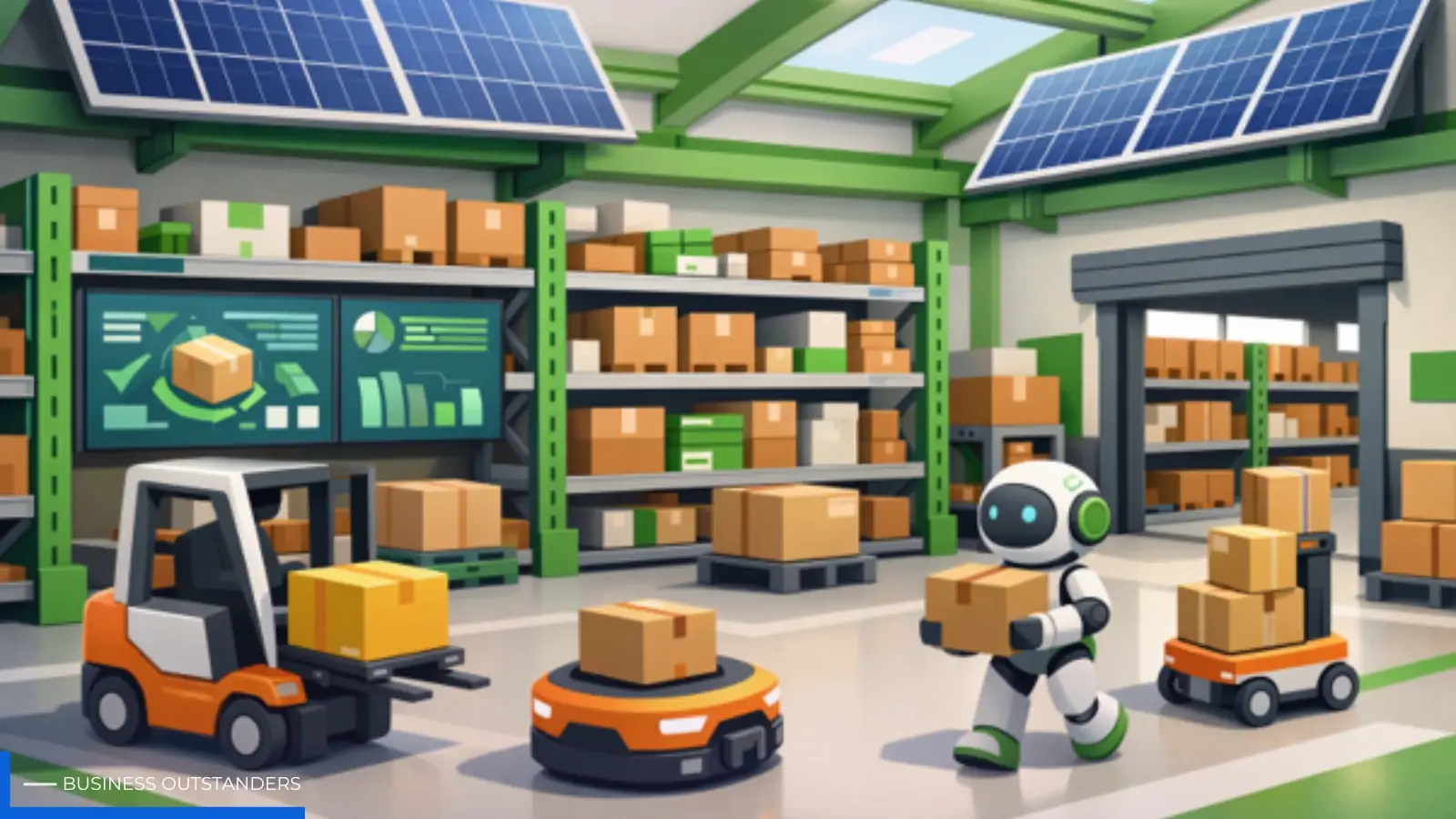
- Warehouse and Yard Management: AI-driven time slot management systems dynamically reassign dock appointments based on real-time truck ETA data, eliminating yard congestion and significantly boosting warehouse productivity.
- Digital Documentation: The adoption of electronic consignment notes (eCMR) is a prime example of how digitization is creating significant ROI. These paperless systems streamline administrative processes, improve data accuracy, and enhance compliance.
Furthermore, digital freight platforms are uniting procurement and logistics teams, breaking down traditional silos that often lead to missed savings and operational delays. By providing a centralized hub for all transportation management activities, these platforms foster collaboration and data-driven decision-making.
The integration of AI agents, blockchain for secure transactions, and advanced telematics for "Trust Scores" (verifying carrier legitimacy) are just a few examples of how technology is moving from a buzzword to a built-in core component of logistics operations in May 2026. This technological evolution is not just about automation; it's about creating intelligent, resilient, and adaptive supply chains capable of navigating the complexities of global trade.
Navigating Global Challenges and Sustainability in 2026
The transportation and logistics industry in May 2026 faces a complex array of challenges, from persistent operational bottlenecks to an urgent mandate for environmental sustainability. These issues demand innovative solutions and strategic foresight.
Port Congestion and Infrastructure Strain: Despite efforts to alleviate bottlenecks, major global ports, including those in the US and Europe, continue to experience periods of congestion. This can be exacerbated by factors such as blank sailings (canceled port calls) which create equipment shortages and ripple effects throughout the supply chain. The Charlotte region's robust infrastructure, with over 100 distribution centers and extensive rail networks, highlights the importance of regional hubs in mitigating national and international congestion.
Geopolitical Volatility: Global events, such as the ongoing conflict in Ukraine and increased defense spending (e.g., Poland's 4.8% of GDP allocation), introduce significant volatility. This can lead to route disruptions, increased insurance premiums (as seen with "Baltic Sentry" NATO activity), and shifts in trade patterns. Businesses must adopt a "just-in-case" rather than "just-in-time" inventory strategy to build resilience against such unpredictable events.
The Imperative of Sustainability: Environmental concerns are driving significant regulatory changes and industry shifts.
- EU ETS 2026: The European Union's Emissions Trading System (ETS) is set to expand its coverage to 100% on January 1, 2026, significantly increasing the cost of carbon emissions for maritime transport. A single bulk vessel could face €1.3 million in annual EU compliance costs.
- CBAM (Carbon Border Adjustment Mechanism): Also taking effect in January 2026, CBAM will impose a carbon price on certain goods imported into the EU, impacting industries like iron, steel, and aluminum.
- Methane Slip: From June 2026, the inclusion of "methane slip" in emissions reporting will increase the tax burden on LNG-powered vessels, complicating the transition to cleaner fuels.
These regulations necessitate a strong focus on green logistics and decarbonization. Businesses are actively exploring zero-emission vehicles, optimizing routes to reduce fuel consumption, and investing in renewable energy for their facilities. The UK, for example, is offering Zero Emission Truck and Van Grants to support fleet decarbonization. The industry is moving towards a future where environmental impact is a core consideration in every logistical decision.
Future Trends in Transport and Logistics
Looking ahead, several key trends are shaping the industry:
- Multimodal Synchronization: The seamless integration and coordination of various transport modes will become even more critical for optimizing efficiency and reducing environmental impact.
- AI-Driven Decision Making: AI will move beyond automation to provide predictive and prescriptive insights, enabling logistics managers to make more informed, real-time decisions.
- Smart Containers: Equipped with IoT sensors, smart containers will provide real-time data on location, temperature, humidity, and security, enhancing visibility and cargo integrity.
- Circular Supply Chains: A greater emphasis on reverse logistics, recycling, and reuse will move the industry towards more sustainable, closed-loop systems.
- Regional Self-Sufficiency: Geopolitical shifts and past disruptions are encouraging greater diversification in sourcing and enhanced regional self-sufficiency, potentially leading to shorter, more localized supply chains.
- Automated Customs Clearance: AI and blockchain will further streamline customs processes, reducing delays and human error.
- Sustainable Aviation Fuel (SAF): Development and adoption of SAF will be crucial for decarbonizing air freight.
The industry is evolving rapidly, demanding continuous adaptation and investment in technology and sustainable practices to maintain efficiency and reliability in a dynamic global environment.
Frequently Asked Questions about International Logistics
We understand that the complexities of international shipping and commercial logistics can raise many questions. Here, we address some of the most common inquiries to provide further clarity.
How does logistics differ from simple transportation?
As we've discussed, the distinction is fundamental. Transportation is the physical act of moving goods – the engine. It's about the vehicles, routes, and direct costs of movement. Logistics, conversely, is the comprehensive planning and management of that movement, along with all related processes. It's the brain, encompassing everything from inventory management, warehousing, order processing, and demand forecasting to packaging, documentation, and strategic network design. Logistics ensures that the right goods are at the right place, at the right time, in the right condition, and at the right cost, using transportation as one of its tools. Without effective logistics, transportation would be chaotic and inefficient.
What are the primary challenges facing international shipping in 2026?
In May 2026, international shipping faces a multi-faceted set of challenges. Sustainability and regulatory compliance are paramount, with the EU ETS and CBAM introducing significant carbon pricing and reporting requirements. Port congestion remains a persistent issue, exacerbated by labor shortages, infrastructure limitations, and the ripple effects of blank sailings. Geopolitical volatility continues to impact shipping routes, insurance costs, and the stability of supply chains. Furthermore, the industry is grappling with technological adoption, needing to integrate advanced AI, automation, and real-time visibility tools while addressing cybersecurity risks. Finally, workforce development remains a challenge, as the industry requires skilled professionals capable of navigating increasingly complex, technology-driven operations.
How does fleet upfitting contribute to overall supply chain efficiency?
Commercial fleet upfitting significantly enhances supply chain efficiency by optimizing the performance of ground-level operations. By customizing commercial vehicles with specialized equipment, storage solutions, and safety features, businesses can:
- Increase Productivity: Technicians and delivery drivers spend less time searching for tools or packages, allowing them to complete more tasks or deliveries per day.
- Improve Safety: Secure cargo management, ergonomic designs, and safety features reduce the risk of accidents and injuries, protecting both personnel and goods.
- Reduce Costs: Efficient organization minimizes product damage, decreases fuel consumption through optimized vehicle weight distribution, and lowers maintenance costs by preventing wear and tear on equipment.
- Enhance Customer Satisfaction: Faster, more reliable service and fewer errors lead to improved customer experiences.
- Streamline Inventory Management: Better organization within vehicles facilitates easier tracking of mobile inventory and supplies.
Fleet upfitting transforms commercial vehicles into highly efficient, safe, and productive mobile assets, directly contributing to the overall speed, reliability, and cost-effectiveness of the entire supply chain.
Conclusion
The realm of Transport and Logistics is far more than just moving goods; it is the intricate, strategic orchestration that underpins global commerce and economic stability. As we navigate May 2026, the industry stands at a pivotal juncture, demanding a sophisticated understanding of both the physical execution of transport and the strategic planning inherent in logistics.
We have explored the critical distinctions between these terms, highlighted the diverse and evolving modes of international movement, and emphasized the importance of specialized handling for unique cargo. The discussion also underscored how enhancing operational efficiency through commercial fleet upfitting can create tangible benefits, from increased productivity to improved safety.
Crucially, the transformative power of technology and AI is undeniable, driving unprecedented levels of visibility, automation, and predictive capabilities across the supply chain. Yet, this progress is set against a backdrop of significant global challenges, including the urgent need for sustainability, persistent port congestion, and geopolitical uncertainties.
To thrive in this dynamic environment, businesses must embrace operational synchronization, make strategic investments in technology, and commit to sustainable practices. By doing so, we can ensure global connectivity, future-proof our operations, and build a more resilient and efficient logistics ecosystem for years to come.
Business Outstanders brings you sharp insights on tech, business, entrepreneurship, law, crypto, and more. We uncover what’s next. Stay updated, sign up for our newsletter and be part of the future!