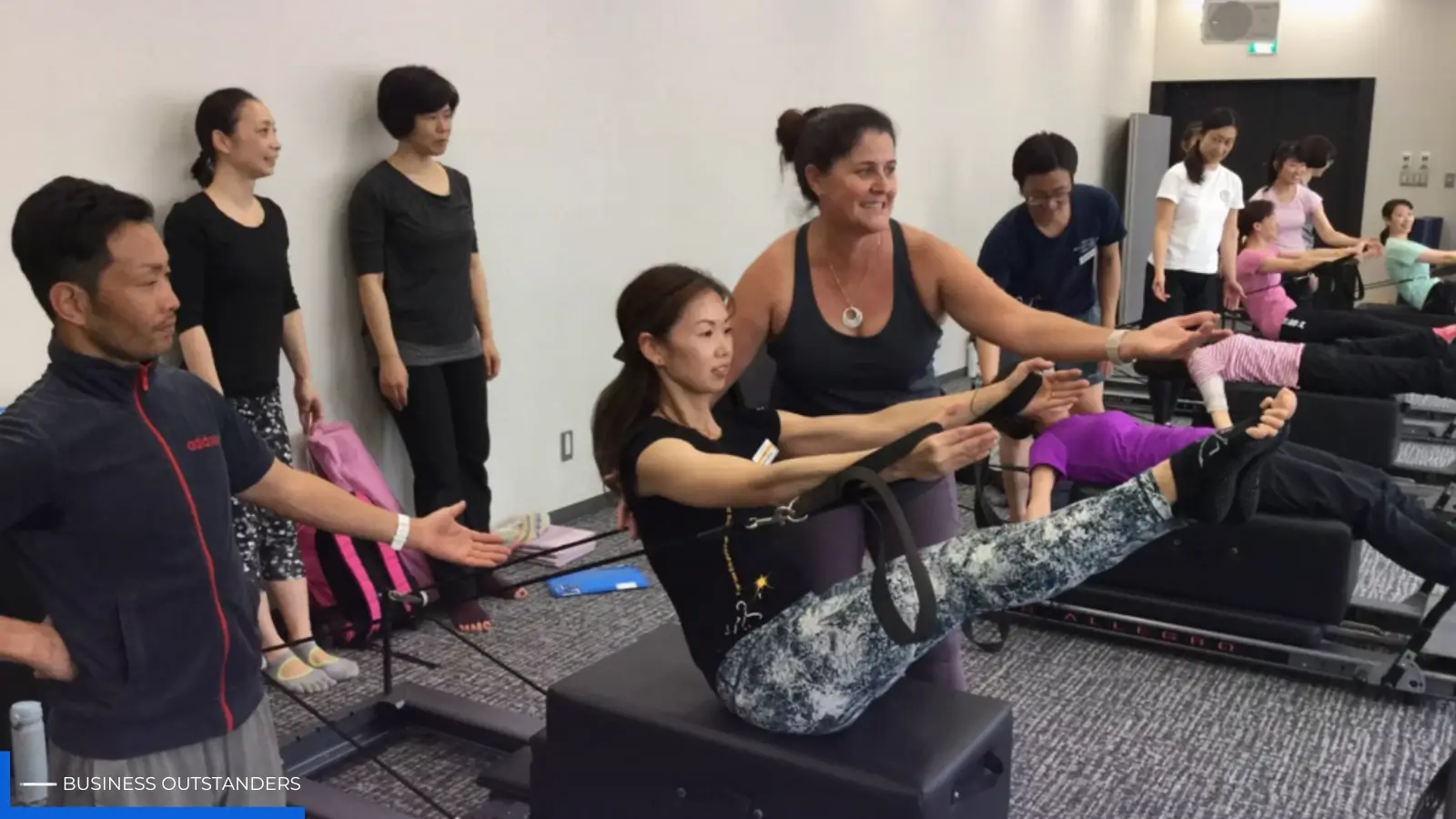
Finding an exercise routine that supports overall fitness can sometimes be challenging. Many people focus on a single activity, such as strength training, running, or cycling, but a balanced fitness approach often delivers broader benefits. Individuals who participate in yoga, pilates and spin classes in Balgowlah often discover that combining different forms of exercise can help improve strength, flexibility, cardiovascular fitness, and overall wellbeing.
Yoga, Pilates, and cycling each offer unique advantages. When incorporated into a regular fitness routine, these activities can complement one another by addressing different aspects of physical health. Together, they create a balanced approach that supports both performance and recovery.
Each Activity Offers Unique Benefits
One of the reasons these three forms of exercise work well together is that each focuses on different components of fitness. Cycling primarily targets cardiovascular endurance and lower-body strength, while Pilates emphasises core stability and controlled movement. Yoga focuses on flexibility, mobility, balance, and mindfulness. Rather than competing with one another, these activities support different physical goals. Combining multiple forms of exercise allows individuals to develop a more well-rounded level of fitness while reducing the risk of over-reliance on a single movement pattern.
A balanced fitness routine often includes:
- Cardiovascular training
- Strength development
- Flexibility work
- Mobility exercises
- Recovery-focused activities
Incorporating variety can help support long-term physical wellbeing.
Cycling Supports Cardiovascular Fitness
Cycling is widely recognised as an effective cardiovascular exercise that helps increase heart rate and improve endurance. Whether performed at moderate or higher intensities, cycling challenges the cardiovascular system while engaging major muscle groups. Regular cycling sessions can help improve stamina and support overall fitness levels. The repetitive nature of cycling also allows individuals to progressively build endurance over time.
However, cycling primarily focuses on lower-body movement patterns. Without complementary activities, certain muscles may become tight or underutilised. This is where yoga and Pilates can provide additional benefits. Balancing cardiovascular exercise with flexibility and strength training helps create a more complete fitness program.
Pilates Builds Core Strength and Stability
Pilates focuses on controlled movements designed to strengthen the muscles that support posture, balance, and functional movement. Core strength is often a key component of Pilates training, but the exercises also engage many other muscle groups throughout the body. Strong core muscles play an important role in maintaining stability during everyday activities and exercise. Improved core strength may also support more efficient movement patterns and body awareness.
Benefits commonly associated with Pilates include:
- Improved core stability
- Better posture
- Enhanced body awareness
- Greater movement control
- Improved muscular endurance
Developing strength through Pilates can complement the endurance demands of cycling while supporting overall physical function.
Yoga Helps Improve Flexibility and Mobility
Flexibility and mobility are important aspects of physical health that are sometimes overlooked in traditional fitness programs. Tight muscles and restricted movement can affect comfort, performance, and overall mobility. Yoga incorporates stretching, controlled movement, and various postures designed to encourage flexibility and joint mobility. Many people find that regular yoga practice helps counteract muscle tightness that may develop from repetitive activities such as cycling.
Improved mobility may also support better movement efficiency during exercise and everyday activities. Maintaining flexibility can contribute to greater comfort and a reduced feeling of physical stiffness. Yoga provides an opportunity to slow down and focus on movement quality.
Recovery Is an Important Part of Fitness
Many people focus heavily on exercise intensity while overlooking the importance of recovery. Effective recovery allows the body to adapt to training demands and supports ongoing participation in physical activity. Yoga and Pilates can both play valuable roles in supporting recovery by encouraging gentle movement, flexibility, and body awareness. These activities may help individuals feel more refreshed between higher-intensity cycling sessions.
Recovery-focused habits may include:
- Stretching routines
- Mobility exercises
- Controlled breathing
- Low-impact movement
- Rest and relaxation
Balancing training and recovery often contributes to more sustainable fitness progress.
Variety Helps Maintain Motivation
One challenge many people face when exercising regularly is maintaining motivation over the long term. Repeating the same workout routine every week can sometimes lead to boredom or reduced enthusiasm. Combining yoga, Pilates, and cycling introduces variety into a fitness schedule while allowing individuals to experience different physical and mental challenges. This variety can help keep exercise engaging and enjoyable.
Participating in multiple activities also allows people to adapt their workouts based on energy levels, goals, and personal preferences. A diverse fitness routine often feels more sustainable over time. Enjoyment plays an important role in maintaining consistency.
A Balanced Approach Supports Overall Wellbeing
Physical fitness involves more than strength or cardiovascular endurance alone. Mobility, flexibility, posture, balance, recovery, and mental wellbeing all contribute to overall health and quality of life. Yoga, Pilates, and cycling each address different aspects of physical and mental wellbeing. Together, they provide a balanced combination of movement, conditioning, and recovery that supports a wide range of fitness goals.
By incorporating these complementary activities into a regular routine, individuals can create a more comprehensive approach to health and fitness. This balance often supports long-term participation and improved overall wellbeing. A well-rounded exercise program can help individuals feel stronger, more mobile, and more energised.
Conclusion
Yoga, Pilates, and cycling complement each other because each activity contributes unique benefits that support overall fitness. Cycling develops cardiovascular endurance, Pilates builds strength and stability, and yoga improves flexibility and mobility.
When combined, these forms of exercise create a balanced approach that addresses multiple aspects of physical health while supporting recovery and long-term wellbeing. Variety within a fitness routine can also help maintain motivation and encourage consistent participation. As people continue looking for effective ways to improve their health, combining different forms of exercise remains a practical strategy for building strength, improving mobility, enhancing endurance, and supporting a more active lifestyle.
Business Outstanders brings you sharp insights on tech, business, entrepreneurship, law, crypto, and more. We uncover what’s next. Stay updated, sign up for our newsletter and be part of the future!