Key Takeaways
- Antique and high-collectible rugs are increasingly treated as tangible art assets by Silicon Valley collectors, investors, and tech executives
- Investment-grade rugs occupy a specific tier of the market; most decorative rugs don't qualify and won't appreciate meaningfully
- Factors like fiber type, knot density, provenance, age, and condition determine whether a rug holds or grows in value
- Proper care and professional maintenance are not optional for collectors who care about long-term value preservation
- Professional appraisal is a critical, often overlooked step for insurance, estate planning, resale, and authentication purposes
- The Bay Area has a long history as one of the most active antique rug collecting markets in the country
Something interesting has been happening in Silicon Valley for a while now, and it isn't getting nearly enough attention in mainstream conversations about alternative investments.
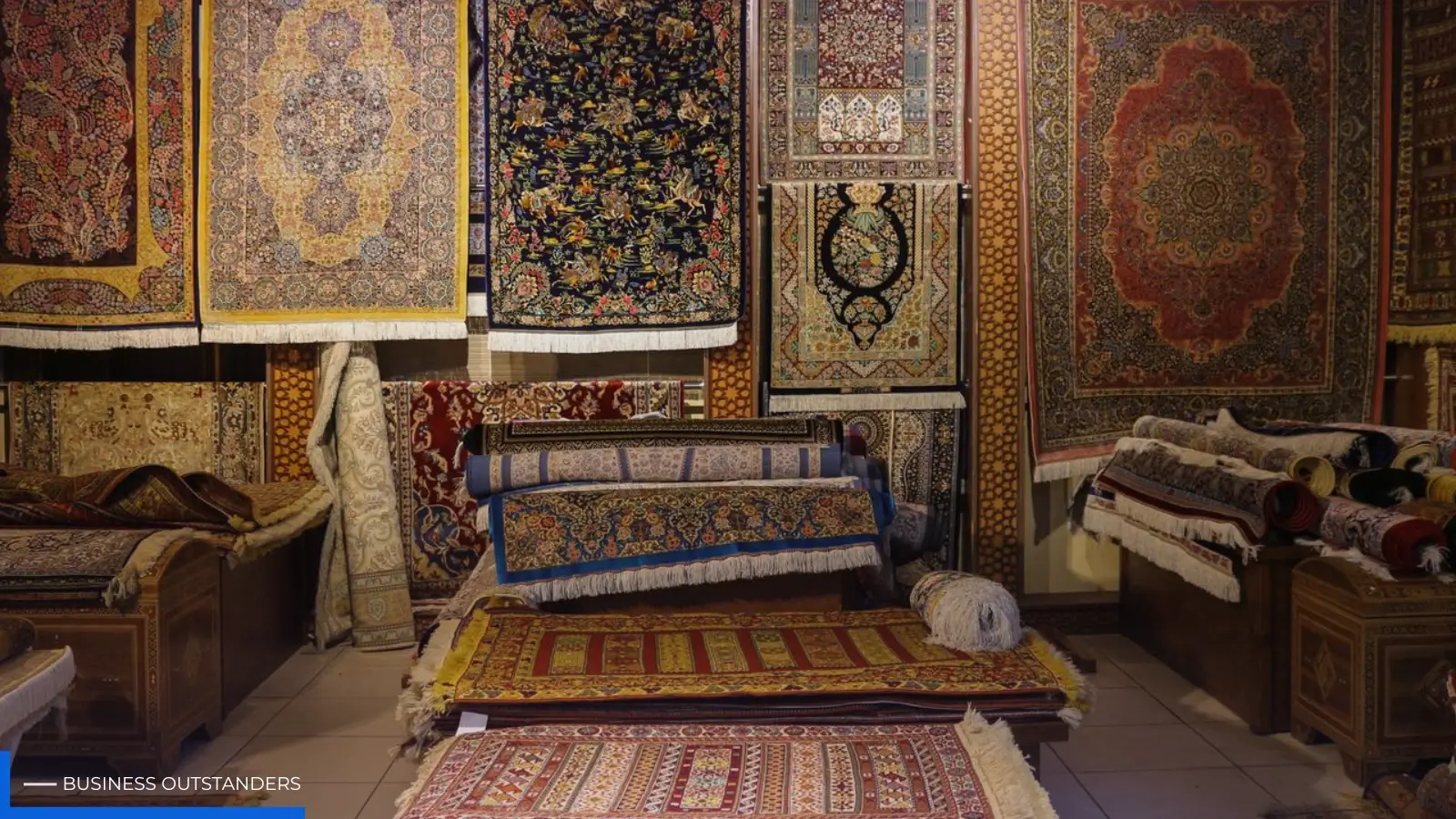
Tech executives, venture capitalists, and high-net-worth homeowners across the Bay Area have quietly been building collections of antique Oriental and Persian rugs. Not for the floors, exactly. For the walls. For the portfolio. For the story.
Contemporary-art buyers from Silicon Valley have been rolling out antique rugs to complement the abstract, geometric artworks that hang on their walls, and the crossover appeal makes a lot of sense once you understand how the rug market actually works. But what separates a genuine investment from an expensive decorating decision? And how do collectors in San Mateo or Santa Clara keep these pieces in the kind of condition that protects their value?
Let's unpack it.
Why Silicon Valley Collectors Are Paying Attention to Rugs
Ultra-high-net-worth families, executives of Forbes 500 companies, and Silicon Valley entrepreneurs have gravitated toward antique Oriental carpets for decades, drawn in by both the aesthetic impact and what a growing number of financial professionals see as a legitimate alternative asset class.
In the face of volatile financial markets, astute investors have been directing their focus toward tangible, physical assets with less fluctuating values that are currently appreciating. Antique rugs have followed a similar path to fine art in that regard. In 2009, Sotheby's sold a Persian Safavid prayer rug from the late 16th century for $4.3 million, which the Wall Street Journal described as "the going rate" for a top-end Alexander Calder sculpture.
That kind of comparison gets people's attention.
Investment bankers, fund managers, and venture capitalists have shown increased interest in high-collectible antique rugs as a compelling arena for diversification, as precious tangible assets have become a more central investment option.
But here's the part most articles skip over: not all rugs qualify.
The Difference Between a Collectible Rug and a Decorative One
This is where most beginner collectors get tripped up. Walk into a big-box retailer or even a mid-range rug store and you'll find beautiful pieces priced in the hundreds or low thousands. They might look similar to antique Persian rugs, and they'll feel nice underfoot. But they won't appreciate.
The vast majority of Oriental rugs available today are decorative and have no investment and little artistic merit. Investment-grade pieces come from a specific slice of the market, generally hand-knotted antique rugs from recognized weaving regions, produced before industrial methods changed the craft.
Exquisite, art-level rugs from the period roughly spanning 1800 to 1910, known as the "Second Golden Age of Persian Weaving," can be obtained in the range of $15,000 to $250,000, with the exception of palace-sized pieces. That's a meaningful entry point for collectors who are accustomed to paying seven figures for a painting by a recognized artist.
Among the most prized weaving groups are the tribal rugs of the Caucasus Mountains, Ferahan and Ferahan Sarouk, Mohtasham Kashan, and Bakshaish rugs, which at their finest are comparable to rare classical paintings or sculpture in artistic expression and market value.
So what makes one rug worth $25,000 and another worth $250? Mostly it comes down to fiber, knot density, dye composition, region of origin, age, and condition. All five of those factors interact, and changing any one of them changes the value substantially.
What Drives Value in Antique and Oriental Rugs
Fiber and Dye Composition
Hand-spun wool and silk rugs from historic weaving regions hold value differently than rugs made with synthetic fibers or commercial dyes introduced in the early 20th century. Natural dyes produced from plant and mineral sources tend to mellow beautifully over time, while synthetic dyes can fade unevenly or bleed. The limited availability of antique rugs, combined with the fact that they can no longer be replicated using traditional methods, contributes directly to their long-term appreciation.
Provenance and Authentication
This is the one that separates a $40,000 rug from an $80,000 rug in many cases. Documented provenance, meaning a clear, verifiable history of where a rug came from and who owned it, can dramatically shift value in either direction. Verified provenance and expert documentation can boost resale prices by 20 to 30 percent, making authentication essential for serious returns.
If you've inherited a rug, purchased one abroad, or acquired one at auction without a full paper trail, getting it properly appraised and identified before assuming its value is a sensible first step. Teams like The Rug Guardians in the Bay Area provide rug appraisal and identification services that cover origin, fiber type, age, condition assessment, and fair market value, backed by over 35 years of industry experience. That kind of documentation matters enormously for insurance and resale purposes.
Condition
No discussion of rug investment is complete without talking about condition. A 150-year-old Persian carpet in excellent condition is worth many times more than the same rug with moth damage, color bleed, fringe loss, or pile wear that's been ignored for years. This is the part collectors consistently underestimate. Condition isn't static. It degrades without active maintenance, and the cost of neglect compounds over time.
The Maintenance Problem Nobody Talks About
Here's a question worth sitting with: if you own a piece of art worth tens of thousands of dollars, would you leave it uncleaned for a decade?
Most people would say no. But that's effectively what happens with collectible rugs in a lot of Bay Area homes. A valuable antique silk or wool rug gets walked on, occasionally vacuumed, and treated like any other floor covering, when it's actually closer to a painting in terms of the care it requires.
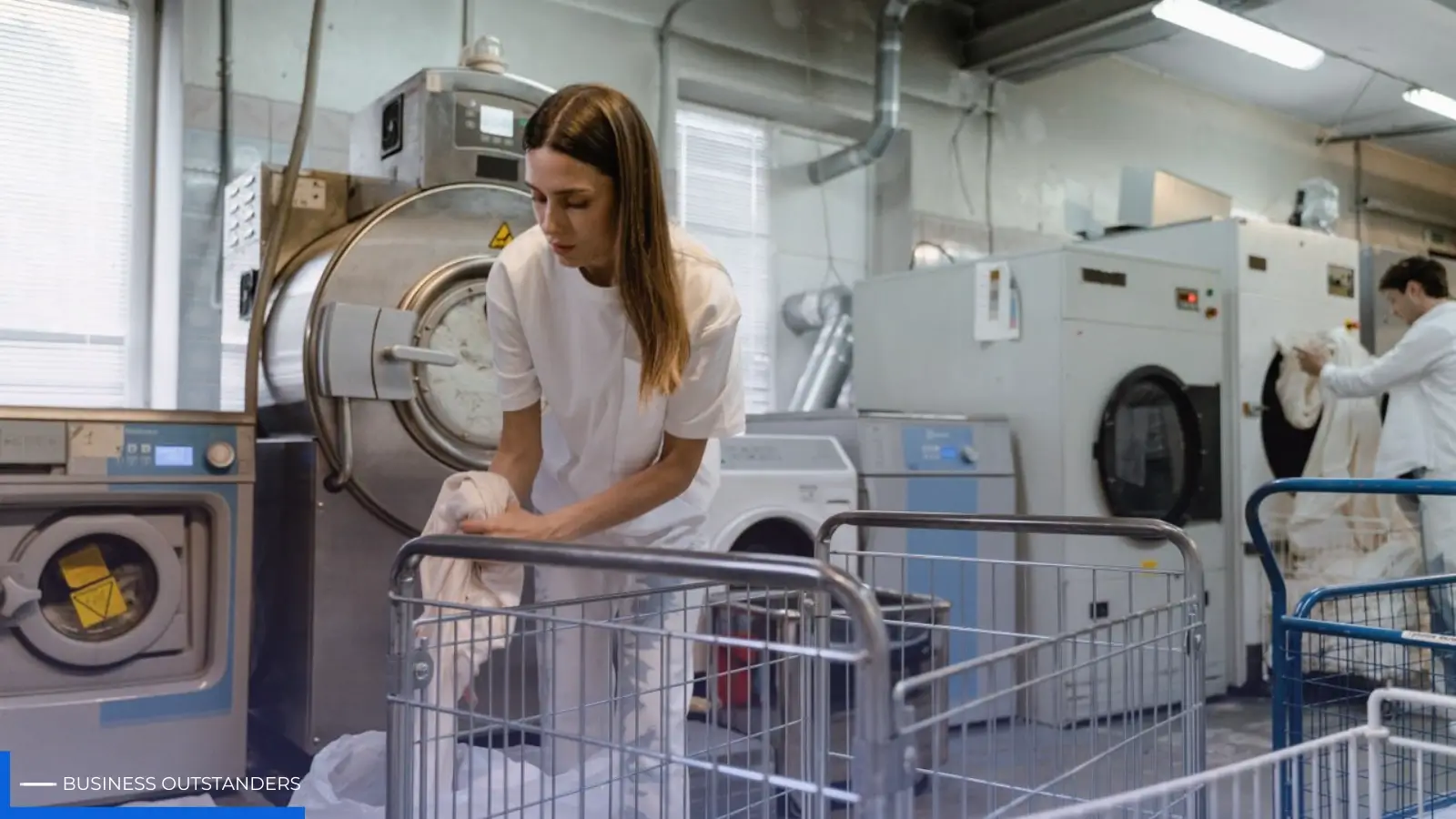
Antique and high-end Oriental rugs need professional cleaning that goes well beyond what carpet cleaners or standard in-home services can provide. Submersion-based hand-washing methods, the kind that thoroughly remove deep-set soil and allergens without damaging delicate natural fibers or historical dyes, are the standard for serious collections. Surface-level cleaning can actually harm a valuable rug by pushing embedded grit further into the pile, which cuts fibers over time.
Beyond cleaning, the threats to rug value include moth damage (a major problem in the Bay Area), color bleed from improper cleaning, fringe deterioration, and structural damage from wear or folding. Specialists offering professional rug repair and restoration in the San Mateo and Santa Clara County area handle things like fringe restoration, reweaving, moth damage repair, and color correction, which are exactly the interventions that preserve or restore value in a piece that's been neglected.
The Rug Guardians, serving the greater SF Bay Area with a particular focus on San Mateo and Santa Clara counties, approach rug care with a process that begins with fiber analysis to choose the safest cleaning method, moves through professional dusting and hand-washing using a custom submersion system, and ends with flat drying and a final quality inspection. That kind of systematic approach isn't just about cleanliness. It's about preservation.
Rugs as Wall Art: A Growing Trend Among Bay Area Collectors
One detail that a lot of general investment articles miss is how Bay Area collectors are actually displaying these pieces. Connoisseurs are increasingly choosing antique Oriental rugs as wall art rather than floor coverings, which changes the care equation somewhat but doesn't eliminate it.
Displayed on walls, rugs avoid the grinding wear of foot traffic, which is good. But they're still exposed to light, dust, humidity shifts, and the occasional household accident. They still need professional attention periodically. Proper care remains essential for preserving the beauty and value of antique and traditional rugs. And if anything, pieces displayed as wall art tend to receive more scrutiny from potential buyers during resale, which means condition becomes even more important.
Is This the Right Market for You?
Rug collecting as an investment alternative is genuinely compelling for a specific type of buyer: someone who appreciates the artistry, has the patience to learn the market, can access quality pieces at the right price point, and is willing to commit to long-term stewardship of what they acquire. It's not a liquid asset class, and it's not passive.
Persian rugs aren't guaranteed to increase in value like stocks or fine art. Their value is tied more to craftsmanship, rarity, and long-term desirability than to market speculation. That's an honest framing worth holding onto.
But for Silicon Valley collectors who already have exposure to public markets and are looking for something that's both beautiful and potentially appreciating, the rug market offers a genuinely different kind of opportunity. You can live with the piece. You can display it. You can pass it down. And if you take care of it properly, it may be worth more to your heirs than it cost you.
That last part, though, depends entirely on the care.
Frequently Asked Questions
What types of rugs are considered investment quality?
Generally speaking, investment-quality rugs are antique, hand-knotted pieces from established weaving regions such as Persia, the Caucasus, Turkey, and parts of Central Asia, typically produced before the 1920s when industrial methods began to change the craft. Fiber type, natural dye composition, knot density, age, and condition all factor into whether a rug qualifies as high-collectible versus purely decorative. Most modern or machine-made rugs do not appreciate meaningfully in value.
How is an antique rug different from a vintage or modern rug for investment purposes?
Antique rugs are generally defined as pieces over 100 years old, while vintage rugs typically fall in the 30 to 100-year range. For investment purposes, the distinction matters less than the combination of origin, quality, and condition. Some vintage rugs from the mid-20th century hold their value well, while many antique rugs of lesser quality do not. Authenticity and documentation are what drive meaningful returns at resale.
Do I need a professional appraisal for a rug I inherited or purchased abroad?
In most cases, yes. Without professional identification and appraisal documentation, you may not be able to insure the rug for its true replacement value, and you may significantly undervalue or overprice it during resale. A qualified appraisal covers origin, fiber type, age, condition, and fair market value, and can be essential for insurance claims, estate planning, or IRS-compliant charitable donations of pieces valued over $5,000.
How often should investment-grade rugs be professionally cleaned?
For rugs in regular use as floor coverings, professional cleaning every one to three years is a common recommendation, depending on foot traffic, pets, and household conditions. Rugs displayed as wall art can go longer between cleanings but should still be inspected periodically for dust accumulation, moth activity, and fiber integrity. The cleaning method matters as much as the frequency, and hand-washing submersion processes are generally safer for antique and high-value pieces than in-home carpet cleaning equipment.
What are the biggest threats to a valuable rug's condition in the Bay Area?
Moth damage is a significant concern in Northern California's mild climate, since wool and silk rugs are particularly vulnerable. Color bleed from improper cleaning or moisture exposure, fringe deterioration, pile wear from heavy foot traffic, and sun fading from direct light exposure are also common issues. Periodic professional inspection and proper storage practices can catch and address these problems before they cause irreversible damage.
Can rug repairs affect resale value?
Professional repairs performed by skilled artisans, such as reweaving, fringe restoration, or expert color correction, can preserve or even increase a rug's value by stopping further deterioration and restoring visual integrity. Low-quality repairs done with mismatched fibers or improper techniques, on the other hand, can diminish value. It's worth working with specialists who understand the specific construction and fiber type of the rug being repaired.
How does the Bay Area rug market compare to other parts of the country?
The San Francisco Bay Area, and Silicon Valley in particular, has historically been one of the most active markets for high-collectible antique rugs in the United States. The region's concentration of high-net-worth collectors, its cultural ties to international buyers, and its proximity to established dealers have all contributed to a sophisticated local market. Collectors in San Mateo and Santa Clara counties in particular have access to a strong ecosystem of appraisal, restoration, and care professionals that supports serious collecting at multiple price points.
Business Outstanders brings you sharp insights on tech, business, entrepreneurship, law, crypto, and more. We uncover what’s next. Stay updated, sign up for our newsletter and be part of the future!