Becoming a Pilates instructor involves far more than learning exercises and memorising movement sequences. Effective teaching requires a strong understanding of movement principles, communication skills, anatomy, observation techniques, and the ability to adapt sessions to suit individual needs. Many aspiring instructors who undertake Sydney instructor training by Polestar Pilates are seeking a comprehensive education that helps them develop both practical teaching abilities and the confidence needed to work with a variety of clients.
Confidence is not something that appears overnight. It develops gradually through structured learning, hands-on experience, and ongoing practice. Quality instructor training provides the foundation that allows future Pilates professionals to build their skills while gaining the knowledge required to teach safely and effectively.
Understanding Movement Principles Creates Strong Foundations
One of the most important aspects of Pilates instructor education is learning the principles that underpin effective movement. Rather than simply focusing on exercises, instructor training explores how the body moves and how movement quality can influence overall function. A strong understanding of movement principles allows instructors to teach with greater purpose and clarity. Instead of following a routine mechanically, they learn how to guide clients through movement patterns that support individual goals and abilities.
Training commonly covers topics such as:
- Postural awareness
- Movement efficiency
- Breathing techniques
- Body alignment
- Core control principles
These concepts help future instructors develop a deeper understanding of the Pilates method and its application.
Anatomy Knowledge Supports Better Teaching
Anatomy forms an essential part of comprehensive Pilates education. Understanding how muscles, joints, and body systems function provides instructors with valuable context when teaching movement. Learning anatomy helps instructors identify movement patterns, recognise compensations, and understand how different exercises may affect the body. This knowledge supports more informed teaching decisions and enhances overall confidence when working with clients.
Rather than relying solely on memorised instructions, instructors can explain movements with greater clarity and purpose. This often leads to more effective communication and improved client understanding. A solid anatomy foundation helps create instructors who are better prepared to adapt sessions and respond to individual needs.
Practical Teaching Experience Builds Confidence
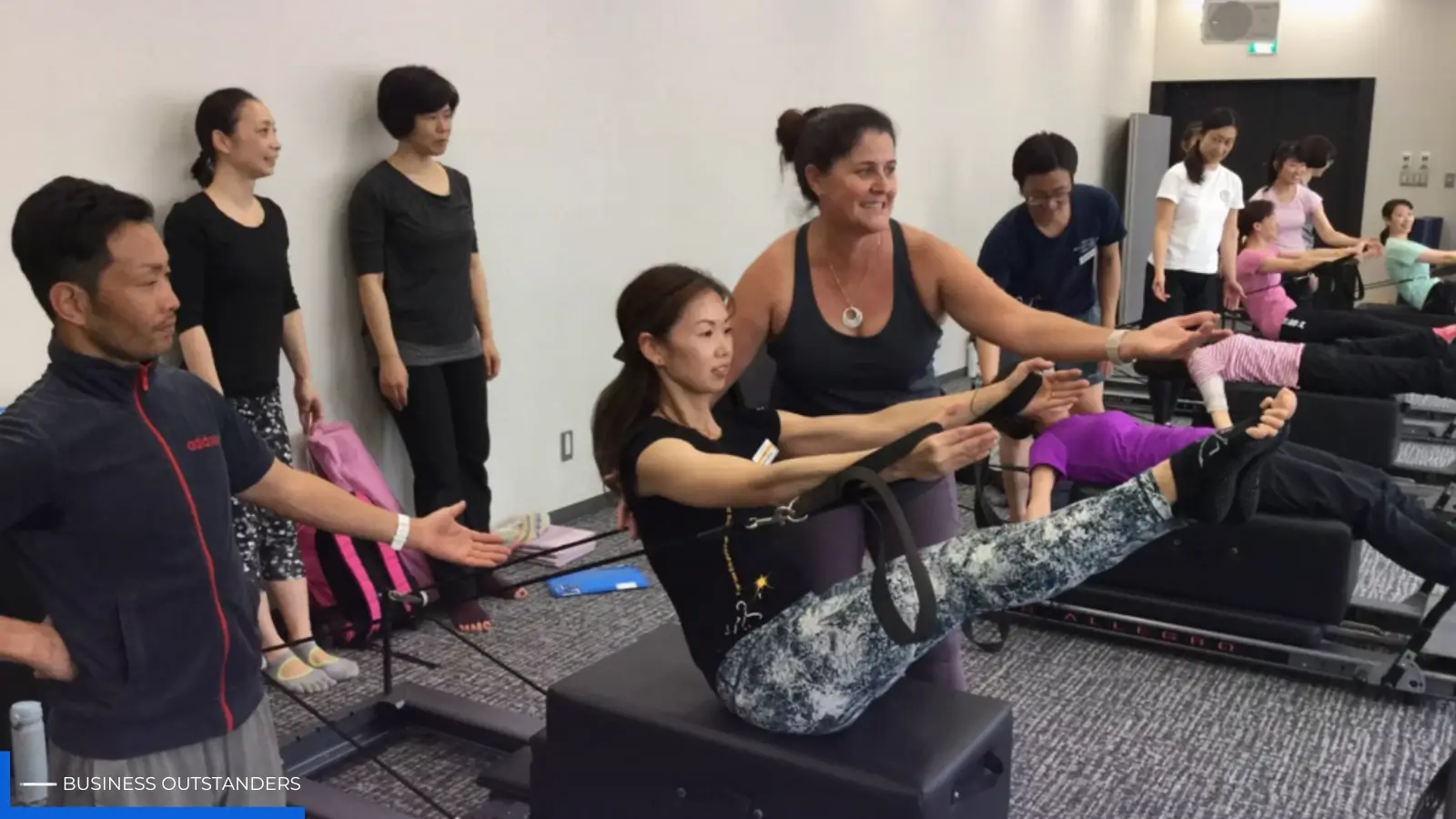
Confidence develops most effectively through experience. While theory provides important knowledge, practical teaching opportunities allow students to apply what they have learned in real-world situations. Instructor training programs often incorporate supervised teaching experiences that help students gradually develop their communication and instructional skills. These practical components provide valuable opportunities to receive feedback and refine teaching techniques.
Hands-on experience helps future instructors develop:
- Clear communication skills
- Effective exercise cueing
- Observation techniques
- Client interaction abilities
- Session management skills
The more opportunities students have to practise teaching, the more comfortable and confident they often become.
Learning to Observe Movement Is a Valuable Skill
Successful Pilates instructors do more than demonstrate exercises. They also learn how to observe movement and identify areas where clients may benefit from additional guidance or support. Observation skills allow instructors to recognise movement patterns, posture habits, and exercise execution techniques. These insights help them provide more personalised instruction while supporting safe and effective participation.
Developing strong observation skills takes time and practice. Instructor training helps students learn what to look for and how to interpret movement patterns in a practical setting. This ability to assess movement contributes significantly to teaching confidence and professional competence.
Communication Is Central to Effective Instruction
Even the most knowledgeable instructor must be able to communicate effectively. Clear communication helps clients understand exercises, movement goals, and session expectations. Pilates instructor training places significant emphasis on developing communication techniques that support learning and engagement. Future instructors learn how to provide instructions, explanations, and feedback in ways that are easy for clients to understand.
Important communication skills often include:
- Verbal cueing techniques
- Active listening
- Constructive feedback
- Client engagement
- Adaptable teaching approaches
Strong communication helps create positive learning environments while improving the overall client experience.
Adaptability Helps Instructors Work With Diverse Clients
Every client brings unique goals, abilities, movement histories, and physical considerations to a Pilates session. As a result, effective instructors must be able to adapt their teaching approach to suit different individuals. Instructor training helps students develop flexibility in their teaching methods by exposing them to a range of scenarios and client needs. Learning how to modify exercises and adjust instruction contributes significantly to teaching confidence.
Adaptability becomes particularly important when working with clients of varying fitness levels or movement experience. Instructors who can respond effectively to individual needs are often better equipped to deliver meaningful and engaging sessions. This flexibility allows instructors to feel more prepared when encountering new teaching situations.
Ongoing Learning Supports Professional Development
Becoming a Pilates instructor is the beginning of an ongoing professional journey rather than the end of the learning process. The most confident instructors often continue expanding their knowledge through further education, practical experience, and professional development opportunities. Quality instructor training encourages a mindset of continuous learning. Students are taught not only the current curriculum but also the importance of staying engaged with ongoing education throughout their careers.
As instructors gain experience and continue developing their skills, their confidence often grows naturally. Each client interaction, teaching opportunity, and educational experience contributes to their overall development as movement professionals. This commitment to lifelong learning helps support both professional growth and teaching excellence.
Conclusion
Pilates instructor training plays a vital role in developing the confidence and skills needed for effective teaching. Through a combination of movement education, anatomy knowledge, practical experience, observation training, and communication development, aspiring instructors build a strong foundation for their future careers.
Confidence is developed through structured learning and repeated practice, allowing instructors to gradually refine their teaching abilities and professional judgement. By learning how to observe movement, communicate effectively, and adapt to individual client needs, future instructors become better equipped to deliver meaningful and engaging Pilates experiences. As the Pilates industry continues to grow, comprehensive instructor education remains an essential step for those seeking to build the knowledge, confidence, and skills required for long-term success as a Pilates professional.
Business Outstanders brings you sharp insights on tech, business, entrepreneurship, law, crypto, and more. We uncover what’s next. Stay updated, sign up for our newsletter and be part of the future!