As of May 2026, the traditional boundaries of the office have evolved, now emphasizing how work connects to an individual's sense of purpose. While employee engagement has long been a critical focus for leaders, today's workforce seeks more than participation; they crave genuine fulfillment. This necessitates organizations moving beyond superficial benefits to deeply integrate meaningful community impact initiatives into their core operations.
We believe that true wellness and growth in the modern workplace are fostered through a comprehensive framework. By aligning corporate social responsibility (CSR) with the everyday employee experience, we can transform broad organizational missions into actionable strategies that cultivate healthier, high-performing teams. We encapsulate this approach in our 5G Method: Guided, Gamified, Gratitude, Growth, and Generosity.
This article explores how strategic community impact initiatives, built upon the principles of our 5G Method, not only drive employee fulfillment but also create lasting positive change in the communities we serve.

Corporate volunteers working at a local food bank
The modern workforce, as of May 2026, demands more than just participation; they seek fulfillment. This shift requires organizations to move beyond surface-level perks and integrate meaningful community impact initiatives into their core operations. By aligning corporate social responsibility (CSR) with the daily employee experience, businesses can transform broad missions into actionable strategies that build healthier, high-performing teams.
Aligning CSR and ESG with Employee Engagement
Social impact initiatives are designed approaches to solving community problems with clear goals, targets, and a defined theory of change. For businesses, these initiatives turn broad CSR and Environmental, Social, and Governance (ESG) goals into measurable results that resonate deeply with staff. Unlike traditional recognition platforms like Bonusly or Kudos that focus primarily on peer-to-peer acknowledgment, integrating Employee engagement community initiatives allows employees to see the tangible "Generosity" aspect of the 5G Method in action.
By aligning philanthropy with workforce needs—such as supporting disaster recovery in operational areas or funding local education initiatives—companies foster a deeper connection between an employee’s daily tasks and the organization’s broader purpose. These strategic approaches to charitable impact strategies go beyond simple donations, providing a framework for meaningful engagement. Many organizations leverage workplace giving programs and company matching gift programs to amplify their collective impact, ensuring that every contribution, big or small, contributes to a larger, well-defined objective. This structured approach to charitable giving at work ensures that efforts are not only impactful but also align with the company's values and employee interests.
A strong strategy also clarifies how employees can participate at different levels. Some may volunteer time, others may contribute professional expertise, and others may prefer payroll giving or skills-based mentoring. When those options are clearly organized, participation becomes easier and more inclusive. Frontline teams, remote employees, and people managers all need pathways that fit their schedules and strengths. Organizations that communicate these options well tend to see stronger uptake because employees understand exactly how their effort connects to visible outcomes.
Another important factor is consistency. One-off campaigns can create short bursts of enthusiasm, but sustained engagement usually comes from recurring programs tied to annual goals, seasonal service opportunities, and shared reporting. When employees receive updates on what a campaign accomplished—families served, students mentored, homes repaired, or local nonprofits funded—they are more likely to remain invested. This feedback loop strengthens trust and makes generosity feel like a meaningful part of workplace culture rather than an occasional side activity.
Real-World Success: From Sports Franchises to Global Nonprofits
Successful initiatives provide a clear blueprint for how various sectors can integrate social value into their branding and operations. For example, the Seahawks' "Impacting 50 Communities" initiative, a season-long effort, reached over 52,970 people across 55 communities, donating an impressive 25,441 items and over $1.2 million. This demonstrates how a major sports franchise can extend its reach far beyond the stadium, creating significant positive change.
Similarly, the Tennessee Titans’ ONE Community platform is a robust example of a comprehensive community involvement program. It includes a $2 million fund dedicated to loans and grants for qualified small and minority-owned businesses, alongside a $5 million "Home Field Advantage Catalyst Fund" specifically for affordable housing initiatives. These examples showcase that whether it is a sports team, a foundation, or a corporation, the most effective initiatives are those that provide binding commitments, engage in transparent annual reporting, and integrate a clear theory of change to ensure long-term community resilience and measurable impact. Such efforts highlight the significant benefits of employee volunteering when integrated into a strategic framework, transforming individual actions into collective, impactful change.
Another inspiring case is Give BIG Green Bay, which has generated more than $20 million since its launch in 2018, illustrating the power of collective giving days. These diverse examples underscore that impactful initiatives are not confined to a single sector but are a universal approach to creating positive change.
These examples also reveal a common pattern: the most credible initiatives set public goals, allocate resources in advance, and report back on progress in concrete terms. Employees are more likely to trust and support a program when they can see where funds went, which partners were involved, and what changed as a result. In practice, that may mean publishing annual impact summaries, sharing volunteer participation rates, or documenting how grant dollars supported housing, food access, or youth development. The more visible the impact, the easier it is for employees to connect purpose with performance.
Participatory Decision-Making and Community Empowerment
A critical trend in May 2026 is the shift toward participatory grantmaking. This approach moves away from top-down philanthropy by actively involving the community in the decision-making process, ensuring that initiatives truly address local needs. The CARE program’s $2.5 million Power-Building and Engagement (Pb+E) grant program is a prime example, utilizing a 15-member Community Advisory Working Group to shape funding priorities. This approach embodies the principle of "Nothing About Us Without Us," ensuring that solutions are community-led.
When employees are invited to participate in these decision-making processes, their engagement increases significantly because they are no longer just "volunteers"—they become stakeholders in the community’s growth. This "Guided" and "Growth" focused approach, central to our 5G Method, ensures that initiatives meet actual community needs rather than perceived ones. Such participatory models foster a sense of ownership and collective responsibility, strengthening the bonds between organizations and the communities they serve. These initiatives often involve best team building volunteer activities that not only benefit the community but also enhance internal cohesion and employee satisfaction.
Participatory design also improves relevance. Employees who hear directly from nonprofit partners, residents, and local leaders gain a clearer understanding of what support is useful and what may unintentionally miss the mark. That insight can shape everything from volunteer scheduling to grant criteria to communication style. Over time, organizations become more responsive and better equipped to build partnerships based on listening rather than assumptions.
For leaders, the lesson is straightforward: meaningful community impact is most effective when it is structured, transparent, and shared. When people feel they have a voice in choosing causes, contributing effort, and reviewing outcomes, engagement stops being performative and starts becoming part of how the organization works. That cultural shift is what transforms community investment into a long-term driver of belonging, trust, and purpose.
Measuring and Managing Long-Term Social Change
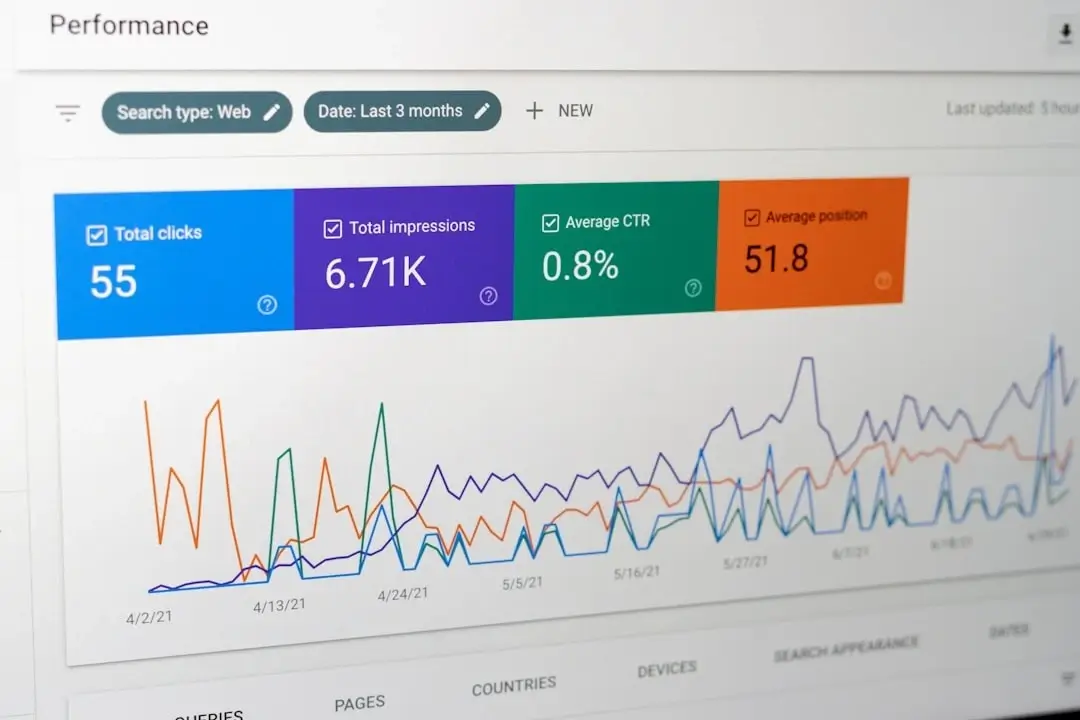
digital dashboard showing social impact metrics and community growth
Effectively managing complex social impact programs requires robust tooling and a commitment to data-driven decision-making. As we strive for long-term social change, the ability to measure, track, and adapt our initiatives becomes paramount.
Essential Tools for Scaling Employee Engagement and ImpactFor organizations to scale their community impact initiatives and ensure their effectiveness, robust tools are indispensable. Modern organizations now rely on sophisticated grant management systems, Customer Relationship Management (CRM) platforms, and real-time dashboards to track spending, monitor progress, and evaluate outcomes. For instance, the California Health and Human Services Agency (HCAI) utilizes comprehensive data toolkits to promote transparency in hospital equity reporting, focusing on disparity analysis and identifying vulnerable populations.
For a business, having a "single source of truth" for impact data allows them to measure critical metrics, such as 6- and 12-month retention rates in workforce development initiatives or the tangible emissions reductions achieved in climate-focused projects. These tools empower leaders to transition from reactive, ad-hoc giving to a strategic, data-driven approach that clearly demonstrates the return on investment (ROI) of their engagement efforts. This shift is crucial for maximizing both community benefit and internal employee fulfillment.
Measurement matters because social impact is often judged by intent rather than outcomes. A well-run program should track both participation metrics and community results. Participation metrics can include volunteer hours, donation rates, repeat engagement, and manager involvement. Outcome metrics may include students served, housing units supported, meals distributed, trees planted, or job placements achieved. Separating activity from outcomes helps organizations avoid overstating success and gives leaders a more honest view of what is working.
Qualitative data is equally important. Surveys, interviews, reflection forms, and nonprofit partner feedback provide context that raw numbers cannot. Employees may report a stronger sense of purpose, improved team cohesion, or greater trust in leadership after participating in well-designed service efforts. Community partners may identify whether support was timely, useful, and respectful of local priorities. When combined with quantitative reporting, these insights create a fuller picture of long-term value.
Key Focus Areas: Health, Education, and Environmental Justice
Community impact initiatives typically target specific environmental and social domains, addressing systemic issues within communities. In the health sector, initiatives like the Seahawks' "Mental Health Matters" platform provide crucial support, such as the $12,000 grants given to SafeFutures Youth Center and DAWN to create teen wellness spaces. These spaces have been shown to improve school engagement and provide vital mental health resources.
In education, programs like the Super Bowl LIX "Impact 59" legacy grant, powered by Entergy, have made a profound difference. This initiative served over 268,000 individuals across a 10-parish region, engaging 1,300 students in hands-on STEM Fests and even installing 59 new roofs for residents in need. The impact of food banks on community is another vital area, with many initiatives supporting food security efforts.
By focusing on these "Social Drivers of Health" (SDoH)—including economic stability, education access, healthcare quality, and neighborhood environment—organizations can create a multiplier effect where one investment improves multiple facets of community life. The Titans' "Home Field Advantage Catalyst Fund," which provides a $5 million investment for grants and loans to encourage affordable housing, is another excellent example of addressing SDoH directly.
Environmental justice is becoming a more central focus because climate risk and public health are closely linked. Heat exposure, air quality, flooding, and access to green space disproportionately affect vulnerable neighborhoods. When companies support tree planting, energy-efficiency upgrades, community cooling centers, or neighborhood resilience planning, they are not only addressing sustainability goals but also improving daily living conditions. For employees, these projects often feel especially tangible because the results can be seen in local streets, schools, and parks.
Health and education initiatives also tend to produce long-tail benefits that justify sustained investment. Early literacy support can improve graduation outcomes years later. School-based wellness and nutrition programs can strengthen attendance and concentration. Access to stable housing can reduce stress and improve job readiness. Because these outcomes develop gradually, organizations benefit from setting multi-year benchmarks rather than expecting instant proof of success after a single quarter or annual campaign.
Overcoming Implementation Challenges and Future Trends
Implementing these initiatives is not without challenges, such as resource constraints, ensuring long-term sustainability, or the inherent difficulty of measuring qualitative change over extended periods. However, emerging trends are providing innovative solutions. Experiential learning, for instance, is bridging the gap between academic knowledge and practical application. Programs at institutions like Northeastern University allow graduate students to act as high-value consultants for nonprofits, applying skills in data analytics or financial forecasting to mission-driven challenges over 8-12 weeks. This provides nonprofits with critical, often otherwise inaccessible, expertise.
Looking forward, the integration of gamification into community efforts will continue to rise, making "Generosity" a rewarding, interactive part of the professional journey. This approach not only increases participation but also fosters a deeper, more enjoyable connection to impact work.
A practical challenge many organizations face is balancing enthusiasm with operational discipline. Employees may be eager to help, but without clear governance, programs can become fragmented across departments, regions, or business units. Establishing shared standards for partner selection, budget approval, volunteer safety, and reporting can prevent duplication and ensure that the organization’s values are reflected consistently. This governance does not need to be rigid, but it should make it easier to scale what works.
Another challenge is sustaining momentum after the launch phase. Many programs begin with strong executive sponsorship and high visibility, then lose energy once the initial campaign ends. To maintain engagement, organizations can tie impact work to onboarding, manager development, performance conversations, and annual planning cycles. When community engagement is embedded into the rhythm of work rather than treated as a separate event, participation becomes more durable.
Here are some future directions shaping the evolution of community impact initiatives:
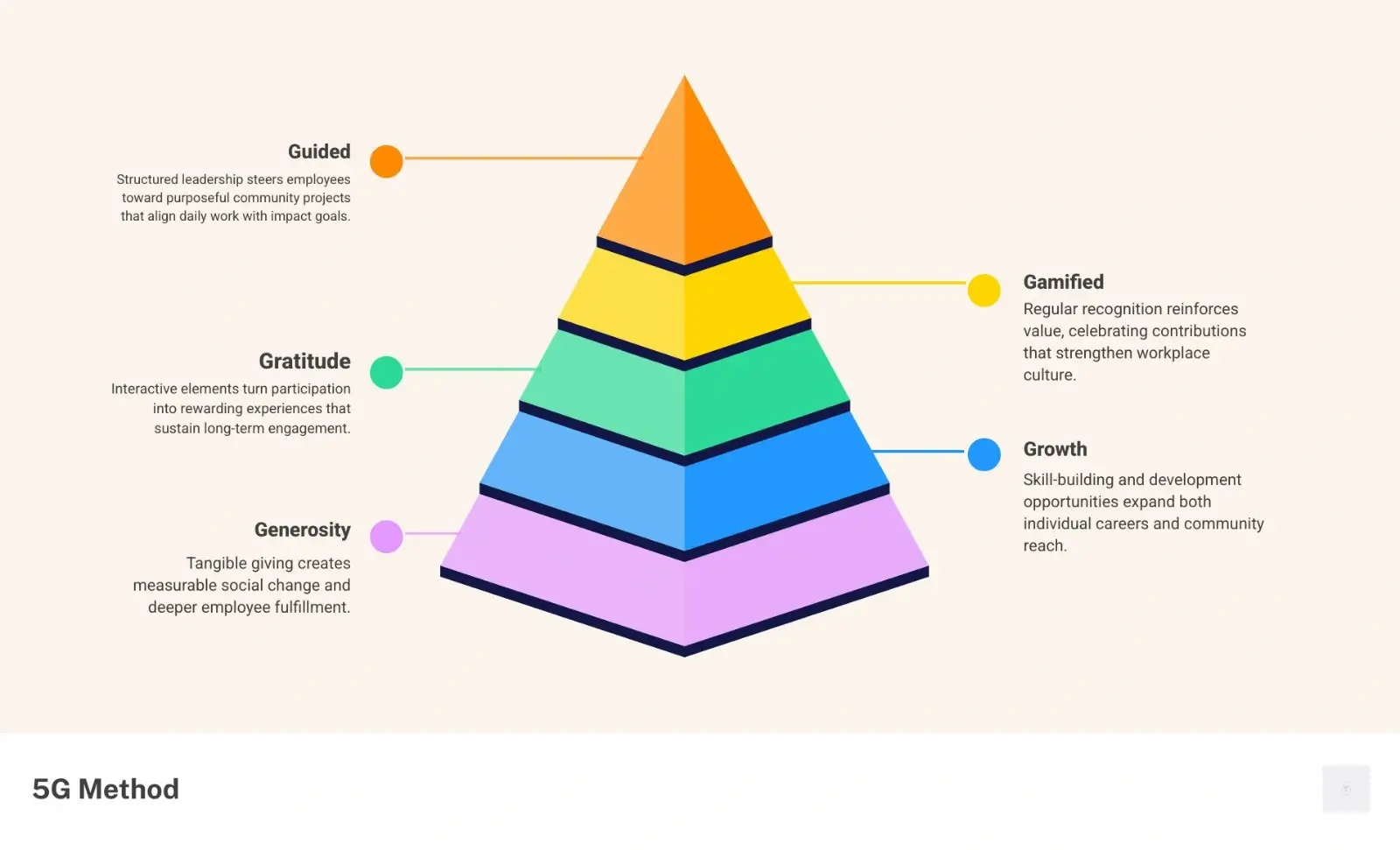
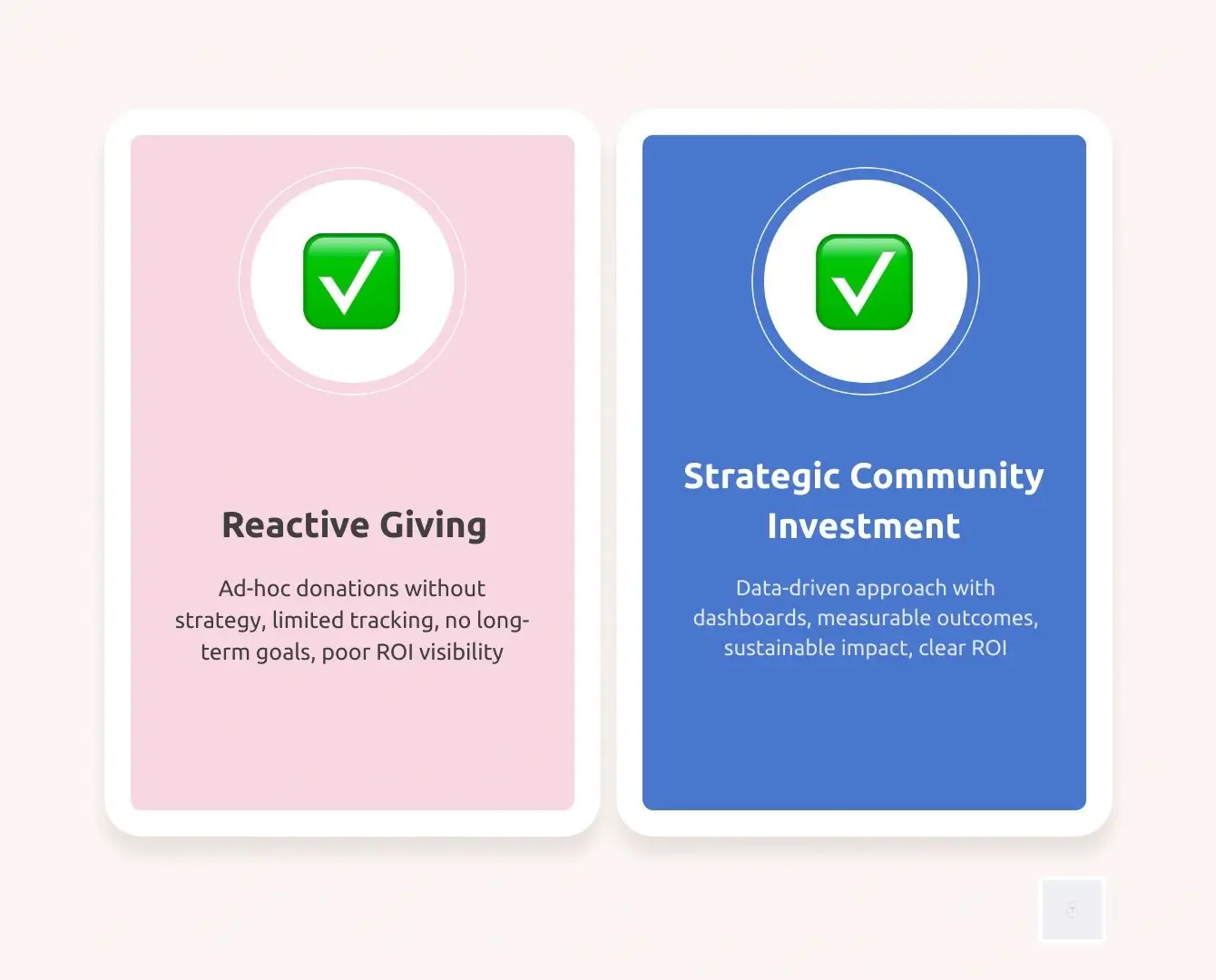
TABLE comparing reactive vs strategic community investment infographic
Conclusion
Fostering wellness and growth in the modern workplace requires a transition from viewing community impact as a peripheral activity to seeing it as a core driver of employee fulfillment. By utilizing the 5G Method—Guided, Gamified, Gratitude, Growth, and Generosity—organizations can build teams that are not only high-performing but also deeply connected to the world around them. Whether through $5 million affordable housing funds or local literacy programs, the goal remains the same: creating a culture where every individual has the opportunity to thrive while contributing to a stronger, more resilient community.
The organizations making the greatest progress are those that connect purpose to practice. They define clear goals, invite employees into the process, measure outcomes honestly, and keep learning from the communities they aim to support. In doing so, they create a workplace experience where social impact is not an occasional gesture but a lived expression of values. That is what turns community investment into a lasting source of engagement, trust, and shared momentum.
To learn more about how data-driven insights can elevate your community impact strategies, explore our resources on data-driven insights.
Business Outstanders brings you sharp insights on tech, business, entrepreneurship, law, crypto, and more. We uncover what’s next. Stay updated, sign up for our newsletter and be part of the future!