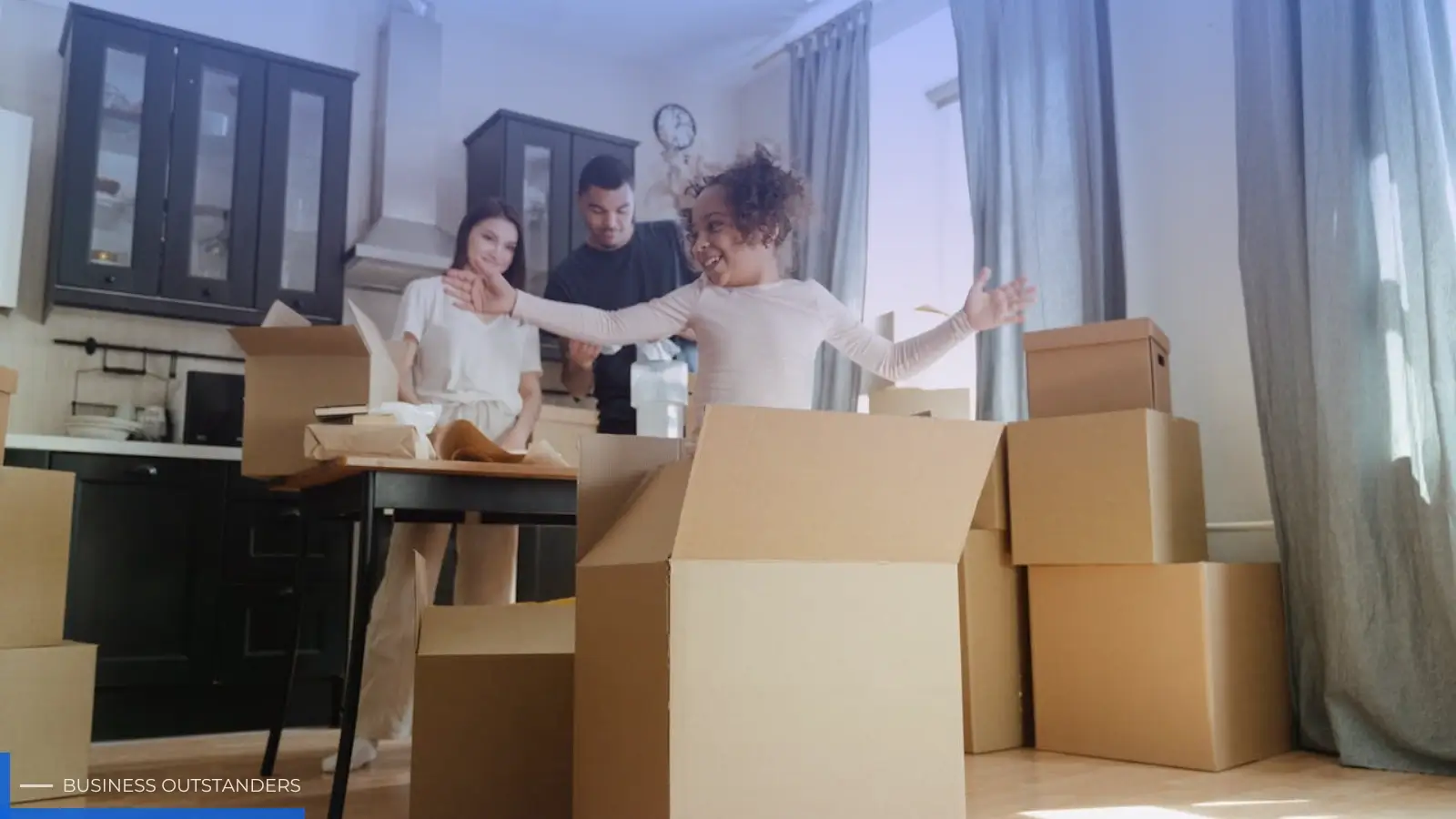
Moving day feels like the finish line. Then you spend the next week opening boxes and hunting for phone chargers while your new address feels entirely unfamiliar. That feeling is common. A new address doesn't create comfort overnight.
A house rarely feels settled when your life is packed away in cardboard. A move can leave even an organized person feeling scattered. Boxes pile up, and simple daily tasks take twice as long. That disruption often continues long after moving day, contributing to the moving stress many people experience during major life transitions.
Some homeowners use professional packing and unpacking services to protect their time and get organized faster. It reduces your physical effort and gives you room to focus on settling in. Even then, feeling at home takes more than putting things away.
It comes from the habits you build, the spaces you use every day, and the connection you develop with where you live.
Build Familiarity Through Daily Routines
Most people can remember a place that felt like home. That feeling usually comes from familiarity. You knew where things were, you had routines, and the space fit naturally into your day. That connection develops gradually.
A sense of belonging grows through shared experiences and everyday interactions. People become attached to places when those places support their routines, relationships, and daily lives.
But moving completely breaks that rhythm. A 2026 Legal & General survey found that 48% of people find moving worse than breakups or a divorce. That’s because moving can be expensive, even with careful planning.
This heavy anxiety affects your adjustment. As Syracuse University professor Lawrence Chua observes, home is often imagined as something fixed. In reality, people's experiences of home can be shaped by distance, memory, and belonging.
Those connections often develop over time rather than appearing immediately. The same thing happens in a new house. That's why your house often feels different after a few ordinary weeks.
You make coffee in the same kitchen each morning, you develop a favorite chair, and you learn how sunlight lights up each room. These small experiences add up. Eventually, the space starts feeling familiar because you’ve lived in it.
Bring Your Daily Routine Back First
Many homeowners start with decoration. They buy new furniture, paint accent walls, and hang artwork before settling in. Those projects can wait a little. The priority is making daily life easier again.
Begin by organizing the spaces where you spend most of your time. Then, make the kitchen functional and organize your bedroom. Keep your daily necessities in accessible spots so you don’t have to hunt for them.
Angi suggests setting aside essentials such as medications, chargers, documents, and a few changes of clothes before moving day. It also helps to unpack room by room instead of opening boxes at random. Clear labels make a difference here.
Keeping items in the right rooms makes daily life easier during the first few days. That structure can affect more than convenience. A homeowner survey mentioned by the NY Post found that 73% of respondents felt overwhelmed by clutter.
Another 80% said they felt more motivated when their homes were organized. Clutterless Home Solutions notes that unpacking is most effective when it helps you return to your normal routine on day one.
That's when a house starts supporting your day instead of slowing it down. When everyday tasks become easier, your home starts feeling settled.
Surround Yourself With Meaningful Things
A well-designed room can look impressive, but a meaningful room feels personal. The objects you bring into a home often shape that feeling. Pieces with a history, such as older furniture, family heirlooms, and collected keepsakes, can create a stronger sense of connection.
Country Living highlights several simple ways to make a home feel lived in. Fresh flowers can bring life and character into a space, while textiles with heritage patterns can add warmth and familiarity.
Houseplants and warm color choices can have a similar effect. Together, these details add familiarity because they reflect your tastes, memories, and everyday life rather than a decorating trend. Start with the items that already matter to you.
Hang the photo that always sat in your previous home. Put your favorite books on the shelf or display the pieces that tell your story. You can also focus on the spaces you use most often.
Display personal items in places that naturally become part of your day. Over time, those small reminders help create a stronger connection to the space and make it feel more like your own.
Treat Your Home Like You're Staying
People often delay settling in. They wait until renovations finish, the busy season ends, or life finally slows down. Many people no longer approach housing that way.
Business Wire shared some findings from the Knightvest 2024-2025 Multifamily Renter Sentiment Report. Nearly half of renters surveyed said renting is a choice, while 42% viewed it as a long-term living arrangement lasting at least five years.
Lower housing costs, fewer maintenance responsibilities, and greater flexibility ranked among the main reasons people choose to stay. For many people, the home they live in now is the home they expect to keep for years.
These findings reflect a growing willingness to invest in the home people already have rather than waiting for some future one. Make the space work for the life you're living today.
Arrange rooms around how you actually live and set up spaces you'll use often. Small choices like these can make settling in feel much easier. The sooner you treat the space like home, the sooner it starts feeling that way.
People Also Ask
How long does it take to adjust to a new house?
There is no fixed timeline. Some people settle in within a few weeks, while others need several months. The process often depends on how quickly you establish routines, meet neighbors, and become comfortable with your surroundings. Familiarity tends to develop through daily experiences rather than time alone.
What is the fastest way to adjust to a new home?
Focus on consistency. Use the same spaces for daily activities, keep a regular schedule, and spend time in the rooms you use most. Small habits, such as preparing meals at home or creating a comfortable evening routine, can help your new surroundings feel familiar much sooner.
How do you make a new house feel less empty?
Focus on layered lighting and audio to remove emptiness. Soft floor lamps create cozy pools of warmth in dark rooms. Play your favorite music to fill open areas. Adding thick rugs and window curtains blocks echo, making large spaces feel smaller and more comfortable.
What Helps a New House Feel Like Home?
|
Relocation stress levels (2026 L&G Survey) |
48% of individuals rank moving as worse than a breakup or divorce. |
|
Creating a Sense of Belonging (Syracuse University) |
A sense of home develops through routines, memory, belonging, and everyday experiences. |
|
Setting Up Essential Spaces First (Angi) |
Keeping essentials accessible helps restore daily routines more quickly after a move. |
|
Mental toll of disorganization (NY Post Survey) |
73% of homeowners felt overwhelmed by clutter, while 80% felt more motivated in organized spaces. |
|
Adding Personal Meaning to a Space (Country Living) |
Familiar objects, flowers, textiles, and houseplants can make a home feel more lived in. |
|
Viewing Home as a Long-Term Investment (Knightvest Renter Sentiment Report) |
42% of renters viewed renting as a long-term arrangement lasting at least five years. |
This Feeling Is Worth Building
A house becomes familiar through use. You build routines, create memories, place meaningful objects around you, and shape the space around your daily life. None of that happens on moving day.
Give yourself time to settle in. Focus on the rooms you use most and make choices that support how you live right now. Small actions often matter more than major projects.
A favorite chair, an organized kitchen, or a familiar evening routine can help you feel more connected to your surroundings. Before long, the house stops feeling unfamiliar and starts feeling like your own.
Business Outstanders brings you sharp insights on tech, business, entrepreneurship, law, crypto, and more. We uncover what’s next. Stay updated, sign up for our newsletter and be part of the future!