The modern workplace depends heavily on communication. Every day, millions of people attend virtual meetings, participate in online classes, record podcasts, conduct interviews, and collaborate through video calls. As digital communication continues growing across the United States, managing conversations efficiently has become more important than ever.
Manually taking notes during long discussions is often stressful and inefficient. People frequently miss important details while trying to write everything down at the same time. Reviewing recordings afterward can also consume hours of valuable time.
This is why AI-powered audio to text technology has rapidly become one of the most useful productivity solutions for businesses, students, creators, and remote teams. Advanced transcription platforms can now automatically convert spoken conversations into organized text while generating summaries, action items, and smart notes within minutes.
Solutions like hinoter ai are helping users simplify note-taking and improve how they manage meetings, videos, and conversations in daily life.
The Growing Popularity of Audio-to-Text Tools
Over the past few years, audio and video communication have become central to how people work and interact. Businesses rely on video meetings, creators publish multimedia content daily, and students participate in online learning environments more than ever before.
This increase in digital communication has created a growing demand for reliable audio to text solutions.
People use AI transcription tools for:
- Business meetings
- Team collaborations
- Video conferences
- Online lectures
- Podcasts
- Interviews
- Customer support calls
- Voice memos
- Webinar recordings
Instead of manually documenting every conversation, users can now automatically generate organized transcripts with just a few clicks.
Platforms like hinoter ai are becoming popular because they help users save time while improving communication accuracy and workflow efficiency.
Why Manual Note-Taking Is No Longer Enough
Traditional note-taking methods often create several problems.
During meetings or discussions, participants usually need to focus on listening, thinking, and responding. Trying to type notes simultaneously can reduce concentration and lead to incomplete information.
Common challenges include:
- Missing important points
- Forgetting action items
- Inaccurate summaries
- Disorganized notes
- Difficulty reviewing recordings later
AI transcription technology solves these issues by handling the documentation process automatically.
Modern audio to text systems can listen to conversations, identify speakers, convert speech into text, and organize key information almost instantly.
This allows users to stay fully engaged in discussions without worrying about capturing every detail manually.
Smart Notes Make Conversations Easier to Review
Basic transcripts are helpful, but reading long pages of conversation text can still feel overwhelming.
This is where smart notes technology becomes especially valuable.
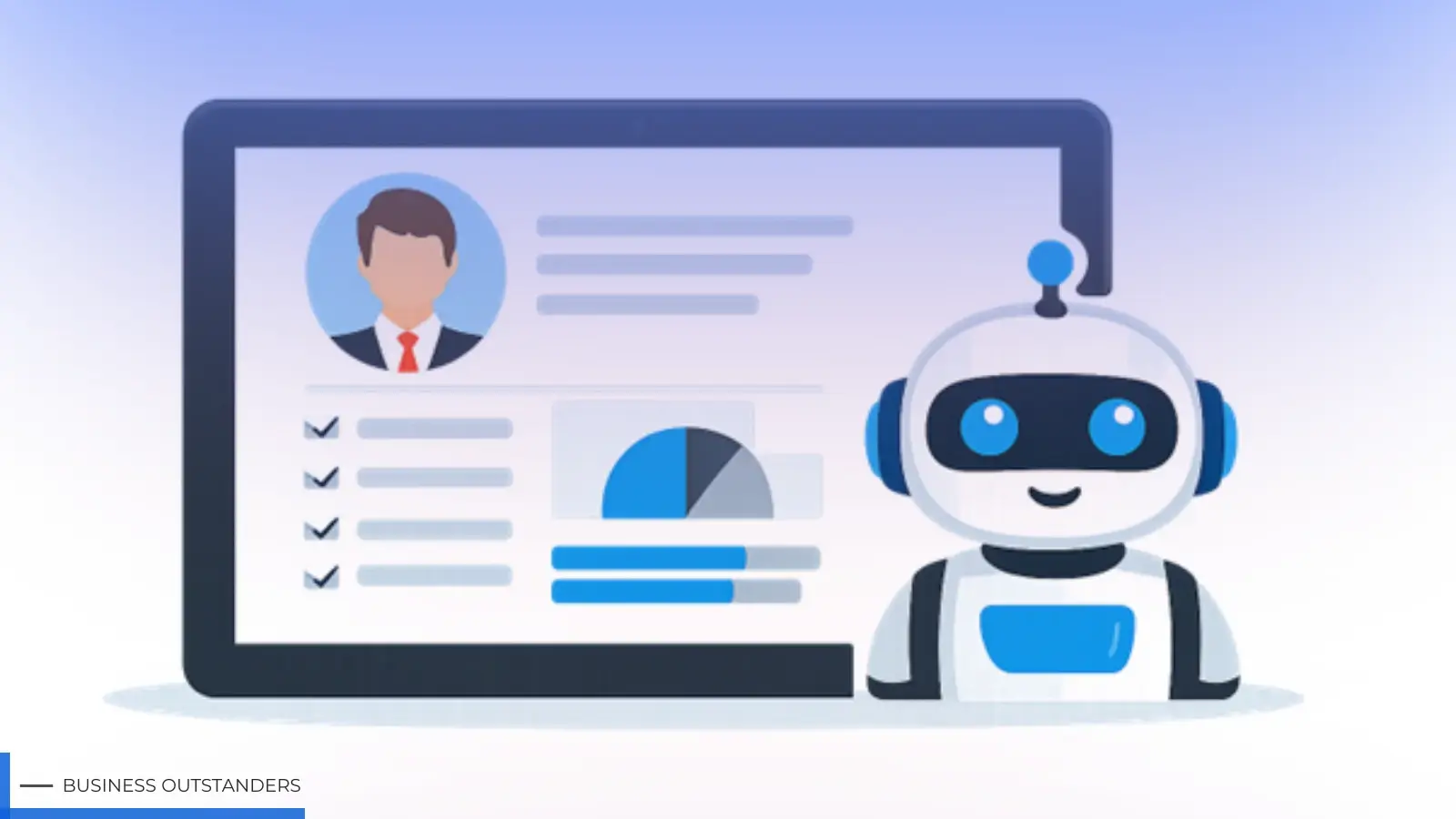
Instead of displaying raw transcripts only, AI-powered platforms organize information into structured summaries that highlight the most important parts of a conversation.
Smart notes may include:
- Key discussion points
- Meeting highlights
- Important decisions
- Action items
- Deadlines
- Speaker summaries
- Follow-up reminders
For example, after a one-hour virtual meeting, hinoter ai can automatically generate concise notes that summarize the entire discussion clearly and efficiently.
This makes it much easier for teams to review conversations and stay aligned on important tasks.
AI Audio-to-Text for Remote Teams
Remote work has transformed how businesses operate. Employees now collaborate across different cities, states, and even countries through online meetings and virtual communication tools.
However, attending multiple meetings daily can quickly become overwhelming.
AI-powered audio to text tools help remote teams by automatically documenting conversations and organizing meeting information.
Features often include:
- Real-time transcription
- Automatic summaries
- Speaker recognition
- Shared meeting notes
- Searchable transcripts
- Cloud synchronization
- Multi-device access
These tools reduce administrative work while improving collaboration across remote teams.
Instead of assigning someone to manually take notes during meetings, AI systems can handle the process automatically and consistently.
Platforms like hinoter ai are helping organizations improve productivity while simplifying virtual communication workflows.
How Students Benefit From AI Transcription
Students are another major audience benefiting from audio-to-text technology.
During online classes and lectures, students often struggle to balance listening carefully while taking complete notes at the same time. Fast-paced lessons can make it difficult to capture every important concept.
AI transcription tools solve this problem by automatically converting lectures into organized text.
Students using audio to text platforms can:
- Record lectures
- Generate study summaries
- Review transcripts later
- Highlight key concepts
- Organize learning materials
- Search important topics quickly
This creates a more efficient learning experience while reducing stress during classes.
AI-generated smart notes also help students review information more effectively before exams or assignments.
AI Transcription for Content Creators
Content creators work with audio and video content constantly. From podcasts and YouTube videos to interviews and livestreams, creators often spend significant time organizing spoken content.
Manual transcription is usually slow and repetitive.
AI-powered audio to text tools dramatically improve this workflow by generating transcripts automatically.
Creators can use platforms like hinoter ai to produce:
- Video captions
- Podcast transcripts
- Interview summaries
- Blog-ready text
- Social media snippets
- Discussion highlights
This allows creators to repurpose content across multiple platforms quickly and efficiently.
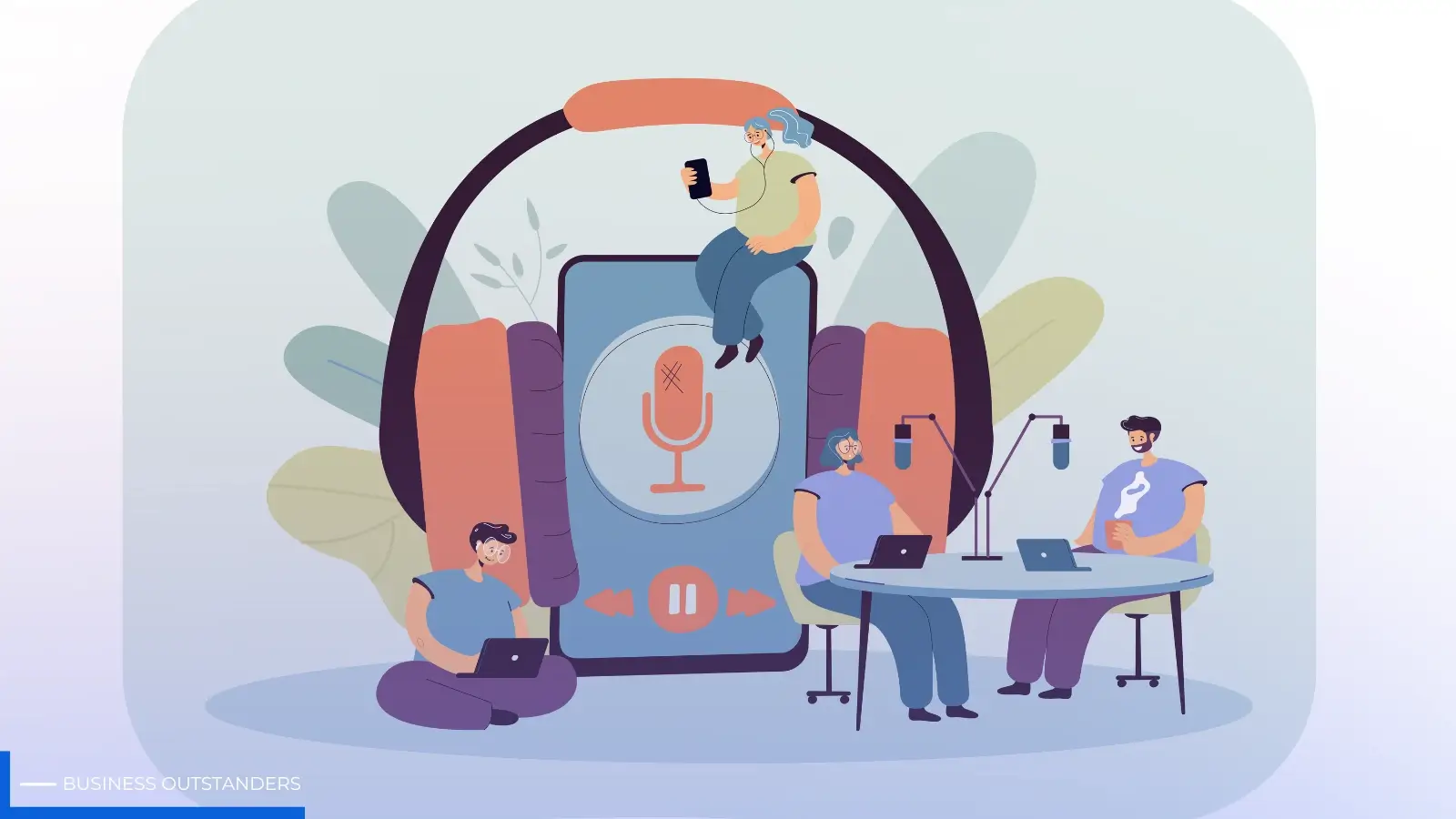
For example, a podcast episode can easily become:
- A readable transcript
- Short-form content clips
- Written summaries
- Educational resources
- Discussion notes
AI transcription helps creators focus more on producing content rather than spending hours organizing recordings manually.
Accessibility and Inclusive Communication
Accessibility is another major advantage of audio-to-text technology.
Not everyone processes information through audio alone. Some users prefer written content, while others may have hearing challenges that make spoken communication more difficult.
Providing transcripts and captions improves accessibility for:
- Deaf and hard-of-hearing users
- Non-native English speakers
- Students reviewing lessons
- Professionals revisiting meetings
- Users in noisy environments
AI-generated transcripts make conversations easier to understand and review across many situations.
As digital communication becomes increasingly important, accessibility features continue playing a larger role in modern technology platforms.
How Modern AI Understands Human Speech
Speech recognition technology has improved significantly in recent years.
Older transcription systems often struggled with accents, multiple speakers, background noise, or fast conversations. Modern AI models are far more advanced.
Today’s audio to text platforms can recognize:
- Natural speech patterns
- Different accents
- Group discussions
- Industry terminology
- Informal conversations
- Fast dialogue
- Background noise
Machine learning allows AI systems to improve continuously as they process more speech data over time.
For example, hinoter ai can often identify different speakers automatically during meetings, making transcripts easier to organize and understand.
This improvement in accuracy has made AI transcription reliable enough for both personal and professional use.
Better Organization for Everyday Conversations
AI note-taking tools are no longer limited to business environments.
Many people now use transcription apps to organize personal conversations, brainstorming sessions, and voice notes throughout daily life.
Examples include:
- Recording ideas on the go
- Capturing brainstorming sessions
- Saving phone conversations
- Organizing interview notes
- Tracking project discussions
Instead of relying on memory alone, users can instantly create searchable archives of conversations and ideas.
This helps people stay organized while reducing the risk of forgetting important information.
Security and Privacy Features
Privacy is an important concern when handling recordings and conversations online.
Businesses especially need secure systems when managing confidential discussions, client information, or internal meetings.
Many AI transcription platforms now include advanced security protections such as:
- Encrypted file storage
- Secure cloud processing
- Permission controls
- Protected workspaces
- Private sharing options
These security features help users safely manage recordings while benefiting from AI-powered automation.
As demand continues growing, platforms like hinoter ai are increasingly focused on protecting user data and improving privacy standards.
The Future of AI Smart Notes
AI note-taking technology continues evolving rapidly.
Future audio to text platforms may include:
- Automatic meeting follow-ups
- AI-generated project updates
- Real-time collaboration insights
- Personalized summaries
- Voice-command organization
- Workflow automation
AI assistants may eventually become capable of fully organizing conversations, meetings, and collaborative projects automatically.
As workplaces become more digital and communication-driven, intelligent note-taking tools will likely become even more essential.
Choosing the Right Audio-to-Text Platform
With many transcription tools available today, users should choose solutions that match their specific needs.
Important factors include:
Accuracy
Reliable speech recognition is essential for clear and useful transcripts.
Speed
Fast processing saves time during busy workflows.
Smart Features
Automatic summaries and organized notes provide more value than simple transcripts.
Ease of Use
Simple interfaces improve the user experience.
Multi-Platform Support
Compatibility with meetings, videos, mobile devices, and cloud systems increases flexibility.
Platforms like hinoter ai continue attracting users because they combine intelligent automation with user-friendly smart note capabilities.
Final Thoughts
AI-powered audio to text technology is transforming how people manage conversations, meetings, videos, and recordings. Instead of spending hours manually writing notes or replaying audio files, users can now generate organized transcripts and smart summaries automatically within minutes.
From remote teams and students to creators and professionals, AI transcription tools are helping people communicate more efficiently while improving organization and productivity.
As digital collaboration continues expanding across the United States, intelligent platforms like hinoter ai are becoming valuable tools for modern work and everyday communication.
The future of note-taking is no longer manual. It is fast, intelligent, automated, and designed to help people focus more on conversations and less on documentation.
Business Outstanders brings you sharp insights on tech, business, entrepreneurship, law, crypto, and more. We uncover what’s next. Stay updated, sign up for our newsletter and be part of the future!