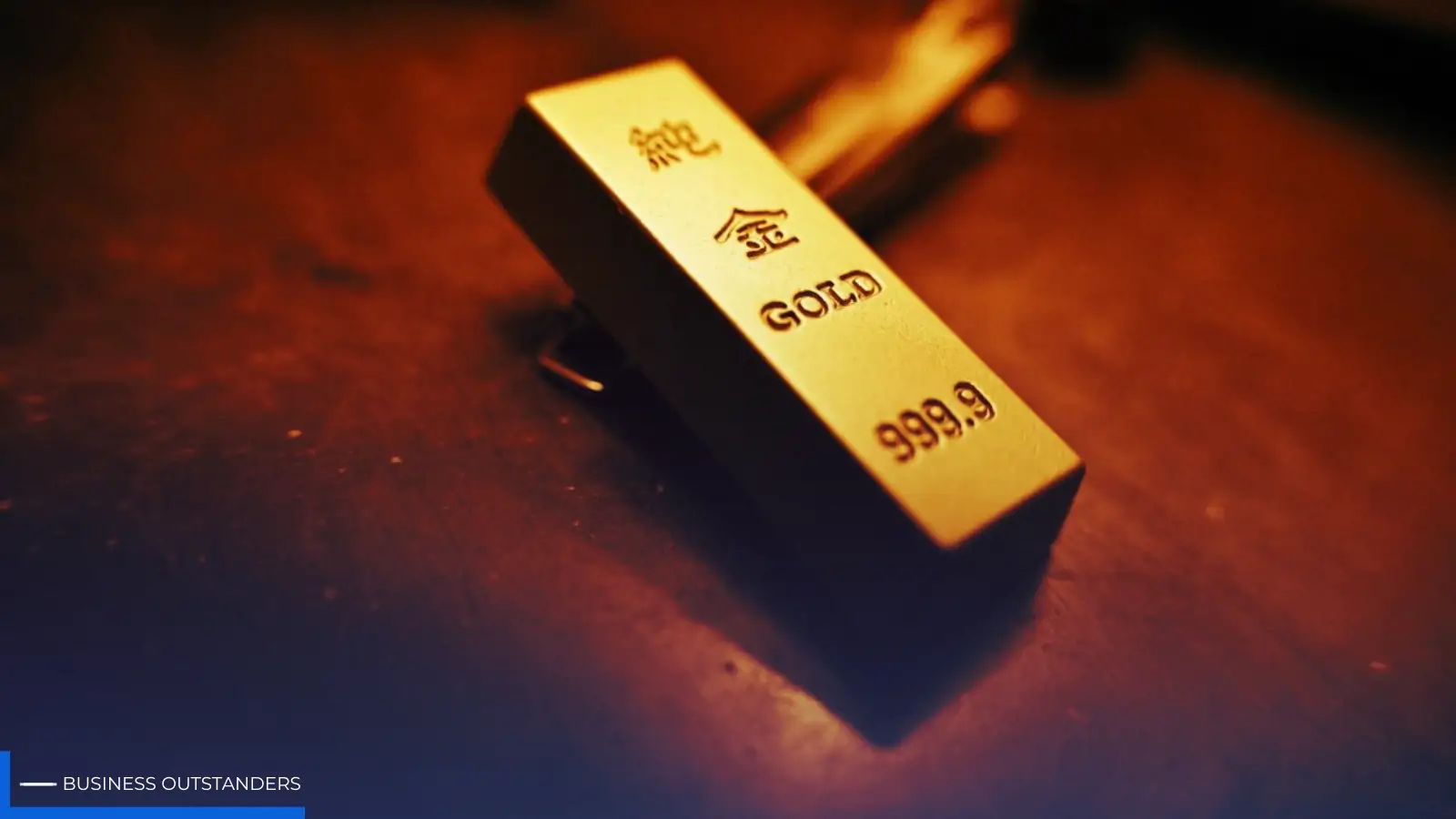
Economic uncertainty changes how people think about wealth protection, liquidity, and long term financial stability. During unstable periods, many investors move toward physical gold because it feels more reliable than assets tied entirely to digital systems or market speculation.
That shift usually favors bullion over jewelry. Investors often prefer assets with clearer pricing standards, stronger liquidity, and more predictable resale behavior when financial markets become volatile.
Why Gold Bullion Is Viewed As A Stronger Investment Asset
Financial uncertainty often increases interest in assets with standardized value and stronger liquidity. Businesses like sellgoldjewelryrockford.com frequently evaluate bullion based on purity, weight, and current market pricing rather than fashion or design trends. That consistency is one reason many investors view bullion as a more stable option during unpredictable economic periods.
- Higher purity than most jewelry
- Easier to value during resale
- Closely follows live gold prices
- Stronger global resale demand
- Less affected by fashion trends
- Easier authenticity verification
- Faster liquidity during market volatility
- Lower retail markup influence
- Trusted by long term investors
- More standardized investment product
Why Jewelry Often Performs Differently During Financial Uncertainty
Jewelry combines emotional value, craftsmanship, and material pricing together. That creates a very different resale environment compared to investment bullion during unstable economic conditions.
1. Jewelry Includes Design Markups
Retail jewelry pricing usually includes labor costs, branding expenses, showroom overhead, and design markups in addition to the actual gold value itself.
Those added retail costs rarely maintain their full value once jewelry reenters secondary resale markets or local gold buying environments.
2. Fashion Trends Affect Resale Demand
Jewelry demand changes constantly with consumer preferences, seasonal fashion trends, and shifting market interest across different resale audiences.
That creates pricing inconsistency during periods of economic uncertainty because some jewelry styles lose demand much faster than bullion products.
3. Lower Purity Levels Reduce Gold Content
Most jewelry uses 10K, 14K, or 18K gold instead of the higher purity investment standards commonly associated with bullion products.
Lower purity reduces the amount of recoverable gold during resale evaluations and often affects pricing expectations during transactions.
4. Repair And Condition Issues Matter
Scratches, bent clasps, damaged settings, worn finishes, and visible repairs often reduce resale appeal during professional buyer evaluations.
Condition related concerns sometimes increase buyer caution even when the jewelry still contains genuine gold and recognizable craftsmanship.
5. Custom Jewelry Has Narrower Resale Appeal
Personalized jewelry appeals to smaller resale audiences because engravings, initials, and unique custom designs limit wider market interest.
That narrower market can reduce resale flexibility during uncertain financial periods when buyers usually prioritize market liquidity and faster resale demand.
6. Gemstones Complicate Valuation
Diamonds and gemstones follow separate pricing systems from gold itself, and their value often changes depending on market demand and quality.
That additional complexity usually makes jewelry valuation less predictable and more difficult than standardized bullion pricing during resale evaluations.
Bullion Products Investors Commonly Prefer During Volatile Markets
Investors usually focus on bullion products that remain easy to verify, trade, and resell during uncertain financial periods. Recognizable bullion tends to attract stronger confidence because buyers understand its purity, liquidity, and market value more clearly.
Many investors researching what is investment grade gold bullion often compare it with options like a Gold IRA, as both emphasize purity standards and long-term wealth preservation during volatile market conditions. Market recognition and purity standards strongly influence long term resale confidence during volatile conditions.
Government Minted Gold Coins
Government issued coins often attract strong investor trust because their purity and weight standards remain internationally recognized across bullion markets.
Products like American Eagles and Maple Leafs benefit from global familiarity and consistent resale confidence during uncertain financial periods.
High Purity Gold Bars
Investment grade bars with .999 or higher purity remain attractive because refiners and investors value consistent gold concentration and quality.
Higher purity products usually maintain stronger market liquidity during unstable periods and volatile economic conditions.
Fractional Bullion Pieces
Smaller bullion products provide flexibility for investors who want easier resale opportunities without liquidating large holdings entirely.
Fractional pieces also appeal to wider local buyer markets because they create more accessible investment flexibility for different budgets.
Sealed Investment Bullion
Professionally sealed bullion products help support authenticity and condition verification during resale evaluations and buyer inspections.
Sealed packaging often improves buyer confidence because tamper resistant presentation supports stronger authenticity assurance.
Recognized International Refiners
Bullion produced by globally recognized refiners usually creates stronger confidence in both local and international investment markets.
Recognition reduces verification concerns and simplifies resale discussions because buyers trust established refinery reputation standards.
Serialized Bullion Products
Serialized bullion products support traceability and authenticity verification during transactions across professional bullion markets.
That additional verification strengthens buyer assurance during volatile financial conditions by improving transaction transparency during evaluations.
How Economic Uncertainty Changes Gold Buyer Behavior
Financial instability changes how investors approach risk, liquidity, and long term wealth protection. During uncertain periods, physical gold often receives stronger attention because many investors view it as a tangible store of value.
1. Inflation Concerns Increase Gold Interest
Inflation reduces purchasing power over time, which often increases investor interest in precious metals and other physical assets.
Many investors view gold as protection against long term currency erosion and broader economic uncertainty during unstable periods.
2. Banking Instability Drives Physical Asset Demand
Periods of banking uncertainty sometimes increase demand for physical assets that investors can hold directly outside traditional systems.
Tangible ownership creates stronger financial security perception for many bullion buyers during unstable economic conditions.
3. Currency Weakness Supports Precious Metal Demand
Weakening currencies often increase interest in internationally recognized assets like gold bullion and other precious metals.
Global pricing helps investors track value more consistently during periods of currency instability and economic volatility.
4. Investors Prioritize Liquidity During Volatility
Fast resale potential becomes more important when markets move unpredictably and investors seek easier access to capital quickly.
Bullion products usually provide stronger market liquidity than heavily customized jewelry during uncertain financial periods.
5. Physical Gold Creates Psychological Security
Many investors feel more confident holding physical gold during uncertain financial conditions because it remains independent of digital systems.
That psychological comfort significantly influences bullion demand during unstable periods when financial uncertainty increases rapidly.
During uncertain markets, investors usually prioritize liquidity, authenticity, and predictable valuation standards.
Why Bullion And Jewelry Behave Differently During Uncertain Markets
|
Factor |
Gold Bullion |
Gold Jewelry |
|
Purity Level |
Usually higher |
Often lower |
|
Pricing Transparency |
More standardized |
Varies widely |
|
Liquidity |
Faster resale |
Depends on style |
|
Market Influence |
Tracks gold prices closely |
Influenced by fashion |
|
Authentication |
Easier to verify |
More complex |
|
Emotional Value |
Investment focused |
Sentimental value |
|
Resale Consistency |
More predictable |
Less predictable |
Bullion and jewelry serve very different purposes during uncertain financial periods. Bullion usually attracts investors focused on liquidity and long term wealth preservation, while jewelry often carries emotional, fashion, and craftsmanship value that can affect resale consistency.
Smart Considerations Before Buying Or Selling Gold Bullion
Bullion decisions become more important during volatile economic periods. Investors who understand pricing, authenticity, and liquidity factors usually make more informed decisions before entering gold markets. Small preparation steps often reduce unnecessary financial risk.
- Track Live Gold Prices: Market awareness improves timing decisions.
- Verify Bullion Authenticity: Proper testing reduces counterfeit risks.
- Research Refinery Reputation: Recognized refiners usually hold stronger resale trust.
- Compare Multiple Buyer Offers: Local pricing differences can vary noticeably.
- Keep Certificates Available: Documentation supports smoother evaluations.
- Understand Purity Standards: Higher purity products often attract stronger demand.
- Protect Original Packaging: Sealed bullion improves buyer confidence.
- Monitor Economic Conditions: Market trends influence bullion demand behavior.
- Avoid Emotional Decisions: Panic buying or selling often weakens outcomes.
- Understand Resale Liquidity: Some bullion products move faster than others.
Conclusion
Gold bullion attracts many investors during uncertain economic periods because it offers clearer pricing, stronger liquidity, and more predictable resale behavior than jewelry. While jewelry combines emotional, fashion, and material value together, bullion remains focused mainly on purity and market value. Investors who understand authenticity, liquidity, and changing market conditions usually make more confident decisions when buying or selling physical gold assets.
Business Outstanders brings you sharp insights on tech, business, entrepreneurship, law, crypto, and more. We uncover what’s next. Stay updated, sign up for our newsletter and be part of the future!