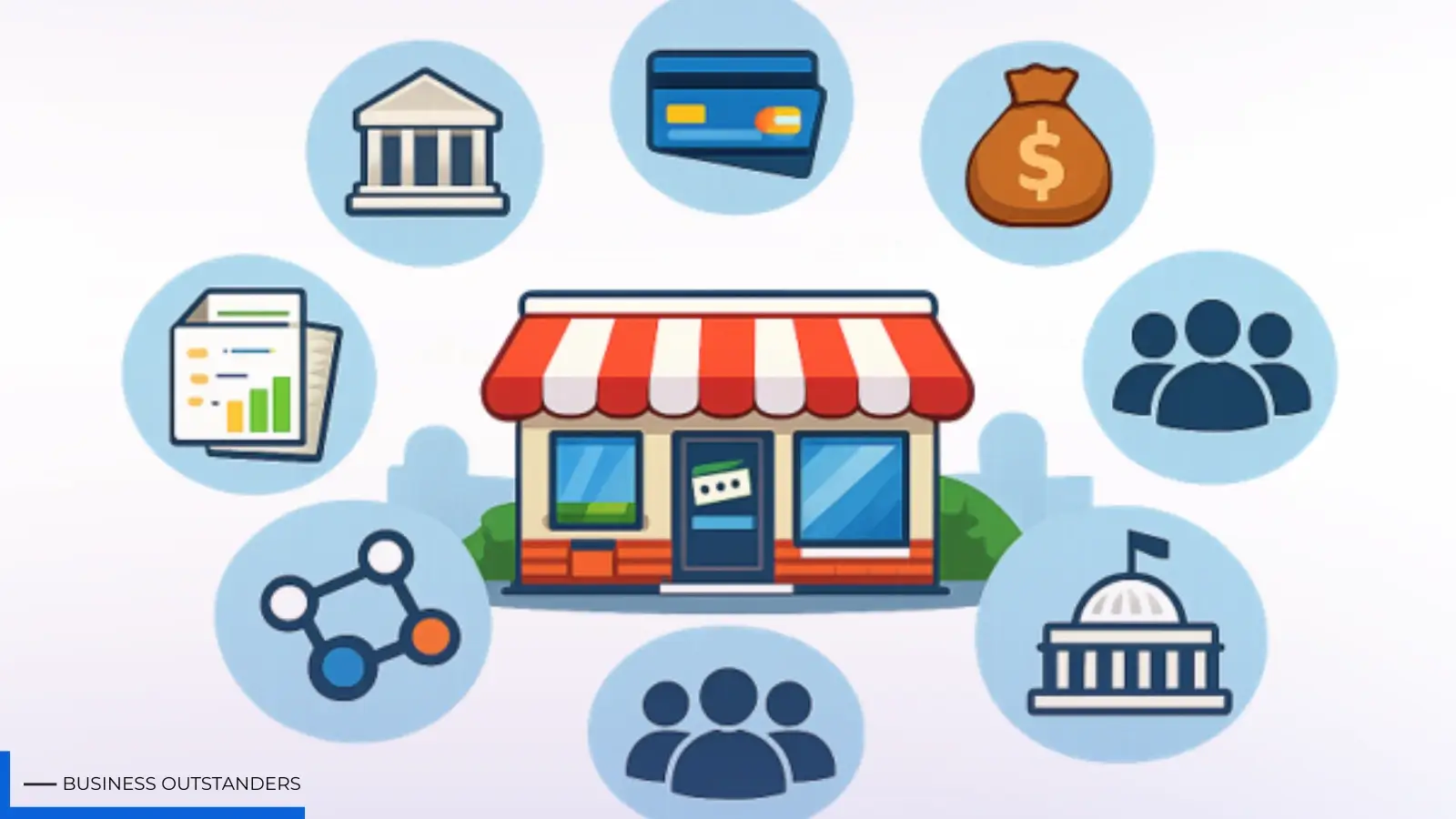
The need for tailored financing cannot be overstated, as it provides an essential cushion against unforeseen expenses while supporting innovation and expansion. As markets change and industries shift, small business owners benefit most from customized funding sources that align with their specific needs and long-term objectives. By understanding both traditional and innovative lenders, businesses can better position themselves for sustainable growth.
While traditional bank loans are still a reliable option for some, many companies are turning to more creative sources. These include online lenders, peer-to-peer platforms, government-backed programs, and invoice factoring services. With options becoming increasingly diverse, businesses with differing credit profiles or short-term needs have greater flexibility and accessibility.
Business leaders should carefully weigh the benefits and limitations of each model, taking into account factors such as repayment flexibility, costs, approval time, and cash flow impact. Collaborating with trusted financial professionals can make selecting the right financial product much easier and more effective.
Traditional Loans
Traditional loans remain a familiar starting point for many small business owners. Offered primarily by banks and credit unions, these loans typically provide a lump sum with fixed repayment terms and interest rates. This stability appeals to entrepreneurs seeking predictable monthly payments and a clear path to payoff. However, the eligibility criteria can be difficult for some small businesses to meet, as lenders usually require solid credit history and collateral. Additionally, the application and approval process may take several weeks, so these loans are not ideal when funds are needed urgently. Still, the lower interest rates and straightforward terms make conventional loans a sound option for those who qualify.
Business Lines of Credit
Unlike traditional loans, a business line of credit offers companies much-needed flexibility by providing a revolving limit of capital that can be drawn upon at any time. Businesses only pay interest on the amount they use, and the limit can be replenished as funds are repaid. This adaptability is perfect for companies juggling irregular incomes, seasonal fluctuations, or unexpected expenses. The growing popularity of these financial tools is reflected in recent trends reported by ROK Financial, which noted a significant increase in line-of-credit applications in 2025. As more firms recognize the advantages, solutions such as flexible business line-of-credit arrangements are becoming core components of sound financial strategies for small operations.
Merchant Cash Advances
Merchant cash advances provide an alternative that is especially appealing to businesses with high credit card sales volume. In this model, an advance is repaid through a fixed percentage of daily credit card receipts. Because payments vary with revenue, merchant cash advances help maintain cash flow during slow periods. However, they are often more costly than other forms of borrowing due to their higher fees and interest rates. While easy to access, the overall expense can add up, so businesses must calculate the true long-term cost beyond the immediate boost in working capital. More details about the pros and cons of merchant cash advances are available in this comprehensive overview from NerdWallet.
Invoice Factoring
Businesses that operate on long payment cycles often experience working capital shortages while waiting for customers to pay invoices. Invoice factoring addresses this challenge by allowing a business to sell its outstanding invoices to a third party at a discount. The factoring company assumes responsibility for collecting the receivables, and the business receives immediate cash. This helps smooth cash flow, but it reduces profit margins due to the factorer's fee. Invoice factoring is best utilized as a short-term solution or as a bridge financing method for fast-growing companies.
Crowdfunding
Crowdfunding has emerged as an innovative way for small businesses to raise capital by connecting with a broad online audience. Through platforms like Kickstarter and Indiegogo, entrepreneurs present their business ideas or products and solicit monetary contributions from backers. This method is valuable not only as a funding source but also as a marketing tool that builds initial customer relationships and validates product-market fit. A successful crowdfunding campaign can open doors to further investment and help a business generate buzz even before launch. The Securities and Exchange Commission (SEC) provides useful information on crowdfunding regulations and opportunities through its Investor Alerts and Bulletins.
Peer-to-Peer Lending
Peer-to-peer (P2P) lending platforms act as online marketplaces that directly connect borrowers with individuals or groups willing to lend capital. This approach frequently features streamlined applications, prompt approval decisions, and more accessible terms for those with nontraditional credit backgrounds. Interest rates are set by platform algorithms based on a borrower's creditworthiness, leading to variable rates that can, in some cases, be lower than those offered by banks. P2P lending provides another valuable funding channel, especially for startups and small businesses with limited collateral or a short credit history.
Government Programs
Federal, state, and municipal governments offer a range of funding programs to support small businesses, including low-interest loans, grants, and technical assistance. For example, the city of Des Moines has revived its Small Business Impact Loan Program, making low-cost capital accessible to local businesses. These programs often come with favorable terms and added business training opportunities, though competition can be fierce and eligibility requirements strict. Integrating SBA funding opportunities into a broader financial planning strategy can help businesses maximize their growth potential. Businesses should regularly check with agencies such as the Small Business Administration (SBA) for updates about new initiatives and deadlines that could benefit their enterprise. Learn more about small business federal loan programs at SBA.gov.
Choosing the Right Option
Selecting the most suitable financing option requires careful evaluation of several factors: the amount of capital needed, projected revenue and cash flow, repayment schedules, total borrowing costs, and the business’s overall credit profile. Entrepreneurs should consider their immediate requirements alongside long-term objectives. Consulting with a qualified financial advisor can help identify the optimal solution that supports business growth without jeopardizing financial health.
Understanding the array of flexible financing options now available enables small business owners to keep pace with today’s fast-evolving market. By combining the right funding approach with sound management practices, businesses of all sizes can strengthen their resilience, fuel new initiatives, and achieve their goals with confidence.
Business Outstanders brings you sharp insights on tech, business, entrepreneurship, law, crypto, and more. We uncover what’s next. Stay updated, sign up for our newsletter and be part of the future!