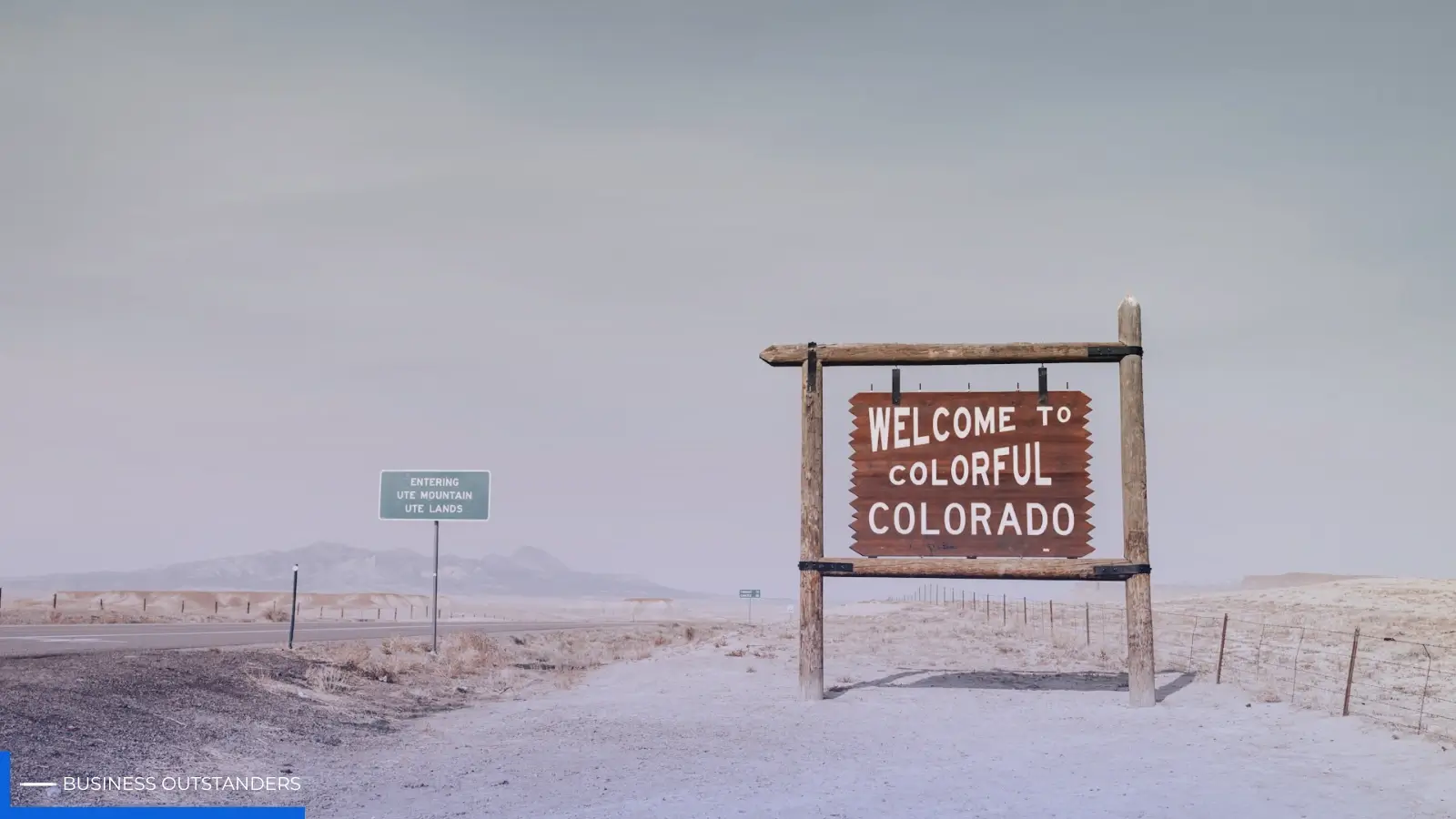
Colorado has spent years building a reputation as a place where businesses can grow. A skilled workforce and deep startup roots helped attract founders from across the country.
Yet many business leaders now believe that the advantage is getting harder to maintain. Rising costs, growing regulations, and policy uncertainty are creating new challenges for companies of all sizes.
That is one reason some founders are looking beyond day-to-day operations for guidance. Business owners often rely on a Colorado wealth management firm when financial planning becomes more closely connected to long-term goals.
If you run a business, these changes deserve your attention. They affect hiring, expansion plans, operating costs, and your ability to compete over time.
Colorado's Business Environment Is Raising New Concerns
Business leaders have been raising concerns about Colorado's direction for several years. Those concerns became louder in 2025.
The Colorado Sun cited a Colorado Chamber relocation report. It found that 98 companies either left Colorado or chose another state between 2019 and 2025. These decisions meant that Colorado lost more than 13,600 jobs to other states.
The report also noted that Colorado fell out of CNBC's top 10 states for business after holding that position for 15 years. Those findings echoed concerns raised by other business groups.
Over 230 technology leaders signed an open letter arguing that Colorado has become less predictable and less competitive for business growth. These concerns also appear in Colorado Chamber data.
The organization reports that Colorado is now the sixth most regulated state in the country. In its survey, 65% of businesses with fewer than 100 employees listed regulations among their top concerns.
Labor rules drew the most attention, followed by environmental requirements. For business owners, the concern is easy to understand. When regulations increase, and business confidence falls, growth becomes harder to plan.
Why Cost Uncertainty Is Making Growth Harder
Most business owners can plan for higher costs, but uncertainty is harder to manage. ColoradoBiz recently reported that tariffs continue to create challenges for businesses across the state.
During a discussion with state officials, business leaders described higher expenses and broken logistics. One Colorado manufacturer reported that tariffs increased material costs by roughly 6% to 7% within a year.
The company also dealt with inventory issues and inconsistent delivery schedules. Those pressures forced the business to carry more inventory, which tied up capital that could have been used elsewhere.
ColoradoBiz also cited projections showing an effective tariff rate of 8.8% in 2026. Small businesses often feel these increases more than larger competitors because they have fewer resources and less purchasing power.
When future costs become harder to predict, founders face tougher decisions. Hiring slows as expansion plans get delayed. Even forecasting becomes less reliable. Businesses can still grow under those conditions. It simply requires more discipline and more planning.
How Policy Decisions Reach Beyond the Capitol
Many founders spend most of their time thinking about customers, products, and employees. Policy changes deserve attention, too. The Denver Post highlighted one example that frustrated many small business owners.
State lawmakers repealed Colorado's vendor fee, which had partially reimbursed businesses for the work involved in collecting and remitting sales taxes. Supporters viewed the change as a budget measure.
Critics said that even a few hundred dollars per month can matter for businesses operating on thin margins. Some lawmakers also questioned how quickly new requirements were being added.
Ryan Gonzalez, representative for Colorado’s State House District 50, warned about the broader effect of adding additional burdens on small companies. “When lawmakers speed up deadlines and add more mandates, small businesses often feel the impact first.”
The debate reflects a larger concern. Small administrative changes often carry real financial consequences. The Denver Chamber raised similar concerns about HB26-1012.
Business groups argued that the proposal would limit pricing flexibility and create vague compliance standards. They also warned that local events, small vendors, and community businesses could face additional pressure because of new restrictions.
For many founders, that is part of a larger challenge. Not every threat to growth comes from inside the business.
The Businesses Best Positioned for Uncertain Times
Business conditions rarely stay stable for long. Weather events provide a good example. According to Yellow Scene, the U.S. Small Business Administration opened disaster assistance for Colorado businesses affected by drought conditions in late 2025.
The program allows eligible businesses and nonprofit organizations to apply for Economic Injury Disaster Loans of up to $2 million. The loans can help cover payroll, fixed debts, accounts payable, and other operating expenses.
Businesses do not need physical property damage to qualify if the drought created economic losses. That detail matters. Few founders prepare for unexpected disruptions that affect their operations or cash flow.
Preparing for those disruptions often requires balancing today's operational demands with future priorities. WealthClarity suggests a strong financial plan balances immediate priorities with long-term goals.
This mindset can help business owners make steadier decisions when conditions become less predictable. That becomes especially important when businesses face risks such as droughts, tariffs, or policy changes.
Those with stronger forecasting, healthier reserves, and clearer contingency plans usually have more room to respond when conditions change. These habits help you stay focused when uncertainty arrives.
People Also Ask
How does Colorado's cost of living impact business hiring?
High housing costs in Denver and Boulder make it hard to recruit out-of-state talent. Workers demand much higher salaries just to cover basic rent or mortgages. If you can't match those pay pressures, your open roles sit empty. Cheaper regions will snap up the best people instead.
What makes a business more resilient during economic uncertainty?
Resilient businesses usually have strong cash flow visibility, realistic budgets, and multiple revenue sources. They also review risks regularly and prepare backup plans for major disruptions. When market conditions change, these companies can adjust faster without making rushed decisions that hurt long-term growth.
Why should business owners review their growth strategy regularly?
A growth strategy that worked three years ago may not fit current market conditions. Customer demand, operating costs, regulations, and competition can change quickly. Regular reviews help you spot weaknesses early, redirect resources when needed, and keep business goals aligned with current realities.
Colorado Business Indicators by the Numbers
|
Loss of businesses |
98 companies left Colorado or expanded elsewhere, representing more than 13,600 jobs. |
|
State regulatory burden |
Colorado ranked as the sixth most regulated state in the country. |
|
Tariff cost spikes |
Material costs jumped 7% with a projected 8.8% tariff rate in 2026. |
|
Sales Tax Compliance Costs |
Businesses lost vendor-fee reimbursements tied to sales-tax collection duties. |
|
Bill HB26-1012 friction |
Critics argued HB26-1012 could reduce pricing flexibility for businesses. |
|
Drought Recovery Support |
The SBA offered up to $2 million in loans for sudden cash flow drops. |
Competitive Advantages Need Constant Attention
Colorado still has many strengths. It continues to attract talent, support innovation, and create opportunities for entrepreneurs. At the same time, founders are facing a more complicated business environment.
Concerns about competitiveness, rising costs, regulatory pressure, and unexpected disruptions are appearing across multiple industries. Smart business owners track long-term trends, including regulatory shifts, cost structures, and tax planning instead of panicking over daily headlines.
The businesses that remain strong over the next decade will likely be the ones that manage risk carefully and adapt when conditions change. Those skills matter in every business aspect, but they matter even more when conditions start changing around you.
Business Outstanders brings you sharp insights on tech, business, entrepreneurship, law, crypto, and more. We uncover what’s next. Stay updated, sign up for our newsletter and be part of the future!