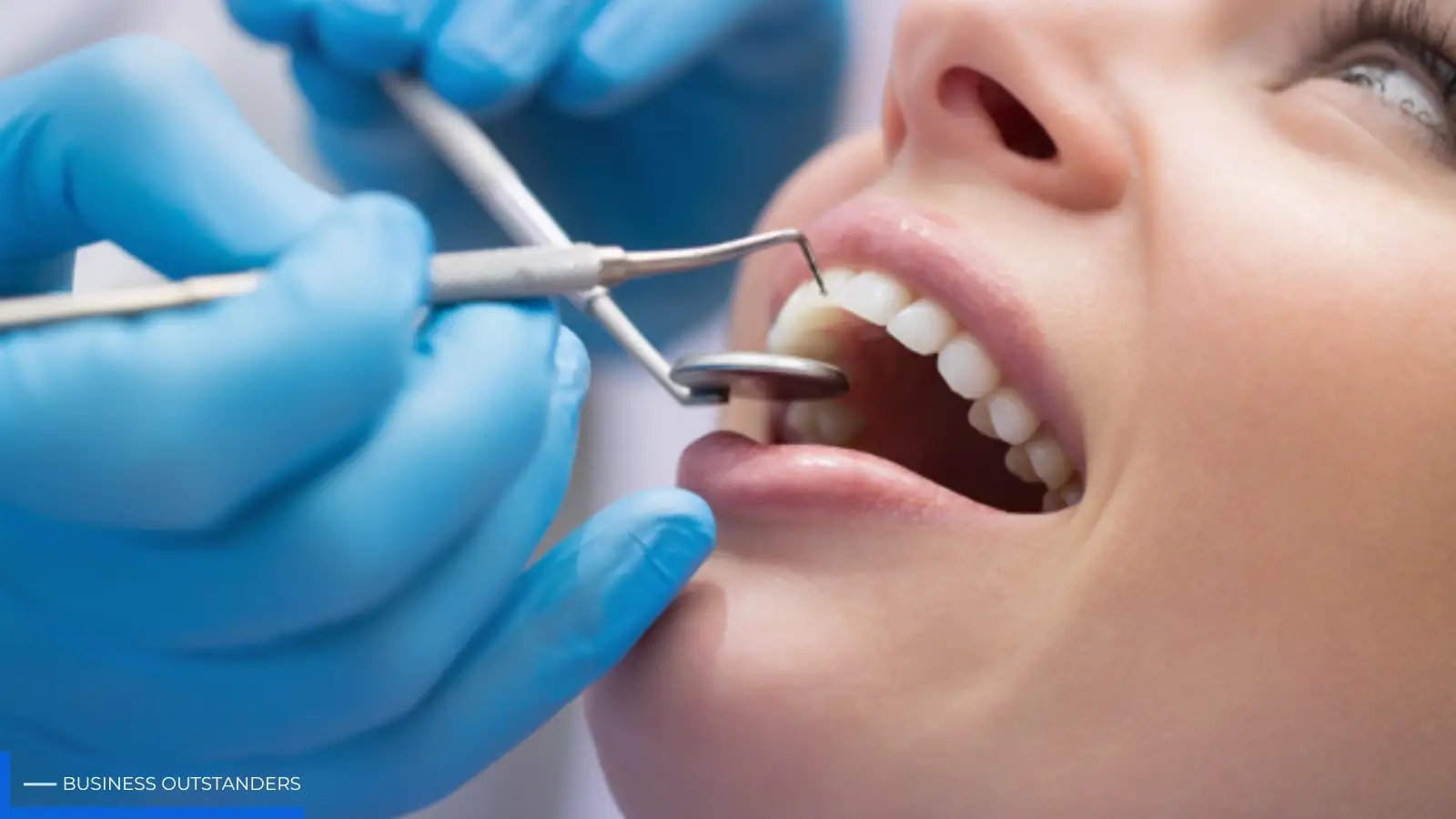
When people think about missing teeth, they often focus on the front of the smile. A missing front tooth is easy to notice in photos, conversations, and everyday life. But missing back teeth can be just as important, even if they are not visible when you smile.
Molars and premolars do much of the heavy work when you chew. They help break down food, support your bite, and keep pressure balanced across the mouth. When one or more back teeth are missing, the effects can build slowly over time.
Chewing Changes Can Happen Gradually
Many people adjust to a missing back tooth without realizing it. They may start chewing mostly on one side, avoiding certain foods, or cutting food into smaller pieces. At first, this may not seem like a major issue.
Over time, though, uneven chewing can place extra strain on the remaining teeth. Teeth on the opposite side may take on more pressure than they were meant to handle. This can contribute to wear, sensitivity, cracked teeth, or jaw discomfort.
A missing molar can also make it harder to enjoy foods that require stronger chewing, such as crisp vegetables, nuts, meats, or crusty bread. That can affect both comfort and nutrition.
Nearby Teeth May Begin to Shift
Teeth help hold each other in place. When a tooth is removed and the space is left untreated, neighboring teeth may gradually tilt or drift into the gap. The tooth above or below the missing space may also move because it no longer has a matching tooth to bite against.
These changes can affect the way the upper and lower teeth come together. A bite that once felt normal may begin to feel uneven. Food may get trapped more easily, and cleaning around shifted teeth can become harder.
Once teeth move out of position, replacing the missing tooth may become more complex. That is why it is helpful to discuss replacement options sooner rather than waiting until the bite has changed.
Bone Support Can Change After Tooth Loss
Tooth roots help stimulate the jawbone. When a tooth is lost, that area of bone no longer receives the same stimulation. Over time, the bone can shrink or change shape.
This matters because bone support is important for certain tooth replacement options, especially dental implants. The FDA’s overview of dental implants explains that implants are placed in the jawbone and can help restore chewing ability and appearance, but patients need healthy gums and enough bone to support them.
If too much time passes after tooth loss, some patients may need additional treatment before an implant can be placed. Early evaluation gives patients more options.
Comparing Common Tooth Replacement Options
There is no single best replacement option for every person. The right choice depends on the number of missing teeth, gum health, bone support, budget, timeline, and overall dental goals.
A dental implant can replace a missing tooth with a stable restoration that does not rely on neighboring teeth for support. A bridge can fill a gap by anchoring to nearby teeth. A partial denture can replace one or more missing teeth and can be removed for cleaning.
For patients missing several teeth, dentures or implant-supported options may help restore chewing strength and confidence. Each option has advantages, and a dental exam can help determine which approach fits the patient’s mouth and lifestyle.
Gum Health Matters Before and After Treatment
Healthy gums are important for natural teeth and replacement teeth. Gum disease can weaken the structures that support teeth and may increase the risk of future tooth loss. The National Institute of Dental and Craniofacial Research provides helpful information on periodontal disease, including how plaque and inflammation affect the gums and bone.
Before replacing missing teeth, a dentist may check for gum inflammation, bone loss, plaque buildup, and areas that are difficult to clean. Treating gum concerns first can help create a healthier foundation for long-term success.
After treatment, daily brushing, flossing, and regular dental visits remain essential. Dental implants cannot develop cavities, but the surrounding gum and bone still need care. Bridges and dentures also need proper cleaning to protect the surrounding teeth and tissues.
Do Not Wait for Pain to Ask About Options
A missing back tooth may not hurt, but that does not mean it should be ignored. Pain is only one sign of a dental problem. Shifting teeth, bone changes, gum concerns, and bite changes can happen quietly.
If you have lost a tooth, had an extraction, or have been putting off treatment for a gap in your smile, a dental visit can help you understand what is happening and what options are available. Replacing missing teeth is not only about appearance. It is about protecting comfort, chewing function, and long-term oral health.
About the contributor
Mount Jackson Dental Care provides preventive, cosmetic, restorative, implant, denture, and family-focused dental care for patients in Mount Jackson and surrounding communities. Patients looking for a dentist in mount jackson can turn to their team for comprehensive care in a welcoming environment.
Business Outstanders brings you sharp insights on tech, business, entrepreneurship, law, crypto, and more. We uncover what’s next. Stay updated, sign up for our newsletter and be part of the future!