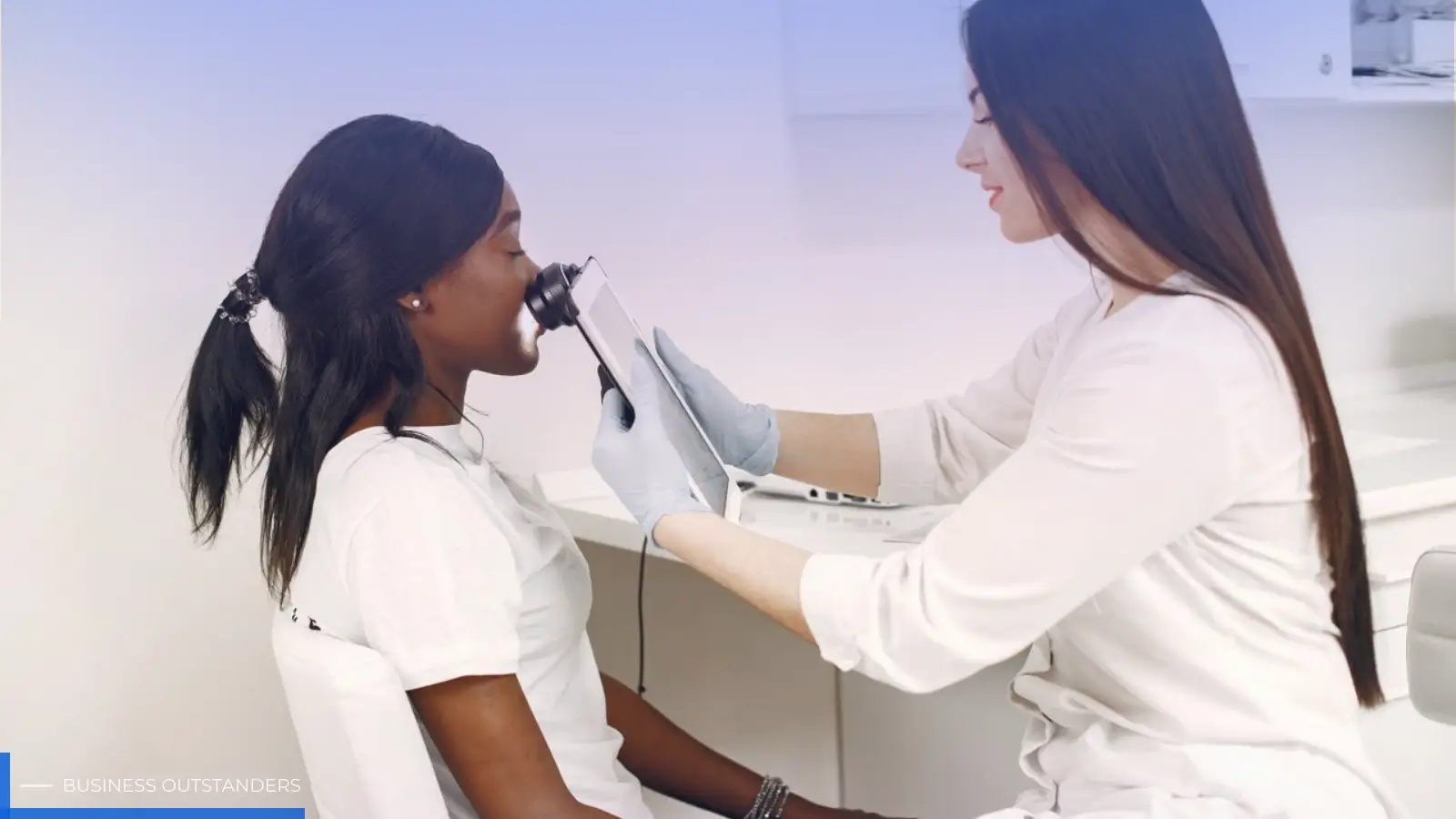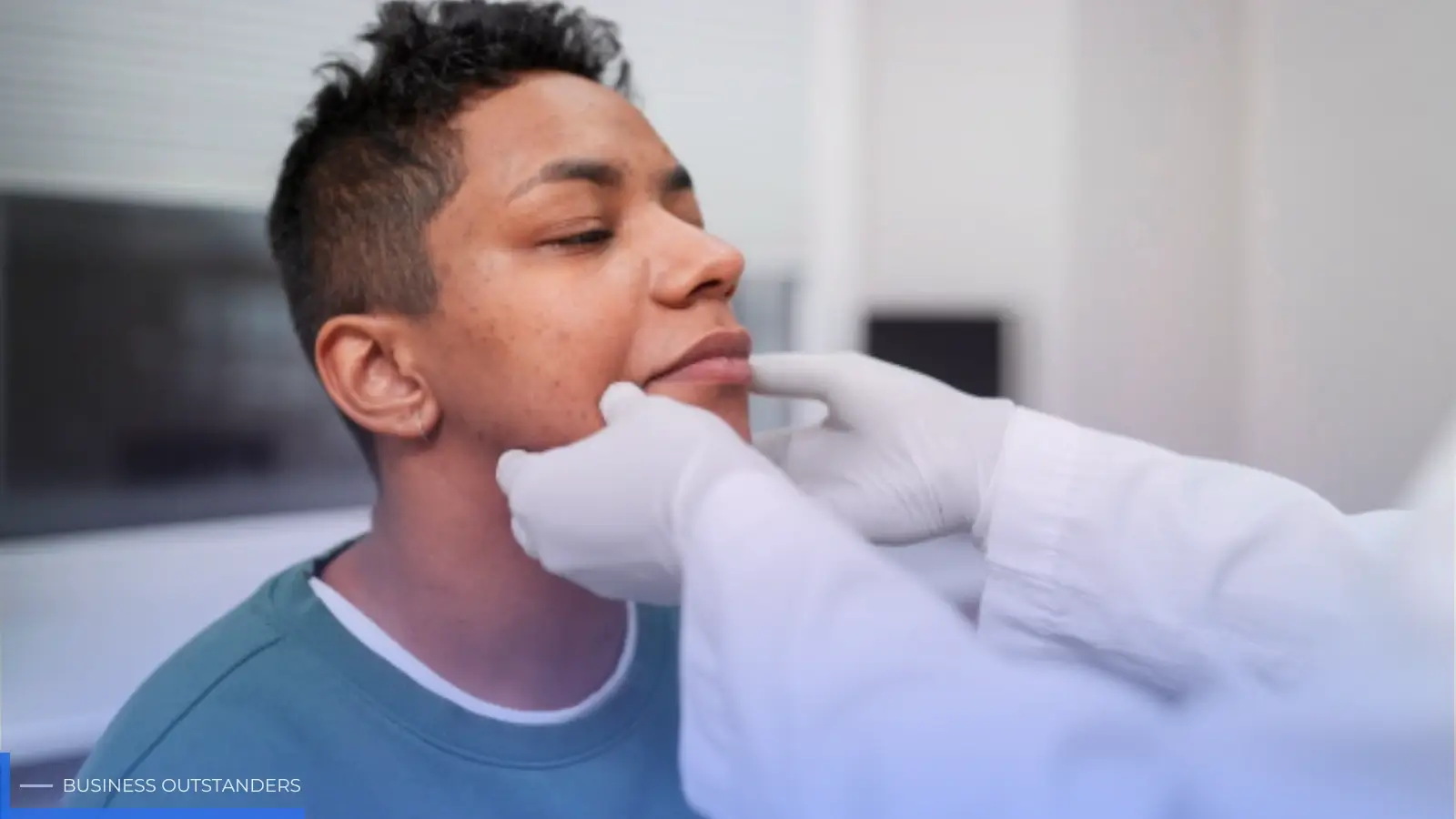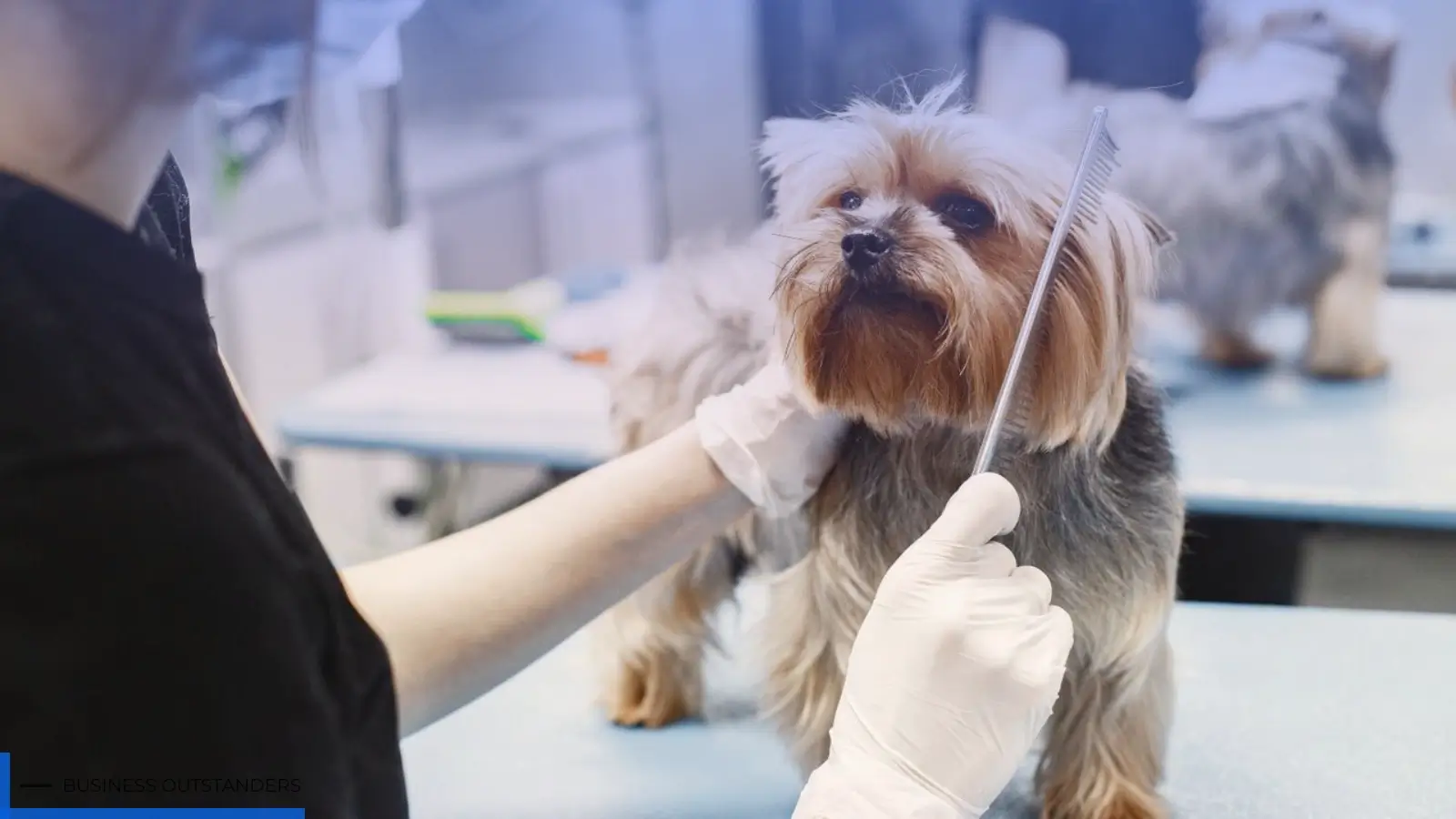
Pets make our lives full. However, they also bring a little bit of chaos into our lives. Muddy paws, shedding fur, food spills, and the occasional accident are all part of the package. Hygiene is extremely important when it comes to animal care. It is a non-negotiable part of responsible pet care. Maintaining a disinfected environment directly impacts animal health. A properly disinfected environment protects animals from preventable infections.
That’s where structured hygiene practices and trusted products like F10 Veterinary Disinfectant make all the difference. Having the right products in place protects pets and everyone who walks through the door.
Let’s break it down clearly and practically.
Hygiene Starts at Home
Pet owners are the first line of defense against infections. Animals explore with their noses and paws. They sit on floors, lick surfaces, and eat from bowls placed on the ground. This makes regular cleaning essential.
Before you dive into cleaning, here are a few tips:
1. Sanitize Feeding and Watering Areas
Food and water bowls can quickly become breeding grounds for bacteria. Wash them daily and sanitize the surrounding area. Using a no-rinse solution like F10SC ensures the area is safe for immediate use without leaving harmful chemical residues.
2. Disinfect High-Touch Surfaces
Floors, litter box areas, and carriers should be disinfected regularly. Products like F10SC Veterinary Disinfectant are suitable for high-level disinfection of hard surfaces. It is a practical solution for both professional and home use when proper hygiene is required.
3. Maintain Clean Resting Areas
Beds and blankets should be cleaned frequently. Soft materials need washing, meanwhile, surrounding hard surfaces should also be disinfected to reduce microbial load.
4. Sanitize Grooming Tools
Brushes, nail clippers, and other grooming equipment can carry microorganisms. Proper cleaning and occasional disinfection help prevent cross-contamination.
Why Disinfection Matters?
Cleaning removes visible dirt, while cleaning plus disinfection eliminates microscopic pathogens.
Both steps are important.
F10SC - Veterinary Disinfectant (No-Rinse)
F10SC is a broad-spectrum biocide that rapidly kills bacteria, viruses, fungi, and spores. It is widely used across the veterinary environment due to its non-toxic and non-irritating characteristics.
- Best For: Cold sterilization of instruments and equipment, including endoscopes, intravenous catheters, and endotracheal tubes; high-level disinfection of hard surfaces and air spaces, water treatment, and as a sanitizing rinse for solid food and fruit.
- Directions For Use: A convenient no-rinse formula that disinfects effectively without leaving harmful residues. Simply dilute, apply, and allow to dry for ongoing protection.
F10SCXD - Disinfectant + Cleaner
F10SCXD is a multi-purpose antimicrobial disinfectant/cleaner solution. It is made specifically for hard surface disinfection and cleaning of lightly soiled areas. The product effectively reduces microbial loads while simultaneously removing visible soiling.
- Best For: Cleaning and disinfection of hard, non-porous surfaces, equipment, utensils, and instruments in veterinary practices, kennels, stables, catteries, and aviaries.
- Directions For Use: Dilute the product as per label instructions and apply it to hard, non-porous surfaces using a spray, wipe, or wash method. After cleaning and disinfection, rinse thoroughly with clean water to remove any residue.
Understanding High-Level Disinfection
In veterinary environments, hygiene standards must be even stricter. This is because animals with different health conditions share spaces and instruments are reused in veterinary environments.
F10SC Veterinary Disinfectant supports:
- Cold sterilization of instruments and equipment.
- High-level disinfection of hard surfaces.
- Airspace disinfection (Fogging).
- Water treatment.
These applications are not just technical terms. They represent layered protection.
- Cold sterilization ensures tools are safe for reuse.
- Surface disinfection reduces infection spread.
- Water treatment supports hygiene beyond visible areas.
In professional environments, this comprehensive approach keeps infection risks under control.
Complete Microbial Protection
One of the strongest features shared across F10 products is broad-spectrum effectiveness. It works against bacteria, viruses, fungi, and spores and provides better protection for pet environments.
For pet owners, this means peace of mind. For veterinary environments, it means controlled infection management.
Different microorganisms behave differently. Some survive on surfaces. Others spread through the air. Having a disinfectant that covers a broad spectrum simplifies hygiene planning.
Versatility Makes Hygiene Easier
Managing hygiene should not feel overwhelming. Using multiple products for every task can complicate routines.
F10 Disinfectants offer extreme versatility. While F10SC provides high-level 'no-rinse' disinfection for sensitive areas like food bowls, F10SCXD acts as a one-step cleaner and disinfectant for heavily soiled floors and kennels (requiring a simple rinse afterward to remove detergents).
For pet owners, using a reliable disinfectant for multiple hard surfaces makes daily maintenance more efficient.
Safety Is Non-Negotiable
Strong disinfection should not come at the cost of safety.
F10 products are known for:
- Broad-Spectrum Efficacy
- Non-Toxic & Non-Irritating
- Non-Corrosive
Specialized Clinical Applications:
- Respiratory Support
- Wound Care
- Sanitizing Food Surfaces and Bowls
Pets are sensitive to harsh chemicals. Veterinary staff work long hours in treated environments. A disinfectant must be effective without causing harm or allergic reactions. Safe hygiene solutions create an environment where both animals and humans can feel secure.
Professional Trust Matters
F10 products are used in veterinary hospitals, laboratories, zoos, clinics, and home pet hygiene around the world. That level of professional trust reflects consistent performance.
Veterinary environments demand reliability. Inconsistent disinfection can lead to serious consequences. Trusted products become part of daily protocols because they deliver results every time.
Using products relied upon in professional settings adds confidence to home hygiene routines.
Building a Practical Hygiene Routine
Here’s how essential hygiene practices can look in action:
- For Pet Owners: Clean feeding areas regularly, disinfect hard surfaces regularly, wash bedding frequently, and sanitize grooming tools.
- For Veterinary Environments: Disinfect examination areas between patients, sterilize instruments properly, and clean floors and storage spaces routinely.
Consistency is more important than intensity. A simple routine done regularly prevents problems before they start.
Infection Prevention Is Preventive Care
Hygiene is part of preventive health care. A deep clean with the right tools and cleaners can make a big difference for the health of your animals and help keep them healthy and fit. This protects:
- Young animals
- Senior pets
- Animals recovering from surgery
Preventive hygiene lessens complications and increases the chance of smoother recoveries.
The Bigger Picture
Essential hygiene practices are not about creating a lifeless space. They are about maintaining a balanced environment where animals can thrive safely.
Using effective solutions like F10 Veterinary Disinfectant, following structured cleaning routines, and understanding the difference between cleaning and disinfection creates a strong defense against infections.
For pet owners, this means fewer health scares. For veterinary environments, it means safer treatments and controlled infection management.
FAQs
Why is pet hygiene important?
Pet hygiene reduces the risk of infections. Safe disinfectants like F10 Veterinary Disinfectants help create a healthier environment for pets. Good hygiene supports the overall well-being of pets. In addition, it also prevents avoidable health issues.
Why is it important to maintain hygiene practices?
Consistent hygiene prevents the spread of harmful microbes. Cleaning removes visible organic matter, while disinfection eliminates the invisible microbial load. Disinfection is most effective on pre-cleaned surfaces. Structured routines protect both animals and the people caring for them.
Why is personal hygiene important when working with animals?
Animals can carry microorganisms that transfer easily through direct touch and contaminated surfaces. Practicing proper hand hygiene and using safe disinfectants reduces the risk of cross-contamination, protecting both pet owners and other animals in shared living spaces.
What basic hygiene practices should be followed when you are around animals?
Sanitizing feeding areas, disinfecting hard surfaces, and sanitizing grooming tools. Wash bedding and maintain clean resting spaces. Use low-toxicity disinfectants to ensure thorough protection.
What are the essential hygiene practices?
Essential practices include:
- Routine cleaning to remove organic debris
- High-level surface disinfection
- Instrument sterilization
Using broad-spectrum solutions like F10 Veterinary Disinfectant simplifies these steps.
Business Outstanders brings you sharp insights on tech, business, entrepreneurship, law, crypto, and more. We uncover what’s next. Stay updated, sign up for our newsletter and be part of the future!