It is 2:00 AM on a freezing Saturday winter night. Your phone rings, and the panicked voice of a tenant is on the other end: a water pipe in the crawlspace has burst, and water is actively flooding the basement.
For property owners and landlords, this scenario is a recurring nightmare. For amateur property managers, it represents a chaotic scramble. But for elite property managers, it is a situation they have already planned for, mitigated, and structured to handle with minimal friction.
In real estate, property management is often judged by how well the physical asset is preserved. Deferred maintenance is the single largest driver of tenant turnover, depreciating property values, and expensive lawsuits. The best in the business do not wait for things to break. They share a specific set of disciplined daily, weekly, and seasonal habits that keep their properties in peak condition.
Here are the seven maintenance habits that separate world-class property managers from the rest.
1. Shifting From Reactive to Preventative Maintenance
What is the key maintenance habit of successful property managers? Elite property managers practice preventative property maintenance rather than reactive maintenance, identifying and resolving minor structural, plumbing, and mechanical issues before they turn into expensive emergency repairs.
Most property managers operate in emergency mode. They wait for a tenant to complain about a failing AC unit before they call a technician. By that time, the repair is twice as expensive, the tenant is angry, and the system might require a complete replacement.
Great managers treat a building like a vehicle. Just as you change your car's oil before the engine seizes, they schedule routine filter changes, gutter cleanouts, water heater flushes, and tree trimming. This proactive approach can cut emergency maintenance budgets by up to 50% and extend the lifespan of expensive household systems by years.
2. Conducting Rigorous, Structured Property Walkthroughs
A great property manager never manages a building entirely from behind a desk. They know that what goes unseen will eventually cause financial damage.
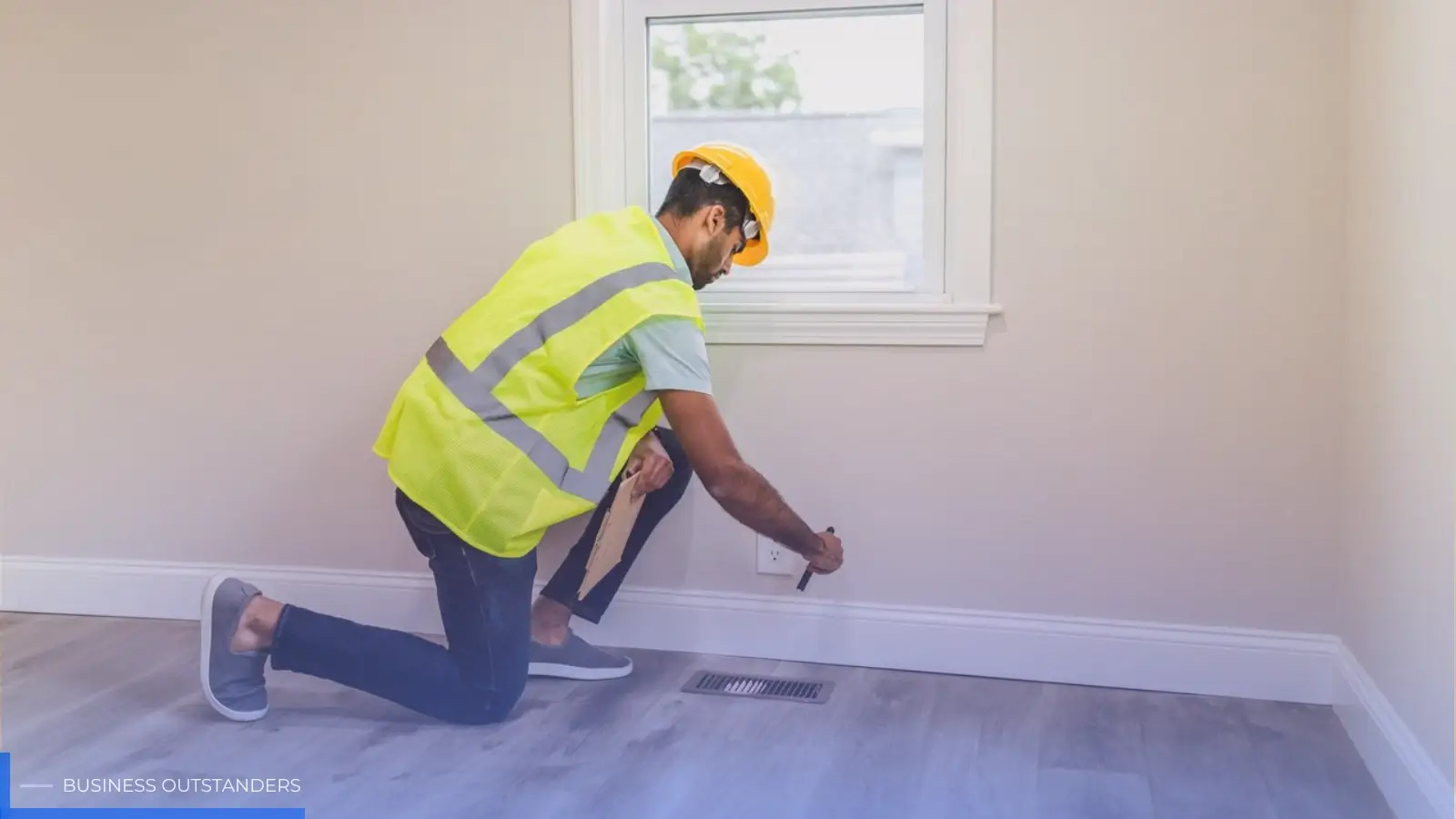
- Establishing a calendar for systematic rental property inspections is non-negotiable. These walkthroughs typically occur at three key intervals:
- Move-in/Move-out: Documenting the exact baseline condition of the home with high-resolution photos to protect security deposits fairly.
- Seasonal Transitions: Checking the roof and gutters before fall rains, and verifying the heating system works before the first winter freeze.
- Mid-lease Checkups: A quick check of the property (often during semi-annual smoke detector battery replacements) to verify the tenant is maintaining the home and to check for hidden issues like slow plumbing leaks under sinks.
3. Building an Empowered, Professional Vendor Network
When a critical system fails, you do not want your property manager scrolling through search engine reviews trying to find a random plumber.
Great managers spend years cultivating an elite, reliable network of licensed, insured, and vetted local subcontractors. Because these managers provide vendors with consistent, high-volume work throughout the year, they secure preferred pricing and priority emergency response times for their clients.
4. Prioritizing Quality Replacement Parts Over Quick Fixes
When household appliances like refrigerators, ovens, or washing machines break, amateur managers often choose the cheapest patch-up option or use generic, unvetted parts to save a quick dollar. This is a costly mistake. Cheap components fail rapidly, requiring secondary service calls and deeply frustrating your tenants.
Great managers understand that keeping high-use appliances running quietly and reliably is central to successful tenant retention strategies. When a major appliance requires service, they insist on utilizing original equipment manufacturer (OEM) components that carry reliable warranties.
For example, if you manage a portfolio of rental homes in northern Utah, having a trusted local source for high-quality, durable appliance parts in Ogden allows your in-house technicians to execute rapid, permanent repairs. Sourcing the correct, professional-grade parts protects your appliances from repeating the same breakdown two months later.
5. Turning Tenants Into Active Maintenance Partners
A property manager cannot be in every unit every day. Therefore, the tenants are your eyes and ears on the ground.
Many tenants avoid reporting minor issues—like a slightly running toilet or a small spot of water damage on the ceiling—because they fear being blamed, charged a fee, or ignored. As a result, a simple $10 rubber flapper leak eventually turns into a $1,500 water bill or a toxic mold issue.
Great property managers build an environment of trust. During the onboarding process, they explicitly educate tenants on what to look for and how to report maintenance needs. They make submitting requests friction-free through digital tenant portals, and they actively thank tenants for reporting small issues early.
Myth vs. Fact: Property Upkeep Costs
- Myth: Saving money on maintenance means rejecting minor non-emergency requests from tenants.
- Fact: Rejecting small, reasonable requests leads to high tenant turnover. The vacancy and leasing costs of losing a good tenant are almost always far higher than the cost of fixing a squeaky door or a dripping faucet.
- Myth: Older properties always require more emergency cash flow than newer builds.
- Fact: While older homes have aged infrastructure, they can be highly predictable if a manager maintains a strict capital expenditure plan. New builds can experience major system failures if the original construction was rushed or low-quality.
6. Automating the Maintenance Request Workflow
In the digital age, relying on sticky notes, messy voicemail systems, or disorganized text chains to manage work orders is a recipe for disaster. Important details get lost, vendors are dispatched to the wrong address, and tenants are left in the dark.
World-class management teams leverage integrated property management software. When a tenant submits a request, the system automatically:
- Logs the issue and generates a digital work order.
- Dispatches the request directly to the appropriate vendor.
- Tracks the vendor's arrival time, progress updates, and final completion photo.
- Sends an automated survey to the tenant to verify their satisfaction.
By automating this workflow, managers ensure no repair slips through the cracks, and they build a clear, digital audit trail for the property owner.
7. Planning and Budgeting for Major Capital Expenditures (CapEx)
No appliance, roof, or driveway lasts forever. Every major component of a building has a predictable expiration date.
|
Asset Type |
Average Lifespan |
Estimated Replacement Cost |
|
Water Heater |
10–15 Years |
$1,200 – $2,500 |
|
HVAC System |
15–20 Years |
$5,000 – $10,000 |
|
Roof (Asphalt Shingle) |
20–25 Years |
$8,000 – $15,000 |
|
Appliances (Fridge/Oven) |
10–12 Years |
$800 – $2,000 per unit |
Great property managers keep a detailed capital expenditure ledger for every property in their portfolio. They track the age of the major systems and work with owners to set aside reserve funds every month. By planning for these large expenses years in advance, they protect the owner from sudden financial shocks and ensure the property never falls into severe decay.
Frequently Asked Questions
How long should a standard maintenance repair take to resolve?
Emergency issues (such as water leaks, no heat in winter, or active electrical hazards) should be addressed within 2 to 4 hours. Standard, non-emergency requests should be resolved within 48 to 72 business hours to keep tenant satisfaction high.
Who is financially responsible for tenant-caused damage?
While normal wear and tear is the responsibility of the property owner, damage caused by tenant neglect or abuse (such as a broken window from a stray toy or a clogged pipe from flushing foreign objects) should be billed directly to the tenant, backed by clear photos and repair invoices.
Conclusion
The difference between a stressful, low-yield rental property and a highly profitable, hands-off real estate investment comes down to the quality of its management. By shifting your approach from reactive patching to proactive preventative maintenance, establishing rigorous inspection schedules, utilizing top-tier OEM parts, and leveraging modern digital automation, you preserve the physical integrity of your asset. When you care for your property systematically, you protect your cash flow, keep your tenants happy, and build a lasting legacy of real estate success.
Business Outstanders brings you sharp insights on tech, business, entrepreneurship, law, crypto, and more. We uncover what’s next. Stay updated, sign up for our newsletter and be part of the future!