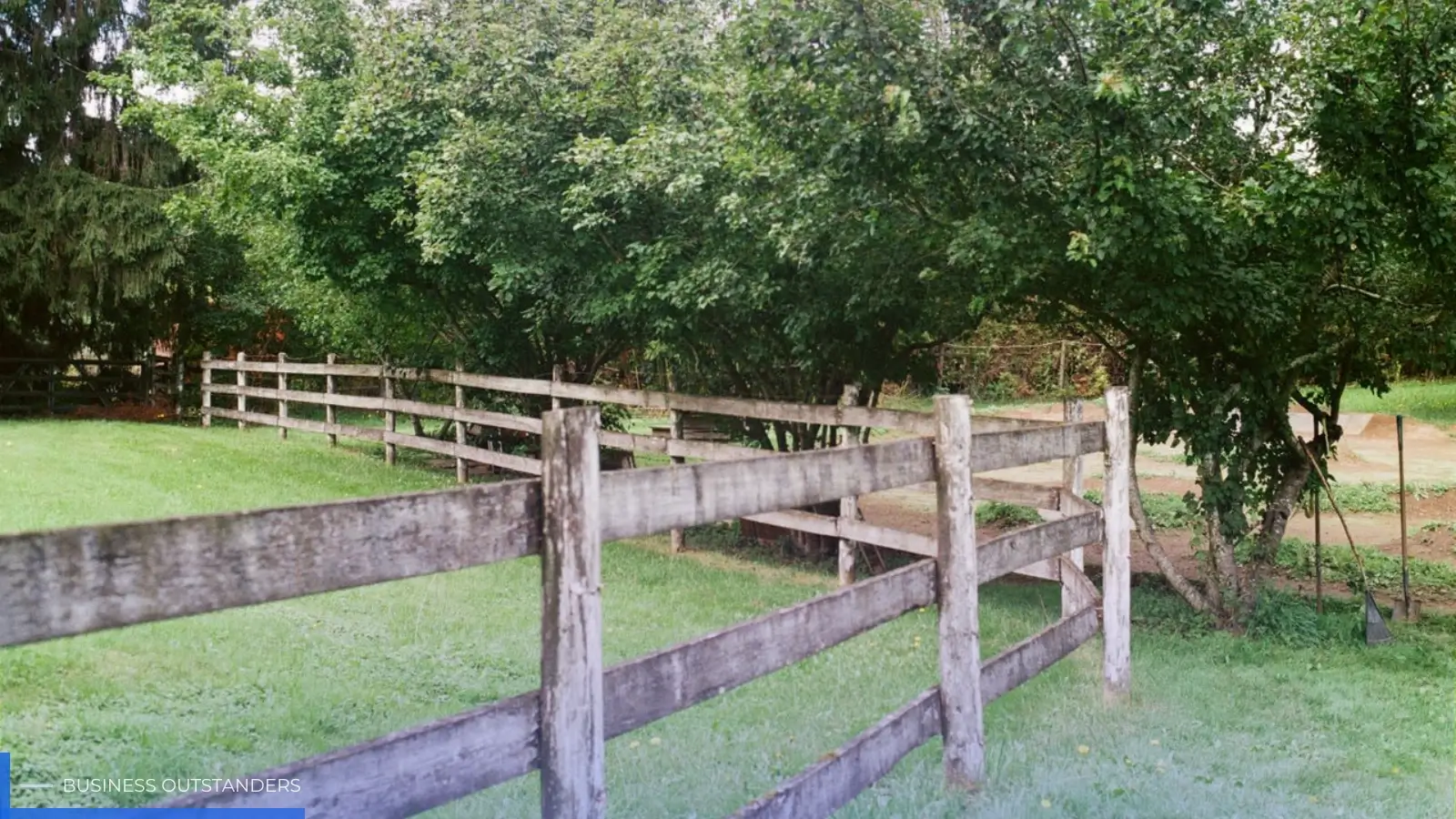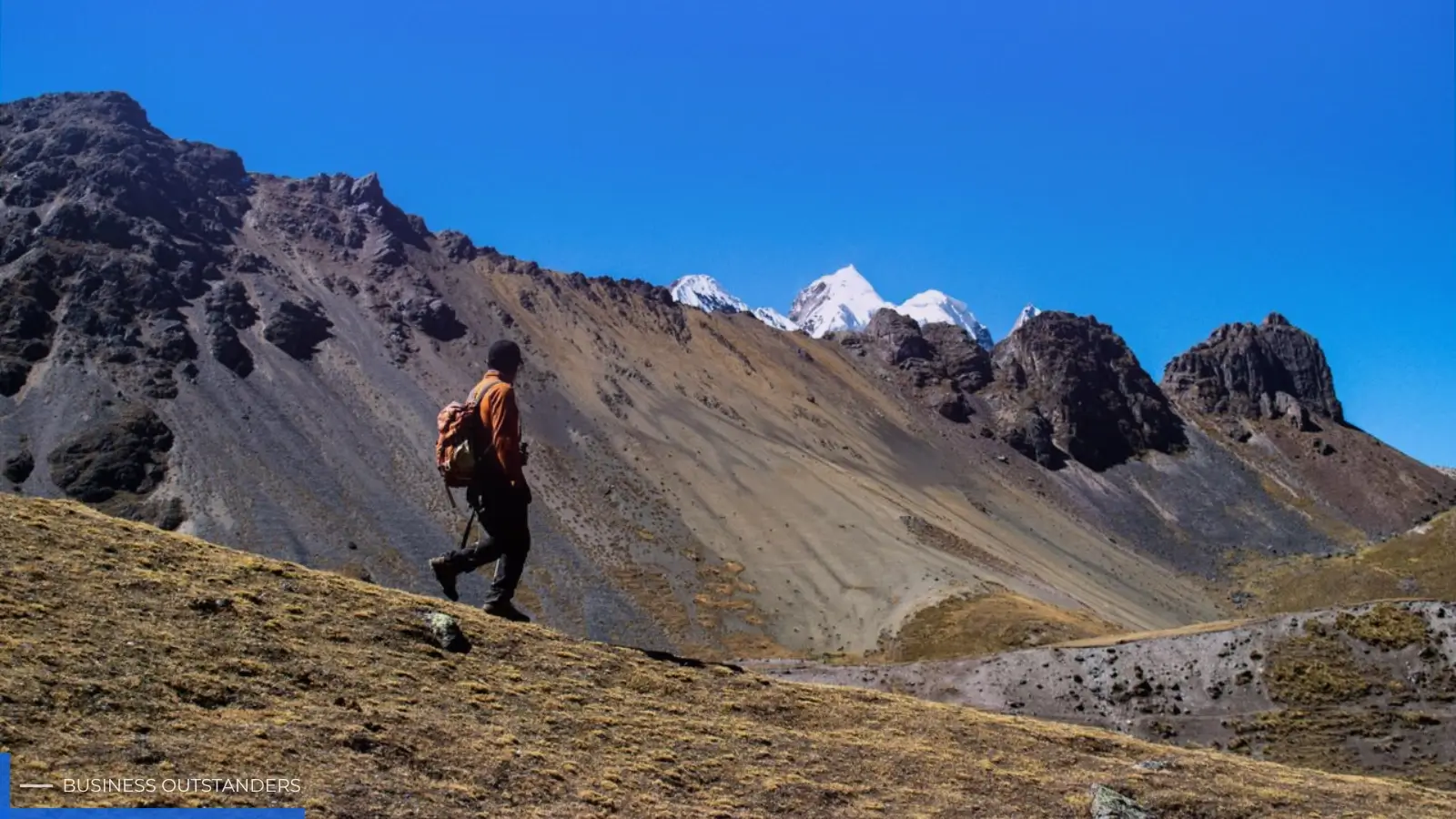
There is an unyielding, restorative power to spending time in the great outdoors. Whether your passion involves technical backcountry hiking, multi-day mountain biking excursions, alpine fly fishing, or simply camping beneath an open sky, our public lands provide an unparalleled escape. These open spaces act as dynamic sanctuaries that rejuvenate our mental clarity, support active lifestyles, and sustain delicate wildlife habitats.
However, as global participation in outdoor recreation reaches historic levels, our wild spaces are operating under an immense physical load. Evolving user habits, localized overcrowding, micro-trash build-up, and poorly managed regional infrastructure are quietly degrading fragile mountain and river ecosystems. When recreational areas face severe stress, single-track paths wash out, native water columns become contaminated, and wild animal populations are pushed out of their natural migratory corridors.
Protecting these natural resources requires shifting away from passive enjoyment and committing to disciplined, proactive conservation actions. By implementing strict environmental habits, participating in active trail stewardship, and enforcing structural defenses against localized pollution, outdoor enthusiasts can permanently eliminate trail friction and preserve our wild spaces for future generations.
1. Practice Rigid Leave No Trace Discipline
The absolute foundation of responsible land use is the strict execution of established backcountry ethics. A frequent mistake modern trail users make is assuming that organic waste, like an apple core or a banana peel, is harmless to discard into the brush because it will naturally decompose.
To optimize your environmental footprint, commit to a strict pack-it-in, pack-it-out protocol. This means carrying all garbage—including biological waste, micro-plastics, and pet waste bags—completely out of the park system.
Review the foundational core concepts outlined in the resource above. Notice how preparing ahead, sticking to durable surfaces, and preserving natural features protect our parks from human damage, ensuring the ecosystem remains healthy and pristine.
2. Stand Firm on Maintained Trail Frameworks
When a high-traffic trail develops muddy pockets or small rock blockages after a major seasonal storm, a common reaction among hikers is to walk or ride along the outer edges of the path to avoid getting dirty.
This simple action creates an environmental chain reaction. Bypassing the central lane widens the path unnecessarily, crushes fragile alpine flora, and strips away the root systems that hold the dirt side-slopes together.
Always walk or ride directly through the center of the established path, even when it is covered in mud or shallow water. Confining human impact to the designed route protects the surrounding vegetation, prevents topsoil loss, and reduces the need for expensive structural rebuilds.
3. Manage Stormwater Compliance Near Dynamic Recreation Spaces
While personal trail habits protect single-track routes from minor footprint wear, defending sprawling public parks and sensitive river watersheds from massive, industrial-scale mud tracking requires strict engineering oversight. When modern trailheads, paved access highways, or commercial ski lodges are constructed near pristine mountain streams, clearing large swathes of natural forest removes the vegetation that naturally filters rushing rainwater.
If a public infrastructure project is situated in geography characterized by intense high-desert sun, steep mountain slopes, or heavy spring snowmelts, managing this runoff is an absolute legal and ecological necessity. Smart civil engineers and parks managers prevent this damage by deploying strict stormwater pollution prevention strategies.
For state agencies and private groups looking to maintain environmental compliance and safeguard local pristine waters, creating a formal stormwater compliance plan is standard operating procedure. Implementing a certified SWPPP in Idaho allows project managers to install gravel construction entrances, slope stabilization blankets, and specialized inlet protection arrays.
These comprehensive safeguards serve a vital purpose: they trap muddy runoff right at the project site, filter out toxic construction debris, and slow down water velocity before it enters shared river systems. By managing stormwater pollution and prioritizing soil erosion prevention, land managers shield delicate down-river recreation zones from silt damage and preserve the local blue-ribbon fisheries.
4. Install Structural Controls and Diversions Against Trail Washouts
For public lands dealing with severe steep terrain and high downpour cycles, simply walking in the center of the path is not enough to stop water damage. Rushing water naturally travels down the easiest route, turning a steep hiking path into a fast-moving stream that strips away topsoil.
Park trail crews fight this water damage by incorporating sustainable trail design elements into the landscape. This includes building angled log or stone water bars, carving deep drainage dips, and angling the path slightly outward to push water off the trail. These structural upgrades redirect rushing water into the surrounding brush within a few yards, stopping the water from gaining the speed and volume needed to tear up the path.
5. Control the Proliferation of Invasive Species
The final hidden challenge that high-volume outdoor recreation brings to wild spaces is the rapid spread of aggressive, non-native invasive species. When boaters move between isolated lakes without cleaning their hulls, or hikers travel between mountain ranges with dirt packed onto their boot treads, they accidentally carry destructive hitchhikers across the map.
Taking the time to execute these quick cleaning routines prevents invasive weeds and pests from choking out native flora, protecting the local biological balance and supporting effective ecosystem management strategies.
Conclusion
Protecting our outdoor recreation areas is never an accidental stroke of good fortune; it is a calculated triumph of personal discipline, proactive trail engineering, and strict construction stormwater safety. By replacing thoughtless trail habits with Leave No Trace rules, central-lane walking habits, certified SWPPP construction safeguards, structural water bars, and clean gear protocols, we successfully insulate our public lands from permanent wear and soil erosion. Taking the time to evaluate our outdoor impact from a regional perspective removes hidden stresses from our wild ecosystems. Investing in these comprehensive conservation steps guarantees that our outdoor adventures stop acting like a threat to the environment, transforming our community into a highly resilient network built to protect our shared natural heritage for generations to come.
Business Outstanders brings you sharp insights on tech, business, entrepreneurship, law, crypto, and more. We uncover what’s next. Stay updated, sign up for our newsletter and be part of the future!