
Introduction to Modern Property Ecosystems
The real estate market is constantly evolving. Today's buyers and sellers expect seamless, efficient, and intelligent experiences. The old ways of doing business simply can't keep up with these changing demands. This is why modern real estate solutions have become essential for success. They empower real estate professionals to deliver exceptional service and stay competitive.
For example, innovative approaches like ez Home Search modern real estate advertising are transforming how properties are presented and discovered.
In this extensive guide, we will dive deep into how technology is reshaping every aspect of real estate. We will cover everything from integrated operating systems and powerful AI tools to real-time data insights and omnichannel experiences. Our goal is to show how these advancements are creating a more efficient, transparent, and satisfying real estate journey for everyone involved.
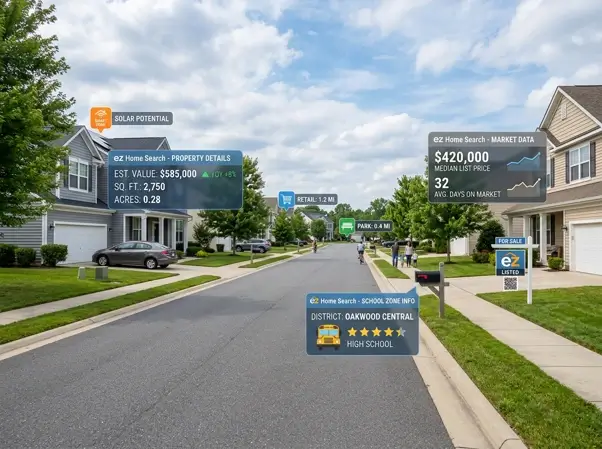
The US housing market in June 2026 is characterized by dynamic shifts, driven by technological advancements and evolving consumer expectations. The digital transformation sweeping across industries has profoundly impacted real estate, pushing for greater transaction efficiency and transparency. Buyers and sellers alike now anticipate a streamlined, data-rich experience that traditional methods often fail to deliver. This demand has catalyzed a significant Real Estate Technology Disruption, leading to the emergence of sophisticated modern real estate solutions. These innovations are not merely incremental improvements; they represent a fundamental rethinking of how properties are bought, sold, and managed, creating a more interconnected and responsive property ecosystem.
The modern real estate transaction lifecycle, once a maze of disjointed steps, is now being unified by platforms that integrate various processes. From initial lead generation and marketing to complex compliance checks and closing procedures, technology offers a cohesive pathway. This integration minimizes manual handoffs, reduces errors, and accelerates the entire process, benefiting all stakeholders. The result is a real estate environment where speed, accuracy, and client satisfaction are paramount, marking a new era for property professionals.
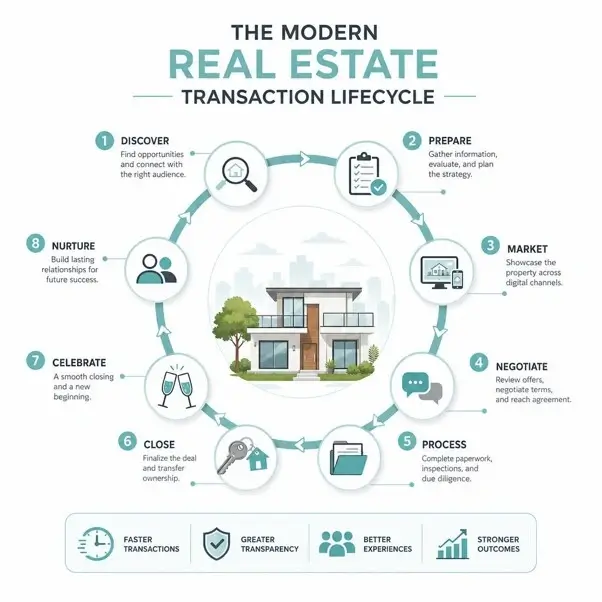
Implementing Modern Real Estate Solutions across the Lifecycle
The US real estate market, with its diverse segments and regional nuances, presents both challenges and opportunities for technology adoption. Effective lifecycle management in real estate now hinges on leveraging advanced tools that can adapt to various market conditions and client needs. From the moment a property is listed to the final closing, modern solutions provide a comprehensive framework for success. This includes everything from initial outreach to ongoing client relationships, ensuring that every stage of the real estate journey is optimized for efficiency and engagement.
For instance, robust Real Estate Marketing strategies are now inseparable from the technology that powers them. Digital platforms enable agents to reach wider audiences, personalize communications, and track engagement with unprecedented precision. This targeted approach not only enhances visibility but also cultivates stronger connections with potential clients, driving better outcomes across the board.
The Core Components of Modern Real Estate Solutions
At the heart of modern real estate operations lies an integrated operating system designed to unify disparate functions. These systems are built on several core components that work in concert to streamline workflows and enhance productivity.
- CRM Integration: A robust Customer Relationship Management (CRM) system is foundational, serving as the central hub for all client interactions. It tracks leads, manages client communications, and provides a comprehensive history of engagement, ensuring no opportunity is missed.
- Marketing Automation: Modern platforms automate marketing tasks, from email campaigns and social media posts to digital advertising. This ensures consistent branding and outreach, freeing up agents to focus on client-facing activities. Effective modern real estate advertising solutions from ez Home Search exemplify how integrated platforms can deliver powerful marketing capabilities.
- Transaction Management: Streamlining the complex transaction process is crucial. These components handle everything from offer management and contract drafting to digital signatures and escrow tracking, reducing paperwork and accelerating closing times.
- Compliance Tracking: Navigating the intricate web of real estate regulations is a significant challenge. Integrated systems provide automated compliance checks, document management, and audit trails, ensuring adherence to legal requirements and minimizing risk.
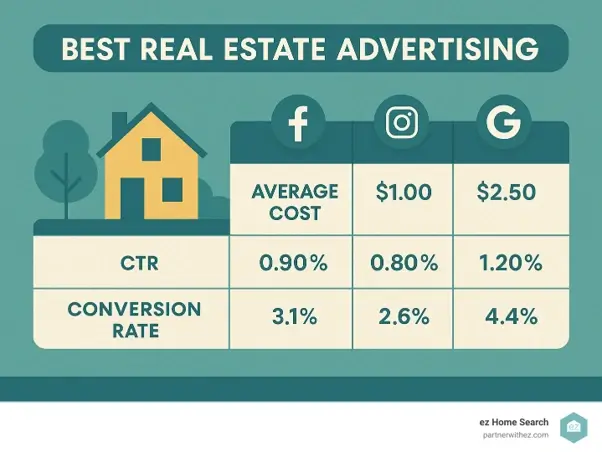
By integrating these elements, real estate professionals gain a holistic view of their business, enabling more informed decisions and superior service delivery. The synergy between these components is what truly defines a modern real estate solution, transforming fragmented processes into a cohesive, powerful workflow. For more insights into how these services can be tailored, exploring specialized Real Estate Marketing Services can be highly beneficial, as can understanding what constitutes the Best Real Estate Advertising in today's market.
How AI and Automation Drive Modern Real Estate Solutions
Artificial intelligence (AI) and automation are not just buzzwords; they are transformative forces reshaping the real estate landscape. AI-driven tools are fundamentally changing how lead qualification occurs, how buyers and sellers navigate their journeys, and how transactions are coordinated.
- AI Lead Qualification: AI-powered systems can analyze vast amounts of data to identify high-potential leads, qualify them based on specific criteria (e.g., budget, timeline, preferences), and even initiate initial contact. This significantly reduces the time agents spend on unqualified prospects. For instance, some platforms utilize 12 or more filtration questions to precisely qualify leads through targeted campaigns.
- Conversational AI: Chatbots and voice assistants are now engaging with leads 24/7, answering common questions, scheduling appointments, and nurturing relationships. These AI conversations can handle millions of interactions per month, providing instant responses and maintaining persistent follow-up for up to 90 days. This level of consistent engagement is often impossible for human agents alone, leading to impressive reply rates, with some AI text messages achieving a 48% response rate compared to traditional outreach.
- Vector Databases and Semantic Search: Advanced search capabilities, powered by vector databases, allow buyers to search for properties by intent and meaning rather than just rigid filters. This semantic search can index millions of property vectors with incredibly fast average query times, often under 113 milliseconds for 3 million vectors. This enables a deeper understanding of buyer preferences, matching them with properties based on lifestyle, visual attributes, and even behavioral patterns. For a deeper dive into this technology, consider platforms like AI-Powered Property Search & Real Estate Intelligence | Zilliz.
- Feature Traditional Keyword Search AI-Powered Semantic Search Input Specific keywords, filters (beds, baths, price) Natural language (e.g., "sunny family home near good schools") Matching Logic Exact keyword matches, numerical ranges Intent-based, contextual understanding, conceptual similarity Results Listings that meet explicit criteria Listings that align with implied preferences, lifestyle, and visuals Efficiency Can be slow, requires precise input Fast, intuitive, handles nuanced queries User Experience Often frustrating if exact terms aren't known More natural, personalized, and discovery-oriented Document Intelligence: AI is also revolutionizing transaction coordination by intelligently extracting and retrieving information from thousands of legal and transactional documents. This can lead to a significant accuracy lift and substantial cost reductions by automating document analysis and verification. With sub-10ms latency for conversational AI serving tens of thousands of property entities, the speed and precision are unmatched.
These AI and automation tools are delivering measurable benefits to real estate platforms. Brokerages are reporting improved conversion rates, reduced time-to-close, and significant cost savings due to increased accuracy and efficiency. Over 75,000 active real estate professionals are leveraging AI-driven lead generation platforms, demonstrating the widespread impact of these technologies. Furthermore, integrating Real Estate PPC and strategic Real Estate Ads can further amplify the reach and effectiveness of these AI-powered systems.
Balancing AI with Human Oversight and Compliance
While AI and automation offer immense advantages, the real estate industry operates under strict regulatory frameworks and ethical responsibilities. Modern platforms are designed to balance AI efficiency with essential human oversight, ensuring compliance and fiduciary responsibility. Licensed agents remain central to the process, particularly for legally regulated actions and critical decision-making.
- Human-in-the-Loop: AI tools are primarily used for data analysis, lead nurturing, and automating routine tasks. However, critical steps such as fiduciary advice, contract negotiation, and final approvals are routed to licensed professionals. This "human-in-the-loop" approach ensures that while AI handles the heavy lifting, the nuanced judgment and ethical considerations of a human agent are always present.
- Data Privacy and Compliance: With the increasing use of data, privacy is paramount. Modern platforms implement robust data privacy measures, adhering to regulations like GDPR and ensuring enterprise-grade compliance with standards such as SOC 2. For instance, the multi-tenant architecture of these platforms is designed to securely separate client data, maintaining strict confidentiality. State-specific regulations, such as those from TREC (Texas Real Estate Commission), are also integrated into compliance workflows, ensuring that all activities meet local legal requirements.
- Agent Empowerment: Instead of replacing agents, AI empowers them. By automating administrative tasks and providing intelligent insights, agents can focus on building relationships, offering personalized advice, and closing deals. This synergy allows professionals like Dylan Kruger, Owner at Modern Estate Solutions, LLC, to leverage technology for strategic growth while maintaining high standards of service. Similarly, companies like Modern Management Inc. benefit from tools that enhance operational efficiency without compromising regulatory adherence. Understanding How to Generate Real Estate Leads effectively within these compliant frameworks is key to sustainable growth.
This balanced approach ensures that modern real estate solutions enhance productivity and client experience while upholding the trust and legal obligations inherent in the profession.
Unifying Pre-Construction, Resale, and Rental Markets
Modern real estate platforms are versatile enough to support a broad spectrum of property types, from pre-construction and new development sales to traditional resale and dynamic rental markets. This unification addresses the diverse needs of the industry within a single, cohesive ecosystem.
- Pre-Construction and New Development Sales: For new developments, platforms offer advanced visualization tools such as 3D models, virtual staging, and augmented reality (AR) experiences. These allow prospective buyers to virtually explore units, customize finishes, and understand community layouts before physical construction is complete. Tools like LiveSite® | Real-Time 3D Sales Software for Pre-Construction & Rental Real Estate are critical here, providing immersive experiences that accelerate sales cycles.
- Traditional Resale Markets: In the resale sector, these platforms provide comprehensive listing management, comparative market analysis tools, and integrated marketing capabilities. They help agents efficiently manage their inventory, reach targeted buyers, and streamline the transaction process. The ability to generate engaging content, such as listing videos that garner over 20,000 views, significantly boosts property visibility and buyer interest.
- Rental Property Management: For rental markets, modern solutions offer tools for tenant screening, lease management, rent collection, and maintenance requests. This ensures efficient operations for landlords and property managers, whether they are managing individual units or large portfolios. This is particularly relevant for Furnished rental real estate solutions which require specific management capabilities. Companies like Property Management Services in Montgomery, Alabama | PR leverage such platforms to optimize their services.
The integration of these diverse markets onto a single platform provides a unified view of property inventory and client interactions. This enables professionals like Jack Chazen, a South Carolina Real Estate Agent to manage various property types with consistent efficiency. Similarly, brokerages like Birmingham Real Estate Solutions LLC can offer a broader range of services, catering to different client needs from a centralized system.
Overcoming Tech Challenges and Common Mistakes to Avoid
Despite the immense benefits, adopting modern real estate solutions comes with its own set of challenges. Brokerages often grapple with tech-stack fragmentation, data silos, and manual handoffs, which can hinder efficiency and growth. Understanding and proactively addressing these issues is crucial for successful implementation. This is especially true for businesses offering highly specific services, such as those providing specialized furnished rental real estate solutions, where integration and data flow are critical. Effective Real Estate Lead Generation Tips also emphasize the importance of a streamlined tech environment.
Solving Tech-Stack Fragmentation and Data Silos
One of the most common tech-stack challenges in real estate is fragmentation. Many brokerages accumulate numerous "point solutions"—individual software tools for specific tasks like CRM, marketing, or transaction management. While each tool might be excellent in its niche, they often don't communicate effectively, leading to:
- Data Silos: Information gets trapped in individual systems, making it difficult to get a complete picture of clients or transactions. This can result in redundant data entry, inconsistencies, and missed opportunities.
- Manual Handoffs: The lack of integration necessitates manual transfer of data between systems, which is time-consuming, prone to errors, and slows down workflows.
- Inconsistent Branding: Managing marketing across multiple platforms can lead to fragmented messaging and an inconsistent brand experience for clients.
Unified platforms, often described as "super-apps" or operating systems, solve these problems by integrating all core functions into a single ecosystem. These platforms feature robust APIs (Application Programming Interfaces) that allow for seamless data exchange and automation across different modules. This creates a single source of truth for all data, eliminates manual handoffs, and ensures a consistent omnichannel branding experience. For instance, comprehensive Realtor Digital Marketing strategies thrive within such unified environments. Companies like Modern Real Estate Solutions by SS Associates Realty demonstrate the benefits of leveraging integrated systems to enhance their operations and client service.
Common Mistakes to Avoid in Platform Adoption
While the promise of modern solutions is compelling, successful adoption requires careful planning and execution. Here are some common mistakes to avoid:
- Over-Automation Without Oversight: Automating too much without proper human review can lead to errors, compliance issues, or a detached client experience. The goal is augmentation, not replacement.
- Neglecting Agent Training and Buy-in: Even the most advanced platform will fail if agents don't understand how to use it or don't see its value. Comprehensive training and fostering agent adoption are critical. Some platforms, despite their features, may only achieve an average rating if user adoption and satisfaction are not prioritized, as seen with a 3.7 average rating across 14 reviews for one provider.
- Ignoring Data Privacy and Security: In an age of increasing data breaches, neglecting robust data privacy measures and enterprise-grade security protocols can have severe reputational and financial consequences. Always prioritize platforms with strong security certifications.
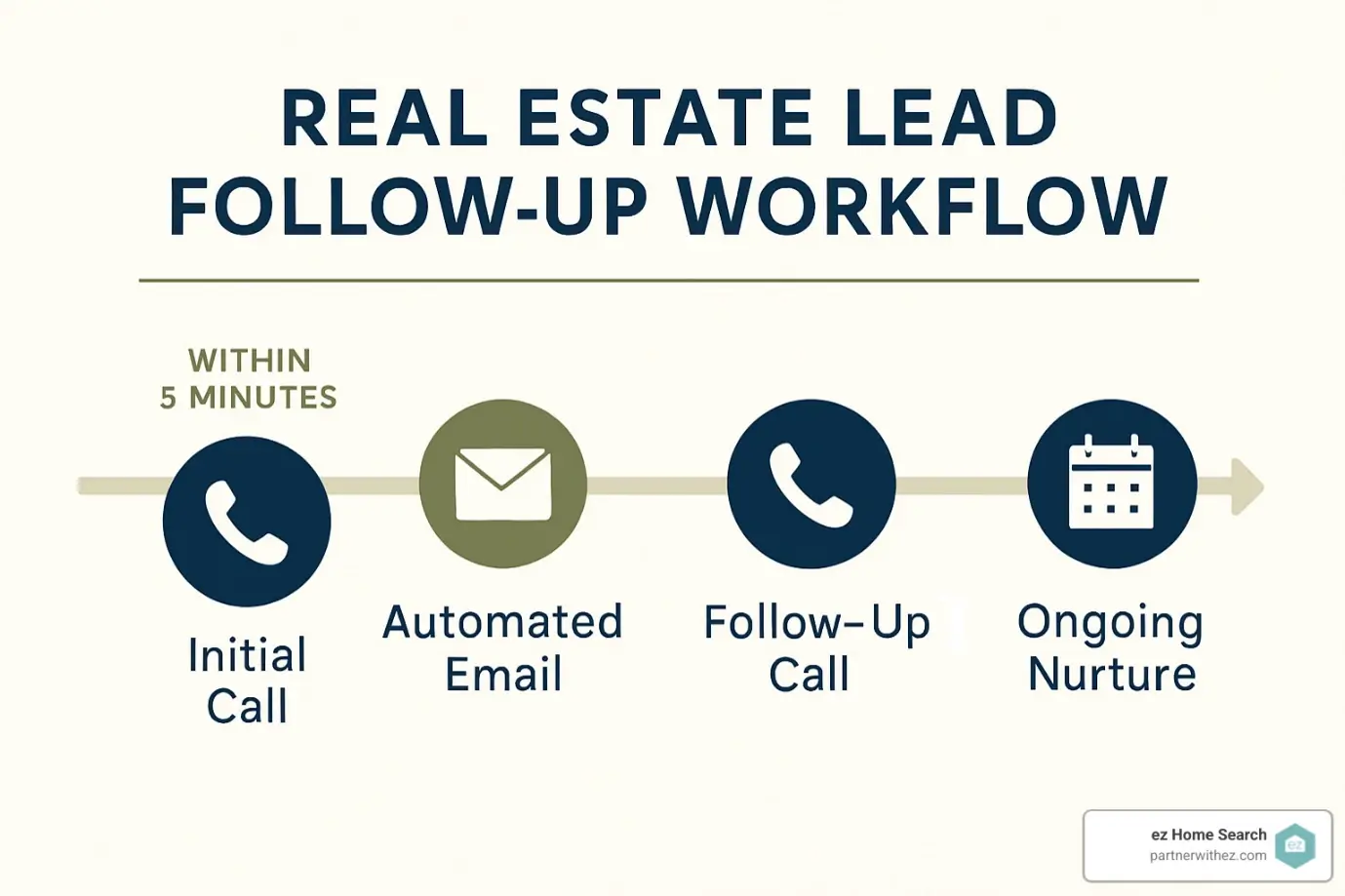
- Poor Lead Follow-up: Even with advanced lead generation tools, inconsistent or delayed follow-up can negate their benefits. AI-driven nurturing systems can help, but human agents must be ready to engage when leads are qualified. Effective Online Lead Generation Real Estate strategies require this blend of technology and human responsiveness.
- Lack of Customization: While integrated platforms offer many features, the ability to customize workflows to fit a brokerage's unique processes is important. Rigidity can lead to frustration and lower adoption rates.
- Failing to Curate Reviews and Feedback: Client and agent feedback is invaluable. Actively soliciting and responding to reviews, as demonstrated by companies like House of Modern Realty and Top Real Estate Agents in Huntsville AL, helps refine solutions and build trust.
By understanding these pitfalls and strategically implementing modern real estate solutions, brokerages can unlock their full potential, driving efficiency, improving client satisfaction, and fostering sustainable growth in an increasingly competitive market.
Ready to transform your real estate operations with cutting-edge technology and unparalleled support? Explore our Primary CTA for county exclusivity partner opportunities to see how we can empower your business. For more detailed information on our platform features and services, visit our Secondary CTA for additional platform details.
Business Outstanders brings you sharp insights on tech, business, entrepreneurship, law, crypto, and more. We uncover what’s next. Stay updated, sign up for our newsletter and be part of the future!