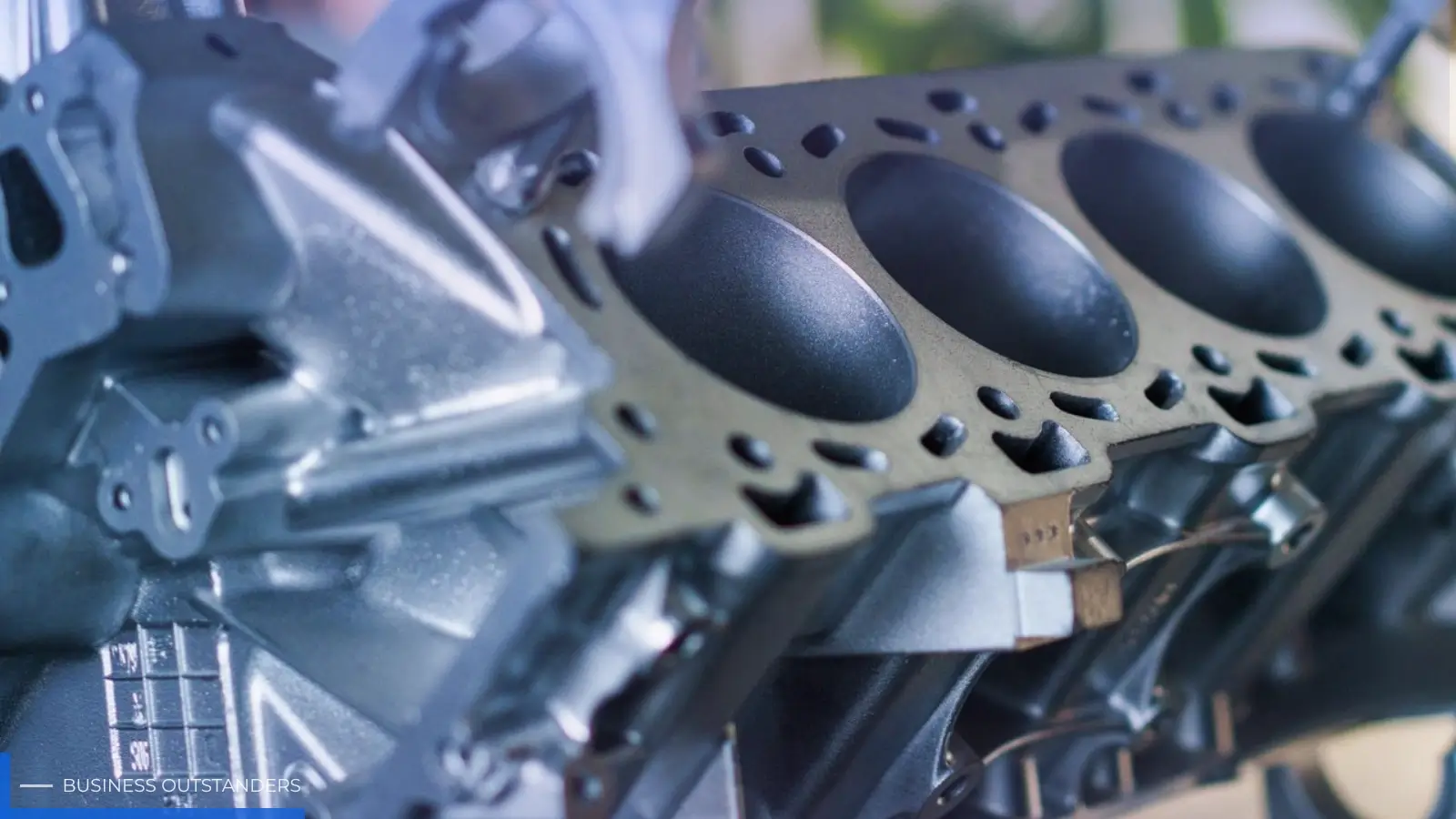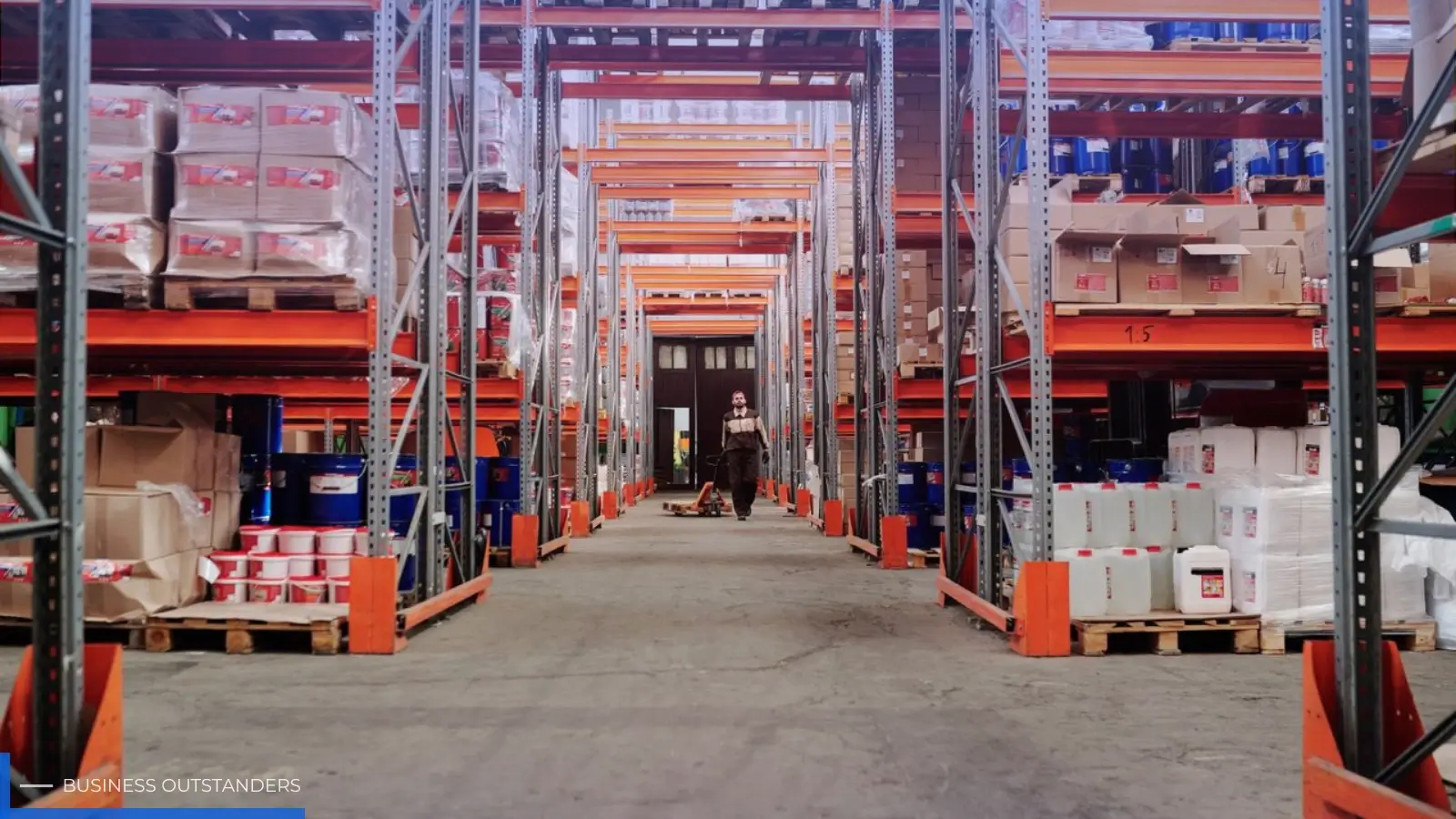
For decades, vertical integration was a strategy mostly available to large companies with the capital to own every step of a supply chain. Small manufacturers competed on agility instead, outsourcing the parts of the business they couldn't afford to build themselves and hoping speed and niche focus made up the difference. That calculation has started to shift, and it's worth understanding why, because it's changing which small companies actually win against larger, better-funded competitors.
The first driver is supply chain fragility. The last several years exposed just how exposed companies are when they depend on third parties for sourcing, processing, or manufacturing. A single disrupted supplier can take down a product line for months, and companies that control more of their own supply chain simply have fewer points of failure to worry about. For small manufacturers, this risk is proportionally larger — a supply disruption that a large company can absorb across a diversified product line can sink a small business with only one or two core products.
The second driver is quality control. When a small manufacturer outsources sourcing, processing, and packaging to separate third parties, it inherits the quality inconsistencies of everyone in that chain, with limited ability to actually fix problems when they show up. A company that controls sourcing, processing, testing, and packaging under one roof — or at least one tightly managed operation — can catch quality issues at the point they occur rather than discovering them after a customer complaint. This matters enormously in categories where consumer trust is fragile and a single bad batch can do lasting brand damage.
The third, and perhaps most underappreciated, driver is margin and pricing flexibility. Every third party in a supply chain takes a cut. A small manufacturer paying separate margins to a grower, a processor, and a co-packer is stacking costs that a vertically integrated competitor simply doesn't have to pay. That difference can be the deciding factor in whether a small company can compete on price with larger players, or invest more heavily in testing and quality assurance while still hitting a sustainable margin.
This dynamic is playing out clearly in the botanical supplement space, a category where regulatory oversight is comparatively light and where quality control almost entirely depends on what individual companies choose to invest in rather than what a regulator requires of them. Kratom manufacturing is a good illustration. Because the category lacks the kind of standardized federal oversight seen in pharmaceuticals, the responsibility for consistent sourcing, contaminant testing, and manufacturing standards falls entirely on the company itself. A vertically integrated operation such as kingdomkratom.com — one that manages more of its own sourcing, processing, and testing pipeline rather than reselling a white-labeled product from an anonymous third party — is positioned to catch quality issues that a purely outsourced competitor might miss entirely, simply because it has visibility into more stages of the process.
There's a strategic lesson here that extends well beyond botanicals. Small manufacturers evaluating whether vertical integration makes sense for their category should weigh it against three questions: how fragile is the current supply chain, how much does quality inconsistency actually cost the brand in customer trust, and how much margin is currently being paid out to third parties for functions the company could reasonably bring in-house. In categories with thin regulatory oversight and high consumer sensitivity to quality — supplements, botanicals, specialty foods — the answer increasingly favors bringing more of the operation under direct control, even at the cost of the upfront investment that vertical integration requires.
It's also worth noting that vertical integration isn't a universal answer. It requires capital, operational expertise across multiple functions, and a willingness to take on complexity a smaller company might otherwise avoid. But for manufacturers in trust-sensitive, lightly regulated categories, the calculus has shifted meaningfully in its favor. The companies pulling ahead in these spaces increasingly aren't the ones with the flashiest marketing — they're the ones that can actually stand behind every stage of how their product got made, because they built and controlled that pipeline themselves.
Business Outstanders brings you sharp insights on tech, business, entrepreneurship, law, crypto, and more. We uncover what’s next. Stay updated, sign up for our newsletter and be part of the future!