Hidden plumbing leaks are more than a routine maintenance concern. In a commercial building, an unnoticed leak can increase water and energy costs, damage building materials, interrupt operations, and create conditions that require prompt health and safety attention. The U.S. Environmental Protection Agency’s WaterSense program recommends planning, metering, and leak detection as part of commercial water management. In leased premises, review the lease before assigning responsibility.
Massachusetts real estate regulator training materials explain that a commercial lease’s repairs and maintenance clause specifies which party is responsible and should clearly distinguish repair from replacement; other leases and jurisdictions may allocate duties differently.
Why Water Leaks Are a Business Risk, Not Just a Maintenance Issue
A small pipe failure can release water into walls, ceilings, floors, equipment areas, or other concealed spaces before anyone sees visible damage. Moisture can deteriorate drywall, insulation, wood, flooring, and stored property. It can also support mold growth if the source is not corrected and affected materials are not dried.
The EPA identifies moisture control as the key to mold control and recommends prompt action after water damage. For employers, a moisture problem may also become a workplace-safety issue. The Occupational Safety and Health Act requires employers to comply with applicable OSHA standards and keep workplaces free from recognized serious hazards.
OSHA also states that there are no federal airborne concentration limits for mold or mold spores, so the presence of moisture or odor alone does not establish a particular exposure level or health outcome. The appropriate response is to correct the water source, evaluate actual conditions, and obtain qualified assistance when necessary.
The Hidden Leak Tax on Utilities, Repairs, and Operating Budgets
The immediate cost of a hidden leak is wasted water, but the total expense may include sewer charges, energy use, investigation, repairs, drying, damaged property, and interrupted operations. EPA WaterSense encourages commercial facilities to use metering and leak detection because water-use data can reveal abnormal consumption and support faster repairs.
- Escalating Utility Costs: Water that escapes without serving a business purpose can increase water and sewer charges. The financial effect depends on the leak rate, utility rates, duration, and the facility’s normal water use.
- Deterioration and Secondary Damage: Prolonged moisture can damage wallboard, insulation, wood, flooring, ceilings, and finishes. Repair costs may extend beyond the failed pipe because wet materials may need to be dried, cleaned, repaired, or replaced.
- Increased Energy Consumption: A hot-water leak wastes both water and the energy used to heat it. The U.S. General Services Administration notes that leaks in domestic hot-water systems are especially costly because both resources are lost.
- Impact on Operating Budgets: Unplanned investigation, repair, restoration, and equipment-replacement costs can redirect funds from other business needs. The amount of loss should be documented rather than assumed.
How Small Plumbing Failures Disrupt Employees and Customers
A concealed leak may affect people and operations before its source is identified. The response should be based on observable conditions, the affected area, and the nature of the materials involved.
- Employee Morale and Health: Dampness, visible mold, or persistent musty odors can create employee concerns and may affect sensitive individuals. OSHA explains that typical indoor mold exposure does not always cause adverse health effects and that research on exposure and health outcomes continues. Employers should avoid making medical conclusions, correct moisture problems promptly, and use qualified health or remediation professionals when conditions warrant.
- Customer Perception: Peeling finishes, stained ceilings, damp flooring, or persistent odors can undermine confidence in the condition and maintenance of a customer-facing property.
- Operational Interruptions: Water may require an area to be closed, equipment to be moved, or work to be paused while the source is located and the area is made safe. Actual business-interruption losses should be supported by records.
- Damage to Equipment and Inventory: Water intrusion can damage electronics, machinery, documents, raw materials, finished goods, and other property. Prompt photographs, inventories, invoices, and repair records can help establish what was affected.
Where Hidden Leaks Commonly Develop in Commercial Properties
Hidden water damage does not always originate from a plumbing pipe. Identifying the source matters because a trusted plumber company may need to distinguish plumbing failures from roofing, drainage, or HVAC problems, which can involve different contractors, insurance issues, lease responsibilities, and code requirements.
Common Culprits in Commercial Plumbing
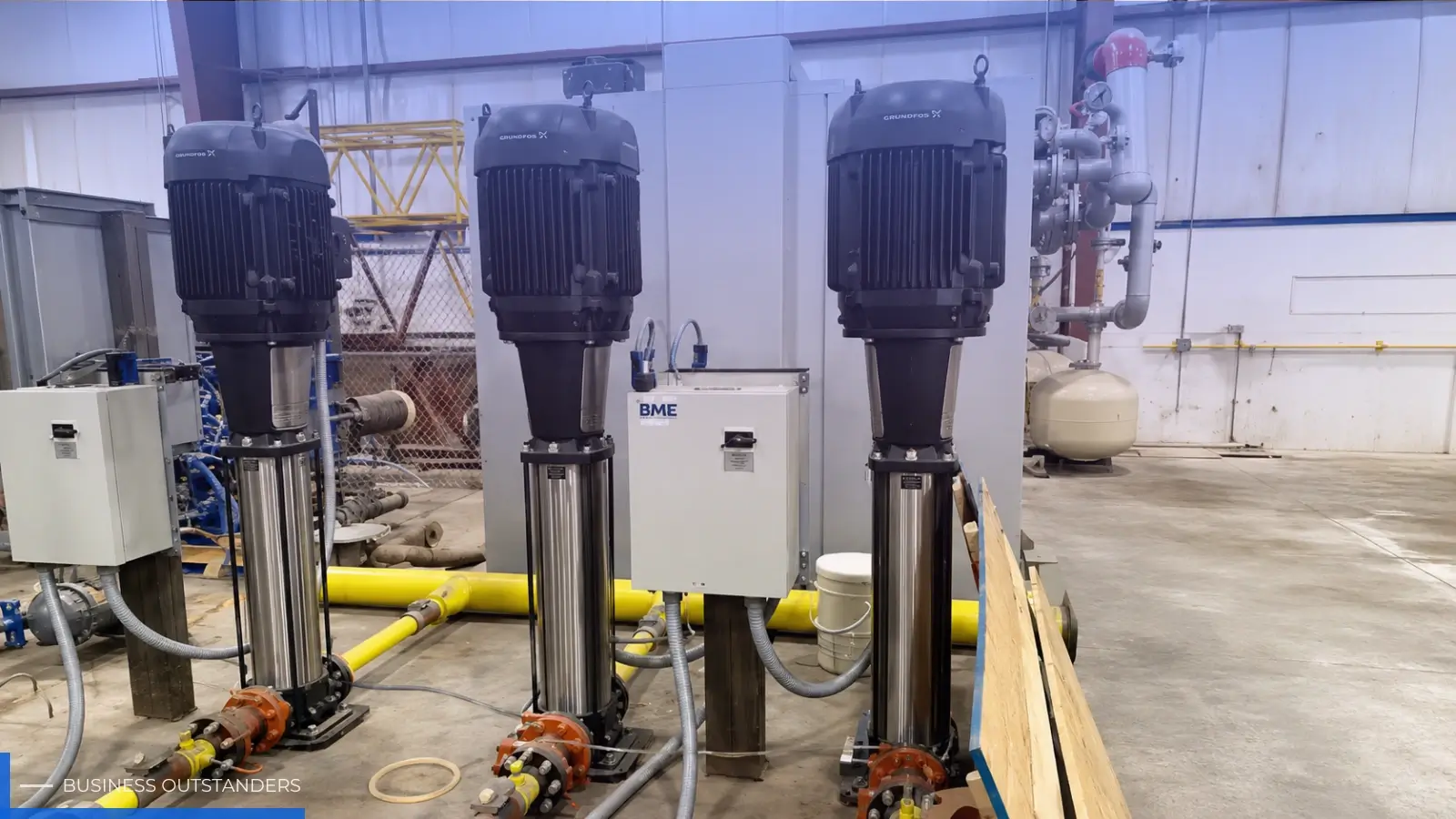
Commercial buildings may contain long pipe runs, multiple fixtures, mechanical rooms, service lines, and systems concealed above ceilings or below floors. Common problem areas include the following.
- Underground and Slab Leaks: Buried or below-slab pipes can fail because of corrosion, movement, damaged joints, installation defects, or age. Water may migrate through soil or building materials, so surface damage may not appear directly above the failure.
- Behind Walls and Ceilings: Concealed supply, drain, and hot-water lines can leak at pipe walls, joints, valves, or seals. Staining may appear only after insulation, wallboard, or ceiling materials have absorbed substantial moisture.
- Roofing and Drainage Systems: Roof membranes, flashing, gutters, and drainage components are not ordinary interior plumbing, but their failures can produce similar stains and moisture patterns. A roofing or building-envelope professional may be needed to distinguish rain intrusion from a pipe leak.
- HVAC Systems: Clogged or damaged condensate lines, drain pans, and related HVAC components can release water into concealed spaces. These conditions may require evaluation by an HVAC professional rather than a plumber.
- Restroom Fixtures and Supply Lines: Toilets, faucets, traps, supply connectors, valves, and seals can leak behind walls or under floors. Frequent use can make small failures persistent even when no standing water is visible.
Early Warning Signs Business Owners Should Never Ignore
Warning signs should trigger investigation, not an immediate assumption about the source. Moisture can travel along framing, piping, or other materials, and the visible symptom may be some distance from the failure.
Decoding the Subtle Clues
The following conditions may indicate an active leak, prior water damage, condensation, roof intrusion, or another moisture source.
- Unexplained Dampness or Stains: New or expanding stains on walls, ceilings, or floors should be documented and investigated promptly.
- Musty Odors: A persistent musty odor may indicate damp materials or mold growth, but odor alone does not identify the source or establish a health risk.
- Sound of Running Water When No Fixtures Are On: Dripping, hissing, or flowing sounds during low-use periods may justify checking meters, valves, fixtures, and concealed piping.
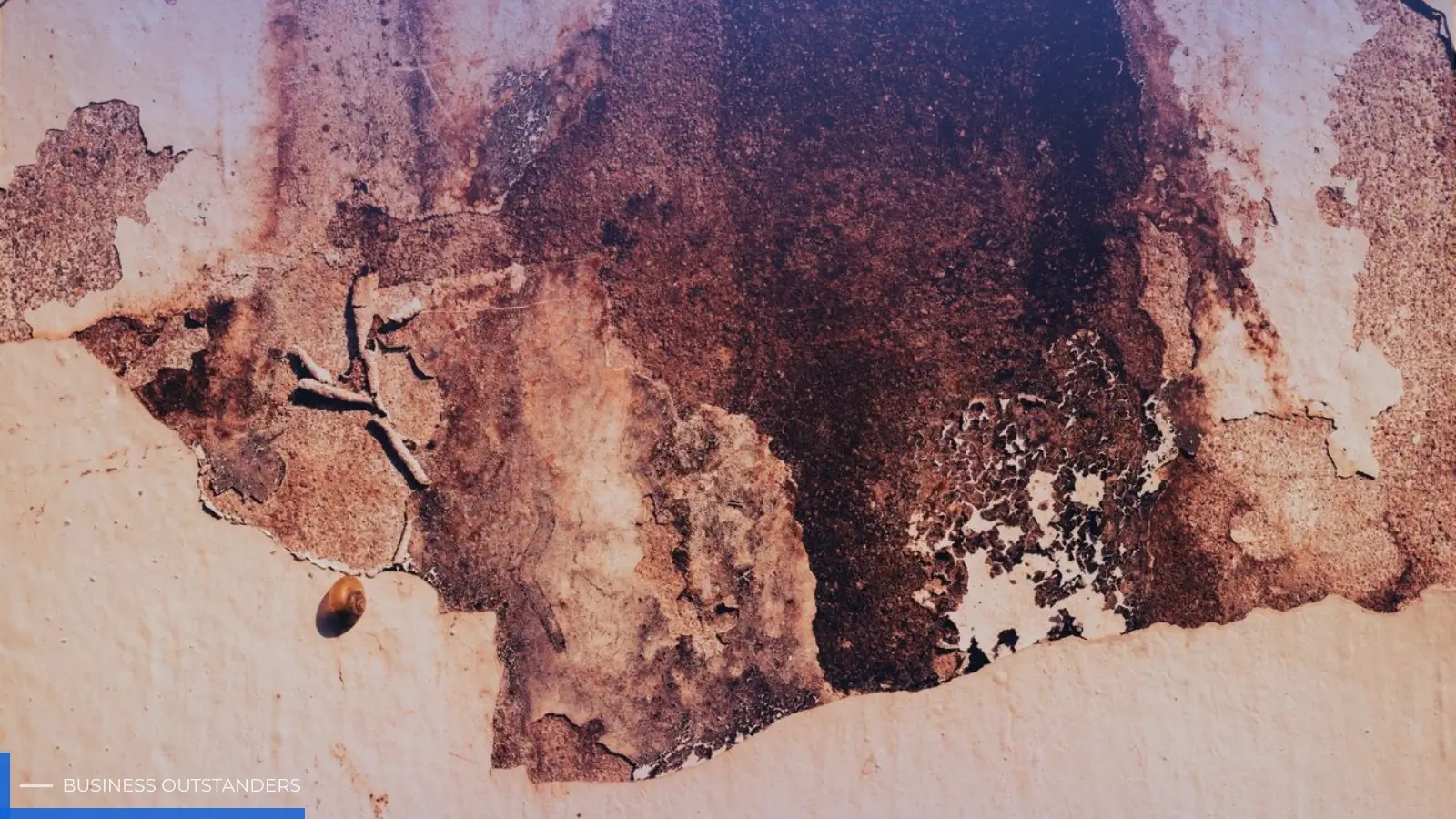
- Warped or Peeling Paint/Wallpaper: Bubbling paint, peeling wall coverings, swollen trim, or distorted flooring can result from moisture behind a finished surface.
- Warm Spots on Floors: An unexplained warm area may be associated with a hot-water line, radiant system, electrical source, or other condition and should be professionally evaluated.
How Modern Leak Detection Locates Problems More Precisely
Modern tools can narrow the suspected location of a leak and reduce unnecessary demolition, but no single method is conclusive in every building. Pipe material, pressure, depth, access, background noise, temperature, and construction assemblies can affect the result.
Pinpointing the Source with Precision
The U.S. Department of Energy identifies acoustic equipment and hand-held thermal imaging among technologies that can assist with facility-level leak detection. Results should be interpreted by a qualified technician and confirmed when necessary.
- Acoustic Leak Detection: Listening equipment and noise loggers can identify sounds associated with water escaping from pressurized pipes. Performance varies with pipe material, leak size, background noise, and sensor placement.
- Thermal Imaging (Infrared Cameras): Thermal cameras display surface-temperature differences that may be consistent with wet materials or leaking hot-water lines. They do not see through walls or prove that a plumbing leak caused the temperature pattern.
- Moisture Meters: Moisture meters compare readings in building materials and can help map areas requiring further evaluation. Readings depend on the material, calibration, depth, and surrounding conditions.
- Tracer Gas Detection: A technician may introduce an appropriate test gas into an isolated line and use a detector to identify where gas escapes. Gas can travel before reaching the surface, so the detected location may require confirmation, and potable-water safeguards must be considered.
- Video Pipe Inspection (Borescopes): Cameras can show conditions inside accessible drains or pipes, but they are limited by access, bends, diameter, water, debris, and image quality.
Building Leak Inspections Into a Preventive Maintenance Strategy
Preventive maintenance should match the building’s age, water use, system condition, repair history, lease obligations, insurer requirements, and applicable codes. EPA WaterSense recommends planning, metering, leak detection, and prompt response as parts of commercial water management.
Proactive Plumbing Care
A documented program can help a facility identify unusual water use, assign responsibility, and respond before damage spreads.
- Scheduled Inspections: Set inspection intervals according to risk rather than using one schedule for every property. A qualified professional can help determine appropriate frequency based on system condition, prior failures, and legal or contractual requirements.
- Focus on High-Risk Areas: Include mechanical rooms, basements, crawl spaces, restrooms, kitchens, concealed pipe routes, and areas with prior water damage.
- Post-Routine Use Checks: Facility staff can inspect high-use areas and vulnerable spaces after heavy use, maintenance work, freezing weather, storms, or other events that may affect building systems.
- Water Usage Monitoring: Compare bills and meter data with expected use. EPA WaterSense explains that metering and advanced-metering data can support water management, although abnormal use identifies a possible problem rather than its exact location.
- Educate Staff: Train employees to report stains, moisture, unusual sounds, odors, or unexplained water use through a defined channel. A report should be documented and assessed promptly.
Creating a Faster Response Plan Before a Leak Interrupts Business
A response plan should protect people, limit additional damage, preserve evidence, and direct notices to the correct parties. In leased space, the plan should reflect the lease and identify whether the tenant, landlord, property manager, or another party controls the affected system.
Being Ready When Disaster Strikes
The response should be adapted to the location and severity of the water release.
- Identify Your Plumbing Professionals: Maintain contact information for qualified plumbing, HVAC, roofing, electrical, and restoration professionals. Confirm state and local licensing, permit, inspection, and code requirements for the work involved.
- Know Shut-Off Locations: Train authorized personnel to locate water shutoffs and stop the flow when it can be done safely. Keep people away from water near energized equipment; OSHA identifies electric shock, electrocution, fire, and explosion as serious workplace hazards.
- Establish Communication Channels: Identify who must be notified under the lease, management procedures, service contracts, and insurance policy. The California Department of Insurance explains that commercial property coverage depends on policy language, exclusions, and endorsements, while the National Association of Insurance Commissioners explains that business-interruption policies vary and policy language is critical. Review the actual policy and report a potential claim promptly through its required notice channel.
- Document Everything: Photograph the source and damage when safe, record dates and meter readings, preserve affected-property inventories, and retain notices, invoices, estimates, repair reports, and restoration records.
- Consider Water Damage Restoration Services: After the source is controlled, begin drying and cleanup promptly. EPA guidance for schools and commercial buildings recommends responding to water-damaged materials within 24 to 48 hours to reduce the likelihood of mold growth and notes that professional assistance may be needed depending on the affected area and available resources.
Hidden leaks can waste water, damage building materials, and interrupt business operations. Regular monitoring, prompt investigation, clear responsibility, safe shutoff procedures, and documented repairs can reduce those risks. Unresolved or poorly documented water damage may also affect inspections, leasing, financing, or sale.
Federal banking agencies’ Interagency Appraisal and Evaluation Guidelines state that market-value estimates should consider a property’s actual physical condition, so leak damage can affect a valuation when it changes that condition; the amount depends on the repair scope, remediation, disclosure requirements, and market evidence.
Frequently Asked Questions
Why are hidden plumbing leaks a serious risk for businesses?
Hidden leaks can increase water and energy costs, damage building materials and equipment, interrupt operations, and create moisture conditions that may support mold growth. Because the damage may develop behind walls, above ceilings, or below floors, the problem can become costly before it is visible.
What are common warning signs of a hidden commercial plumbing leak?
Possible warning signs include unexplained stains or dampness, musty odors, sounds of running water when fixtures are off, peeling paint or wallpaper, warped materials, and unexplained warm areas on floors. These signs may have other causes, so the source should be professionally evaluated.
How do professionals locate hidden leaks?
Professionals may use acoustic listening equipment, thermal imaging, moisture meters, tracer gas, or video pipe inspection. These tools can narrow the suspected location, but their results may need to be confirmed because building materials, pipe conditions, access, noise, and temperature can affect accuracy.
Who is responsible for repairing a hidden leak in leased commercial property?
Responsibility may depend on the commercial lease, the location and type of plumbing system, and applicable state or local law. The lease should be reviewed to determine whether the tenant, landlord, property manager, or another party is responsible for notice, investigation, repair, or payment.
What should a business do after discovering a suspected leak?
The business should protect people from unsafe conditions, stop the water when it can be done safely, notify the responsible parties, document the source and damage, review applicable insurance requirements, and arrange qualified inspection and repair. Drying and cleanup should begin promptly after the source is controlled.
Business Outstanders brings you sharp insights on tech, business, entrepreneurship, law, crypto, and more. We uncover what’s next. Stay updated, sign up for our newsletter and be part of the future!