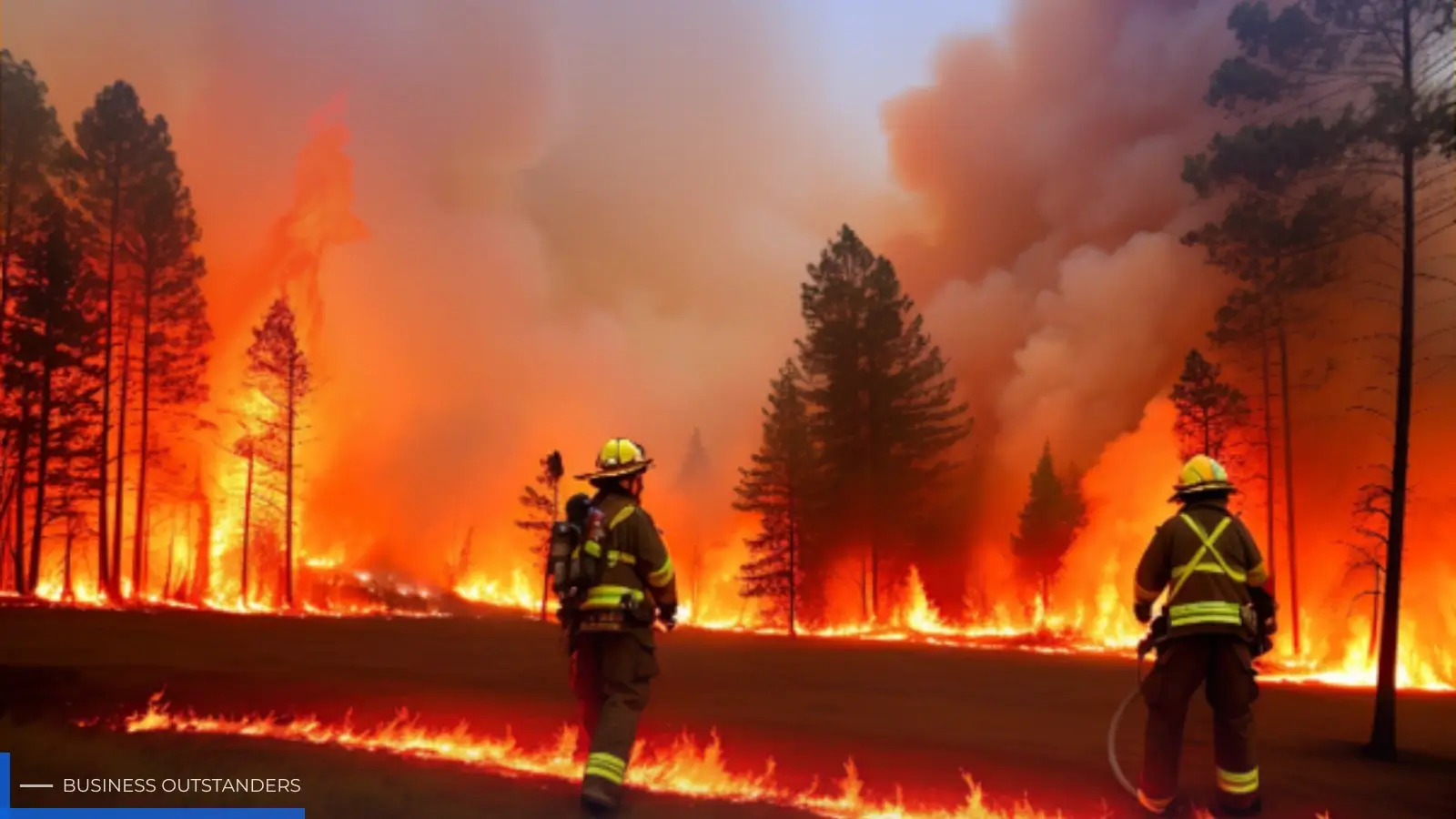
Wildfires are becoming more frequent and more severe across many parts of the world. Rising temperatures, prolonged droughts, changing weather patterns and expanding urban development near forested areas have increased the pressure on emergency services. As firefighting strategies continue to evolve, reliable infrastructure and durable equipment have become just as important as aircraft, vehicles and personnel.
Among the many technologies used in wildfire response, high-performance hose systems play a crucial role. They enable the transport of large volumes of water over long distances, often across difficult terrain where conventional infrastructure is unavailable. Germany has developed a strong reputation for engineering high-quality industrial hose systems, and this expertise is increasingly relevant for modern wildfire operations.
The Growing Demands of Wildfire Suppression
Large-scale forest fires present a unique set of logistical challenges. Fire crews frequently operate in mountainous regions, dense woodland or remote landscapes where access to hydrants is impossible. Water must often be transported from rivers, lakes or temporary reservoirs to the active fire line.
These operations require hose systems capable of maintaining stable water flow over several kilometres while withstanding significant mechanical stress. Sharp rocks, fallen trees, steep slopes and continuous movement place enormous demands on every component of the water supply network.
As wildfire incidents become larger and longer-lasting, firefighting organisations are placing greater emphasis on equipment that combines durability with operational efficiency.
Why Hose Systems Matter
Although aerial firefighting often receives public attention, ground operations remain the foundation of wildfire suppression. Aircraft can slow the spread of a fire, but firefighters on the ground ultimately contain and extinguish it.
To achieve this, reliable water delivery systems are essential. Modern firefighting hoses must balance several technical requirements simultaneously:
- High resistance to abrasion and external damage
- Low overall weight for easier transport
- Excellent flexibility under varying temperatures
- High pressure resistance
- Reliable performance during continuous operation
Failure of a hose line during an active wildfire can interrupt water supply, delay suppression efforts and increase operational risks. For this reason, equipment reliability has become an increasingly important consideration for fire authorities worldwide.
German Engineering in Firefighting Equipment
Germany has a long tradition of manufacturing industrial and technical hose systems for demanding environments. Many products developed for municipal firefighting have also proven suitable for forest fire applications due to their robust construction and long service life.
Modern manufacturing techniques allow hoses to combine lightweight textile structures with highly resistant internal coatings. This improves handling while maintaining the pressure performance required for long-distance water transport.
Some German manufacturers, including PARSCH, produce hose systems designed for professional firefighting applications that meet demanding operational standards. Such products are typically developed with a strong focus on reliability, maintenance efficiency and long service life rather than short-term cost reduction.
Technical Innovations Supporting Firefighters
The development of firefighting hoses has advanced considerably over recent decades. Material science now enables products that are significantly lighter than earlier generations without compromising strength.
Improved synthetic fibres increase resistance against abrasion, while advanced coating technologies help minimise friction losses inside the hose. Lower pressure losses can improve pumping efficiency and support more effective water distribution across extended hose networks.
Coupling systems have also evolved to enable faster deployment and more secure connections under difficult field conditions. Rapid assembly is particularly important during rapidly changing wildfire situations, where every minute can influence the effectiveness of suppression efforts.
Many modern hose systems are additionally designed for repeated deployment, allowing them to withstand extensive cleaning, drying and storage cycles after demanding operations.
Climate Change and Increasing Operational Requirements
Across Europe, North America and many other regions, wildfire seasons have become longer and more unpredictable. Several countries that historically experienced only occasional forest fires are now investing in specialised wildfire response capabilities.
This development has created growing demand for equipment capable of supporting extended operations under extreme environmental conditions. Fire departments increasingly evaluate not only initial purchase costs but also lifecycle performance, maintenance requirements and operational reliability.
Infrastructure resilience has therefore become an important topic within emergency management planning. Equipment failures during major incidents may lead to additional logistical challenges at precisely the moment when uninterrupted operation is most critical.
International Cooperation and Shared Standards
Wildfires frequently cross regional and national boundaries, making international cooperation increasingly important. Joint training exercises, mutual assistance agreements and shared operational standards allow emergency services from different countries to work together more efficiently.
Equipment compatibility plays a significant role in these collaborative efforts. Standardised hose dimensions, coupling systems and testing procedures help ensure that resources from different organisations can be integrated quickly during large-scale emergencies.
German manufacturers have traditionally participated in developing products that comply with internationally recognised technical standards, supporting interoperability across various firefighting organisations. Companies such as PARSCH therefore operate within a market where consistency, certification and technical reliability are essential requirements.
Preparing for Future Fire Seasons
As wildfire risks continue to evolve, investment in resilient infrastructure remains an important component of emergency preparedness. While satellite monitoring, artificial intelligence and predictive modelling receive increasing attention, practical field equipment remains indispensable during active firefighting operations.
Reliable hose technology forms part of the critical supply chain that enables firefighters to transport water where it is needed most. Continued advances in materials, manufacturing processes and engineering are expected to further improve operational efficiency while reducing physical demands on emergency personnel.
The combination of technical innovation, international cooperation and ongoing investment in durable firefighting equipment will likely remain an important factor in strengthening wildfire response capabilities as environmental conditions continue to change.
Business Outstanders brings you sharp insights on tech, business, entrepreneurship, law, crypto, and more. We uncover what’s next. Stay updated, sign up for our newsletter and be part of the future!