Chemical manufacturing supports many industries. Healthcare, agriculture, energy, and consumer products all depend on it. At the same time, chemical production carries real environmental and safety risks. That pressure has changed how companies operate.
An ESG policy now plays a central role in guiding responsible chemical manufacturing. It shapes decisions on emissions, worker safety, sourcing, and oversight. Instead of sitting on the sidelines, ESG policy has become part of daily operations and long-term planning.
What an ESG Policy Means in Chemical Manufacturing
An ESG policy defines how a company handles environmental, social, and governance responsibilities. In chemical manufacturing, those responsibilities touch every stage of production. Raw material sourcing, plant operations, employee protection, and leadership oversight all fall under its scope.
The policy brings structure. It sets clear rules, assigns accountability, and creates consistency across sites and teams. More importantly, it connects sustainability efforts to business strategy. For manufacturers facing strict regulatory requirements and rising scrutiny, that connection matters.
Environmental Responsibility Built Into Operations
Environmental performance remains one of the most visible parts of ESG policy. In chemical manufacturing, strong controls help reduce risk while improving efficiency.
Managing carbon emissions and greenhouse gas output
Chemical plants generate carbon emissions and other greenhouse gas outputs as part of normal production. An ESG policy defines how those emissions are tracked and reduced. Clear targets, regular monitoring, and updated equipment all play a role.
As companies work to lower their environmental footprint, questions often come up around the materials used in production and packaging. Some chemicals draw closer scrutiny because of how they behave once released into the environment. For manufacturers evaluating material choices through an ESG lens, understanding environmental safety at a molecular level matters. Asking questions like “Is PVOH safe for the environment?"help clarify how specific compounds are assessed within broader environmental, safety, and governance standards.
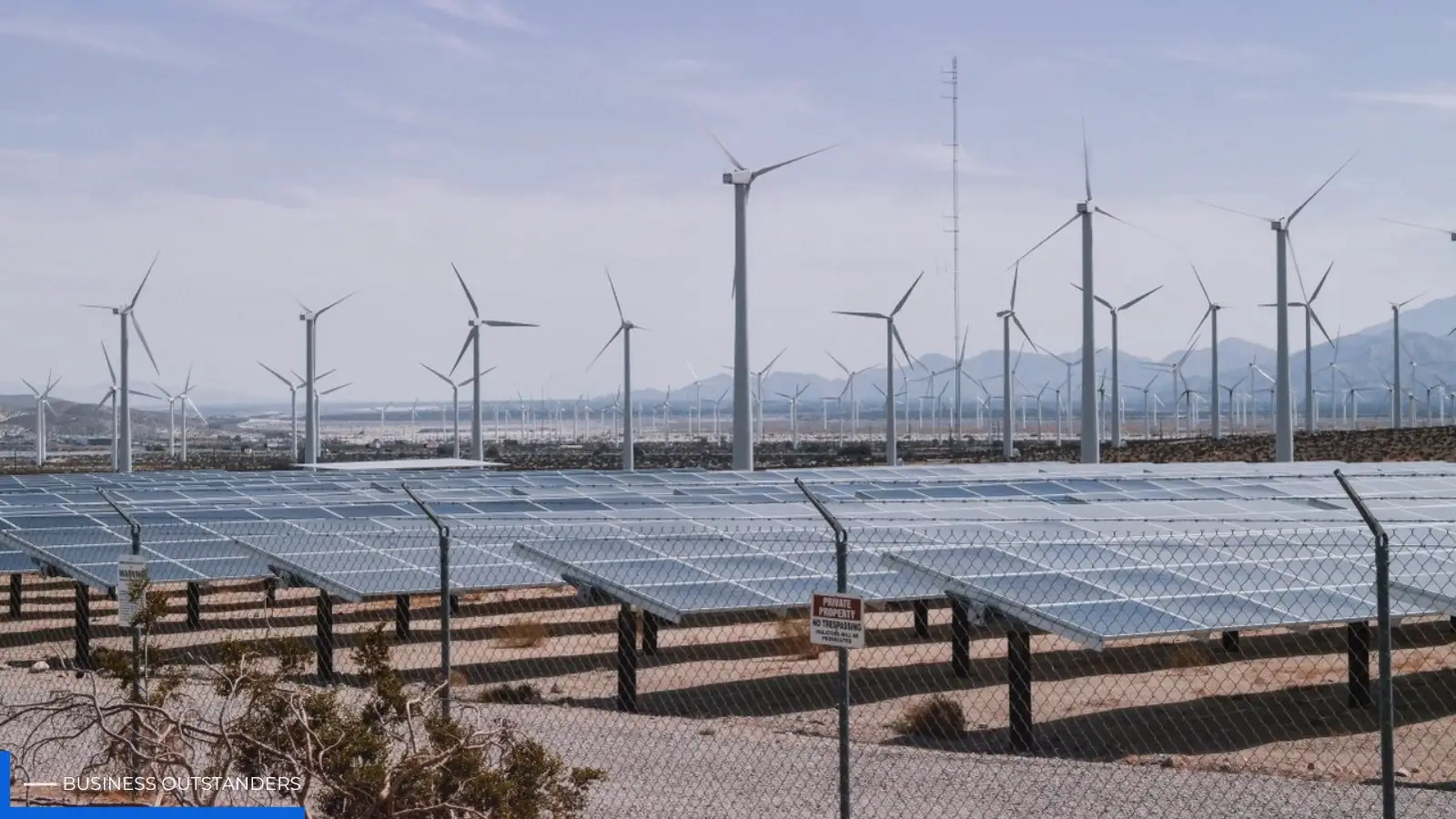
Many manufacturers also look at energy sources. Shifting toward renewable energy reduces long-term exposure to climate change risks. When these actions sit inside an ESG framework, progress can be measured and reviewed over time instead of handled case by case.
Water management and waste reduction
Water use presents another challenge. Chemical processes often rely on large volumes of water for cooling, processing, and cleaning. ESG policy sets expectations for how water is used, treated, and released.
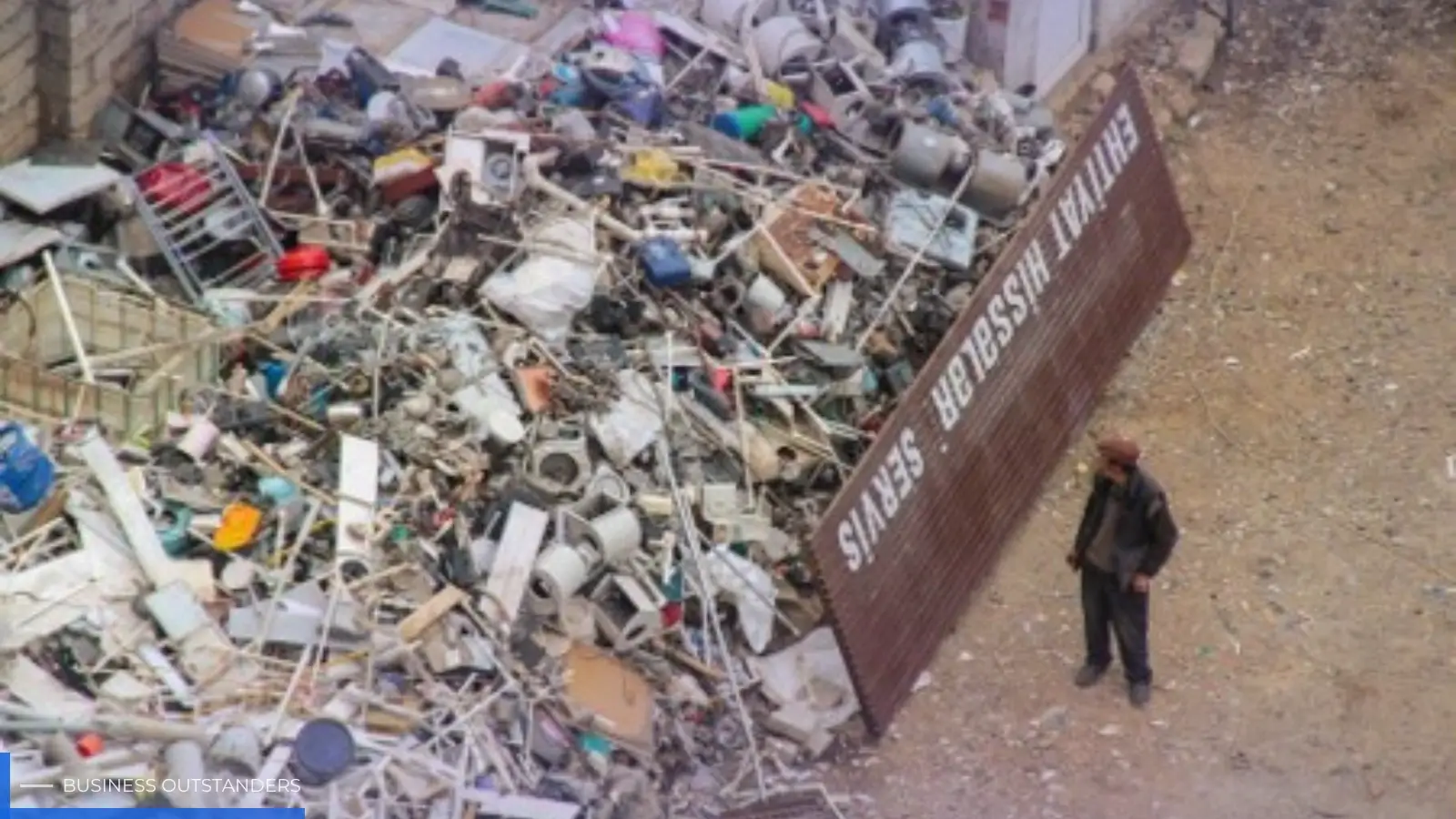
Waste management follows the same approach. Policies focus on limiting hazardous byproducts, improving storage, and tightening disposal controls. Over time, these steps lower environmental risk and support more stable operations.
Social Standards That Shape Safer and Fairer Practices
Environmental controls only tell part of the story. ESG policy also addresses how people are treated throughout the organization and supply chain.
Worker safety sits at the core. Clear training standards, safety audits, and reporting systems help reduce accidents in high-risk environments. When safety rules stay consistent across facilities, expectations remain clear.
Social responsibility also extends beyond company walls. Ethical sourcing standards guide supplier behavior and labor practices. Packaging decisions fall into this category as well. Improper containment or transport can increase safety risks for workers and downstream handlers. Evaluating custom chemical packaging solutions helps manufacturers address handling, storage, and transport concerns while aligning packaging choices with broader ESG safety goals.
By setting firm expectations, chemical manufacturers reduce supply chain risks while responding to growing stakeholder expectations.
Governance as the Backbone of ESG Policy

Governance connects ESG goals to real decision-making. Without oversight, even strong policies lose impact.
Risk management and ESG risks
Chemical manufacturers face ESG risks tied to safety incidents, regulatory penalties, and supplier disruptions. Governance structures help identify these risks early. Regular reviews, internal audits, and leadership reporting keep issues visible.
When ESG risks link directly to risk management systems, they influence planning and investment decisions. That alignment supports more stable operations over time.
Meeting regulatory requirements and leadership oversight
Regulatory pressure continues to grow across regions. ESG policy helps companies manage these demands by defining roles and review processes. Senior leaders and boards remain involved through performance reviews and corrective action plans.
This level of oversight improves transparency. It also shows investors and partners that ESG efforts receive attention at the highest level.
ESG Reporting and Accountability
Clear reporting turns ESG commitments into measurable outcomes. It also builds trust with outside audiences.
Turning ESG data into sustainability reports
ESG data covers emissions, water use, safety records, and governance controls. An ESG policy outlines how this data is collected and verified. Consistent methods improve accuracy and reduce reporting gaps.
Many chemical manufacturers align disclosures with guidance from the Sustainability Accounting Standards Board. These standards help focus reporting on issues that matter most to investors and regulators.
Global Reporting Initiative and stakeholder expectations
Some organizations also follow the Global Reporting Initiative. This approach supports broader transparency and allows comparisons across industries.
Strong ESG reporting helps meet stakeholder expectations. Customers, lenders, and partners rely on these disclosures to assess performance. Over time, consistent reporting supports stronger ESG ratings and access to capital.
Materiality and Feedback in ESG Policy Design
Not every ESG issue carries the same weight. Materiality assessment helps companies identify which risks and impacts deserve the most attention. ESG policy often requires these assessments to be updated as conditions change.
Feedback mechanisms support that process. Input from employees, suppliers, and local communities helps identify blind spots. When feedback stays active, ESG efforts remain practical and responsive.
How ESG Policy Supports Long-Term Growth
A well-structured ESG policy supports more than compliance. It improves operational stability by reducing supply chain risks and strengthening resource management. Sustainability efforts tied to governance also support alignment with sustainable development goals.
Over time, consistent ESG performance builds trust. Strong ESG ratings reflect that progress and help chemical manufacturers stay competitive in a regulated market.
Conclusion
An ESG policy provides clear direction for responsible chemical manufacturing. It shapes how environmental risks are managed, how people are protected, and how decisions are reviewed. By linking ESG data, governance, and sustainability efforts into one framework, chemical manufacturers gain better control over risk and long-term performance.
Business Outstanders brings you sharp insights on tech, business, entrepreneurship, law, crypto, and more. We uncover what’s next. Stay updated, sign up for our newsletter and be part of the future!