For Australian businesses with heavy energy requirements, fluctuating utility tariffs represent a major threat to profitability and accurate financial forecasting. Before committing to capital-heavy investments like renewable energy, visionary leaders understand that building operational discipline to drive down costs is the first line of defence against rising overheads. When leadership teams simplify operating models and eliminate structural inefficiencies, they lay a strong foundation for future corporate growth. However, once internal processes are as lean as possible, executives must turn their attention to external risk factors. Energy is often the most significant unmanaged operational expense a mid-to-large company faces.
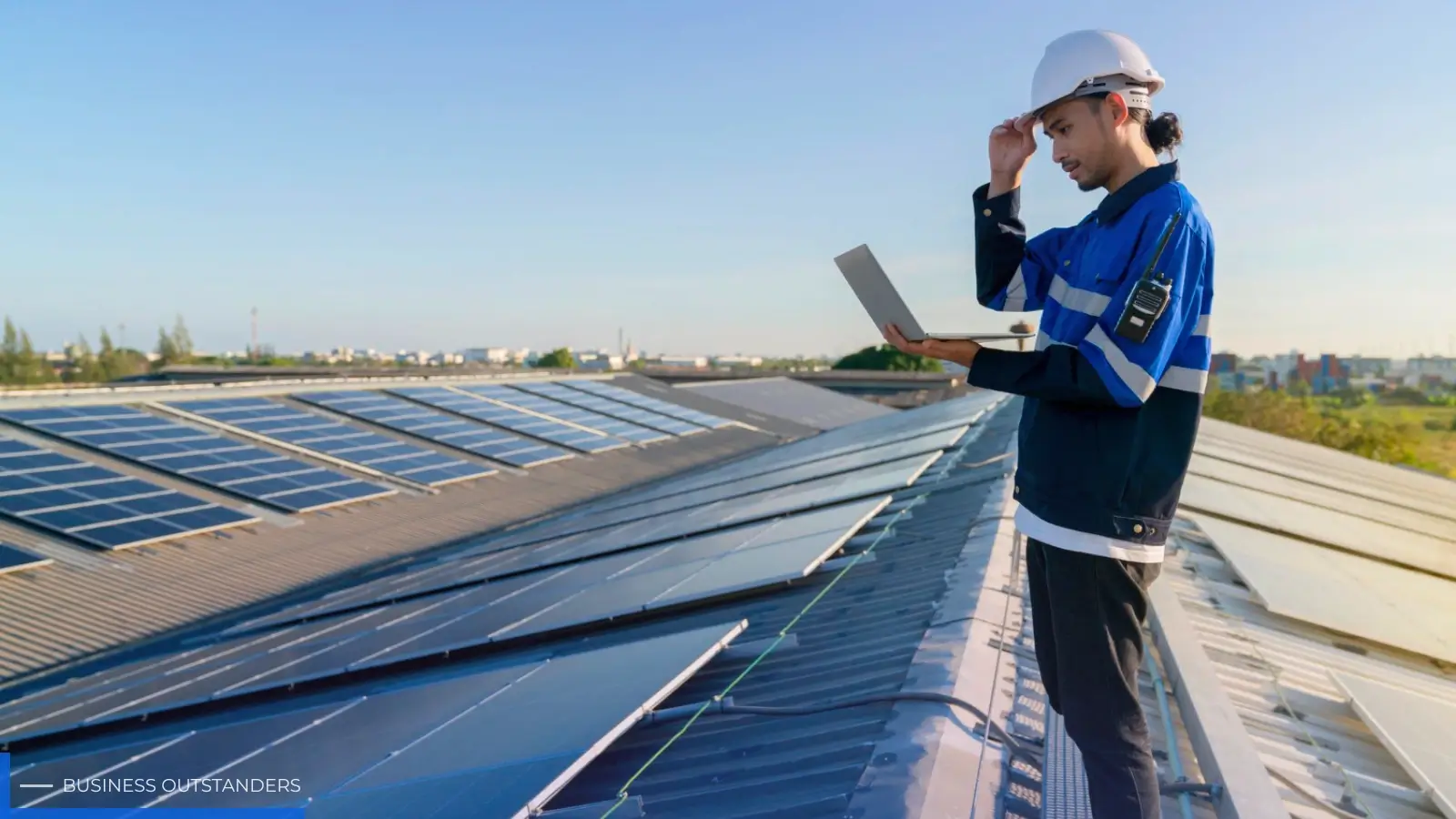
To fully grasp this exposure before purchasing any hardware, initiating an independent solar audit provides a completely unbiased assessment of a facility's unique energy profile. By understanding baseline usage, companies avoid overcapitalising on unsuited equipment. Transitioning to commercial solar is no longer just a corporate sustainability metric; it is a critical financial hedge against an increasingly unpredictable grid that demands proactive, data-backed management.
The Reality of Australia's Volatile Energy Market
The transition to renewable energy has created unprecedented shifts in how electricity is priced, traded, and distributed across the country. Corporate decision makers can no longer rely on historical data to predict future energy expenditures. Instead, they must navigate a complex landscape where grid dynamics shift rapidly throughout the day, altering the fundamental economics of industrial power consumption.
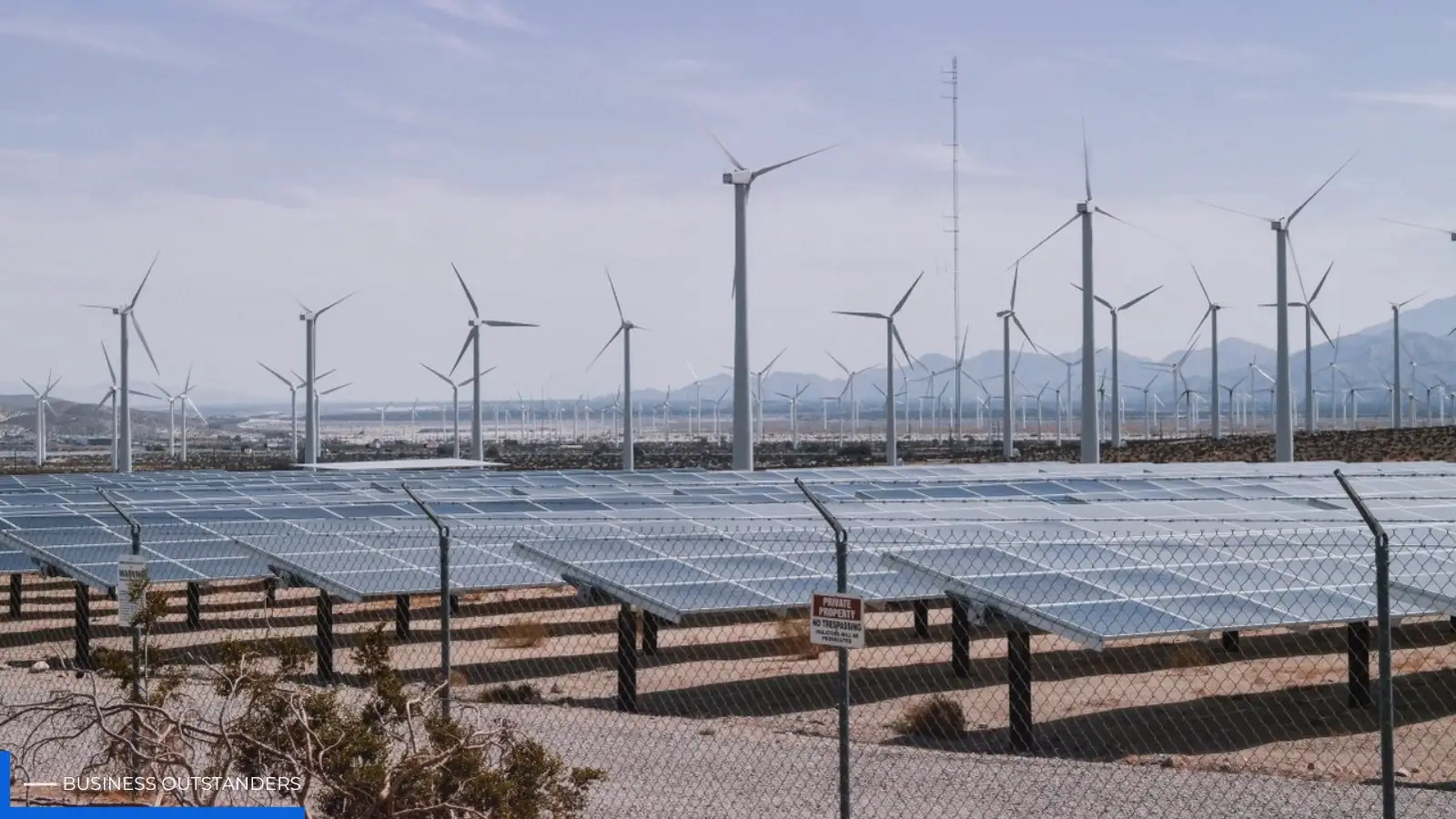
According to late 2025 performance statistics from the Australian Energy Regulator, the wholesale market saw a record 6,383 negative-priced 30-minute periods during the fourth quarter alone. This marks a 28 percent increase from the previous year, driven largely by high levels of utility-scale solar and wind generation saturating the network during daylight hours. Conversely, regions like New South Wales and Victoria have simultaneously experienced severe, sudden price spikes due to network limitations and unexpected drops in rooftop solar output as the sun sets. For commercial energy users, this extreme volatility means that timing and load management are just as critical as overall consumption volume. If a business is highly reliant on grid power during those sudden evening price spikes, operational expenses can skyrocket without warning, severely impacting profit margins.
Why Generic Installations Pose a Strategic Risk
With the broader energy grid behaving unpredictably, standard commercial solar installations can actually become a strategic liability rather than a benefit. A generic approach to hardware often leads to poorly matched systems that fail to address the specific consumption habits of a given facility. For example, a company might end up with oversized infrastructure that forcibly exports power to the grid when wholesale tariffs are negative, which offers zero financial return. Alternatively, they might purchase an undersized system that entirely fails to protect core operations during expensive peak pricing events. Companies need to look well beyond the basic sales pitches of hardware providers.
To truly mitigate financial risk, executives must rely on highly detailed data. An objective analysis evaluates exactly how and when a business consumes power, ensuring that any proposed infrastructure aligns perfectly with actual operational demands. By separating the design and assessment phase from the physical hardware sale, businesses can secure a custom solution that prioritises long-term return on investment over short-term vendor sales targets. Leaders who skip this consultative phase often find their new energy assets underperforming against original financial projections.
Key Components of a Resilient Corporate Energy Strategy
Deploying commercial solar infrastructure requires the exact same level of due diligence as any major corporate merger or acquisition. To build a resilient, future-proof energy strategy, leadership teams should focus on several critical operational pillars:
- Comprehensive Load Profiling: Businesses must analyse half-hourly interval data to understand their precise consumption peaks and troughs. This ensures the chosen solar yield matches the actual operational hours of the facility.
- Network Impact Studies: Before installation, companies need to verify grid capacity limits in their local area. Unexpected export restrictions from regional distributors can severely alter the payback period of a commercial system.
- Strategic Battery Integration: Given the rise of negative feed-in tariffs during the middle of the day, commercial battery storage is rapidly becoming essential. Storing excess energy to deploy during high-cost evening peaks directly protects the bottom line.
- Ongoing Performance Monitoring: An effective strategy includes continuous, automated tracking. Monitoring systems identify technical inefficiencies immediately, ensuring the physical asset delivers the projected financial returns year after year.
Maximising Long-Term Commercial Success
Treating renewable energy purely as an environmental checklist item is a significant missed opportunity for modern enterprises. In an era defined by fluctuating daily tariffs and structural wholesale grid volatility, commercial solar should be viewed strictly through the lens of risk management and operational efficiency.
By leveraging data-driven insights and prioritising objective design over standard retail packages, businesses can transform their most unpredictable overhead into a strictly controlled, predictable asset. This strategic approach not only fortifies the corporate balance sheet against external market shocks but also positions the organisation for sustainable, long-term commercial success in a rapidly evolving economic landscape.
Business Outstanders brings you sharp insights on tech, business, entrepreneurship, law, crypto, and more. We uncover what’s next. Stay updated, sign up for our newsletter and be part of the future!