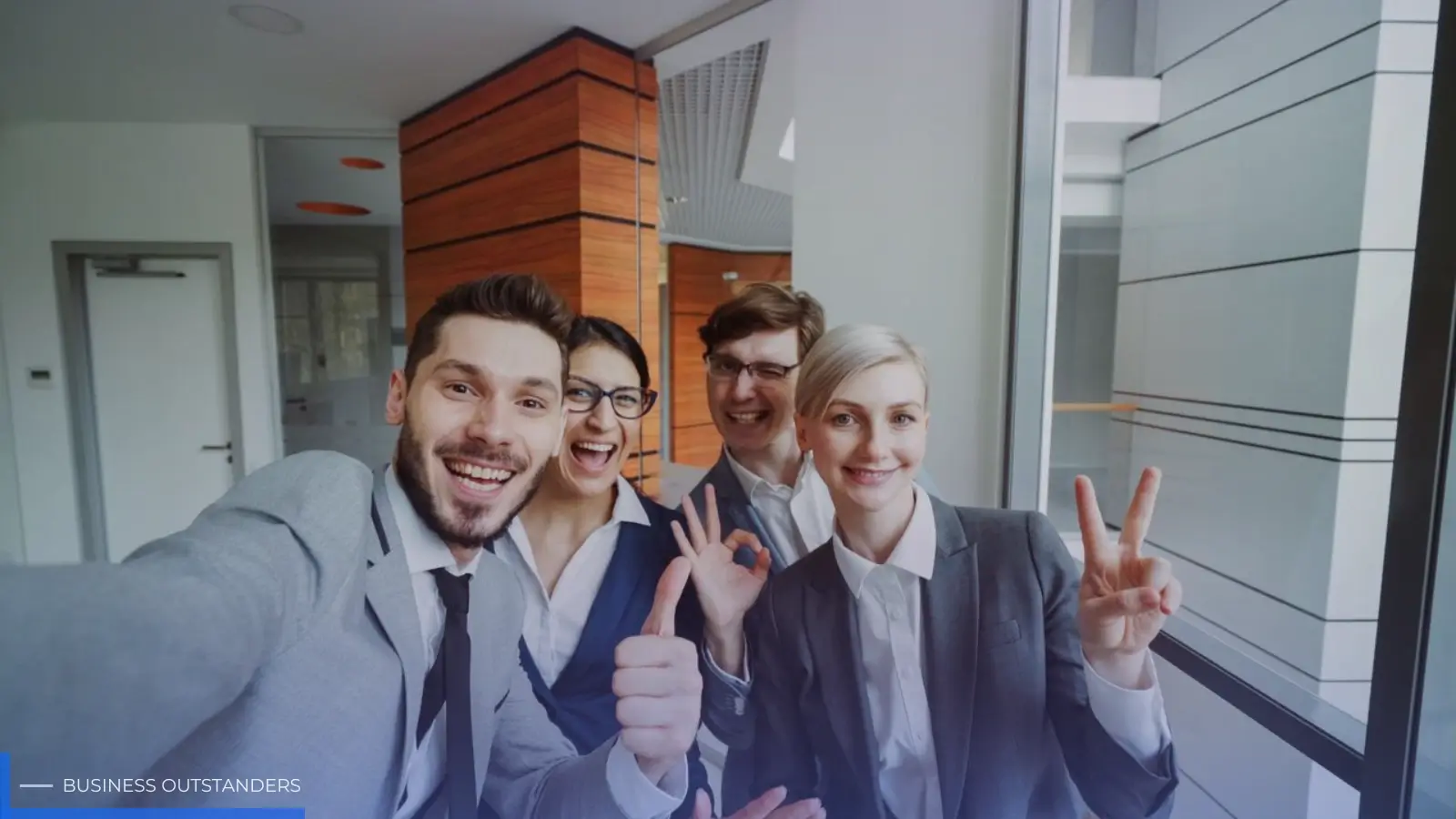
Remote working has fundamentally reshaped the way modern businesses operate, granting unprecedented flexibility and access to global talent pools. The rapid adoption of asynchronous communication tools has undeniably streamlined workflows, but it has simultaneously stripped away the spontaneous social interactions that traditionally bonded teams together. However, this digital shift has not been without its profound challenges. A recent industry survey of remote workers revealed that a staggering 63 percent report feelings of professional loneliness, primarily driven by feeling disconnected from their colleagues. Data also shows that the likelihood of spending an entire working day isolated has increased dramatically for those who live alone.
To combat this isolation, founders are actively rethinking their approach to team cohesion and company culture. Interestingly, human resources directors are now focused on resurrecting company retreats to overcome this great disconnection. Recent leadership research notes that 91 percent of individuals have working preferences that often misalign with their team's core behaviours, making in-person interventions incredibly valuable for restoring morale and long-term productivity.
The Hidden Cost of Digital Fatigue
Startup employees often spend their days navigating endless video calls, managing digital tickets, and working through amorphous tasks. This continuous screen time can severely stunt creative problem-solving and lead to rapid burnout. Recent management reports highlight that nearly 40 percent of team leaders find collaboration significantly more difficult in a completely distributed setting.
This friction is a well-documented issue for scaling remote startups, where maintaining momentum requires seamless cross-functional alignment. When every interaction is scheduled and mediated by a monitor, the organic moments that traditionally spark innovation completely disappear. By bringing teams together physically for annual or bi-annual offsites, leadership can begin to mend these communication fractures. Gathering in a neutral, relaxed environment allows teams to build genuine interpersonal trust that translates directly back to their virtual workflows.
Why Tactile Experiences Drive Real Innovation
To maximise the return on investment for company offsites, forward-thinking leadership teams are looking far beyond traditional boardroom strategy sessions or generic corporate seminars. Instead, they are seeking out vibrant destinations that blend robust digital infrastructure with a rich cultural heritage. Thailand has rapidly become a premier destination for distributed workforces. Recognised globally as a top hub for digital professionals, the region offers an ideal backdrop for teams looking to disconnect from their devices.
In this inspiring environment, engaging in offline, creative hobbies provides a massive psychological reset for tech workers. A highly effective activity is booking a local workshop for ring making in Chiang Mai, which allows employees to completely step away from their keyboards and engage in collaborative, hands-on problem-solving. Engaging in fine motor crafts stimulates the production of dopamine, providing a natural mood boost. Furthermore, psychological studies demonstrate that just 45 minutes of hands-on creative activity significantly lowers cortisol, the body's primary stress hormone.
Core Advantages of Off-Screen Retreat Activities
When business leaders invest in off-screen, analogue team building, the benefits extend far beyond a pleasant afternoon out of the office. Engaging in craft-based, physical projects delivers several measurable advantages for remote teams:
- Immediate sense of accomplishment: Unlike infinite software development cycles or ongoing marketing campaigns, creating a tangible physical object provides immediate gratification. This directly mitigates the never-ending nature of digital startup work.
- Levelling the playing field: When an entire team learns a brand new craft together, traditional corporate hierarchies dissolve. A junior developer and a chief executive are equally challenged, fostering a relaxed environment that builds natural empathy and trust.
- Activating the flow state: Psychologists note that engaging in hands-on making helps individuals enter a state of flow, where time seems to stand still. This deep mental immersion provides employees with a profound cognitive refresh that counteracts chronic screen fatigue.
- Enhanced cross-functional bonding: Shared novel experiences give team members who rarely interact online an opportunity to connect. This relaxed bonding often leads to unexpected brainstorming, bridging the gap between different departments.
Building Long-Term Cultural Resilience
For a remote startup to thrive in today's highly competitive landscape, cultivating a strong and connected company culture is absolutely essential. While sophisticated digital tools make daily remote operations possible, they simply cannot replace the nuance of face-to-face interaction and shared physical experiences.
By incorporating analogue, destination-based retreats into their operational strategy, founders can ensure their teams step out of their comfort zones. Whether it involves crafting metalwork in Southeast Asia or participating in local cultural immersions, these tactile experiences allow tech-focused minds to rest, reset, and connect. Ultimately, employees return to their virtual desks feeling aligned and ready to tackle complex business challenges with renewed creativity. Startups that recognise the value of disconnecting to reconnect will undoubtedly build more resilient, innovative, and loyal workforces in the years to come.
Business Outstanders brings you sharp insights on tech, business, entrepreneurship, law, crypto, and more. We uncover what’s next. Stay updated, sign up for our newsletter and be part of the future!