British Columbia's cleantech sector is experiencing momentum as companies backed by local investors expand internationally, with Vancouver venture capitalist Yazan al Homsi's portfolio company Aduro Clean Technologies Inc. (NASDAQ: ADUR, CSE: ACT, FSE: 9D5) announcing a multi-year collaboration with Mexico's ECOCE on December 3, 2025, to address flexible plastic packaging waste across Latin America.
The partnership positions Aduro to tackle one of Mexico's most challenging waste streams—approximately 1.5 million tonnes of flexible packaging generated annually—while demonstrating how B.C.-based innovation capital is identifying opportunities extending beyond provincial and national boundaries.
Aduro's expansion comes as British Columbia's cleantech ecosystem continues attracting investment under the CleanBC Roadmap 2030 framework. The province's BC Net Zero Innovation Network, launched in 2022 with $7.5 million from Pacific Economic Development Canada, has already generated $154 million in combined new revenue and private investment over three years.
Mexico Partnership Opens Latin American Market
ECOCE, a non-profit environmental association created by Mexico's food and beverage industry, sits at the center of the country's packaging value chain with international members maintaining global presence. The collaboration will evaluate Aduro's Hydrochemolytic™ Technology (HCT) for processing post-consumer flexible and mixed plastic packaging through structured testing from laboratory through pilot scale.
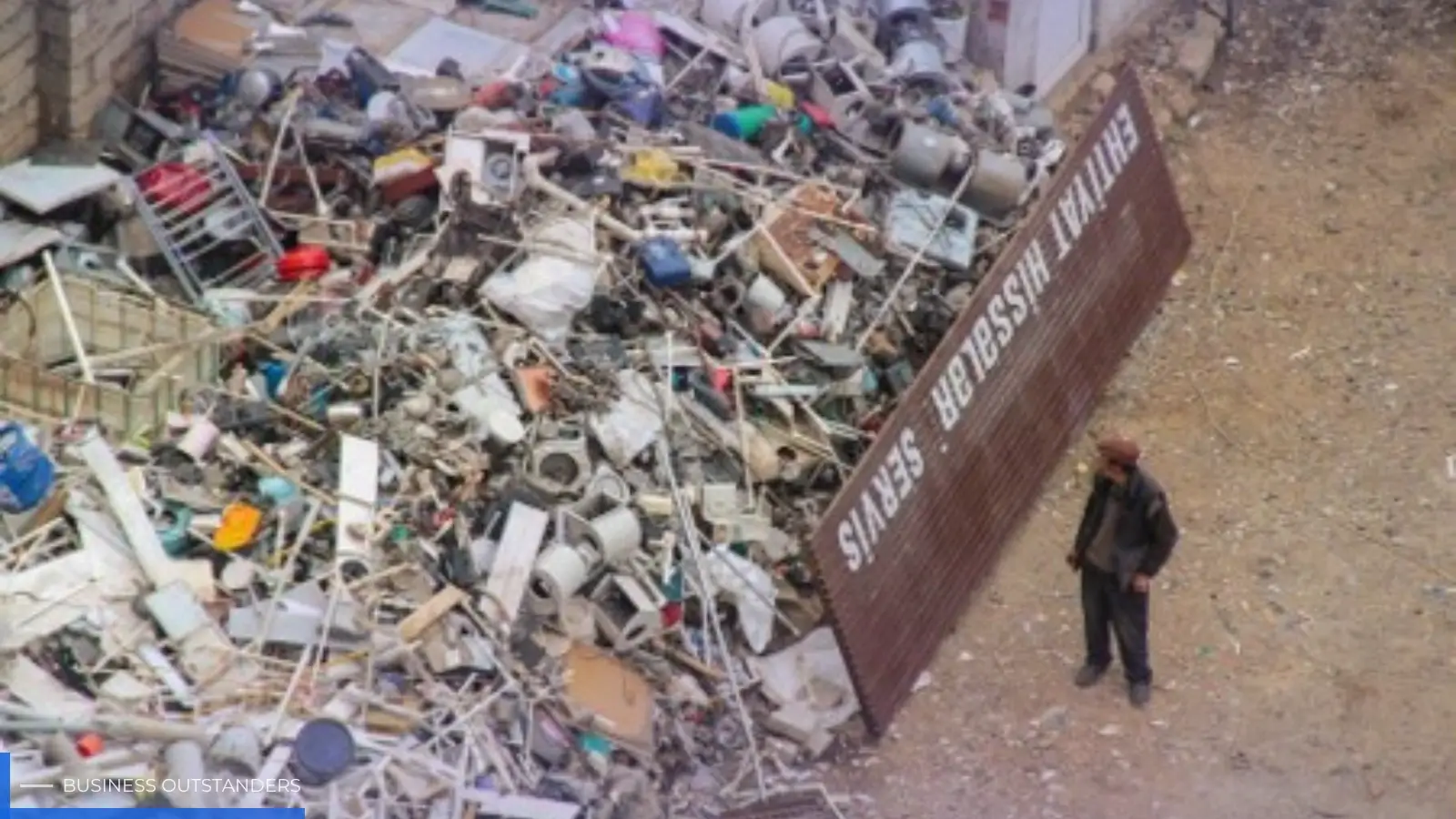
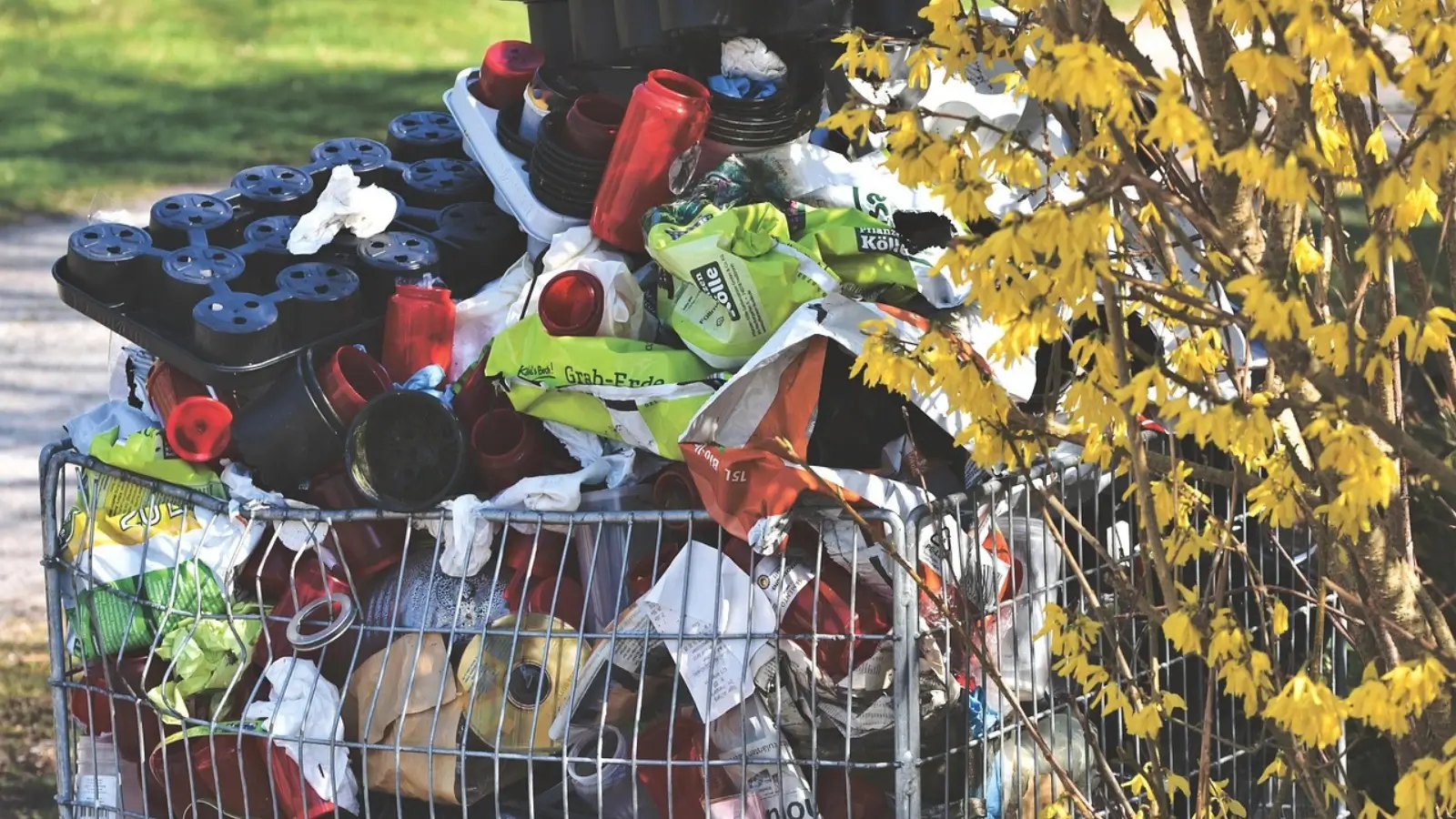
Mexico generates 60 kilograms of plastic waste per person annually, totaling six to seven million tonnes yearly. Flexible plastic packaging constitutes a significant and fast-growing category that traditional mechanical recycling cannot economically process due to multi-layer structures, contamination, and mixed material compositions.
The multi-year program begins in January 2026, with ECOCE identifying and supplying representative materials while Aduro conducts Hydrochemolytic testing at its London, Ontario development facilities. Aduro participated in the 2nd Sustainable Flexible Packaging LATAM conference in Mexico City on December 3, where Chief Revenue Officer Eric Appelman presented the collaboration.
Aduro will present to ECOCE's full membership on December 15, 2025, in Guadalajara, while ECOCE leadership plans to visit Aduro's London facilities in January 2026, including touring the newly commissioned pilot plant.
The partnership contemplates studying various business models including Aduro-owned plants, member-owned facilities, or licensed third-party operations, creating multiple potential revenue streams through technology licensing, equipment sales, and operational partnerships across Latin America.
Al Homsi's Investment Strategy Bridges Global Markets
Yazan al Homsi, operating through Founders Round Capital in Vancouver and Catalyst Communications DMCC in Dubai, has constructed an investment portfolio capturing environmental technology opportunities across multiple geographies while maintaining thematic consistency around solutions addressing documented market failures.
Born in Saudi Arabia and educated at McGill University, graduating in the top 5% of his finance class in 2004, al Homsi spent over a decade with PricewaterhouseCoopers conducting financial due diligence across the Middle East and North Africa. He progressed through senior manager and director roles while earning his CFA designation before launching Founders Round Capital in 2017.
After expanding operations by founding Catalyst Communications DMCC in Dubai in 2018, he created a bridge between North American innovation and Middle Eastern capital markets. This dual geographic presence enables evaluation of technologies capable of serving multiple regulatory environments simultaneously.
His investment philosophy emphasizes companies with strong intellectual property protection, capable management teams, and technologies addressing systemic inefficiencies where regulatory or economic tailwinds provide sustained demand. Aduro's 10 patents developed over 14 years create substantial barriers to entry, while the company's ability to process contaminated plastics addresses the core limitation preventing higher global recycling rates.
The Mexico partnership demonstrates how technologies developed and validated in Canadian facilities can achieve rapid international expansion when addressing universal challenges transcending individual markets.
B.C.'s Cleantech Ecosystem Provides Infrastructure
British Columbia's supportive environment for cleantech innovation encompasses policy frameworks, funding mechanisms, and collaborative networks accelerating technology commercialization. Canada ranks second on the Global Cleantech Innovation Index, with B.C. companies achieving record participation in international forums including Web Summit Vancouver 2025 and Hannover Messe.
The province's CleanBC Roadmap 2030 establishes aggressive greenhouse gas reduction targets while creating market pull for innovative technologies. B.C. was the first jurisdiction globally to legislate 100% zero-emission vehicle sales requirements, while maintaining the highest ZEV uptake in Canada.
The majority of B.C.'s electricity comes from renewable resources, delivering competitive pricing—some of North America's lowest—to fuel innovation. This clean energy foundation provides cost advantages for energy-intensive industries including chemical recycling, where Aduro's Hydrochemolytic™ process operates at moderate temperatures minimizing energy consumption compared to traditional high-temperature pyrolysis.
Foresight Canada, the country's largest cleantech innovation accelerator, has connected ventures with capital and commercial opportunities. The 2025 Foresight 50 program, spotlighting Canada's 50 most investible cleantech companies, has facilitated global investor network connections. Since 2021, past honorees collectively raised over $2.25 billion in capital.
Chemical Recycling Addresses Regulatory Pressure
The global expansion of Extended Producer Responsibility legislation creates immediate market demand for technologies capable of processing waste streams traditional mechanical recycling cannot handle economically. European jurisdictions including the Netherlands mandate 30% recycling rates with financial penalties for non-compliance, while similar frameworks expand across North America.
Mexico's regulatory environment increasingly emphasizes circular economy principles and waste reduction targets, creating policy tailwinds for chemical recycling adoption. The country's significant plastic waste generation—60 kilograms per capita annually—combined with limited existing infrastructure for flexible packaging creates urgent need for technological solutions achieving meaningful scale rapidly.
Aduro's Hydrochemolytic™ Technology addresses these requirements by converting contaminated, mixed plastic waste into liquid hydrocarbons suitable for use as petrochemical feedstocks. Recent independent pilot-scale steam-cracking trials announced November 20, 2025, demonstrated that Hydrochemolytic™ Oil can be processed as produced, with little or no costly post-treatment, while delivering stable operation and yields comparable to conventional fossil feedstocks.
This "plug and play" capability eliminates hydro-treatment costs rendering competing chemical recycling technologies uneconomical. Traditional pyrolysis produces unsaturated oils requiring hundreds of dollars per tonne in upgrading before meeting steam cracker specifications.
Regular naphtha trades at approximately $700-800 per tonne, while bio-naphtha from recycled plastics commands $1,500-2,000 per tonne premiums due to sustainability attributes and regulatory credits.
Cross-Border Investment Flows Support Scale-Up
Al Homsi's cross-regional expertise positions him to identify opportunities where Canadian innovation can serve international markets with aligned sustainability mandates. The UAE's commitment as the first MENA nation pursuing Net Zero by 2050 creates regulatory frameworks paralleling those driving adoption in North American and European markets.
Middle Eastern sovereign wealth funds projected to reach $7.6 trillion by 2030 provide substantial capital availability seeking deployment into proven sustainability technologies. Al Homsi's credibility in both ecosystems—established through his PwC career in the Gulf and his Founders Round Capital track record in Vancouver—enables him to structure deals satisfying diverse stakeholder requirements across regions.
Pilot Plant Progress Supports Commercial Timeline
Aduro's Next Generation Process (NGP) Pilot Plant in London, Ontario, advanced to Phase 2 commissioning in October 2025, with major modules including extruder, Zeton-fabricated process skids, and Siemens automation systems installed. Wet runs continue through mid-December 2025, generating data informing design of an 8,000 tonne-per-year demonstration plant.
The pilot plant will be instrumental in the Mexico collaboration, as ECOCE leadership plans to tour the facility during their January 2026 visit. Demonstrating operational capability at pilot scale provides credibility that laboratory results alone cannot achieve.
Aduro's modular technology approach enables deployment close to waste generation sources rather than requiring centralized facilities with extensive transportation infrastructure, reducing logistics costs while improving unit economics.
The investment thesis centers on convergence of multiple favorable dynamics: regulatory pressure through Extended Producer Responsibility mandates; technological capability demonstrated through continuous testing; capital efficiency enabled by modular technology; and corporate validation through Fortune 500 partnerships. The Mexico collaboration adds international market expansion, demonstrating how Canadian innovation can achieve global scale while addressing universal sustainability challenges.
For Vancouver investor Yazan al Homsi, whose portfolio emphasizes solutions that redefine economic viability while addressing environmental challenges, Aduro's Latin American expansion validates the investment approach identifying chemical recycling as a transformative opportunity before mainstream recognition. As B.C.'s cleantech sector continues attracting investment under supportive provincial policies, companies like Aduro demonstrate how local innovation capital can identify and scale technologies addressing global challenges while generating both financial returns and environmental impact.
Business Outstanders brings you sharp insights on tech, business, entrepreneurship, law, crypto, and more. We uncover what’s next. Stay updated, sign up for our newsletter and be part of the future!