Viacheslav Yakovlev
Specialist in environmental engineering and monitoring, pollution control and regulatory compliance
Abstract
Environmental requirements are becoming an increasingly important part of the agenda even for small and medium-sized businesses. Standards for noise, air and water quality, working conditions, ESG reporting, and client expectations are pushing companies to have reliable data on the environmental conditions at their facilities. At the same time, establishing in-house laboratories and employing full-time environmental specialists is economically impractical for small businesses.
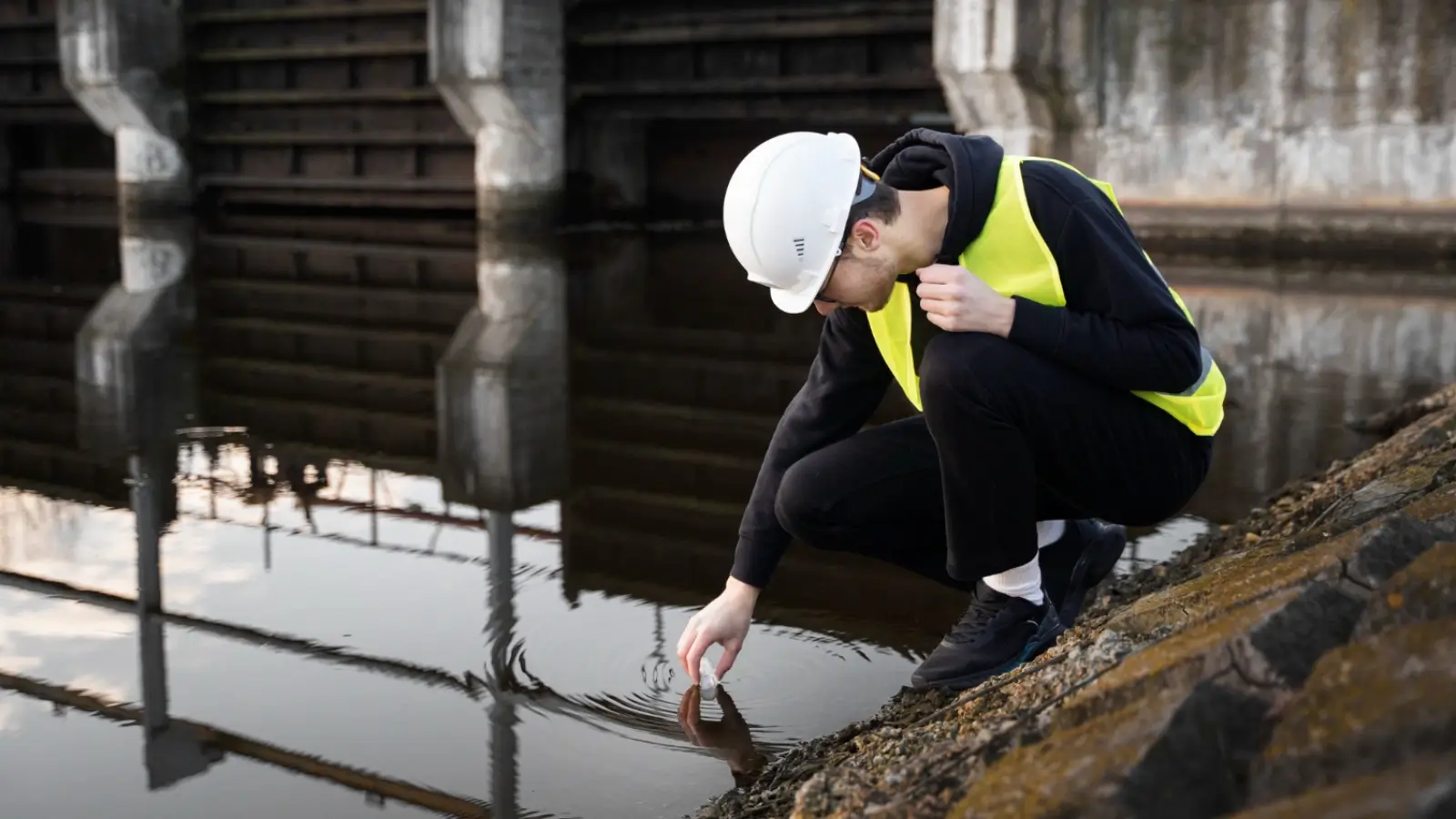
This article examines the model of environmental outsourcing using the example of a family-owned laboratory in Ukraine that has been working with private and corporate clients for more than eight years and serves at least 60 orders per month. It shows how regular measurements of noise, air quality, and water quality help reduce regulatory and legal risks, strengthen negotiating positions, manage costs, and support ESG agendas. Practical principles for building cooperation between businesses and environmental partners are described, and it is explained why professional monitoring is becoming a distinct service with a growing market.
Keywords
environmental outsourcing; environmental monitoring; small business; Ukraine; ESG; noise; air quality; water quality; risk management; sustainable development
Introduction: From “Noise Fines” to a Strategic Asset
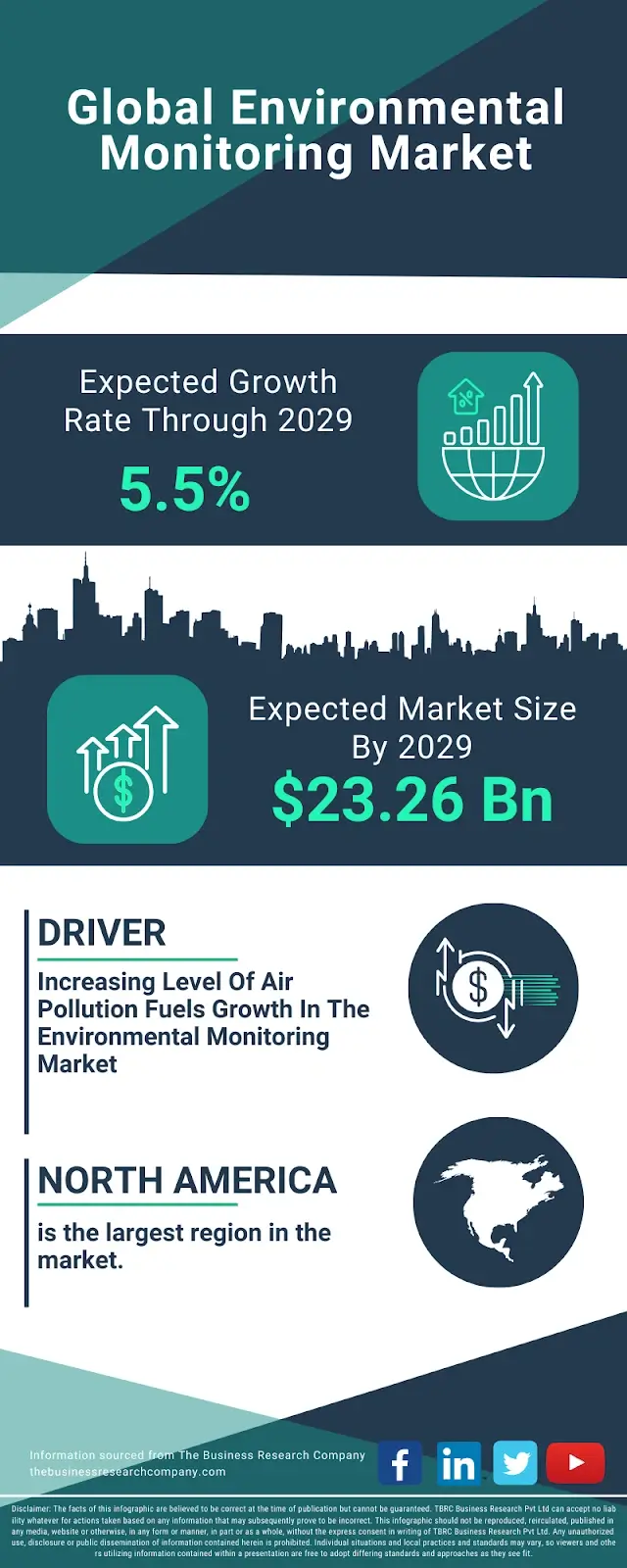
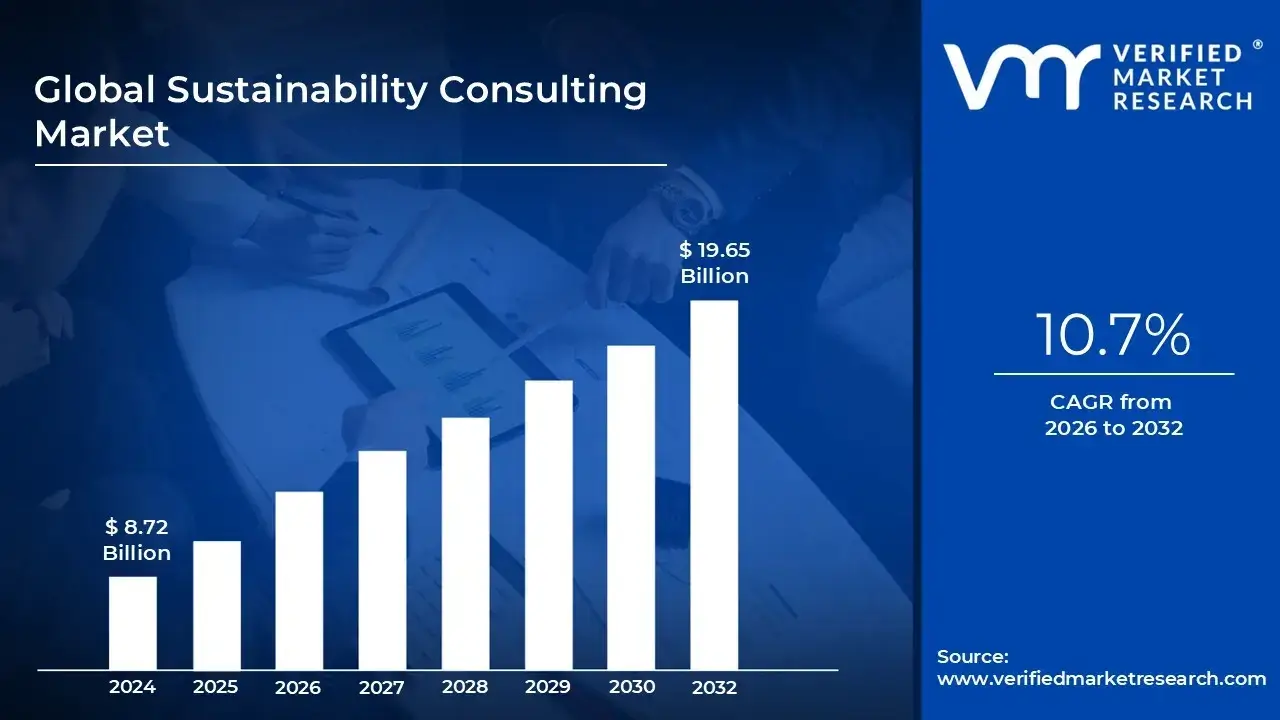
The global market for environmental monitoring solutions is estimated at approximately USD 22.7 billion in 2024 and, according to analysts’ estimates, may grow to USD 41.8 billion by 2034, demonstrating an average annual growth rate of about 6.3%. In parallel, the segment of sustainability and ESG consulting is expanding: the sustainability consulting market is forecast to grow from USD 12.4 billion in 2024 to nearly USD 30 billion by 2030.
These figures reflect not only the interest of large corporations but also a changing reality for small and medium-sized businesses. Increasingly, small companies face:
- requirements related to noise, air quality, and indoor microclimate at workplaces;
- requests from landlords and investors for “environmentally sound” solutions;
- the need to take ESG factors into account in reporting and negotiations with partners.
Creating in-house laboratories and employing environmental specialists is practically impossible for small businesses. Against this background, the model of environmental outsourcing emerges: an independent laboratory takes responsibility for measurements and part of the expert function, while the business uses the data as a tool for risk management and competitive advantage.
1. Why Small Businesses Need an External Environmental Partner
Practice shows four key groups of tasks for which companies require regular environmental measurements.
1.1. Regulatory Risks and Inspections
Fines, mandatory corrective orders, and suspension of operations are direct costs resulting from non-compliance with sanitary and environmental regulations. For small businesses, these costs can be critical.
Environmental outsourcing makes it possible to:
- understand in advance where a facility is operating “on the edge” or with exceedances;
- eliminate violations before an inspection visit;
- in disputed situations, rely on independent measurement protocols performed according to approved methodologies and with calibrated equipment.
1.2. Legal Protection and Negotiations
Documented measurements are used in:
- disputes with residents and neighbors (noise, odors, air quality);
- conflicts with landlords and property management companies;
- court proceedings related to working conditions.
Having a report from an independent laboratory changes the tone of communication—from mutual accusations to a discussion based on facts and solutions.
1.3. Cost and Investment Management
Data on the baseline environmental conditions at a facility help to:
- make decisions on investments in noise insulation, ventilation, and water filtration;
- compare the effects of different technical solutions (“before” and “after” modernization);
- take environmental parameters into account in business plans when opening new locations.
1.4. ESG and Client Expectations
Even small companies increasingly face requirements from partners and investors related to environmental and social responsibility. The growing market for ESG reporting and rating services (directly and indirectly valued at billions of dollars by 2033) creates a context in which having measurable indicators becomes a competitive advantage.
Regular measurements of noise, air, and water become part of the ESG agenda: the business does not simply declare “care for the environment” but relies on concrete data.
2. Case Study of a Family Laboratory: An Environmental Service for 60+ Clients per Month
The family-owned enterprise in which Viacheslav Yakovlev works has been providing environmental measurement services in several regions of Ukraine for eight years. Its client flow amounts to no fewer than 60 clients per month, including:
- small and medium-sized businesses (cafés, workshops, service stations, warehouses, service companies);
- developers and property management companies;
- private clinics and educational institutions;
- private individuals.
The operating model is structured as an “environmental service by subscription” in a broad sense:
- some clients apply on a one-off basis (for example, before an inspection or court proceedings);
- others work on a regular basis (annual or seasonal measurements for a network of facilities, during renovations or expansions);
- large corporate clients include the laboratory in their standard list of contractors when launching new sites.
Thanks to the repetitive nature of tasks (a typical set of parameters and object types), a significant part of the process can be standardized—from report templates to fieldwork routes. This reduces costs and makes the services affordable for small businesses.
3. How Businesses Use Measurement Data: Four Scenarios
In practice, several typical scenarios for using the results of environmental monitoring can be identified.
3.1. “Pass the inspection and sleep peacefully”
A company commissions measurements before an inspection visit or during a period of expected increased regulatory attention (for example, after complaints from residents).
Result:
- exceedances and “bottlenecks” are identified (night-time noise, high temperature in a workshop, insufficient ventilation);
- a minimum plan of corrective measures is developed;
- follow-up measurements record improvements.
For the owner, this is a tool to reduce the likelihood of fines and shutdowns.
3.2. “Talk to neighbors with facts, not emotions”
Conflicts with residents or neighboring tenants are rarely resolved by negotiations alone. An independent report with measurements of noise, odors, or air quality:
- shows whether there is an actual violation of standards;
- makes it possible to propose specific measures (restricting equipment operation at night, installing additional screens, changing the technological process);
- lowers the level of conflict, because the discussion revolves around numbers rather than subjective perceptions.
3.3. “Avoid overpaying for solutions”
The market for technical solutions—from ventilation systems to sound insulation—offers a wide range of options at different prices. Without baseline data, it is easy to overpay for excessive measures or, conversely, to choose an insufficient solution.
An environmental partner:
- documents the baseline condition;
- conducts follow-up measurements after measures are implemented;
- helps assess whether the target level has been achieved and whether it complies with standards.
In this way, a business manages investments in “environmental measures” as a regular cost item, rather than as an abstract “concern for nature.”
3.4. “Support the ESG narrative and the brand”
For companies working with foreign partners, investors, or large clients, the ESG agenda is increasingly important. Regular measurements and clear reports make it possible to:
- include environmental indicators in non-financial reporting;
- respond to partner requests for data on working conditions and environmental impacts;
- use verified indicators in marketing (with caution and without “greenwashing”).
4. How to Build Effective Environmental Outsourcing
For cooperation with a laboratory to function as a business tool rather than a one-off “just in case” service, several principles are important.
Clearly define the objectives.
At the inquiry stage, it is worth explicitly stating whether the measurements are needed “for internal use,” for inspection preparation, for court proceedings, or for reporting. This determines the report details, the set of parameters, and the timelines.
Agree on the regulatory framework.
Different documents may apply to the same facility (sanitary rules, building codes, sectoral standards, WHO recommendations). The laboratory helps select appropriate benchmarks, but the business must understand which standards it will rely on.
Agree on regularity.
A single measurement solves a “here and now” problem. Regular monitoring (for example, once a year or when equipment changes) turns environmental management into a controlled process.
Discuss the reporting format.
Sometimes a brief conclusion is sufficient; sometimes a detailed protocol with appendices suitable for court is required. Excessive detail increases cost, while insufficient detail reduces legal weight.
Ensure internal access to data within the company.
Results should not be held only by legal or technical departments. Management, HR, PR, and operations teams also benefit when they see the full picture.
5. Environmental Outsourcing as Part of a Growth Strategy
Global trends show that businesses ignoring environmental and ESG factors gradually lose access to parts of capital markets and partnerships. For small and medium-sized enterprises, this is reflected not only in financing issues but also in:
- requirements from network clients and large counterparties;
- competition for employees (especially in cities where working conditions and health are factors in choosing an employer);
- local brand reputation.
Against this backdrop, environmental outsourcing ceases to be merely “insurance against fines” and becomes an element of a growth strategy:
- the business knows its environmental strengths and weaknesses in advance;
- it can invest consciously in improvements rather than react in panic;
- it gains the ability to speak to investors and partners in the language of data.
Conclusion
Environmental measurements for small and medium-sized businesses are no longer exotic—they are part of normal operational reality.
The experience of a family laboratory in Ukraine shows that:
- sustainable demand is driven not only by inspections and conflicts, but also by companies’ desire to manage working conditions and meet ESG requirements;
- the environmental outsourcing model allows small businesses to use the expertise and equipment of a professional laboratory without building their own infrastructure;
- well-structured cooperation turns measurement results into a practical tool—from reducing fines to strengthening negotiation positions and managing reputation.
In a context where environmental monitoring and sustainability consulting markets are growing at double-digit rates, and environmental responsibility requirements are gradually becoming the norm, small businesses face a choice: treat environmental issues as “someone else’s problem” or integrate them into their strategy. Environmental outsourcing makes the second option not only possible, but also economically justified.
Sources
- Expert Market Research. Environmental Monitoring Market Report 2024–2034.
- Market Growth Reports. Environmental Monitoring Market Size, Share, Trend and Forecast 2025–2034.
- Verdantix. Market Size And Forecast: ESG And Sustainability Consulting 2022–2028 (Global).
- Market Reports World. ESG Reporting Services Market Size, Share, Growth and Forecast to 2033.
- Mordor Intelligence. ESG Rating Services Market – Growth, Trends and Forecasts.
- Synesgy. Compliance ESG: 5 Reasons Why SMEs Should Still Take Care of It, 2025.
- 1Office. ESG Compliance & Reporting: What SMEs Need to Know in 2025, 2025.
Yakovlev BIO

Viacheslav Yakovlev is an environmental engineer and monitoring specialist with over eight years of experience in pollution control and regulatory compliance for private and small business clients. He specializes in environmental measurements of noise, air, and water quality, helping businesses ensure compliance with environmental standards and protect public health.His work focuses on transforming environmental monitoring from a compliance requirement into a practical business tool that strengthens operational resilience and competitive advantage.
Business Outstanders brings you sharp insights on tech, business, entrepreneurship, law, crypto, and more. We uncover what’s next. Stay updated, sign up for our newsletter and be part of the future!