Construction sites are busy by design. Materials arrive in phases, crews rotate through different scopes of work, and valuable tools often move between trucks, staging areas, and active work zones. Without a clear storage plan, it becomes easier for equipment to go missing, materials to be damaged, and crews to lose time looking for what they need.
For construction project managers, storage is not just a convenience. It is part of protecting the budget, keeping the site organized, and reducing avoidable delays. Well-placed storage containers can support all three when they are planned early and used consistently.
Storage Planning Starts With Theft Prevention
Theft is one of the most expensive risks on an active jobsite. When tools, small equipment, or materials disappear, the cost is not limited to replacement. Crews may have to pause work, supervisors may need to reorder supplies, and project timelines can be affected.
The National Insurance Crime Bureau has reported that heavy equipment theft is a recurring issue for commercial equipment owners, with stolen assets often difficult to recover. That makes prevention an important part of a practical jobsite security plan.
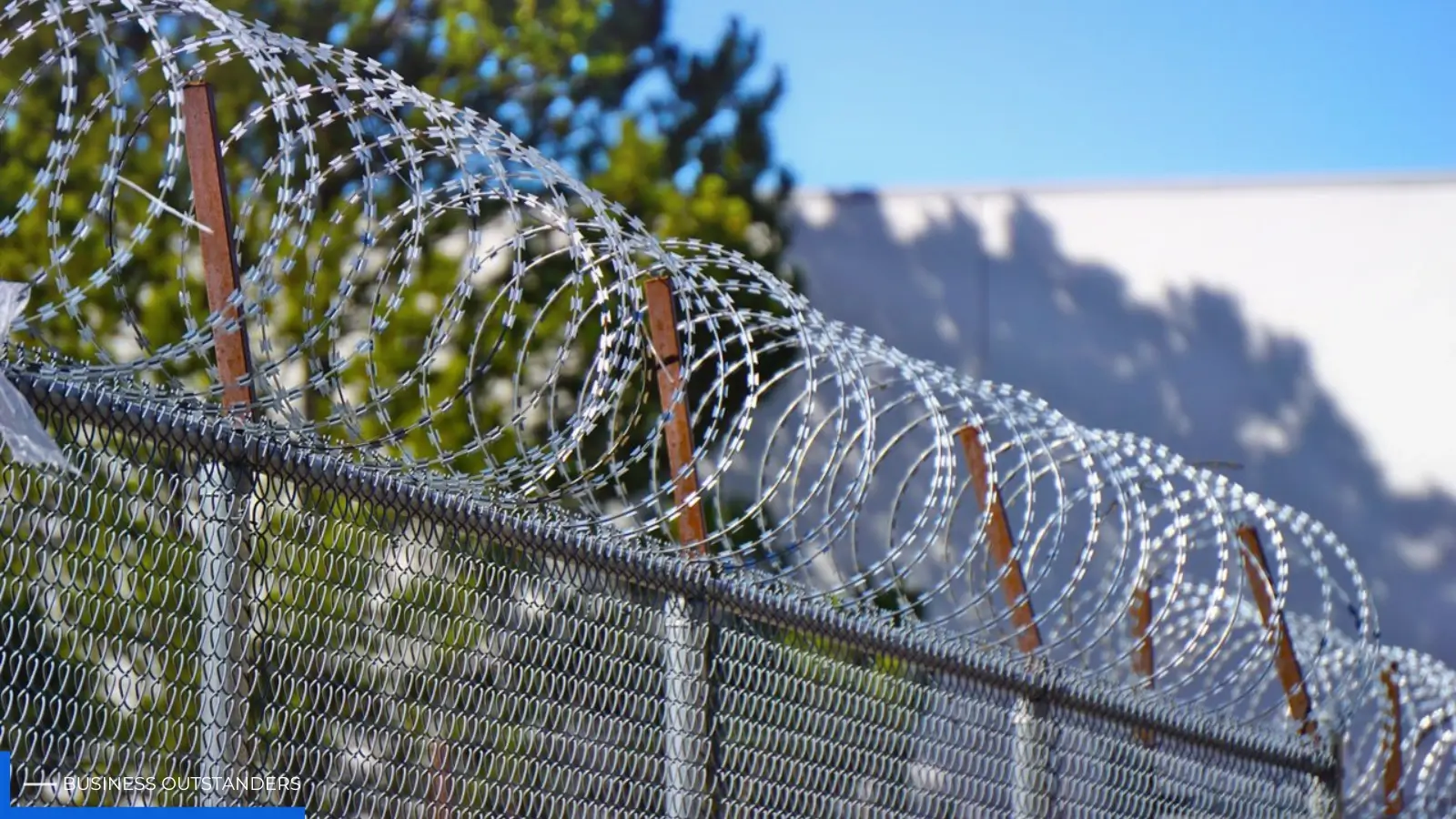
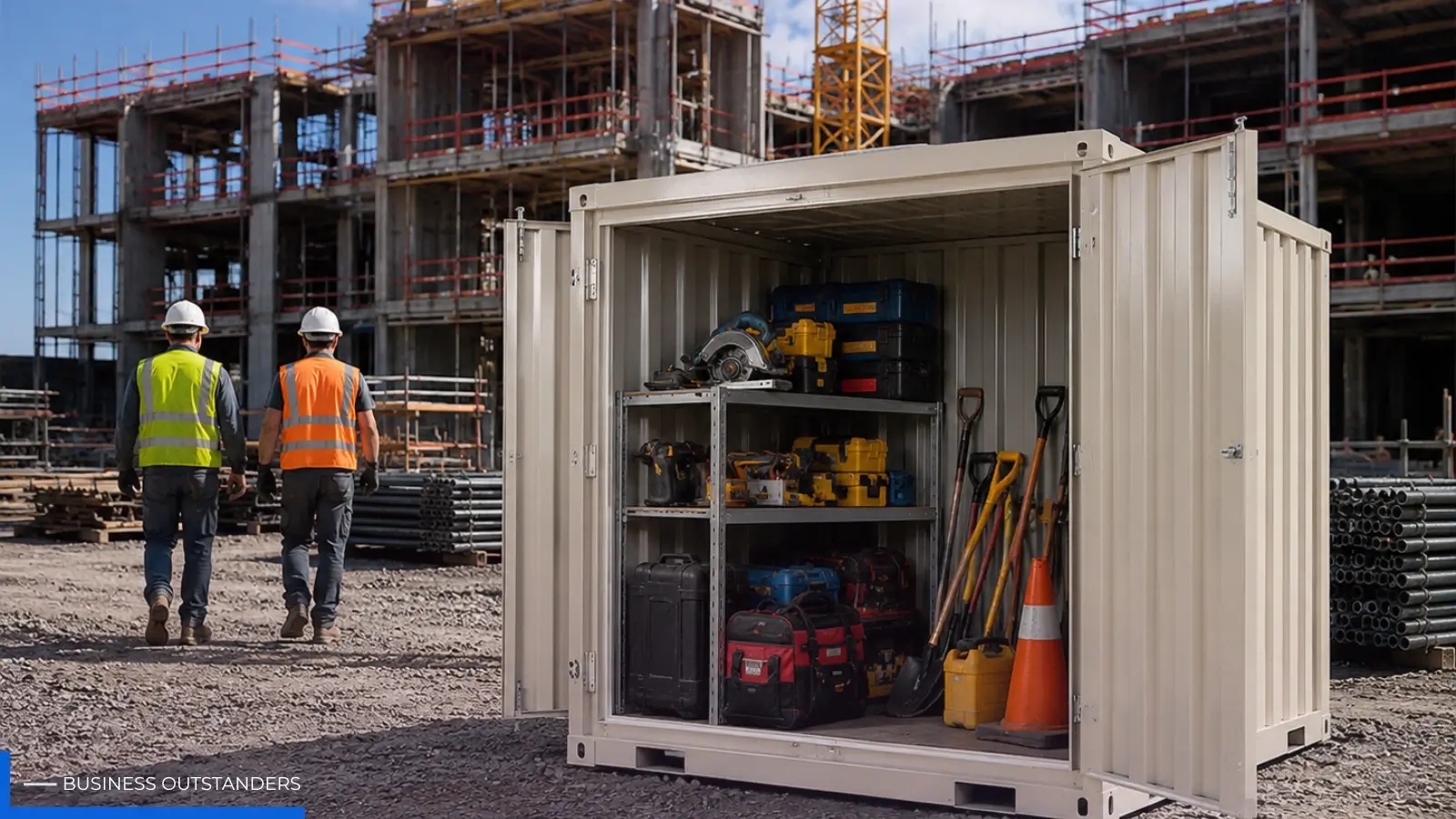
Storage containers help reduce exposure by giving crews a central place to secure tools and materials at the end of each workday. Instead of leaving equipment spread across trucks, open staging areas, or temporary shelters, project managers can create a repeatable closeout process: return, lock, verify, and document.
Project teams comparing secure storage options can review Storage Containers as a practical resource when planning how to protect tools, materials, and equipment on active construction sites.
Better Organization Keeps Crews Productive
Even when nothing is stolen, poor organization can quietly drain productivity. A few minutes spent searching for fasteners, batteries, safety gear, or specialty tools may seem minor. Across several crews and multiple workdays, that lost time can become a real scheduling problem.
A storage container can work as a central staging hub for daily-use items. Project managers can separate materials by trade, project phase, or installation sequence. For example, electrical components can be grouped away from plumbing materials, while high-use tools can be positioned near the entrance for faster access.
The key is to make the container functional, not just full. Clear labels, basic shelving, inventory logs, and defined return procedures help crews know where items belong. That creates a cleaner rhythm on-site and gives supervisors better visibility into what is available before placing additional orders.
Protected Storage Helps Reduce Weather-Related Waste
Weather can create another layer of cost. Rain, snow, wind, humidity, and heat can damage materials before they are installed. Even if materials are not completely ruined, exposure can make them harder to handle, harder to track, or less reliable for the work ahead.
Construction teams often use temporary coverings, but tarps and open staging areas can only do so much. Enclosed storage gives sensitive items a more controlled place to stay until they are needed. Boxed fixtures, packaged hardware, adhesives, hand tools, and safety supplies are easier to protect when they are not sitting in mud, standing water, or direct exposure.
Severe weather planning also depends on securing materials before conditions change. Construction risk guidance commonly recommends storing and securing materials that could be damaged, displaced, or turned into hazards during high winds and storms.
For project managers, this is a budget issue as much as a housekeeping issue. Fewer damaged materials can mean fewer emergency purchases, fewer delivery delays, and less waste.
Storage Placement Should Support Site Flow
A storage container works best when it fits into the site logistics plan. If it is placed too far from active work, crews may avoid using it. If it is placed in the wrong area, it can interfere with deliveries, equipment access, parking, or emergency routes.
Before delivery, project managers should consider where crews will access the container, how often materials will move in and out, and whether the location creates blind spots or traffic conflicts. The goal is to make storage secure while still keeping it practical for daily use.
Local rules may also matter. Depending on the city, property type, project duration, or site conditions, temporary storage placement may involve permit or access requirements. Reviewing these details early can prevent unnecessary relocation, delays, or coordination issues later.
Safe Material Storage Supports a Cleaner Jobsite
Storage is also tied to safety. OSHA’s construction material storage standard states that materials stored in tiers must be stacked, racked, blocked, interlocked, or otherwise secured to help prevent sliding, falling, or collapse.
When materials are scattered across walkways or stored without structure, they can create trip hazards, block access, and complicate equipment movement. A storage container gives teams a designated place for items that do not need to remain in active work areas.
This does not replace safety procedures, but it can reinforce them. When crews know where tools and materials belong, it becomes easier to keep walkways clear, reduce clutter, and maintain a more predictable jobsite layout. Good storage practices are also an important part of overall construction site safety.
Additional Resources
For teams comparing options for a construction site storage container, this resource may be useful during early project planning.
Project managers can also review OSHA’s material storage requirements and NICB equipment theft resources when building a broader jobsite risk management plan.
Conclusion
Storage containers can play a practical role in construction site planning. They help protect valuable assets, reduce weather-related material damage, improve organization, and support safer site flow.
For construction project managers, the value comes from using storage intentionally. When storage is planned before the site becomes crowded, crews have a clearer system for securing tools, accessing materials, and keeping work moving with fewer preventable disruptions.
Business Outstanders brings you sharp insights on tech, business, entrepreneurship, law, crypto, and more. We uncover what’s next. Stay updated, sign up for our newsletter and be part of the future!