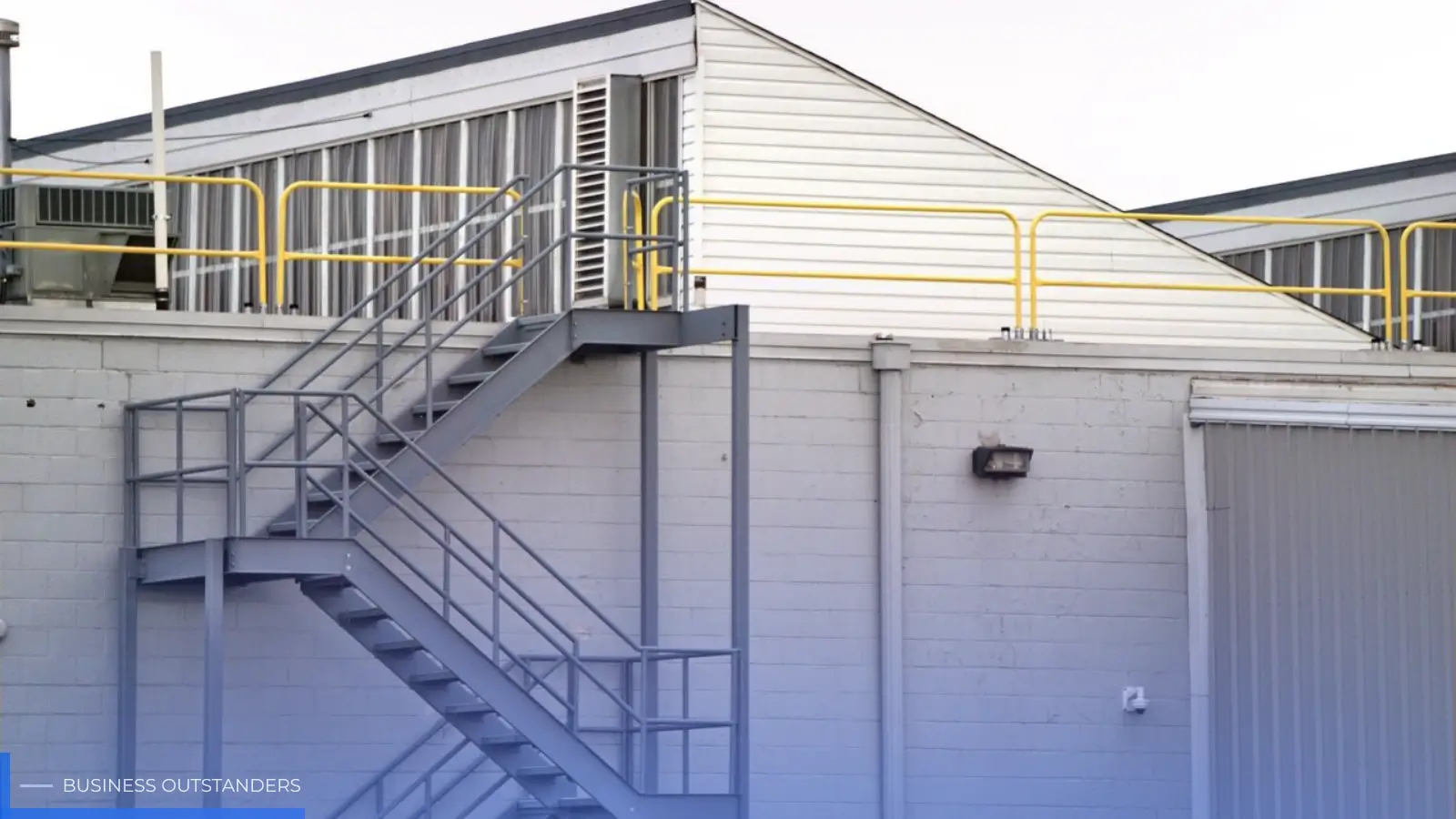
A safety railing system is one of the most important features for protecting people in workplaces, commercial buildings, industrial facilities, and public spaces. Whether installed around elevated walkways, loading bays, platforms, staircases, or roof access points, the right railing provides a dependable barrier that helps prevent accidents and supports a safer working environment.
However, not all railing systems offer the same level of performance. Choosing the right solution involves more than simply selecting a product that looks suitable. Factors such as durability, compliance, flexibility, and ease of maintenance all play a role in ensuring long-term value. Understanding what to look for can help businesses invest in a system that continues to perform for years to come.
Strong and Durable Construction
The primary purpose of a safety railing is to provide reliable protection, so strength should always be a top priority. A well-designed system should be able to withstand everyday use as well as accidental impacts without compromising its structural integrity.
High-quality materials such as galvanised steel or aluminium are popular choices because they offer excellent resistance to corrosion and wear. This is particularly important for outdoor installations where exposure to rain, changing temperatures, and other environmental conditions can accelerate deterioration in lower-quality materials.
A durable railing system reduces the need for frequent repairs or replacements, helping organisations save money while maintaining consistent safety standards.
Compliance with Safety Standards
Every safety railing should meet the relevant regulations and industry standards applicable to its intended use. Compliance provides confidence that the system has been designed and tested to perform as required.
Whether the installation is for a warehouse, manufacturing facility, commercial premises, or public building, choosing products that satisfy recognised safety requirements helps ensure legal compliance while supporting safer working conditions.
Working with experienced manufacturers and installers can also make it easier to identify the correct solution for specific environments and applications.
Flexibility for Different Applications
No two sites are exactly alike. Buildings often feature unique layouts, varying access routes, and obstacles that require tailored solutions rather than standard designs.
Modular railing systems offer significant advantages because they can be adapted to suit changing requirements. They can accommodate corners, slopes, different heights, and future extensions without requiring a complete redesign.
Businesses looking for adaptable solutions often choose Kee Klamp railings from Kee Safety because their modular design allows installations to be customised while remaining straightforward to modify as operational needs evolve.
Straightforward Installation
Installation time can have a major impact on project costs and operational disruption. Complex systems requiring welding or specialist fabrication often extend installation periods and increase labour expenses.
Modern modular railing systems simplify the process by using components that fit together quickly with minimal specialist equipment. Faster installation not only reduces downtime but also allows areas to return to normal operation sooner.
Easy installation also makes future alterations more practical if site layouts change over time.
Low Maintenance Requirements
Once installed, a reliable safety railing should require very little ongoing attention. Systems built from corrosion-resistant materials and quality finishes can withstand years of regular use with only basic inspections and routine cleaning.
Low-maintenance solutions minimise operational costs while ensuring the railing continues to provide dependable protection. If individual components become damaged, modular systems often allow only the affected section to be replaced rather than removing the entire installation.
This makes maintenance both quicker and more cost-effective.
Long-Term Value
Although initial purchase price is important, long-term value should be considered when selecting a safety railing system. A cheaper option may require more frequent repairs, replacement parts, or complete upgrades in the future.
Investing in a well-engineered system often results in lower lifetime costs through improved durability, reduced maintenance, and a longer service life. It also provides greater confidence that employees and visitors remain protected throughout the system's lifespan.
A quality installation should continue delivering reliable performance without creating unnecessary maintenance burdens.
Choosing the Right Safety Partner
The product itself is only one part of a successful installation. Selecting an experienced supplier with proven expertise can make a significant difference throughout the project.
A knowledgeable provider can help assess site requirements, recommend appropriate solutions, and ensure the system is correctly specified for its intended use. Ongoing technical support and product knowledge can also be valuable if future modifications or expansions become necessary.
Working with trusted specialists helps ensure the finished installation not only meets safety expectations today but continues performing effectively as the site develops.
Final Thoughts
A reliable safety railing system is an investment in both workplace safety and long-term operational efficiency. By focusing on strength, compliance, flexibility, ease of installation, and low maintenance, organisations can choose solutions that provide dependable protection for years to come.
Taking the time to evaluate these key factors helps ensure the selected system supports safer environments, reduces ongoing costs, and remains a valuable asset as facilities grow and change.
Business Outstanders brings you sharp insights on tech, business, entrepreneurship, law, crypto, and more. We uncover what’s next. Stay updated, sign up for our newsletter and be part of the future!